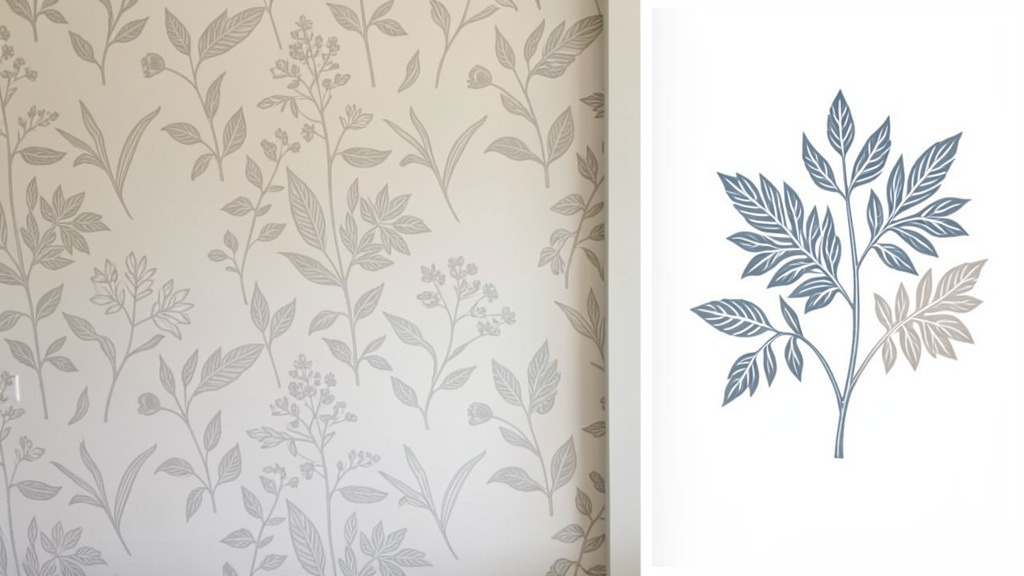
Discover reversible, damage-free projects with adaptable frameworks, surface-aware protocols, and communication strategies—plus the proven R.E.N.T.A.L. Framework to evaluate ANY decor idea with confidence and care.
Living in a rental property doesn’t require surrendering your sense of home. That neutral wall isn’t a barrier—it’s an invitation to express yourself thoughtfully within shared boundaries. This guide reframes rental constraints as creative catalysts, revealing how temporary solutions often foster more intentional, adaptable, and personally resonant spaces than permanent renovations. You’ll gain not just project ideas, but a sustainable mindset for making any temporary address feel authentically yours—while honoring your role as a respectful steward of the space.
Introduction: Beyond the “No Nails” Myth—Redefining Rental Decor Intelligence
The tension is familiar: scrolling through curated interiors while facing lease clauses restricting “alterations to surfaces.” Many renters choose between sterile neutrality or risky modifications. This false choice overlooks modern possibilities. Contemporary adhesive technologies, tension-based systems, and strategic communication have transformed rental decor. Understanding the practical landscape is essential. Security deposit guidelines in most regions distinguish between normal wear-and-tear (minor scuffs, gradual fading) and actual damage (structural changes, deep gouges). Projects designed with reversibility at their core align with this framework, turning decor into a demonstration of tenant responsibility. This guide rests on a foundational principle: the most successful rental spaces reflect not just personal style, but thoughtful respect for the property and its stewardship. Evidence from housing mediation resources consistently shows that documented, reversible updates paired with transparent communication significantly reduce deposit disputes.
The R.E.N.T.A.L. Framework: Your Cognitive Blueprint for Every Decor Decision
Before exploring specific projects, internalize this six-pillar framework. Apply these filters to any decor idea—online inspiration, friend suggestions, or personal concepts—to assess rental viability with clarity. This system integrates patterns observed across tenant resources, material behavior research, and property management perspectives.
R is for Reversible: The Non-Negotiable Core Principle
True reversibility means restoring the space to its original condition using only household items—no solvents, specialized tools, or professional services. This goes beyond marketing terms like “removable.” Verify through three practical steps:
1. The 72-Hour Test: Apply a small sample in a discreet area (inside a closet, behind furniture). Remove after three days. Inspect for residue, texture changes, or paint disturbance.
2. The Tool Test: Can removal be done with a hairdryer on low, plastic scraper, or mild soap? If acetone, razor blades, or steam cleaners are required, reconsider.
3. The Documentation Test: Photograph the area before application and immediately after removal. This creates objective evidence of care.
Why this matters: Landlords prioritize avoiding hidden damage discovered during move-out. Your documentation demonstrates proactive responsibility—often building trust for future low-risk requests.
Common considerations:
– Textured walls: Even “removable” vinyl may snag popcorn or orange-peel textures. Opt for fabric panels on tension rods instead.
– Fresh paint: Paint typically needs several weeks to fully cure. Verify age with landlord records before applying adhesives.
– Heat application: If using a hairdryer for removal, maintain low heat and 6+ inches distance to avoid affecting wall surfaces.
Practical insight: Testing a small section of any product in an inconspicuous spot provides peace of mind. Documenting the process creates a clear record of your diligence.
E is for Equipment-Free Execution: Eliminating Tool-Induced Risk
Power tools and sharp implements introduce disproportionate risk. A single slip can create damage requiring professional repair—a clear deposit concern. The “Equipment-Free” pillar prioritizes solutions requiring only hands, basic household items (scissors, ruler), or included applicators. This is risk-aware planning, not skill limitation.
Understanding surface interaction:
– Drilling: Creates irreversible punctures; patched holes rarely match original texture under close inspection.
– Hammering: Transfers force through drywall, potentially causing hairline cracks.
– Utility knives: Slips can scratch laminates, vinyl, or finished surfaces beyond superficial marks.
Strategic substitutions:
| Traditional Method | Rental-Safe Alternative | Key Benefit |
|——————-|————————-|————-|
| Drilling shelf brackets | Tension rod shelves between walls | Zero wall contact |
| Nailing picture frames | Museum putty with acrylic frames | Prevents penetration |
| Cutting custom rug pads | Pre-cut non-slip rug grippers | Eliminates blade risk |
| Sanding furniture | Furniture wax pens for surface scratches | No dust or alteration |
Adaptable implementation:
– Ideal: Commercial tension systems designed for weight distribution
– Budget: Heavy-duty tension rods wrapped in fabric for visual cohesion
– Space-limited: Stackable acrylic display cubes requiring no wall contact
Important nuance: “Equipment-free” refers to installation. A plastic scraper used during documented removal is acceptable if part of the reversal protocol. The focus is on avoiding tools that create irreversible change during setup.
N is for Non-Invasive Surface Interaction: Mastering the Adhesion Spectrum
Adhesive performance depends entirely on surface type, product chemistry, and environment. Evaluate these three variables before selecting any product:
- Wall Composition:
- Smooth painted drywall: Best candidate for quality removable adhesives. Latex paint generally accepts removables better than oil-based.
- Textured walls: Avoid pressure-sensitive adhesives. Choose freestanding or tension-based solutions.
- Plaster: Older plaster can be fragile. Rigorous testing is essential.
-
Tile/Glass: Excellent for removables when clean and grease-free (wipe with isopropyl alcohol first).
-
Adhesive Chemistry Awareness:
- Acrylic-based (e.g., many picture-hanging strips): Reliable on smooth surfaces when instructions are followed.
- Silicone or rubber-based: Higher initial tack; greater risk on delicate finishes. Generally avoid for walls.
-
Static-cling: Ideal for glass windows; zero adhesive residue.
-
Environmental Factors:
- High humidity can reduce adhesive effectiveness and complicate clean removal.
- Direct sunlight may degrade adhesives over time.
- Very cold or hot temperatures affect bonding and removal.
Practical surface assessment:
1. Wipe a small area with a damp white cloth. If color transfers, paint may be unstable.
2. Shine a flashlight sideways across the surface. Deep shadows indicate texture incompatible with flat adhesives.
3. Check lease for surface-specific restrictions.
4. Never apply adhesives over existing cracks, patches, or damaged areas.
Contextual insight: In humid climates or seasons, prioritize solutions less dependent on adhesion (tension rods, freestanding items). Environmental awareness prevents avoidable issues.
T is for Temporary Mindset: Designing for Mobility and Evolution
“Temporary” does not mean “disposable.” It signifies designing with intentional impermanence—a perspective aligned with adaptive living and mindful consumption. This pillar shifts focus from permanence to present-moment meaning while preserving future flexibility.
Benefits of a temporary approach:
– Lower decision pressure: Knowing changes aren’t permanent encourages creative experimentation.
– Skill development: Low-stakes projects build confidence for future living situations.
– Emotional adaptability: Portable decor reduces attachment anxiety during moves.
– Style refinement: Iterative, reversible updates help clarify personal aesthetics over time.
Creating portable personality systems:
– Modular art displays: Use identical clip frames or washi tape grids. Art unclips; frames travel flat. Reconfigure in new spaces.
– Textile libraries: Invest in quality throws, pillow covers, and linens in coordinating palettes. Rotate seasonally; pack efficiently.
– Lighting kits: Plug-in pendants, smart bulbs, and decorative lampshades create ambiance without hardwiring. All components move with you.
– Plant ecosystems: Use matching cachepots (decorative outer containers) for nursery pots. Plants stay in grow pots; cachepots provide style and portability.
Seasonal rhythm: Schedule quarterly decor rotations. Store off-season items compactly. This maintains visual freshness using existing resources, supporting mindful consumption while keeping spaces feeling current.
A is for Adaptable Systems: Building Decor That Travels With You
High-value rental projects serve multiple functions across multiple homes. Evaluate through three lenses: portability, scalability, and multi-space utility.
Portability considerations:
– Disassembles quickly with minimal effort
– Components nest or flatten for storage
– Lightweight for solo moving
– No liquids requiring special transport
Scalability in practice:
– Tension rod systems: Start with one rod for a closet. Later combine rods for room dividers or pantry organization.
– Modular shelving: Begin with two cubes in an entryway. Add units over time; reconfigure as needs change.
– Clip-on lighting: Start with one clip lamp. Expand to create under-cabinet lighting or art display spots.
Multi-space utility perspective:
| Project | Bedroom | Living Room | Kitchen | Bathroom | Long-Term Value |
|———|———|————-|———|———-|—————–|
| Tension rod room divider | ✓ | ✓ | ✓ (pantry) | ✗ | High |
| Removable wallpaper sample | Accent wall | Art backing | Cabinet liner | ✗ | Medium |
| Plug-in smart bulbs | ✓ | ✓ | ✓ | ✓ (vanity) | Very High |
| Freestanding garment rack | ✓ | Entryway | ✗ | ✗ | Medium |
| Adhesive hook systems | ✓ | ✓ | ✓ | ✓ | Context-dependent |
Resource-aware prioritization: Allocate budget toward highly adaptable items. A quality tension rod system serves more spaces over multiple moves than single-use decals. Consider “cost per use” across residences: a modular shelving unit used in three homes offers greater value than disposable alternatives.
L is for Landlord Liaison: Transforming Communication into Partnership
Proactive, respectful communication is the most effective risk mitigator. Frame requests to highlight mutual benefits and your commitment to restoration. This isn’t permission-seeking—it’s collaborative problem-solving.
The 3-Part Communication Protocol:
1. Preparation:
– Review lease clauses related to modifications
– Photograph current condition of the target area
– Identify landlord concerns (restoration effort, cost, resale appeal)
2. Proposal Crafting:
– Subject line: “Proposal: Low-Risk Enhancement for [Address] – Zero Cost to You”
– Body: “I propose installing [product] using [method]. It’s fully reversible per manufacturer instructions [link]. I will document pre- and post-condition with photos. This enhances appeal for future tenants at no expense to you.”
– Attach: Product link, removal instructions, example photo
3. Follow-Through:
– Secure approval in writing (email is sufficient)
– Send “before” photos upon approval
– Send “after restoration” photos at move-out
Language reframing examples:
– ❌ “Can I put up wallpaper?”
– ✅ “I’d like to install removable peel-and-stick wallpaper (link) designed for clean removal. I’ll provide documentation of restoration. This creates a more welcoming space for future showings.”
– ❌ “I need shelves.”
– ✅ “I propose tension rod shelving (no wall contact) to optimize closet storage, reducing clutter in common areas. System removes completely with zero trace.”
If permission is declined:
– Thank them for their time
– Ask: “What would be acceptable for this space?”
– Propose alternatives: “Would a freestanding bookshelf work?”
– Keep the denial email for your records—it protects you from later claims of violation
Advanced consideration: Offering to restore the space using landlord-provided materials (e.g., “I’ll repaint the accent wall with your supplied paint upon move-out”) addresses core concerns about restoration effort. Many landlords approve projects when tenants assume full restoration responsibility.
The Fundamental Principle: Rental-friendly decor is defined not by restrictions avoided, but by the intelligence, documentation, and mutual respect embedded in every choice. The most harmonious rental spaces reflect thoughtful stewardship alongside personal expression.
Wall Transformations: Projects That Honor Surfaces While Expressing Style
Walls shape spatial perception. Mastering rental-safe wall treatments unlocks transformative potential without crossing boundaries. Each project includes surface compatibility guidance, reversal considerations, and adaptive options.
Removable Wallpaper Accent Wall: Precision Application Protocol
Why it works: Modern removable wallpapers use micro-suction technology or low-tack adhesives designed for clean removal on compatible surfaces when applied correctly.
Surface compatibility guidance:
✅ Smooth, primed drywall with cured latex paint
✅ Glass, metal, or sealed smooth surfaces
❌ Textured walls (popcorn, knockdown, orange peel)
❌ Freshly painted walls (verify cure time with landlord)
❌ Existing wallpapered surfaces
❌ High-moisture zones (inside shower enclosures)
Materials:
– Removable wallpaper (reputable brands with clear removal instructions)
– Laser level or bubble level
– Smoothing tool (squeegee or cloth-wrapped card)
– Sharp utility knife for trimming only
– Hairdryer (low setting)
– Isopropyl alcohol wipes
Step-by-step approach:
1. Preparation: Clean wall with alcohol wipe. Allow to dry completely. Measure wall; order 10% extra for alignment adjustments.
2. Dry-fit: Unroll first panel without removing backing. Align top edge with level line. Mark placement lightly on floor only.
3. Application: Peel 12″ of backing. Align precisely. Smooth downward center-to-edges to eliminate air bubbles. Continue incrementally. Avoid stretching.
4. Seam management: For multi-panel walls, overlap edges slightly. Cut through both layers simultaneously with sharp blade guided by ruler. Remove waste strips.
5. Final smoothing: Run squeegee firmly over entire surface, especially edges and corners.
6. Trimming: Hold blade at 45° angle against ceiling/baseboard. Contact only wallpaper—not wall surface.
Reversal considerations:
– Warm section gently with hairdryer on low
– Lift corner slowly at 180° angle (parallel to wall)
– Pull steadily downward while warming adhesive ahead of peel line
– Wipe any residual tack with alcohol wipe
– Inspect with oblique lighting to confirm cleanliness
Adaptive styling:
– Compact spaces: Vertical patterns can enhance perceived height
– Low-light rooms: Light metallics or pearlescent finishes reflect available light
– Subtle impact: Textured finishes (linen-look, grasscloth effect) add depth without bold statements
– Budget focus: Apply only to lower third as “wainscoting” effect using removable panels
Critical reminders:
– Rushing application causes misalignment
– Skipping dry-fit often leads to crooked installation
– Pulling too fast during removal risks surface disturbance
– Cold rooms (<60°F/15°C) may prevent proper initial adhesion
Pro insight: Order sample swatches. Live with them on your wall for 48 hours under varying light conditions. What appears elegant at noon may feel overwhelming at dusk.
Tension Rod Canvas Gallery: Zero-Contact Art Display System
Why it works: Transforms walls into curated galleries without punctures. Tension rods distribute weight evenly across wall surfaces, eliminating point-load stress.
Materials:
– Heavy-duty tension rods (rated for intended weight)
– S-hooks or curtain clip rings
– Unframed canvases, fabric panels, or poster boards
– Level, measuring tape
– Optional: Fabric strips to cover rod ends
Installation sequence:
1. Measure wall width. Select rod length 1–2″ longer than measurement for optimal tension.
2. Extend rod fully. Place one end against left wall at desired height (typically 54–60″ from floor).
3. Compress rod slightly while pressing right end against wall until secure.
4. Verify level. Adjust by twisting rod ends incrementally.
5. Attach S-hooks every 8–12″ along rod.
6. Clip art pieces to hooks. Vary heights for visual interest.
Weight distribution awareness:
– Respect maximum span ratings (typically 48″ standard, 72″ heavy-duty)
– Stay within 70% of rated weight capacity
– Press gently on rod center; minimal deflection (<1/4″) indicates proper tension
Style variations:
– Minimalist: White rods, monochrome prints, uniform spacing
– Bohemian: Wrap rods in fabric scraps; mix art sizes and orientations
– Functional: Clip recipe cards in kitchen; children’s artwork in play areas
– Space-defining: Install floor-to-ceiling rods with draped fabric panels
Reversal advantage: Remove rod. Wipe wall contact points. Zero evidence remains. Rods and art pack flat.
Troubleshooting:
– Rod slips: Clean wall contact points; ensure rubber grips are intact
– Rod bows: Reduce span length or add center support
– Art swings: Use two rods (top and bottom) with clips connecting art to both
Advanced application: Create shallow “floating” shelves by placing thin wooden boards atop horizontally mounted tension rods. Ideal for small plants or collectibles. Strictly observe weight limits.
Fabric Wall Hanging System: Textile Art Without Adhesives
Why it works: Fabric adds warmth, color, and acoustic softness with zero wall contact. Ideal for textured walls where adhesives are unsuitable.
Materials:
– Pre-washed fabric (thrifted bedsheets, tapestries, quilts)
– Tension rod (width of fabric + 2″)
– Fabric glue or iron-on hem tape
– Scissors, iron
Construction method:
1. Hem top edge of fabric: Fold down 2″, secure with iron-on tape or stitching. Creates pocket for rod.
2. Insert tension rod through pocket.
3. Mount rod between walls following canvas gallery protocol.
4. Adjust fabric draping by sliding rod within pocket.
Fabric selection considerations:
| Fabric Type | Best For | Note |
|————-|———-|——|
| Linen | Textured, organic feel | May require steaming |
| Cotton duck | Heavy-duty art backing | Ensure rod weight rating |
| Silk/satin | Luxury accent | Keep from direct sunlight |
| Burlap | Rustic style | Seal cut edges to reduce shedding |
| Vintage textiles | Bold color statements | Test for colorfastness first |
Reversibility advantage: Entire system removes in under a minute. Fabric folds compactly. Rod stores flat. No restoration needed.
Environmental note: Textile wall coverings can help absorb ambient sound in apartments with thin walls—a practical benefit beyond aesthetics.
Ethical sourcing tip: Visit thrift stores for imperfect linens (stained, torn). Cut away damaged sections. Imperfect textiles often cost very little and yield beautiful usable portions while supporting charitable organizations.
Removable Decal Strategy: Beyond Generic Quotes
Why it works: Quality vinyl decals use low-tack adhesives designed for repositioning and clean removal. Unlike inexpensive decals that crack or leave residue, archival-grade options maintain integrity while remaining reversible.
Selection criteria:
– Material: Look for “matte removable” specification
– Seller transparency: Must provide surface compatibility guidance and removal instructions
– Avoid: Static-cling decals for walls (unreliable on texture); glitter vinyl (shedding particles)
Application approach:
1. Clean wall with alcohol wipe. Wait 10 minutes.
2. Position decal using transfer tape. Use level for alignment.
3. Burnish firmly with squeegee through transfer tape.
4. Peel transfer tape slowly at 180° angle.
5. For large decals: Apply center first, smooth outward to prevent air bubbles.
Removal technique:
– Warm decal gently with hairdryer on low
– Lift edge with fingernail
– Pull slowly parallel to wall surface
– Residue? Rub gently with pencil eraser—often lifts without liquids
Elevated applications:
– Architectural enhancement: Subtle moldings (chair rail accent) using thin-line decals
– Functional art: Removable growth chart for children’s rooms
– Seasonal rotation: Holiday motifs stored flat between uses
– Wayfinding: Subtle directional cues in large apartments
Failure prevention:
– Decal peels prematurely: Surface wasn’t clean; humidity too high during application
– Paint disturbance during removal: Paint was uncured or low-quality; always test first
– Air bubbles: Applied too quickly; use pin to puncture bubble, smooth outward
Pro insight: Order custom decals from sellers specializing in rental-safe materials. Provide your wall color for subtle integration. A geometric pattern in a slightly deeper shade than the wall creates sophisticated texture without bold statements.
Magnetic Surface Alternative: The Reversible “Smart Wall” Hack
Why it works: Traditional magnetic paint requires permanent alteration. This reversible system creates functional magnetic surfaces without wall modification.
Materials:
– Galvanized steel sheet metal (cut to size off-site)
– Removable mounting strips (rated for weight)
– Spray paint (optional: chalkboard or dry-erase finish)
– Sandpaper (220 grit)
Construction:
1. Cut steel sheet to desired size (wear gloves; edges sharp). Sand edges smooth.
2. Spray paint if desired (apply light coats; dry between coats).
3. Attach mounting strips to back per package instructions.
4. Mount to wall using level. Press firmly for 30 seconds per strip.
5. Wait recommended time before adding magnets.
Applications:
– Kitchen: Spice organization, recipe display
– Home office: Project planning board, tool storage
– Kids’ room: Art display, learning activities
– Entryway: Key holder, reminder board
Reversal: Remove per strip instructions. Wipe wall. Steel sheet travels to next home.
Weight awareness:
– Small sheet (12″x12″): Holds several standard magnets
– Medium sheet (24″x18″): Holds more magnets with even distribution
– Critical: Distribute weight evenly; avoid hanging heavy items from single point
Safety note: Keep away from medical devices sensitive to magnets. Not suitable for walls with metal studs directly behind mounting area (may interfere with magnetism).
Budget path: Use magnetic knife strips mounted horizontally with removable strips. Creates a narrow functional zone for notes or lightweight tools.
Washi Tape Geometry: Precision Temporary Art
Why it works: Washi tape uses gentle, rice-based adhesive that typically releases cleanly from smooth surfaces. Its paper texture allows tearing by hand for organic edges.
Surface compatibility:
✅ Smooth painted walls
✅ Glass windows
✅ Laminate furniture surfaces
❌ Textured walls
❌ Fresh paint (<30 days cure time)
❌ Fabric or porous surfaces
Design methodology:
1. Sketch design on paper first. Start simple: triangles, hexagons, stripes.
2. Use level and painter’s tape to mark guidelines on floor only.
3. Tear tape (don’t cut) for softer edges.
4. Apply tape at slight angle, smoothing as you go.
5. For crisp corners: Fold tape at angle before applying.
6. Seal edges by burnishing with fingernail.
Removal protocol:
– Pull slowly at 180° angle
– If resistance felt, warm gently with hairdryer
– Never yank—this risks surface disturbance
Advanced techniques:
– Layering: Apply lighter colors first; darker on top. Remove top layer first during reversal.
– Gradients: Blend multiple tape colors side-by-side.
– Functional art: Create removable calendar grid near workspace.
– Architectural definition: Outline door frames or window casings subtly.
Durability factors:
– Lifespan varies (6–18 months) depending on sunlight exposure
– High humidity may reduce longevity
– Avoid high-traffic areas where tape might catch on clothing
Psychological benefit: The impermanence encourages creative experimentation. A “revised” design removes in minutes with zero consequences—liberating for those hesitant to commit.
Eco-note: Most washi tape is biodegradable. Remove completely before disposal.
Clip Frame Grid System: Modular Art Evolution
Why it works: Clip frames require no wall mounting hardware. Arranged in grids, they create cohesive gallery walls that evolve with your collection.
Materials:
– Identical clip frames
– Level, measuring tape
– Painter’s tape (for layout guide)
– Art prints, postcards, fabric swatches
Installation:
1. Determine grid dimensions (e.g., 3×3, 4×4).
2. Use painter’s tape on floor to mark frame positions.
3. Arrange frames on tape guides. Adjust spacing until balanced.
4. Lift frames carefully. Place on shelf, console, or floor against wall.
5. For floating effect: Lean larger frames against wall; nest smaller frames in front.
Stability techniques:
– Place heaviest frames at bottom of arrangement
– Use museum putty under frame base only (not on wall) to prevent sliding
– In seismic zones: Attach frames to each other with clear fishing line
Style evolution:
– Seasonal rotation: Swap art monthly without disturbing frame arrangement
– Memory wall: Add vacation postcards or children’s artwork over time
– Color story: Coordinate frame colors with room palette; change art to shift mood
– Functional display: Clip recipes in kitchen; schedules in home office
Reversibility advantage: Entire system lifts away instantly. No wall contact means zero restoration needed. Frames pack flat.
Pro insight: Source clip frames in multiple sizes but same finish. A grid of varied sizes creates dynamic rhythm while maintaining cohesion. Thrift stores often have mismatched frames—spray paint all in matte black or white for uniformity.
Removable Tile Backsplash: Kitchen/Bathroom Surface Renewal
Why it works: Peel-and-stick tiles use pressure-sensitive adhesive designed for smooth, non-porous surfaces. When removed correctly on compatible surfaces, they typically leave no residue.
Surface compatibility essentials:
✅ Existing ceramic tile (clean, grease-free)
✅ Laminate countertops (smooth finish)
✅ Glass, metal, sealed wood
❌ Grout lines (adhesion fails at seams)
❌ Textured surfaces
❌ Areas with standing water
❌ Walls with cracks or loose material
Pre-installation protocol:
1. Clean surface thoroughly with appropriate cleaner. Rinse. Dry completely (24+ hours).
2. Wipe with isopropyl alcohol. Let dry.
3. Test one tile in inconspicuous area. Wait 72 hours. Remove. Inspect.
4. Measure area. Order 15% extra for cuts and adjustments.
Installation precision:
1. Find center point of wall. Mark vertical plumb line with level.
2. Dry-fit first row without peeling backing. Adjust for even cuts at edges.
3. Peel backing from first tile. Align with plumb line. Press firmly.
4. Use plastic putty knife to smooth tile, eliminating air bubbles.
5. For cuts: Place tile face-down on cutting mat. Use metal ruler and sharp utility knife. Score deeply. Snap cleanly.
6. Stagger seams like brickwork for visual integrity.
7. Seal edges only if product instructions specify.
Critical moisture awareness:
– Never install below sink rim or where water pools
– Wipe spills immediately
– In bathrooms: Install only on walls outside direct shower spray zone
– Use exhaust fan during/after moisture-producing activities
Reversal protocol:
– Warm tile gently with hairdryer on low
– Insert plastic scraper under edge
– Peel slowly at 180° angle while warming ahead of peel line
– Remove residue with citrus-based cleaner on cloth only
– Final wipe with alcohol to remove cleaner residue
Failure prevention:
– Bubbles form: Surface wasn’t clean; air trapped during application
– Edges lift: Humidity too high; inadequate smoothing during install
– Discoloration: Moisture trapped behind tile; indicates incompatible surface
Style intelligence:
– Small kitchens: Light colors enhance perceived space
– Dark countertops: Choose tile with light grout lines for contrast
– Vintage aesthetic: Hexagon or subway patterns in muted tones
– Modern edge: Large-format tiles with minimal visual seams
Budget path: Apply only to highest-impact zone (backsplash area behind stove). Full wall coverage isn’t necessary for transformative effect.
Floating Shelf Illusion: Tension Rod + Acrylic System
Why it works: Creates the appearance of wall-mounted shelves without drilling. Acrylic shelves maintain visual lightness while tension rods provide structural support.
Materials:
– Heavy-duty tension rod (length = shelf depth + 2″)
– Clear acrylic shelf (cut to size off-site)
– Felt pads (for rod ends)
– Level
Assembly:
1. Measure desired shelf height and depth.
2. Extend tension rod to fit snugly between two parallel walls (e.g., inside bookshelf frame, between closet walls).
3. Place felt pads on rod ends to prevent marking.
4. Slide acrylic shelf onto rod. Position centered.
5. Verify level. Adjust rod tension if needed.
Weight capacity awareness:
– 12″ deep shelf: Max 5 lbs with even distribution
– 18″ deep shelf: Max 3 lbs with even distribution
– Critical: Distribute weight evenly; avoid placing heavy items at shelf edge
Applications:
– Inside existing bookshelves: Add extra storage layer
– Narrow closets: Create shoe or accessory shelf
– Between cabinets: Utilize dead space above countertops
– Bathroom: Store toiletries between walls in shower niche (outside direct spray)
Reversibility advantage: Entire system removes in seconds. Wipe wall contact points. Zero evidence remains.
Safety note: Avoid high-traffic areas where rod could be bumped loose. Not suitable where small children might pull on shelves.
Style enhancement: Line shelf with removable contact paper for color pop. Or place small plants in cachepots for living display.
Advanced variation: Use two parallel tension rods with shelf sandwiched between. Doubles stability for slightly heavier loads. Requires precise rod alignment.
Removable Wainscoting Panels: Architectural Detail Without Demolition
Why it works: Pre-fabricated lightweight panels attach with heavy-duty removable strips, creating the illusion of built-in millwork.
Surface requirements:
✅ Smooth, flat walls
✅ Paint cured sufficiently (verify with landlord)
❌ Textured walls
❌ Walls with existing damage
Installation protocol:
1. Measure wall section. Order panels slightly shorter than wall height to avoid ceiling/baseboard contact.
2. Clean wall thoroughly. Let dry.
3. Attach mounting strips to panel back per manufacturer diagram.
4. Press panel firmly to wall. Hold recommended time per strip.
5. Wait recommended time before adding light decor.
Critical alignment technique:
– Use laser level to project horizontal line at desired height
– Apply first panel to line
– Use spacer blocks between panels for consistent gaps
– Check level after each panel
Reversal protocol:
– Pull release tab on each strip per instructions
– If tab breaks: Use dental floss sawing motion between strip and wall
– Wipe residue with adhesive remover on cloth only
– Final alcohol wipe
Style applications:
– Entryway: Create “mudroom” feel with lower third paneled
– Dining area: Add sophistication below chair rail height
– Bedroom: Define bed wall with paneled accent
– Children’s room: Use colorful panels; easy to update as tastes change
Weight considerations:
– Panels themselves are lightweight
– Decor weight limit: 1 lb per panel
– Never hang heavy art directly on panels
Budget path: Create “faux” wainscoting using removable wallpaper cut into panels and applied with strips. Less dimensional but effective visual cue.
Pro insight: Paint panels before installation if desired color isn’t available. Use sample pots; test adhesion on panel scrap first. Matte finishes hide minor imperfections better than gloss.
Window Film Magic: Privacy and Style Without Permanence
Why it works: Static-cling films adhere through molecular attraction—not adhesives—making removal effortless and residue-free. Ideal for rental windows where blinds feel institutional.
Film type selection:
| Type | Best For | Consideration |
|——|———-|—————|
| Frosted | Bathroom privacy, glare reduction | Reduces light transmission |
| Stained glass | Decorative accent, color filtering | Pattern visible from both sides |
| Reflective | Heat reduction, daytime privacy | Less effective at night with lights on |
| Clear protective | Scratch prevention on glass doors | No visual change |
Installation mastery:
1. Clean glass thoroughly with ammonia-free cleaner. Dry completely.
2. Mix spray bottle: Water + drop of dish soap.
3. Spray glass and film backing generously.
4. Position film. Slide into place while wet.
5. Squeegee from center outward to remove water bubbles.
6. Trim excess with razor blade held at 45° angle against glass.
Removal simplicity:
– Lift corner with fingernail
– Peel slowly
– Wipe glass with damp cloth
– Film stores flat for reuse
Strategic placement:
– Bathroom windows: Frosted film maintains light while ensuring privacy
– Street-facing windows: Reflective film reduces heat gain
– Interior glass doors: Decorative film defines spaces without blocking light
– Cabinet doors: Apply inside glass for subtle texture
Durability factors:
– Lifespan varies (2–5 years) depending on sun exposure
– South-facing windows may degrade faster
– Clean with soft cloth only; avoid abrasive cleaners
Advanced technique: Layer films for custom effects. Example: Frosted base layer + cut-out decorative shapes on top. Creates dimensional art.
Environmental note: Reflective films can help reduce cooling demands in sunny apartments—a practical benefit to mention when proposing to landlord.
Removable Accent Wall System: The “Wallpaper Within Walls” Method
Why it works: Instead of covering an entire wall, create a defined zone using tension rods and fabric/wallpaper. Contains the project visually while minimizing material use and reversal effort.
Materials:
– Two tension rods (floor-to-ceiling height)
– Fabric or removable wallpaper panel
– Sewing machine or fabric glue
– Level
Construction:
1. Measure space between rods. Add 2″ to width for rod pockets.
2. Hem top and bottom edges of material.
3. Create rod pockets: Fold sides 1″ inward, secure with glue/stitching.
4. Install rods parallel, 24–36″ apart.
5. Slide material onto rods. Adjust draping.
Applications:
– Define reading nook in studio apartment
– Create headboard zone behind bed
– Separate dining area in open-plan space
– Hide unsightly utility boxes or pipes
Reversibility advantage: Entire system removes in under 2 minutes. Rods store flat. Material folds compactly. Zero wall contact.
Style intelligence:
– Choose material that complements room palette without exact matching
– Textured fabrics (burlap, linen) add depth without bold patterns
– For wallpaper: Select subtle geometrics that read as texture from distance
Weight management:
– Heavy fabrics require heavy-duty rods
– Avoid materials that stretch under own weight
– Test drape before final installation
Psychological impact: Defined zones can reduce visual overwhelm in open-plan rentals by creating intuitive “rooms” within larger spaces—a technique supported by environmental design principles for enhancing spatial functionality.
Lighting Liberation: Plug-In Projects That Rewrite Ambiance Without Wiring
Lighting transforms mood more powerfully than any other element. These projects bypass electrical restrictions while delivering intentional results. Each leverages existing outlets and strategic placement principles.
Plug-In Pendant Lights: Architectural Interest Without Ceiling Work
Why it works: Modern plug-in pendants feature slim cords that route discreetly along architectural lines. Paired with cord covers, they mimic hardwired installations.
Materials:
– Plug-in pendant light kit
– Cord cover channels (paintable plastic)
– Cord clips (removable adhesive)
– Level
Installation protocol:
1. Determine ideal hanging height:
– Over dining table: 30–36″ above surface
– Over kitchen island: 28–34″ above surface
– In entryway: Bottom of shade 72″ from floor
2. Route cord path: Along ceiling line → down wall corner → along baseboard to outlet
3. Install cord covers:
– No-drill method: Use heavy-duty double-sided tape on clean wall. Press cover firmly.
– Minimal-contact method: Use adhesive-backed covers rated for your wall type
4. Secure cord inside cover with included clips.
5. Hang pendant. Plug in.
Cord concealment mastery:
– Paint cord covers to match wall color before installation
– Route cords along natural architectural lines (crown molding, baseboard seams)
– Use furniture placement to hide cord runs (behind bookshelf, console table)
– For textured walls: Choose cord covers with adhesive backing rated for texture
Style integration:
– Modern: Sleek metal shades, black cords
– Bohemian: Woven rattan shades, neutral cords
– Industrial: Edison bulb styles, fabric-wrapped cords
– Minimalist: Paper lanterns, white cords
Reversibility advantage: Unplug. Remove cord covers (tape releases cleanly). Pendant packs flat. Zero evidence remains.
Safety essentials:
– Never run cords under rugs (fire hazard, tripping risk)
– Ensure cord isn’t pinched by furniture
– Use surge protector if multiple lights on same outlet
– Keep cords away from heat sources (radiators, stoves)
Landlord communication angle: “This enhances the fixture’s aesthetic appeal without modifying existing wiring. I’ll restore original condition upon move-out.” Include photo of concealed cord path.
Adhesive LED Strip Lighting: Under-Cabinet Glow and Accent Zones
Why it works: Modern LED strips use low-tack adhesive backing designed for smooth surfaces. When removed correctly on compatible materials, they typically leave no residue.
Surface compatibility:
✅ Laminate countertops (underside)
✅ Painted cabinet faces (smooth finish)
✅ Glass, metal
❌ Wood with open grain
❌ Textured surfaces
❌ Areas with heat exposure (>120°F/49°C)
Installation precision:
1. Clean surface with alcohol wipe. Let dry 10 minutes.
2. Measure strip length. Cut only at marked scissor icons.
3. Peel backing slowly. Align strip. Press firmly every 2″.
4. Connect controller and power adapter.
5. Test before final commitment.
Critical heat management:
– Never install directly above stove or oven
– Maintain 6+ inch distance from heat sources
– Use strips rated for “high temp” environments near appliances
– Install aluminum channel (adhesive-backed) to dissipate heat and diffuse light
Reversal protocol:
– Unplug power
– Warm strip gently with hairdryer on low
– Peel slowly at 180° angle
– Remove adhesive residue with citrus cleaner on cloth only
– Final alcohol wipe
Application zones:
– Kitchen: Under upper cabinets for task lighting
– Living room: Behind TV for bias lighting (reduces eye strain)
– Bedroom: Under bed frame for soft nightlight effect
– Closet: Inside shelves for visibility
– Bathroom: Under vanity for ambient glow (use IP65 waterproof strips)
Smart integration: Pair with smart plug for voice control or scheduling.
Common considerations:
– Cutting strip at wrong point damages circuit
– Over-bending strip at corners causes LED failure
– Skipping surface cleaning leads to premature detachment
– Using non-waterproof strips in humid areas causes corrosion
Budget path: Start with one strip kit. Install in highest-impact zone (under kitchen cabinets). Expand later.
Pro insight: Install strips inside upper cabinets, shining down on contents. Provides functional task lighting while keeping strips completely hidden—ideal for strict landlords.
Lamp Transformation System: From Basic to Bespoke
Why it works: Lamps are highly adaptable decor elements. With minimal intervention, generic lamps become signature pieces.
Transformation techniques:
| Element | Transformation Method | Rental-Safe? |
|——–|————————|————–|
| Shade | Replace with new shade (no tools) | ✅ Yes |
| Base | Wrap with removable contact paper | ✅ Yes |
| Cord | Cover with fabric sleeve | ✅ Yes |
| Harp | Replace with decorative finial | ✅ Yes |
| Plug | Add smart plug for control | ✅ Yes |
Step-by-step shade swap:
1. Unplug lamp. Remove old shade and harp.
2. Measure harp height and spider fitter size.
3. Select new shade:
– Width should be ~1.5x lamp base width
– Bottom edge should clear lamp base by 1–2″
– Height should be ~2/3 lamp base height
4. Install new harp if needed (slides onto saddle; no tools).
5. Place shade on harp. Secure with finial.
Base wrapping protocol:
1. Clean base thoroughly. Dry completely.
2. Measure base dimensions. Cut contact paper 1″ larger on all sides.
3. Peel backing slowly. Align carefully. Smooth from center outward.
4. Trim excess at bottom edge with craft knife.
5. Seal edge with clear packing tape on contact paper only (prevents peeling).
Cord customization:
– Fabric sleeve: Slide pre-made sleeve over cord. Secure ends with clear nail polish.
– Braid: Wrap thin ribbon around cord in spiral pattern; secure ends with glue dots.
Reversibility advantage: All changes reverse in minutes. Original parts stored for move-out.
Style intelligence:
– Small rooms: Light-colored shades maximize light reflection
– Dark corners: Metallic-lined shades direct light downward
– Statement piece: Bold patterned shade draws eye upward
– Cohesion: Repeat shade color/pattern in other room textiles
Budget path: Thrift stores often have lamps with dated shades but solid bases ($3–$8). Replace shade only ($10–$20). Total cost under $30 for custom-looking lamp.
Advanced tactic: Create “lamp family” by using identical shades on multiple lamps with different bases. Creates intentional cohesion in open-plan spaces.
Clip-On Lighting Network: Task Lighting Without Surface Contact
Why it works: Clip lights attach to shelves, headboards, or desks without adhesives or tools. Modern LED clip lights provide focused illumination with minimal heat output.
Strategic placement zones:
– Bedside: Clip to headboard for reading light (avoids nightstand clutter)
– Desk: Clip to monitor top for screen bias lighting
– Kitchen: Clip under upper cabinet edge for supplemental task light
– Art display: Clip to shelf above artwork for accent lighting
– Closet: Clip to shelf edge for interior visibility
Selection criteria:
– Clip width: Must accommodate your surface thickness
– Gooseneck: Flexible neck allows precise beam direction
– Bulb type: LED only (cool operation, energy efficient)
– Switch location: In-line switch on cord preferred
– Cord length: Minimum 6 ft for routing flexibility
Installation:
1. Position clip on surface edge.
2. Tighten screw until secure without marring surface.
3. Route cord along surface edge using adhesive cord clips.
4. Plug into nearest outlet.
Surface protection protocol:
– Place felt pad between clip jaws and delicate surfaces
– Avoid clipping to veneered edges (pressure may cause delamination)
– Test clip pressure on inconspicuous area first
– Never clip to fabric-covered headboards (may leave indentations)
Reversibility advantage: Unclip. Remove cord clips. Zero evidence remains. Light travels to next home.
Layering principle: Combine multiple clip lights for balanced illumination. Example: Two clip lights on bookshelf—one aimed at books, one at decorative objects—creates dimensionality impossible with single overhead light.
Pro insight: Use warm white (2700K) bulbs for living spaces; daylight (5000K) for task areas like desks. Color temperature significantly affects mood and functionality.
Smart Bulb Ecosystem: Mood Control Without Switch Modification
Why it works: Smart bulbs install like regular bulbs but connect to apps for color tuning, scheduling, and voice control. Zero wiring changes required.
System selection considerations:
| Ecosystem | Best For | Consideration |
|———–|———-|—————|
| Philips Hue | Reliability, color accuracy | Higher initial cost |
| LIFX | Brightness, no hub required | Larger bulb size |
| Wyze | Budget-conscious users | Requires stable Wi-Fi |
| Sengled | Budget + hubless option | Limited color range |
Installation:
1. Screw bulb into existing fixture.
2. Download app. Create account.
3. Follow in-app pairing instructions.
4. Assign to room. Name uniquely (“Living Room Main”).
5. Connect to voice assistant if desired.
Critical compatibility checks:
– Fixture type: Enclosed fixtures may overheat smart bulbs—check manufacturer specs
– Dimmer switches: Most smart bulbs incompatible with wall dimmers. Use app dimming instead.
– Wi-Fi strength: Bulbs need strong signal. Use Wi-Fi analyzer app to check location
– Voltage: Ensure bulb matches local voltage
Rental-specific protocols:
– Move-out procedure: Factory reset bulbs before leaving (prevents next tenant accessing your network)
– Landlord communication: “These bulbs enhance energy efficiency and ambiance. I’ll remove them upon move-out.”
– Documentation: Photograph original bulbs before replacement. Store originals safely.
Advanced applications:
– Circadian support: Schedule bulbs to shift color temperature throughout day
– Security simulation: Set random on/off patterns during absences
– Entertainment sync: Pair with TV for immersive viewing (if supported)
– Routine triggers: “Goodnight” scene dims all lights simultaneously
Budget path: Start with one bulb in most-used lamp. Expand system gradually. Many ecosystems offer starter kits with hub + 2 bulbs at discount.
Environmental note: LED smart bulbs use significantly less energy than incandescents—a point to highlight when discussing with environmentally conscious landlords.
Battery-Operated Sconces: Wall Lighting Without Wiring or Damage
Why it works: Modern LED sconces use rechargeable batteries lasting many hours per charge. Mount with removable strips—no drilling required.
Selection criteria:
– Battery life: Minimum 8 hours on medium brightness
– Charging method: USB-C preferred (universal cables)
– Mounting system: Must include removable adhesive pads
– Light quality: CRI >90 for accurate color rendering
– Dimming: Built-in dimmer essential for ambiance control
Installation:
1. Clean wall surface with alcohol wipe. Dry completely.
2. Attach included adhesive pad to sconce back.
3. Press sconce firmly to wall. Hold recommended time.
4. Wait recommended time before use.
5. Charge fully before first use.
Placement considerations:
– Hallways: Install at 60″ height for guiding path of light
– Bedrooms: Flank bed at 54″ height (eye level when seated)
– Bathrooms: Install beside mirror at face level (avoid direct glare)
– Stairways: Place on wall adjacent to stairs for safety lighting
Reversal protocol:
– Remove per adhesive instructions (usually pull tab)
– Wipe residue with adhesive remover on cloth only
– Final alcohol wipe
– Sconce travels to next home
Critical limitations:
– Not suitable for primary room lighting (supplemental only)
– Requires periodic charging
– Cold temperatures may reduce battery life
– Avoid high-humidity areas unless rated for moisture
Style integration:
– Choose sconces matching other metal finishes in room
– For longevity across homes: Select neutral finishes (matte black, brushed nickel)
– Use fabric shades to soften light quality
Pro insight: Install sconces inside closet walls for hands-free dressing light. Charge overnight on shelf. Eliminates fumbling for closet light switch.
Fairy Light Canopy: Ambient Overhead Glow Without Ceiling Attachment
Why it works: Suspended from existing structures (bed frames, curtain rods), fairy lights create ambient glow with zero wall contact. Modern LED versions stay cool and energy-efficient.
Materials:
– LED fairy lights (battery or plug-in)
– Clear removable hooks (for curtain rods only)
– Scissors
– Optional: Fishing line for invisible suspension
Installation:
1. Drape lights over bed frame posts or curtain rod.
2. For canopy effect:
– Attach clear hooks to underside of curtain rod
– Drape lights through hooks to create draped pattern
– Avoid placing hooks on wall surfaces
3. Conceal battery pack or plug behind headboard.
4. Test arrangement before final commitment.
Critical safety protocols:
– Use LED lights only (incandescent get hot)
– Never drape lights over heat sources (radiators, lamps)
– Keep cords away from high-traffic walkways
– For plug-in versions: Use surge protector; avoid extension cords
Style variations:
– Romantic: Warm white lights, draped loosely
– Bohemian: Mix warm and cool whites; add fabric scraps between bulbs
– Festive: Colored lights for holidays; store flat off-season
– Functional: Install above desk for soft ambient light during screen work
Reversibility advantage: Unhook lights. Remove hooks from curtain rod (not wall). Zero evidence remains.
Atmospheric note: Warm, diffused lighting is often associated with a calming environment, which may support relaxation in personal spaces.
Budget path: Many retailers offer quality LED string lights at accessible price points. Test battery life before committing. Higher-end brands often offer longer strands and better durability.
Floor Lamp Zone Lighting: Defining Spaces in Open Plans
Why it works: Strategic floor lamp placement creates “light zones” that define functional areas without physical barriers—critical in studio apartments or open-concept rentals.
Placement principles:
– Reading nook: Arc lamp positioned over chair shoulder
– Dining area: Tripod lamp centered over table
– Conversation area: Pair of matching lamps flanking sofa
– Work zone: Adjustable architect lamp beside desk
Selection criteria:
– Height: Top of shade should be at eye level when seated
– Shade width: Should not exceed lamp base width
– Switch type: 3-way switch preferred for brightness control
– Cord length: Minimum 8 ft for flexible placement
– Base weight: Heavy base prevents tipping
Layering technique:
1. Start with ambient overhead light (dimmed or off)
2. Add floor lamp for task lighting (reading, dining)
3. Supplement with table lamps for accent lighting
4. Result: Balanced illumination with reduced eye strain
Reversibility advantage: Unplug. Move lamp. Zero evidence remains.
Style intelligence:
– Small spaces: Choose lamps with slender profiles to avoid visual clutter
– Dark rooms: Light-colored shades maximize light reflection
– Statement piece: Bold lamp base becomes art object when not in use
– Cohesion: Repeat lamp style/color in multiple zones for intentional flow
Pro insight: Place floor lamp behind sofa, shining upward on wall. Creates soft ambient glow that makes room feel larger and more inviting—a technique used by interior designers to enhance spatial perception.
Surface Solutions: Kitchen, Bathroom, and Floor Transformations That Respect Boundaries
High-traffic areas present unique considerations. These projects address common rental pain points with reversible, surface-aware methods.
Removable Countertop Contact Paper: Instant Surface Renewal
Why it works: Modern contact papers feature air-release technology and low-tack adhesives designed for smooth surfaces. When applied and removed correctly on compatible materials, they typically leave no residue.
Surface compatibility essentials:
✅ Laminate countertops (smooth finish)
✅ Solid surface (Corian)
✅ Sealed wood
❌ Granite, marble, quartz (porous; adhesive may stain)
❌ Textured surfaces
❌ Areas with direct heat exposure
Pre-installation protocol:
1. Clean surface thoroughly. Rinse. Dry completely (24+ hours).
2. Wipe with isopropyl alcohol. Let dry.
3. Test sample in inconspicuous area (inside cabinet). Wait 72 hours. Remove. Inspect.
4. Measure surface. Order 10% extra for errors.
Application mastery:
1. Work in 24″ sections. Peel 6″ of backing.
2. Align edge precisely. Smooth with squeegee from center outward.
3. Peel next 6″. Repeat. Avoid stretching material.
4. For seams: Overlap edges slightly. Use metal ruler and sharp blade to cut through both layers. Peel waste. Creates clean seam.
5. Seal edges only if product instructions specify.
Critical heat management:
– Never place hot pans directly on contact paper
– Use trivets for all hot items
– Keep away from stove edges (radiant heat degrades adhesive)
– In sunny kitchens: Choose UV-resistant papers to prevent fading
Reversal protocol:
– Warm section gently with hairdryer on low
– Lift corner slowly at 180° angle
– Pull steadily while warming ahead of peel line
– Remove residue with citrus cleaner on cloth only
– Final alcohol wipe
Failure prevention:
– Bubbles form: Surface wasn’t clean; air trapped during application
– Edges lift: Humidity too high; inadequate smoothing
– Discoloration: Heat exposure beyond material limits
Style intelligence:
– Small kitchens: Light colors enhance perceived space
– Dark cabinets: Choose paper with light veining for contrast
– Subtle impact: Textures (concrete-look, marble-vein) feel current without bold statements
– Budget path: Apply only to most visible section (front 12″ of counter)
Pro insight: Apply contact paper inside upper cabinets for surprise pop of color when doors open. Low visibility means less wear; high delight factor during use.
Peel-and-Stick Backsplash Tiles: Focal Point Creation Without Commitment
(Methodology aligns with Wall Transformations section. Key rental-specific additions below)
Critical moisture protocol for kitchens:
– Install minimum 6″ away from sink edge
– Seal perimeter only if product instructions specify
– Wipe spills immediately
– Use exhaust fan during cooking to reduce grease/humidity
Critical moisture protocol for bathrooms:
– Install only on walls outside direct shower spray zone
– Never install on ceiling (condensation causes failure)
– Use exhaust fan during/after showers
– Choose tiles rated for “high humidity” environments
Landlord communication script: “I propose installing peel-and-stick tiles in the backsplash area. They’re fully removable with no residue on smooth surfaces. I’ll provide before/after photos documenting restoration. This enhances the kitchen’s appeal for future tenants.” Attach product link and removal video.
Cabinet Door Makeover: Hardware and Surface Updates
Why it works: Cabinet doors are large visual elements. Updating hardware and surfaces transforms kitchen/bathroom character without structural changes.
Hardware replacement protocol:
1. Photograph original hardware placement.
2. Remove screws with screwdriver (store originals safely).
3. Fill old holes with wood putty only if necessary (many new pulls cover old holes).
4. Install new hardware.
5. Upon move-out: Reinstall original hardware.
Critical hardware selection:
– Center-to-center measurement: Must match existing hole spacing or use plates that cover old holes
– Projection: Ensure new pulls don’t hit adjacent doors when opened
– Style: Choose finishes matching other metals in space (faucets, lighting)
– Budget path: Spray paint existing hardware with metallic paint for affordable refresh
Surface update options:
– Contact paper: Apply to cabinet fronts only (not frames). Follow countertop protocol.
– Removable decals: Apply decorative motifs to cabinet fronts. Remove per decal protocol.
Reversibility advantage: Hardware swaps reverse completely. Contact paper removes per protocol. Original parts stored for move-out.
Design insight: Hardware functions as the “jewelry” of cabinetry. Updating pulls creates disproportionate visual impact relative to effort—a high-return project.
Pro insight: Take cabinet door to hardware store when selecting new pulls. Test fit before purchasing. Avoids costly returns and installation frustration.
Removable Sink Skirt: Concealing Under-Sink Clutter
Why it works: Fabric skirts attach with adhesive hooks or tension rods—no drilling required. Instantly transforms utilitarian sink areas into styled zones.
Materials:
– Fabric (drop cloth, curtain panel, thrifted tablecloth)
– Tension rod (width of cabinet opening)
– Fabric glue or sewing machine
– Scissors
Construction:
1. Measure cabinet opening width and height.
2. Cut fabric: Width = opening width + 4″; Height = desired length + 2″.
3. Hem top edge: Fold down 2″, secure with glue/stitching. Creates rod pocket.
4. Hem sides and bottom.
5. Insert tension rod through pocket.
6. Mount rod inside cabinet opening.
Attachment methods:
– Tension rod: Best for standard cabinet openings. No wall contact.
– Adhesive hooks: For irregular openings. Use hooks rated for fabric weight.
– Magnetic strip: If cabinet frame is metal. Attach magnetic tape to fabric top edge.
Reversibility advantage: Entire system removes in seconds. Fabric folds compactly. Rod stores flat. Zero evidence remains.
Style applications:
– Kitchen: Gingham fabric for cottage feel
– Bathroom: Waterproof fabric for moisture resistance
– Laundry room: Heavy-duty canvas for durability
– Budget path: Use solid-color fabric; add removable iron-on patches for customization
Functional benefit: Hides cleaning supplies, plumbing, and clutter—creating a serene visual experience every time you use the sink.
Pro insight: Line skirt interior with plastic sheeting (from shower curtain) for moisture barrier in bathrooms. Extend fabric life significantly.
Removable Toilet Tank Topper: Decorative Functionality
Why it works: Custom-cut wood or acrylic tops rest on tank—no adhesives or tools required. Adds storage surface while concealing utilitarian tank.
Materials:
– 1/4″ plywood or acrylic sheet
– Sandpaper (220 grit)
– Paint or stain (optional)
– Felt pads
Construction:
1. Trace tank top onto material off-site.
2. Cut carefully. Sand edges smooth.
3. Paint/stain if desired. Let dry completely.
4. Attach felt pads to bottom corners.
5. Place on tank.
Critical safety checks:
– Must not obstruct tank lid removal
– Must not contact flush handle
– Must be stable (no wobbling)
– Keep away from moisture sources
Reversibility advantage: Lift off. Zero evidence remains. Top travels to next home.
Style applications:
– Storage surface: Hold hand soap, small plant, or decorative object
– Art display: Lean small framed photo against wall on top
– Functional: Use as temporary spot for phone while washing hands
– Budget path: Cut shape from sturdy cardboard; cover with contact paper
Pro insight: Measure tank dimensions before cutting material. Tanks vary significantly by manufacturer. A precise fit looks intentional; gaps look sloppy.
Rug Layering System: Floor Definition Without Permanent Change
Why it works: Layered rugs define zones, add texture, and mask worn flooring—all reversible. Strategic layering creates designer-level depth.
Layering protocol:
1. Base layer: Large neutral rug (jute, sisal, low-pile synthetic) covering main traffic area.
2. Accent layer: Smaller patterned rug centered in key zone (seating area, bedside).
3. Anchor: Ensure accent rug is 12–18″ smaller than furniture grouping it sits under.
4. Non-slip: Place rug grippers between layers and under base rug.
Rug selection intelligence:
| Room | Base Rug | Accent Rug | Critical Consideration |
|——|———-|————|————————|
| Living room | 8×10 neutral | 5×8 patterned | Base rug should sit under front legs of sofa |
| Bedroom | Wall-to-wall neutral | 4×6 at bedside | Accent rug should extend 18″ beyond bed sides |
| Dining room | Extend 24″ beyond table | Optional centerpiece | Must accommodate chair pull-out |
| Entryway | Durable flatweave | Small decorative mat | Prioritize easy cleaning |
Non-slip solutions:
– Between layers: Double-sided rug tape (removable version)
– Under base rug: Mesh rug pad cut to size
– Critical: Never use rubber-backed rugs on hardwood (traps moisture)
Reversibility advantage: Roll rugs. Remove pads. Zero evidence remains. Rugs travel to next home.
Psychological impact: Defined zones can help make open-plan spaces feel more organized and functional—a principle supported by environmental psychology for enhancing spatial usability.
Budget path: Thrift stores often have quality rugs at accessible prices. Clean thoroughly before use. Layer inexpensive rugs for custom look.
Pro insight: Rotate rugs seasonally. Lighter colors in spring/summer; deeper tones in fall/winter. Extends rug life while refreshing space.
Removable Vinyl Floor Tiles: Temporary Flooring Renewal
Why it works: Modern peel-and-stick vinyl tiles use pressure-sensitive adhesives designed for smooth subfloors. When removed correctly on compatible surfaces, they typically leave no residue.
Surface compatibility essentials:
✅ Existing vinyl flooring (smooth)
✅ Linoleum
✅ Sealed concrete
✅ Plywood subfloor
❌ Carpet (must remove first—check lease)
❌ Uneven surfaces (grout lines, cracks)
❌ Moisture-prone areas (unless tiles rated waterproof)
Pre-installation protocol:
1. Clean floor thoroughly. Rinse. Dry completely (48+ hours).
2. Fill minor cracks with floor patch. Sand smooth.
3. Test one tile in inconspicuous area. Wait 72 hours. Remove. Inspect.
4. Measure area. Order 15% extra for cuts and errors.
Installation precision:
1. Find room center. Snap chalk lines (use removable chalk).
2. Dry-fit tiles without peeling backing. Adjust for even cuts at edges.
3. Peel backing from first tile. Align with chalk lines. Press firmly.
4. Use roller (or clean rolling pin) to ensure full adhesion.
5. For cuts: Place tile face-down on cutting mat. Use metal ruler and sharp utility knife. Score deeply. Snap cleanly.
6. Stagger seams like brickwork for visual integrity.
Critical moisture management:
– Never install in areas with standing water
– Wipe spills immediately
– In bathrooms: Install only outside shower/bathtub zone
– Use exhaust fan during/after showers
Reversal protocol:
– Warm tile gently with hairdryer on low
– Insert plastic scraper under edge
– Peel slowly at 180° angle while warming ahead of peel line
– Remove adhesive residue with citrus cleaner on cloth only
– Final alcohol wipe
Failure prevention:
– Tiles bubble: Surface wasn’t clean; moisture trapped underneath
– Edges lift: Humidity too high; inadequate rolling during install
– Discoloration: Sunlight exposure beyond UV rating
Style intelligence:
– Small rooms: Light colors with subtle patterns enhance perceived space
– Dark rooms: Glossy finishes reflect light
– Warmth: Wood-look planks create coziness without permanence
– Budget path: Apply only to highest-visibility zone (entryway, in front of sofa)
Landlord communication script: “I propose installing removable vinyl tiles in the kitchen. They protect the existing floor from wear while enhancing aesthetics. I’ll restore original condition upon move-out with documentation.” Attach product link and removal video.
Furniture Wax Pens: Instant Scratch Repair Without Refinishing
Why it works: Wax pens fill surface scratches with color-matched wax—no sanding, staining, or sealing required. Reversible with mineral spirits if needed.
Application protocol:
1. Clean scratch area with damp cloth. Dry completely.
2. Select pen matching furniture color (test on inconspicuous area first).
3. Gently rub pen tip over scratch. Wax fills groove.
4. Wipe excess with soft cloth.
5. Buff gently with clean cloth.
Critical limitations:
– Only for surface scratches (not deep gouges)
– Works best on wood finishes (not laminate)
– Color match isn’t perfect—manages appearance, not erases
– Not permanent; may need reapplication over time
Reversibility advantage: Wax removes with mineral spirits on cloth. Zero damage to original finish.
Psychological benefit: Addresses minor wear proactively. Shows stewardship without over-investment.
Budget path: Multi-pack pens cover most common wood tones. More economical than professional repair for superficial damage.
Pro insight: Keep wax pen in cleaning caddy. Address scratches immediately before they accumulate. Prevents minor issues from becoming concerns during move-out inspection.
Friction Points and Fallback Strategies: Navigating Real-World Challenges
Even well-planned projects encounter obstacles. This section addresses common challenges with practical, ethical solutions.
When Adhesives Fail: Residue Removal Protocol Without Surface Damage
Even with careful planning, adhesive residue may occasionally remain. Approach cleanup methodically to avoid causing new issues. Always prioritize the least invasive method first, and test any technique in a hidden area.
Step-by-Step Residue Removal Guide:
1. Initial Assessment: Examine residue under good lighting. Is it a light film or thick buildup? Light films are easier to address.
2. Gentle Mechanical Removal:
– Use a plastic scraper (like a credit card) held at a low angle to gently lift residue. Apply minimal pressure.
– For small spots, a pencil eraser can sometimes lift residue without liquids.
3. Controlled Heat Application:
– Warm the area with a hairdryer on the lowest setting for 20-30 seconds. This softens many adhesives.
– Wipe gently with a microfiber cloth. Avoid overheating.
4. Mild Solvent Application (if needed):
– Dampen a cloth with isopropyl alcohol (70% solution) or a citrus-based adhesive remover. Never apply solvent directly to the wall.
– Rub the residue gently. Stop immediately if you notice any surface change.
– Wipe the area with a clean, damp cloth to remove solvent residue.
5. Final Inspection:
– View the area from multiple angles in natural light. Minor imperfections may be less noticeable than feared.
– Photograph the area after cleanup for your records.
Critical Safety Notes:
– Avoid abrasive tools (steel wool, melamine sponges) on painted walls—they can remove the finish.
– Never use acetone, nail polish remover, or strong solvents—they can permanently damage surfaces.
– If residue remains after gentle attempts, it may be safer to leave it. During move-out inspections, minor adhesive residue is often considered normal wear and tear, especially with documentation of your careful efforts. When in doubt, consult your lease agreement or discuss transparently with your landlord.
Prevention is Key: The most reliable strategy is thorough pre-testing (as outlined in the R.E.N.T.A.L. Framework’s “Reversible” pillar). A 72-hour test patch prevents most residue issues and builds confidence.
When Landlord Permission Is Denied: Ethical Alternatives and Next Steps
Receiving a “no” can feel discouraging, but it’s an opportunity to refine your approach.
- Thank them promptly for their time and consideration.
- Ask clarifying questions: “What would be acceptable for this space?” or “Are there specific concerns I can address?”
- Propose alternatives: “Would a freestanding bookshelf work instead of wall-mounted shelves?”
- Document the denial (save the email). This protects you from later claims of violation.
- Focus on universally acceptable updates: Area rugs, plug-in lighting, textile changes (curtains, throws), and freestanding furniture arrangements require no permission and transform spaces significantly.
- Revisit later: After establishing yourself as a responsible tenant (timely rent, proactive communication), you may have more flexibility for future requests.
Remember: A positive tenant-landlord relationship is valuable. Sometimes patience and demonstrated responsibility open doors later.
Seasonal and Environmental Adaptations
Your decor strategy should adapt to changing conditions:
– Humid seasons: Prioritize tension-based or freestanding solutions over adhesives. Increase ventilation in moisture-prone areas.
– Cold months: Adhesives may not bond well below 50°F (10°C). Wait for warmer days or choose non-adhesive options.
– High-sunlight areas: Rotate art or use UV-protective film on windows to prevent fading of textiles and paper goods.
– Allergy seasons: Washable textiles (removable pillow covers, machine-washable throws) support healthier indoor air.
Flexibility ensures your solutions remain effective and reversible year-round.
Your Questions, Answered
Q: Can I use removable wallpaper on textured walls like popcorn or orange peel?
A: Generally not recommended. Textured surfaces create air pockets and uneven adhesion, increasing removal risk. Instead, consider tension rod systems with fabric panels, freestanding room dividers, or large-scale art on easels. Always perform a 72-hour test patch in an inconspicuous area if you’re uncertain about your specific wall texture.
Q: What should I do if my landlord denies all decor requests in writing?
A: Respect their decision. Focus on universally acceptable updates: area rugs, plug-in lighting, textile changes (curtains, throws, pillow covers), and strategic furniture arrangement. Document the denial email for your records. Building a reputation as a responsible tenant through timely rent and proactive communication may create opportunities for future requests.
Q: How long can removable decals or wallpaper stay on the wall safely?
A: Most quality removable products are designed for 1–3 years under ideal conditions (stable temperature, low humidity, no direct sunlight). However, environmental factors vary significantly. Inspect adhesives every 6 months for signs of lifting or discoloration. When in doubt, remove and reapply—or rotate to a new location.
Q: Are tension rods safe for holding heavy items like books?
A: Tension rods work best for lightweight to medium-weight items. Always check the manufacturer’s weight rating and stay within 70% of that limit. Distribute weight evenly and avoid overloading. For book storage, consider additional safety measures like center supports in high-traffic areas. When used appropriately within specifications, tension rods leave no damage upon removal.
Q: What’s the single most important step before starting any rental decor project?
A: The 72-hour test patch. Apply your chosen product to a small, hidden area (inside a closet, behind furniture). Remove it after three days and inspect for residue, paint lifting, or surface changes. This simple step prevents most potential issues and builds confidence in your project.
Q: Can I install peel-and-stick tiles in a rental bathroom?
A: Yes, with critical precautions. Install only on smooth, non-porous surfaces outside the direct shower spray zone (e.g., on a vanity backsplash). Ensure the area is clean, dry, and well-ventilated. Use exhaust fans during and after showers to minimize humidity. Always seek landlord approval in writing first, and document pre- and post-installation conditions.
Q: How do I remove stubborn adhesive residue without harming the wall?
A: Start with the gentlest method: warm the residue with a hairdryer on low, then wipe with a microfiber cloth. If needed, use a cloth dampened with isopropyl alcohol (test first in a hidden spot). Avoid abrasive tools or harsh chemicals. If residue persists after gentle attempts, it may be safer to leave it—minor residue is often acceptable as normal wear and tear, especially with documentation of your careful efforts.
Q: What if I accidentally cause minor damage during a project?
A: Address it immediately and transparently. For small issues (e.g., a tiny paint chip), use a touch-up pen matching the wall color. Document the repair with photos. If the damage is beyond your skill to fix discreetly, inform your landlord promptly and offer to cover professional repair costs.