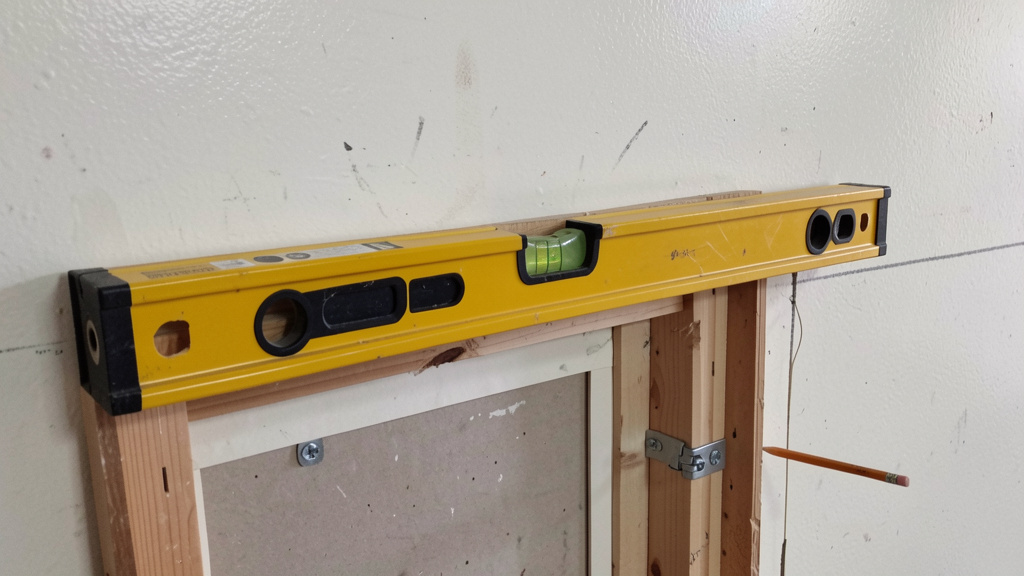
Stop Guessing and Start Solving: A Step-by-Step System to Diagnose, Correct, and Prevent Crooked Mounts on Any Surface
That subtle tilt in your bookshelf. The persistent lean of your favorite photograph. The wobble in your newly installed bathroom shelf. These aren’t minor annoyances—they disrupt visual harmony and quietly affect your sense of order. Most DIY guides offer quick patches: shove a business card behind the frame, tighten a screw, call it a day. But temporary fixes ignore underlying causes, often leading to repeated frustration or surface damage. This guide introduces a structured, adaptable framework informed by established principles of structural behavior, material properties, and mounting best practices. You’ll learn to diagnose thoughtfully, correct with appropriate precision, and implement practical prevention strategies applicable across surfaces, objects, and constraints—without risking wall damage or safety.
Introduction
Human perception naturally seeks alignment. Environmental psychology research indicates that visible asymmetry in living spaces can contribute to subtle cognitive unease. Yet uneven mounts persist because solutions are often fragmented: picture-hanging advice overlooks shelf mechanics; shelf guides skip wall assessment; fixture instructions assume ideal surfaces. This gap leaves many cycling through ineffective fixes. Lasting resolution begins with understanding why unevenness occurs—not just masking symptoms. This framework integrates widely recognized principles from mounting practice, material behavior, and spatial awareness into a repeatable process. It respects your time, your surfaces, and your objects. Whether securing a lightweight frame or a substantial shelf system, core diagnostic and correction concepts remain consistent. References to standards like the International Residential Code (IRC) for structural context and conservation guidelines for art handling reflect broader professional alignment—not prescriptive mandates for every home scenario. This approach prioritizes thoughtful action over perfectionism, fostering environments where function and visual comfort coexist.
The Precision Framework: Diagnose, Correct, Prevent
Imagine adjusting a symptom without understanding its origin. Most uneven-mount attempts follow this pattern—repositioning hooks or tightening screws without addressing the interaction between surface, hardware, and object. The Precision Framework offers a structured sequence to build clarity before action. Each phase builds on the previous; skipping steps may lead to incomplete resolution. This system is designed around three recurring categories of mounting challenges: surface geometry, hardware suitability, and object characteristics. Unlike isolated tips, this process cultivates transferable insight. You’ll return to these steps across future projects, adapting them to your tools, constraints, and confidence level.
Phase 1: Diagnose the Root Cause (The Detective Work)
Diagnosis prevents wasted effort and unintended damage. Rushing to “fix” without assessment often compounds the issue. Invest 5–10 minutes here. This phase follows a logical sequence—surface first, then hardware, then object behavior.
Step 1: Assess the Mounting Surface Thoughtfully
Walls are rarely perfectly flat planes. Drywall seams create subtle ridges; plaster develops gentle undulations over time; tile surfaces follow grout-line topography. Variations of up to 1/8 inch over a 4-foot span are common in residential construction—enough to affect alignment. Begin with the Straightedge Assessment:
- Tools needed: A straightedge (4-foot level, straight board, or metal ruler), flashlight, pencil.
- Method: Press the straightedge vertically against the wall precisely where mounting hardware contacts. Shine a flashlight sideways across the gap. Light leakage reveals high or low spots. Mark deviations lightly with pencil. Repeat horizontally at mounting height.
- Critical nuance: Test only at actual contact points—not adjacent “flat” areas. A bracket resting on a barely perceptible high spot will tilt the entire assembly.
- Surface-aware observations:
- Drywall: Tap gently. Hollow sounds suggest stud locations; solid thuds may indicate backing or patching. Note “nail pops” (protruding fasteners) near mounts.
- Plaster: Look for fine cracks near mounts—possible signs of substrate movement. Plaster-over-lath surfaces often have gentle contours; expect minor variations.
- Tile/Stone: Slide a thin strip of paper or plastic behind the straightedge to sense gaps. Grout lines create micro-ridges affecting contact.
- Concrete/Brick: Run your palm slowly across the surface. Bumps may indicate mortar ridges; dips could signal uneven joints or spalling.
- Common diagnostic oversight: Small levels (under 12 inches) miss large-scale undulations. Whenever possible, verify with the longest straightedge available.
- Illustrative example: A floating shelf mounted in a kitchen tilts immediately. A 12-inch level shows “level” at the bracket. A 4-foot straightedge reveals a subtle dip precisely where the left bracket contacts the wall—likely from a previous repair. Diagnosis redirects effort from endless bracket tweaking to targeted surface compensation.
Step 2: Evaluate Hardware and Installation Context
Hardware limitations frequently contribute to unevenness. Approach this systematically:
- Bracket/Anchor Inspection:
- Visual: Check for bent metal, stripped screw heads, cracked anchors, or corrosion. Shine light into anchor holes—debris or crumbling material suggests compromise.
- Tactile: Gently wiggle brackets (with item supported). Excessive play indicates anchor slippage or undersized hardware. Compare left/right bracket alignment before removing the item. Are screw holes elongated? Is one bracket mounted higher?
- Measurement: Verify bracket arm lengths match. Minor manufacturing variances (sometimes near 1/32 inch) can induce tilt when paired.
- Screw and Fastener Considerations:
- Length: Screws should penetrate solid backing sufficiently (typically 1–1.5 inches into wood studs) or use anchors rated for the load and substrate.
- Diameter & Fit: Screws should match bracket hole size. Oversized holes create play; undersized screws strip easily.
- Type: Match anchor type to wall material (toggle-style for hollow walls, masonry anchors for brick/concrete). Drywall screws alone lack shear strength for shelf loads—structural screws are preferred for stud mounting.
- Installation Context Clues:
- Leveling check: Hold a level against old screw holes or pencil marks. Were initial reference lines level?
- Stud alignment: Use a stud finder to confirm brackets contacted solid backing. Off-center hits can cause flex.
- Load distribution: Heavy items concentrated on one side may induce gradual tilt over time due to leverage effects.
- Illustrative scenario: A mirror mounted with basic plastic anchors in drywall slowly tilts downward. Inspection shows anchors have shifted as the drywall compressed under sustained weight—a sign the hardware was not suited to the load or substrate. Diagnosis shifts the solution from re-leveling to appropriate hardware selection.
Step 3: Classify the Type of Unevenness
Precise description guides correction strategy:
| Type of Unevenness | Visual Description | Typical Cause | Diagnostic Clue |
|---|---|---|---|
| Tilt (Roll) | Entire item slopes left/right | Uneven bracket height; surface slope at contact points | Bubble level shows consistent slope across the item |
| Sag (Pitch) | Center dips downward; ends remain level | Insufficient support span; material flex; overload | Straightedge shows concave curve, especially under weight |
| Twist (Yaw) | One corner high, opposite corner low | Warped item; uneven surface at corners; misaligned brackets | Level shows slope on both horizontal and vertical axes |
| Lean | Top protrudes farther than bottom (or vice versa) | Bracket depth mismatch; wall not plumb; item back uneven | Measure distance from wall to top vs. bottom of item |
| Wobble | Item shifts when touched; feels unstable | Loose hardware; compromised anchors; inadequate backing | Audible movement; visible play at connection points |
- Critical distinction: Sag occurs within the item (e.g., a long shelf bowing under weight). Tilt occurs at the mounting interface. Correcting sag requires item reinforcement; correcting tilt requires mount adjustment. Misdiagnosis leads to ineffective efforts.
- Practical tip: Photograph the item with a level resting on it. Overlaying a grid in a photo app can provide objective reference. Even slight deviations (around 2 degrees) may be noticeable in prominent locations; greater angles typically warrant correction. This objectivity helps avoid “leveling fatigue” where repeated adjustments cloud perception.
The Guiding Insight: Visible unevenness usually reflects a specific interaction between surface geometry, hardware performance, and object characteristics. Careful observation of this interaction clarifies the most appropriate path forward.
Phase 2: Correct with Precision (The Surgical Fix)
Correction must align with your diagnosis. Never proceed without completing Phase 1. Safety first: Wear safety glasses. For electrical fixtures, turn off power at the breaker and verify with a non-contact voltage tester. For items over 25 lbs, have a helper support the load during adjustments. If work involves electrical boxes, plumbing, or structural elements beyond surface mounting, consult a qualified professional.
Step 1: Select Your Correction Strategy Pathway
Your diagnosis determines the most suitable path. Choose one primary approach:
- Path A: Micro-Adjustment (For minor tilt with secure anchors)
- When suitable: Brackets are tight; wall is sound; deviation is slight. Ideal for frames, lightweight shelves.
- Why it works: Uses small tolerances in hardware (screw holes, slots) for fine-tuning. Non-invasive; preserves wall integrity.
- Limitation: Not for sag, twist, wobble, or major deviations. Fails if anchors are compromised.
- Path B: Shim Correction (For surface irregularities or bracket mismatches)
- When suitable: Diagnosed wall dip/bump at contact point; minor bracket height variance; slight twist.
- Why it works: Shims compensate for surface geometry without relocating hardware. Preserves existing anchor points.
- Limitation: Requires access behind item; shims must be rigid and appropriate for load.
- Path C: Hardware Replacement (For compromised anchors, undersized hardware, or significant errors)
- When suitable: Wobble present; anchors damaged; hardware mismatched to load or substrate; sag due to inadequate support.
- Why it works: Addresses foundational causes. Creates a more reliable installation.
- Limitation: Requires patching old holes; more time-intensive.
-
Path D: Item Modification (For inherent item flaws: warp, sag, uneven back)
- When suitable: Item itself is distorted (warped wood, bent frame); surface and hardware are sound.
- Why it works: Corrects the source of unevenness rather than compensating at the wall.
- Limitation: May require specific skills; not always feasible for delicate items.
-
Decision flow (mental model):
Notice wobble? → YES → Path C (Hardware Replacement)
No wobble? → Measure deviation: Very slight? → YES → Path A (Micro-Adjust)
Noticeable deviation? → Check wall with straightedge at contact points: Irregularity present? → YES → Path B (Shim)
Wall appears uniform? → Check item flatness: Warped or sagging? → YES → Path D (Modify Item)
Uncertain or multiple factors? → Path C (Hardware Replacement) is often the most reliable reset.
Step 2: Apply Correction Techniques Thoughtfully
Your tools and materials should match project scale and constraints. Below is a practical toolkit guide—select what fits your situation.
| Tool Category | Recommended Approach | Budget-Conscious Option | Temporary Solution | Key Consideration |
|---|---|---|---|---|
| Leveling | 24–48″ level with clear vials | 12″ level + smartphone app calibrated against a known flat surface | Water level (clear tube filled with water; mark equal heights at ends) | Verify level accuracy first: Place on flat surface, note bubble, rotate 180°. Bubble should remain centered. |
| Shimming | Precision plastic shims (various thicknesses, tapered) | Cardstock, plastic lid scraps cut to size | Folded aluminum foil (for micro-gaps only; not for weight-bearing) | Avoid compressible materials (like paper alone) under load. Layer plastic over paper if needed for stability. |
| Anchoring | Toggle bolts (hollow walls), structural screws (studs), masonry anchors (brick/concrete) | Heavy-duty plastic anchors rated above expected load | Toothpicks + wood glue in stripped wood holes (temporary fix only) | Match drill bit size precisely to anchor specs. Oversized holes drastically reduce holding power. |
| Measurement | Tape measure, combination square | String line with weight (plumb bob); ruler apps with calibration check | Visual alignment against adjacent level surface (e.g., window frame) | Measure at the exact mount point. Wall texture can deceive the eye. |
| Support | Helper, temporary bracket, clamp | Sturdy stack of books, box cut to height | Rolled towel (light items only; use with caution) | Support the item near its center of gravity during adjustments to reduce stress on mounts. |
-
Shim application deep dive
Shims bridge small gaps between bracket and wall. For a shelf bracket sitting slightly low on the left:- Remove shelf contents. Support shelf securely.
- Loosen (don’t remove) left bracket screws.
- Insert appropriately sized shim behind bracket foot at the low point.
- Retighten screws gradually, alternating between screws to avoid twisting the bracket.
- Re-check level on the shelf surface. Add or adjust shims incrementally.
Why this works: The shim fills the void, allowing the bracket to sit flush and transfer load evenly. For frames, use ultra-thin shims behind hanging hardware on the high side. Test with a business card—if it slides freely behind the frame on one side, that side likely needs compensation.
-
Path A Execution: Micro-Adjustment Technique
Ideal for picture frames with wire or sawtooth hangers:- Leave frame hanging. Place level on top edge.
- Note which side is high.
- For wire hangs: Slide wire slightly toward the low side on the frame’s attachment points. This shifts the balance point. Re-hang and re-check.
- For sawtooth hangers: Gently bend the teeth downward on the high side using needle-nose pliers (minimal adjustment). Test incrementally.
- For D-rings: Loosen screw on high side slightly, adjust D-ring position minutely, retighten.
Key nuance: Adjust the hanging hardware on the frame, not the wall hook. Moving the hook often worsens alignment. This method preserves wall integrity and is often effective for minor frame tilt.
-
Path B Execution: Strategic Shim Placement
For a shelf bracket against a wall dip:- Support shelf securely. Remove screws from the affected bracket.
- Clean wall surface and bracket foot.
- Cut shim to bracket foot size. Stack shims to approximate the dip depth noted in Phase 1.
- Apply a tiny dot of removable adhesive (e.g., poster putty) to hold shim on bracket.
- Re-mount bracket through the shim into the original hole. Tighten evenly.
- Verify level on the shelf surface, not just the bracket.
Adaptation: For floating shelves with internal cleats, shims go between the wall cleat and wall. Use non-marring materials (felt-backed shims) to avoid scratching finishes. On tile, silicone shims can conform gently to grout lines.
-
Path C Execution: Hardware Replacement Protocol
When anchors are stripped or undersized:- Remove item and old hardware completely.
- Patch old holes properly: For drywall, fill hole with setting-type joint compound. Insert a small wood sliver or plastic fragment as a “key.” Let cure fully per product instructions. Sand smooth. Skipping proper patching often leads to repeat failure.
- Select new hardware suited to substrate and load:
- Hollow wall: Toggle-style anchor rated for the load.
- Stud: Structural screw of appropriate length.
- Masonry: Anchor designed for brick/concrete.
- Drill new hole at least 1 inch away from patched area. Verify depth.
- Install new anchor per manufacturer guidance. Avoid overtightening.
- Re-mount using Phase 3 prevention techniques.
Illustrative scenario: A bathroom shelf repeatedly tilted due to anchors failing in moisture-affected drywall. Solution: Patched holes thoroughly, installed corrosion-resistant toggle anchors rated for wet locations, and applied a minimal bead of silicone sealant around anchor heads to reduce moisture exposure. The shelf remained stable through normal humidity cycles.
-
Path D Execution: Addressing Item Flaws
For a sagging wooden shelf:- Remove shelf. Confirm sag on a flat surface.
- For solid wood: Lightly dampen the concave (sagging) side, clamp over a form with a slight upward curve. Allow to dry slowly (24–72 hours).
- For engineered wood (MDF, particleboard): Sag is often permanent. Reinforce the underside:
* Recommended: Attach aluminum angle stock along the front edge with adhesive and screws.
* Alternative: Glue and screw a thin wood strip (e.g., 1×2) along front and back edges.
* Support option: Install a center support bracket underneath (requires wall access). - For warped frames: Place face-down on a slightly damp cloth. Apply gentle, even weight to high corners. Monitor frequently. Never force-bend antique or valuable frames—consult a conservator.
Material insight: Sag occurs when load exceeds the material’s ability to resist bending. Reinforcement increases stiffness. Adding support along the edge significantly improves resistance to deflection.
Step 3: Execute Correction with Care
Regardless of path, follow this universal sequence:
1. Support: Securely hold the item at its balance point. Never rely on failing mounts.
2. Loosen Gradually: Back out screws incrementally, alternating between fasteners to avoid binding.
3. Apply Correction: Insert shims, adjust hardware, or position new anchors.
4. Tighten Incrementally: Snug screws in a star pattern. Final tighten should require firm pressure but not straining.
5. Verify in Stages: Check level after initial snug, after final tighten, and after adding light weight.
6. Stress Test: Gently apply pressure to corners. Listen for movement or creaks.
7. Final Load: Add weight gradually, especially for heavy items.
- Critical safety note: For overhead fixtures (lights, fans), always use secondary support (safety cable, helper) during correction. Falling fixtures pose serious injury risks. If electrical work beyond simple mounting is needed (rewiring, box replacement), hire a licensed electrician. Safety is paramount.
Phase 3: Prevent Future Unevenness (The Proactive Shield)
Prevention builds confidence for future projects. These adaptable protocols, drawn from common professional practices, significantly reduce the likelihood of recurring issues. Integrate relevant steps into every mounting project—new or corrected.
Step 1: Pre-Installation Surface Assessment
Don’t assume wall readiness. Assess proactively:
Flatness Check: Run your straightedge vertically and horizontally across the intended mounting zone. Note deviations greater than 1/16 inch.
Surface Preparation Options:
* Dips: Fill with spackling compound. Sand smooth after drying. Re-check.
* High spots: Lightly sand with fine-grit paper. Wipe away dust.
* Tile/Stone: Apply a minimal bead of clear silicone to bracket feet before mounting. It compresses to fill micro-gaps without visible residue.
Stud Verification: Use a stud finder. Confirm edges. Mark center with painter’s tape. Tip: Drill a tiny pilot hole at the mark; insert a thin wire to confirm solid backing and avoid false positives from pipes or wires.
Moisture Awareness (bathrooms/kitchens): Press blue painter’s tape firmly on the wall for 60 seconds. Peel quickly. If tape feels damp or leaves residue, address moisture concerns before mounting—use moisture-resistant anchors and sealants where appropriate.
Step 2: The Double-Check Mounting Method
This technique reduces human error during installation:
1. Dry-Fit First: Hold item against wall at desired height. Use a level on the item itself. Trace outline lightly in pencil.
2. Transfer Marks Precisely: Place level on the traced line. Draw a perfectly level reference line along the level’s edge.
3. Bracket Alignment: Position brackets against the reference line. Trace screw holes. Double-check: Place level on bracket arms before drilling.
4. Pilot Holes: Drill pilot holes for wood studs (prevents splitting). Use correct bit size for masonry.
5. Temporary Mount Test: Install brackets without the item. Place level on brackets. Verify level and equal height between brackets. Adjust if needed.
6. Final Mount: Install item. Re-check level under light load.
Why this works:* Separating bracket alignment from item placement isolates variables. The reference line provides an objective guide. This method is especially valuable for items where alignment is highly visible.
Step 3: Long-Term Maintenance Awareness
Even well-installed items face environmental factors:
Periodic Checks: Humidity and temperature shifts affect materials. Consider checking heavy shelves and safety-critical items seasonally (e.g., spring/fall). Place a level on the surface; note changes.
Load Management: Distribute weight evenly. Avoid concentrating heavy items at shelf ends (increases leverage-induced sag). For bookshelves, place heavier books near the center or against the wall.
Vibration Consideration: Items near doors, appliances, or high-traffic areas experience micro-movements. For critical mounts, thread-locking adhesive (Loctite Blue) on screw threads can help maintain tension.
Visual Reference: Take a photo of the perfectly level item with a level resting on it. Save it. When uncertainty arises later, compare to the photo—perception can adapt to gradual changes.
Illustrative adaptation:* In settings where vibration is a concern (e.g., near a frequently used door), a tiny, removable dot of museum wax or poster putty on the bottom corners of a frame (where it meets the wall) can provide micro-friction to resist slippage. Remove cleanly when needed.
Deep Dive: Fixing Uneven Shelves (Bracket, Floating, Built-In)
Shelves present unique challenges due to span, load, and visibility. Apply the Precision Framework with shelf-specific considerations.
Bracket Shelves: Addressing Classic Tilt
- Diagnosis focus: Verify if both brackets are level relative to each other. Individual bracket level doesn’t guarantee the shelf sits level if bracket heights differ. Measure vertical distance from a consistent reference (e.g., floor) to the top of each bracket arm. A difference exceeding 1/16 inch typically causes visible tilt.
- Correction approach:
- Micro-adjust: If bracket holes are slotted, loosen shelf board screws and slide the board slightly toward the low side. Retighten.
- Shim: Place shim under the low bracket’s wall contact point. Thickness should match the measured height difference.
- Reset: If brackets are significantly mismatched, remove both. Use a story pole (scrap wood marked with bracket positions) to transfer identical heights to the wall. Re-mount.
- Prevention insight: When marking bracket positions, a laser level projected horizontally provides a consistent reference line across textured walls. For spans over 36 inches, consider adding a center support bracket. Engineering principles indicate that deflection increases significantly with span length; shorter spans or added support greatly improve stability.
Floating Shelves: Navigating Hidden Mounts
Floating shelves conceal their mounting system, complicating diagnosis. Unevenness usually originates at the wall cleat.
- Diagnosis protocol:
- Remove shelf per manufacturer instructions (often sliding forward).
- Place level directly on the exposed wall cleat. Check front-to-back and left-to-right level.
- Inspect cleat mounting screws. Are they tight? Are anchor holes compromised?
- Check shelf cavity: Place a straightedge inside the channel. Is it straight?
- Correction strategies:
- Cleat tilt: Shim behind the cleat at the low end. Use shims cut to cleat width. Re-mount cleat through shims.
- Cleat twist: Requires cleat removal. Patch old holes properly. Re-mount cleat using the Double-Check Method with a level reference.
- Shelf warp: Place heavy, flat weights on the shelf overnight on a flat surface. For persistent warp, reinforce the internal channel.
- Prevention step: Before final cleat installation, perform a “dry slide”: Insert the shelf onto the cleat without securing it. Check level and alignment. Adjust cleat position if needed. For heavier floating shelves, a French cleat system offers inherent self-alignment and even load distribution.
Built-In and Cabinet Shelves: System Integration
Built-ins interact with cabinetry, introducing compound variables.
- Diagnosis: First verify if the cabinet box is level. An unlevel cabinet will cause unlevel shelves. Use a level on the cabinet top and sides. Check shelf pin holes—are they aligned? Misaligned holes cause shelf tilt regardless of shelf flatness.
- Correction:
- Unlevel cabinet: Shim under the cabinet base (requires access underneath). Use adjustable leveling feet if available.
- Misaligned pin holes: Fill incorrect holes with wooden dowel and wood glue. Drill new holes using a drill guide aligned with a level line.
- Sagging shelf: Install metal shelf standards (vertical tracks with adjustable pins) inside the cabinet. Replace the fixed shelf with an adjustable one. Standards transfer load to cabinet sides, reducing sag.
- Pro insight: Using a “story stick”—a single piece of wood marked with all critical measurements (shelf heights, cabinet depth)—ensures consistency when transferring marks to wall and cabinet, minimizing cumulative measuring errors.
Deep Dive: Straightening Crooked Frames and Artwork
Frames tilt due to physical interactions, not intent. Understanding these helps choose the right solution.
Why Frames Shift: Common Factors
- Wire Hangs: Wire can stretch or shift under weight. Attachment points create a suspension triangle; if wire length or attachment heights are uneven, the frame finds a new resting position. The frame hangs perpendicular to the line between wall hooks—if hooks aren’t level, the frame tilts.
- Sawtooth Hangers: Teeth can gradually dig into softer wall surfaces, especially on the weighted side, causing slow downward shift.
- D-Rings and Strap Hangers: More stable, but if mounted at different heights on the frame, immediate tilt occurs.
- Environmental Factors: Humidity fluctuations affect wood frames and wire tension. Vibration from doors or foot traffic can nudge frames incrementally over time.
Correction Without Remounting (Quick Adjustment)
For minor tilt on wire-hung frames:
1. Leave frame hanging.
2. Slide wire toward the low side of the frame on both attachment points. This adjusts the balance point.
3. Re-check level. Repeat in small increments.
4. Alternative: Place a tiny piece of removable poster putty on the bottom corner of the frame on the high side. Creates micro-friction against the wall.
Why this works:* You’re adjusting the relationship between the frame’s center of gravity and suspension points. No wall damage occurs. Test with a lightweight frame first. For valuable or antique artwork, consult a professional framer before adjusting.
Hanging Protocol for Better Initial Alignment
Prevent tilt from the start:
1. Hardware Consideration: Replace flimsy wire with braided steel cable and D-rings mounted approximately one-third down from the top of the frame. D-rings stay fixed; less slippage.
2. Frame Hardware Placement:
* Measure frame width. Mark center on the back.
* Position D-rings inward from each side (about one-third of frame width).
* Mount D-rings at identical heights using a small square for reference.
3. Wall Hook Placement:
* Determine desired top-of-frame height.
* Measure down from top of frame to D-ring attachment point (distance “Y”).
* On wall, mark points at (desired height – Y).
* Use a level to mark two points horizontally at this height, spaced to match D-ring distance.
* Install hooks precisely on these marks.
4. Verification: Before hanging the frame, tie a string between hooks. Place a level on the string. Verify level. Adjust hooks if needed.
Adaptation:* For dedicated gallery walls, a picture rail near the ceiling with adjustable cords eliminates wall hook alignment issues entirely—a solution adaptable for home use where appropriate.
Special Considerations: Heavy Frames, Canvas, Antiques
- Heavy Frames (over 10 lbs): Use two wall hooks minimum. For very heavy pieces, a French cleat system mounted securely to frame and wall provides self-alignment and even weight distribution.
- Canvas Floater Frames: Often lack hardware. Install D-rings on the stretcher bar (not the visible floater frame) using appropriate screws. Ensures weight transfers to sturdy internal structure.
- Antique Frames: Avoid modifying original hardware. Consult a conservator for valuable pieces. Temporary stabilization: Use conservation-grade mounting putty (e.g., QuakeHold) on bottom corners to resist vibration. Document condition before any action.
- Mirrors: Verify the mirror is seated evenly within its frame. A shifted mirror can create an optical illusion of frame tilt. Adjust mirror clips first if accessible.
Deep Dive: Stabilizing Wobbly Fixtures (Lighting, Cabinets, Towel Bars)
Fixtures involve safety considerations. Wobble indicates potential instability. Address promptly and cautiously.
Light Fixtures: Safety-First Approach
- Diagnosis protocol (POWER OFF FIRST):
- Turn off circuit breaker. Verify with a non-contact voltage tester.
- Remove fixture shade/globe. Inspect mounting bracket.
- Check: Are screws tight into the electrical box? Is the box secure to framing? Does the box move?
- Critical: Is the electrical box rated for the fixture’s weight? Older plastic boxes may not support heavier fixtures.
- Correction pathways:
- Loose bracket screws: Tighten with correct screwdriver. If stripped, replace screws with appropriately sized ones (if box depth allows).
- Wobbly electrical box:
- If accessible: Secure box to framing with an approved bracket.
- If not accessible: Installing a new fan-rated or old-work brace box may be necessary. This often requires drywall repair. Do not ignore significant box movement—consult a licensed electrician.
- Fixture base not flat: Place a thin rubber gasket (cut from a jar opener) between fixture base and ceiling/wall. Compresses to fill gaps without stressing components.
- Prevention insight: For new installations, ceiling fan-rated boxes are designed for heavier loads and secure directly to framing. For wall sconces, ensure the electrical box is flush with the wall surface—protruding boxes prevent proper seating.
Wall Cabinets and Vanities: Addressing Instability
Cabinet wobble poses safety risks. Diagnose thoroughly.
- Diagnosis sequence:
- Empty cabinet completely.
- Open doors. Push cabinet top firmly left/right. Note movement direction.
- Check mounting screws: Are they anchored into studs? Verify with a stud finder.
- Inspect wall behind cabinet (if possible): Look for cracks, moisture damage, or compromised substrate.
- Check cabinet back panel: Is it intact? Warped? Are screws loose?
- Correction strategies:
- Screws not in studs: Remove cabinet. Patch holes. Re-mount using a ledger board method:
- Cut a straight 1×3 board to cabinet length.
- Level and screw ledger board securely into studs at cabinet bottom height.
- Rest cabinet on ledger. Secure top to wall studs. The ledger carries primary weight; top screws prevent tipping.
- Stripped screw holes in cabinet: Inject wood glue into hole. Insert toothpicks or wooden matchsticks until snug. Break off flush. Re-drill pilot hole. Screws regain grip.
- Uneven wall: Shim between cabinet back and wall at mounting points. Use rigid plastic shims; avoid compressible materials under load.
- Screws not in studs: Remove cabinet. Patch holes. Re-mount using a ledger board method:
- Safety note: For cabinets over appliances (stove, sink), stability is critical. If correction efforts don’t eliminate wobble, consult a qualified cabinet installer. Safety outweighs DIY persistence.
Towel Bars, Shelves, and Grab Bars: Moisture and Use Challenges
Bathrooms combine moisture, frequent use, and vibration—challenging for mounts.
- Diagnosis focus: Check for moisture damage around mounts. Soft, crumbly drywall or musty odors indicate water intrusion.
- Correction protocol:
- Remove fixture.
- Cut out damaged drywall section. Replace with moisture-resistant drywall patch.
- Install a solid wood backing block between studs behind the patch location.
- Use corrosion-resistant anchors and screws.
- Apply a minimal bead of silicone sealant around the fixture base after mounting to reduce moisture ingress.
- Grab bar specific: These are safety-critical. Never mount solely to drywall. Anchors must secure into solid blocking between studs or use specialized anchors explicitly rated for dynamic loads (e.g., WingIts). After installation, test rigorously—apply firm downward pressure. If any movement occurs, reinstall correctly. When uncertain, hire a qualified professional. Safety depends on proper installation.
Navigating Complex Scenarios: Adaptive Solutions
Real-world situations sometimes require nuanced approaches. These strategies address common friction points.
Scenario: “My wall has significant unevenness—shims feel insufficient.”
- Context: Historic plaster walls with noticeable contours; concrete block walls with deep mortar joints.
- Adaptive solution: Install a “leveling ledger.”
- Identify the lowest point in the mounting zone.
- Cut a straight 1×4 board to span the width.
- Shim the ledger at multiple points until perfectly level (use level and feeler gauges).
- Secure ledger to wall with anchors appropriate for the substrate.
- Mount shelf brackets or fixture to the ledger, not directly to the wall.
Why it works: The ledger creates a new, level mounting plane. Cabinet makers have used this method for decades on uneven surfaces. Paint the ledger to blend with the wall. For floating shelves during renovation, a hidden steel ledger inside the wall cavity provides a solid foundation.
Scenario: “I’ve patched anchor holes multiple times—they won’t hold.”
- Context: Repeated patching has weakened the substrate; the hole is too large for standard repair.
- Advanced repair technique: Epoxy Plug Method.
- Clean hole thoroughly. Remove all debris.
- Mix two-part epoxy putty per instructions.
- Roll putty into a rod slightly larger than the hole. Insert deeply.
- Immediately screw a sacrificial screw (same size needed) into the epoxy to form threads.
- Let cure fully per epoxy instructions (typically 24 hours).
- Remove sacrificial screw. Install new anchor/screw into the cured epoxy.
Note: Epoxy creates a strong bond with the substrate. For critical mounts (grab bars), this method is often more reliable than repeated patching. Always follow product safety guidelines.
Scenario: “The item is valuable or antique—I’m hesitant to adjust it.”
- Context: Fear of damaging irreplaceable items.
- Conservator-informed approach:
- Document first: Photograph the item from multiple angles. Note current condition.
- Minimal intervention: For frames, use removable putty on bottom corners. For shelves, place micro-shims under the item on the shelf surface—not behind brackets.
- Consult: Contact a professional conservator (directories available through organizations like the American Institute for Conservation). Many offer remote guidance.
- Perspective: Sometimes, accepting slight, stable imperfection that preserves the item’s integrity is preferable to pursuing perfect alignment that risks damage. A slightly tilted family heirloom retains its value and story.
Ethical note: Conservation prioritizes preservation. Avoid adhesives, force, or irreversible methods on antiques without expert guidance.
Scenario: “I rent—I can’t patch holes or modify walls.”
- Context: Lease restrictions limit permanent solutions.
- Renter-friendly strategies:
- Frames: Use adhesive hooks rated for the weight (e.g., 3M Command™). Follow surface prep instructions exactly (clean with alcohol, wait). Remove per instructions to minimize damage. For tilt, adjust wire on the frame.
- Shelves: Use tension rod shelves inside cabinets or between walls. No wall contact required.
- Minor visual tilt: Place discreet felt pads on the back of the item at the high corner. Creates a micro-gap for visual alignment. Removable.
- Critical: Review lease terms. Get landlord permission in writing for any mounting. Document wall condition with photos before moving in. Prevention through furniture selection (e.g., units with integrated storage) reduces mounting needs.
Knowing When to Seek Professional Help
Your safety and property matter most. Consult a qualified professional when:
You observe cracks radiating from mounting points wider than 1/16 inch—possible structural concern.
Electrical boxes move significantly, feel loose, or you detect burning smells near fixtures.
Mounting involves load-bearing walls, plumbing lines, or electrical conduits you cannot safely avoid.
The item is extremely valuable (art, antique), very heavy (over 50 lbs), or safety-critical (grab bars, child safety gates).
You lack confidence after two careful attempts using this framework.
Wall substrate shows severe damage (water intrusion, crumbling plaster).
Professionals possess specialized tools (stud scanners with wire detection, moisture meters), insurance, and experience with complex scenarios. Seeking help is responsible stewardship, not failure. A modest professional fee can prevent costly repairs or injury.
Your Questions, Answered
Q: Can I fix a crooked shelf without removing everything from it?
A: For very minor tilt with secure brackets and light loads, micro-adjustment might work: Loosen bracket screws slightly, gently tap the shelf toward the high side, re-tighten incrementally while checking level. However, this carries risk. If brackets feel loose, anchors are questionable, or the shelf is heavily loaded, always remove items first. Safety and preventing sudden failure outweigh convenience. For sagging shelves, unloading is essential—adding weight during adjustment increases failure risk.
Q: My picture frame is level when hung, but looks crooked to my eye. Why?
A: This is often an optical illusion. Check if: 1) The wall itself isn’t plumb (verify with a level on a nearby door frame), 2) Baseboards or moldings are uneven, creating misleading reference lines, 3) Furniture below isn’t level. Place a large level directly on the floor beneath the frame. In older homes with subtle floor or wall slopes, your brain may use these as references, making a truly level frame appear crooked. Solution: Hang the frame level to a true level reference (not the room’s features). Accept that in some historic structures, perfect visual alignment with all surrounding elements isn’t always achievable—and that’s okay. Function and safety matter most.
Q: What’s the best way to patch holes from old anchors before remounting nearby?
A: For small holes (<1/4″): Fill with setting-type joint compound using a syringe or putty knife. Insert a small wood sliver or plastic fragment as a “key” for the new anchor. Let cure fully per product instructions. Sand smooth. For larger holes or repeated failures: Cut a 2″x2″ drywall patch. Trace and cut out the damaged section. Insert a wood backing block behind the opening, screw it to the existing drywall. Screw the patch into the backing block. Tape, mud, sand. This creates a solid substrate. Critical: Allow patch to cure completely (24–48 hours) before drilling new holes. Rushing compromises the repair.
Q: How do I know if my wall is strong enough for a heavy shelf?
A: Wall strength depends on what the anchors contact. Drywall alone provides minimal support—anchors must engage studs or use heavy-duty toggles rated for the load. For a shelf holding 50+ lbs: 1) Locate studs with a reliable stud finder; mount brackets directly into studs using appropriate screws. 2) If no studs align, use multiple toggle anchors rated collectively for significantly more than the expected load (e.g., four anchors rated 75 lbs each for a 100-lb shelf). 3) For plaster walls over wood lath, anchors may grip better than in drywall—but verify lath condition first. Building codes like the IRC provide context for structural fastening; while shelves aren’t structural, these principles inform safe practices. When load exceeds 75 lbs or involves safety (grab bars), professional assessment is strongly recommended.
Q: Will humidity or temperature changes make my corrected shelf go crooked again?
A: Wood shelves can respond to humidity shifts; metal brackets have minimal expansion. Prevention helps: 1) Use engineered wood (plywood, MDF) shelves—they resist warping better than solid wood. 2) Seal all shelf surfaces (including edges) with a finish to reduce moisture absorption. 3) Install in climate-controlled areas when possible; avoid exterior walls in very humid climates. 4) Acclimate wood shelves indoors for 48–72 hours before mounting. 5) Re-check level after significant seasonal changes. In most modern, climate-controlled homes, minor movement is uncommon. Noticeable recurring issues often indicate underlying problems like moisture intrusion, not normal environmental variation.
Q: Can I use a smartphone level app instead of a physical level?
A: Smartphone apps can be useful if calibrated carefully, but have limitations. Steps: 1) Place phone on a known flat surface (granite countertop, quality table). 2) Open app, calibrate per instructions. 3) Verify accuracy by flipping phone 180°—reading should be consistent. 4) For critical work, cross-check with a small bubble level. Limitations: Phone cases add thickness; calibration can drift; apps lack the rigidity of a long level for checking large surfaces. Use apps for quick checks on frames or small items. For shelves, cabinets, or any project where precision affects safety or appearance, a quality physical level (even a basic 24-inch model) is a worthwhile investment that reduces frustration.
Q: Why do my plastic drywall anchors keep failing even when I follow instructions?
A: Plastic anchors can fail due to: 1) Hole size: A slightly oversized hole (from a dull drill bit) creates a loose fit. Use a sharp bit matched precisely to anchor specs. 2) Substrate condition: Anchors fail in damaged, moist, or thin drywall. Patch the substrate first. 3) Load type: Plastic anchors handle static weight poorly under shear force (sideways pull). For shelves, metal toggle or molly anchors grip drywall from behind more effectively. For frames under 10 lbs, plastic anchors can work if installed perfectly. Consider self-drilling metal anchors for better reliability. Remember: Anchor ratings assume ideal conditions—real-world performance may be lower. When in doubt, choose hardware rated higher than your estimated load.
Q: How do I fix a shelf that sags in the middle but is level at the ends?
A: Sag indicates the shelf material is flexing under load—not a mounting error. Solutions by severity: Mild sag (visible but <1/8″): Install a center support bracket underneath. Moderate sag (1/8″-1/4″): Reinforce the underside with aluminum angle stock glued and screwed along the front edge. Severe sag (>1/4″) or particleboard: Replacement is often the most reliable solution. Prevention for future: 1) Limit shelf span—max 36″ for 3/4″ plywood, 24″ for particleboard. 2) Use thicker material if span is long. 3) Add a front lip or nosing—it significantly increases stiffness. 4) For long spans, use shelf standards with adjustable pins instead of fixed brackets. Engineering insight: Reducing span length has a dramatic effect on reducing sag; shorter spans are often more effective than thicker material alone.
Q: Is it safe to mount a shelf on a wall with radiant heating pipes inside?
A: Extreme caution is required. Drilling into heating pipes causes serious damage and safety hazards. Steps: 1) Consult building plans showing pipe locations if available. 2) Use a thermal imaging camera (often rentable) to detect warm pipes behind walls before drilling. 3) If pipes are suspected, mount the shelf using surface-mounted brackets that attach only to studs away from pipe zones, or use a freestanding unit. 4) Never guess. When radiant heating is present, consult the original installer or a qualified plumber before drilling any holes. Safety must override convenience. Alternative: Install a decorative ledger board across the wall section (mounted securely to studs between confirmed pipe locations) and attach shelves to the ledger.
Q: My floating shelf sits level but wobbles slightly when touched. How do I stop this?
A: Wobble suggests play between shelf and cleat. Solutions: 1) Check cleat tightness: Ensure all cleat screws are fully tightened into solid backing. 2) Add friction: Apply a micro-thin layer of clear silicone adhesive to the top of the wall cleat. Slide the shelf on before the silicone skins over (5–10 minutes). Creates vibration-dampening contact without permanent bonding. Wipe excess immediately. 3) Mechanical lock: If the system has set screws on the shelf underside, tighten per manufacturer instructions. 4) Re-seat: Remove shelf, clean cleat and shelf channel with isopropyl alcohol, re-mount. Dust or debris can prevent full contact. Never force the shelf onto the cleat—it can crack the shelf material.
Q: Can I fix unevenness on a brick or stone fireplace mantel shelf?
A: Yes, with masonry-appropriate techniques. First, confirm the shelf itself isn’t warped (place on a flat floor). If the shelf is sound, unevenness likely comes from the wall surface. Correction: 1) Clean the mounting area thoroughly. 2) Use a construction adhesive rated for masonry and temperature fluctuations (check product specifications for fireplace proximity). 3) Apply adhesive in a continuous bead to the back of the shelf and wall contact points. 4) Press shelf firmly into place. Use shims at low spots to achieve level—remove shims after the adhesive sets per product cure time. 5) Support the shelf securely with temporary braces until fully cured (follow adhesive instructions, typically 24–72 hours). Critical: Never use standard drywall anchors in brick—drill into mortar joints (not bricks) only if anchors are necessary, using masonry bits and appropriate anchors. When in doubt, consult a masonry professional.
Q: How often should I re-check shelves and fixtures for unevenness?
A: A simple maintenance rhythm helps: 1) After installation: Re-check level after 24 hours (materials settle). 2) Seasonally: Check heavy shelves and safety-critical items (grab bars) at the start of spring and fall—humidity and temperature shifts affect materials. 3) After events: Check following minor seismic activity (if applicable), nearby renovations, or if new wall cracks appear. 4) When loading changes: Re-check after adding significant weight. For most household items in stable environments, an annual visual check suffices. Keep a small level accessible for quick verification. Prevention takes minutes; correction takes longer.
Conclusion and Next Step
You now have a adaptable system—not just isolated tips—to address uneven mounts with greater confidence. The Precision Framework shifts focus from quick fixes to understanding the interaction between surface, hardware, and object. This knowledge builds with each application. The next shelf you hang will benefit from your diagnostic awareness. The next frame will stay aligned with thoughtful hardware choices. You’ll view walls not just as surfaces, but as contexts requiring observation before action.
Recap: Three Foundational Principles
- Diagnosis guides action: Spend a few minutes identifying the specific cause (surface geometry, hardware suitability, item condition) before selecting tools. This prevents unnecessary wall damage and repeated efforts.
- Match the correction to the cause: Micro-adjust for minor alignment shifts; shim for surface variations; replace hardware for compromised anchors; address the item itself for inherent flaws. One-size-fits-all approaches rarely succeed.
- Integrate prevention: Assess wall readiness, use reference lines during installation, and implement simple maintenance checks. Thoughtful installation today reduces correction needs tomorrow.
The 24-Hour Rule
Within the next 24 hours, take one small, concrete step: Gather your basic leveling tools (even a simple level and straightedge). Select one slightly uneven item in your home—a picture frame, a small shelf, a towel bar. Apply only Phase 1: Diagnose. Assess the surface at contact points, evaluate the hardware condition, and classify the type of unevenness. Do not fix it yet. Simply note your findings: “Left bracket contact point sits slightly low due to wall contour; anchors feel secure.” This diagnostic habit forms the foundation for all future mounting confidence. Momentum begins with mindful observation.
The Broader Perspective
Precision in mounting reflects a broader intentionality in caring for your living space. Crooked elements can subtly signal neglect; level, stable mounts communicate respect for your environment. This isn’t about obsessive perfection—it’s about creating spaces that support calm, functionality, and confidence. Each time you apply this framework, you reinforce a mindset that extends beyond walls: observe carefully, address root interactions, build solutions that endure. Your home becomes a reflection of thoughtful action. The quiet satisfaction of a well-mounted shelf isn’t just about the shelf—it’s the confidence of understanding why it’s secure, and the readiness to make the next thing secure too.
Explore Our Complete System:
Mastering Wall Anchors: A Material-by-Material Guide | The Leveling Toolkit: Choosing Tools That Last | Structural Awareness: Engineering Principles for DIY Shelving | Wall Repair Fundamentals: From Pinholes to Major Damage | The Art of Visual Balance: Hanging Artwork with Confidence | Moisture-Resistant Mounting: Bathroom and Kitchen Installation Guide | DIY Safety Awareness: Knowing When to Call a Professional