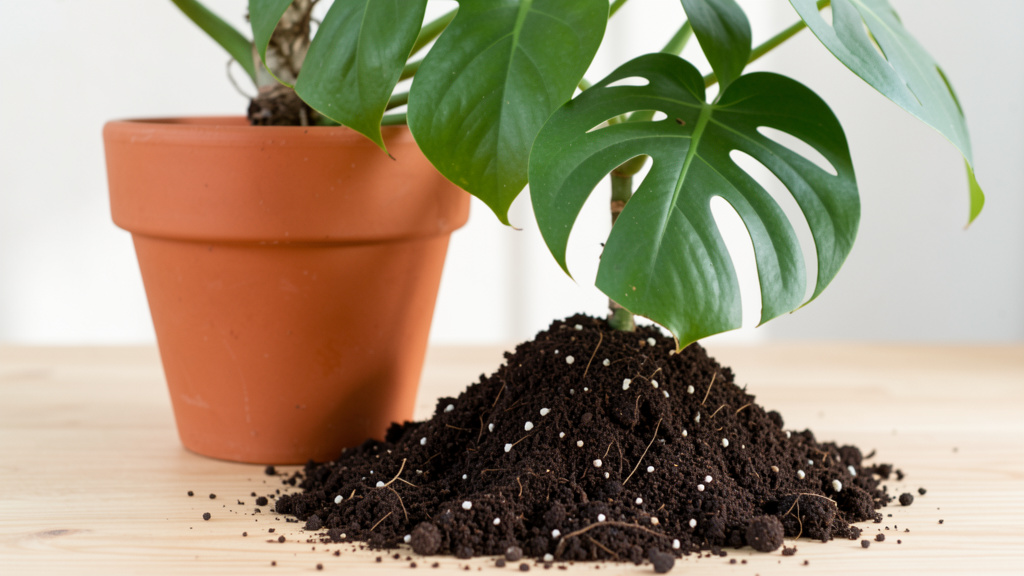
Cultivate confidence through observation and gentle action—transform repotting from uncertainty into a meaningful ritual that honors your plant’s unique needs and natural rhythms.
Repotting indoor plants represents a purposeful moment of connection between caregiver and plant. It is neither a routine chore nor a high-stakes intervention, but a responsive practice grounded in understanding the living ecosystem within the pot. Soil structure gradually shifts as organic matter decomposes; roots expand seeking space and nutrients; drainage efficiency evolves with time. These subtle changes rarely announce themselves dramatically, yet they shape a plant’s long-term vitality. This guide offers a clear-eyed, compassionate framework to recognize genuine repotting signals, execute the process with care, and support your plant through recovery. Drawing from established horticultural principles and widely observed plant responses, it replaces anxiety with awareness—helping you nurture thriving green companions through informed, intentional action.
Introduction: Listening to the Ecosystem in the Pot
Every potted plant exists within a self-contained environment where soil, roots, moisture, and air interact dynamically. Over months and years, this micro-ecosystem undergoes natural transitions: soil particles break down, reducing vital air pockets roots need for respiration; nutrient-binding capacity diminishes despite regular feeding; roots may begin circling the container’s interior; drainage pathways slowly narrow. These shifts occur quietly, often without obvious distress signals until the plant has been under prolonged strain.
Across plant care communities, a consistent pattern emerges: repotting challenges usually stem not from lack of care, but from incomplete context. Well-meaning caregivers may repot too soon—disrupting a stable root system—or delay too long, allowing root congestion to compromise health. Others select inappropriate containers or soil mixes, unintentionally creating new challenges. Conversely, timely, thoughtful repotting functions as renewal: it refreshes soil structure, replenishes microbial activity, removes accumulated mineral salts, and provides measured space for roots to expand. This intentional reset supports visible vitality above the soil—resilient foliage, balanced growth, and greater adaptability to everyday indoor conditions. Framing repotting as a responsive dialogue with your plant—rather than a rigid schedule—cultivates patience, observation, and deeper connection. This guide walks beside you with practical clarity, grounded in plant biology and adaptable to your unique growing space.
The Repotting Readiness Framework: Three Layers of Observation
Rather than relying on a single sign or calendar date, this framework invites convergence of evidence across three observational layers. One signal suggests gentle monitoring; two signals indicate preparation may be wise; three or more aligned signals point toward thoughtful action. This layered approach honors plant individuality while reducing guesswork.
Layer 1: Visible and Physical Indicators
These tangible cues require minimal intrusion and offer immediate insight.
-
Roots at Drainage Holes or Soil Surface: Roots emerging from drainage openings or forming a dense mat across the soil surface often signal limited space. Why it matters: Tight circling can gradually restrict vascular flow. Important distinction: Some species (Monstera, Pothos) naturally produce aerial roots seeking humidity—these are healthy adaptations. Gently lift the plant to assess the root ball’s perimeter. If roots form a solid, impenetrable shell around the soil mass, repotting may support renewed growth. If roots are sparse or loosely arranged, continued observation is appropriate.
-
Changes in Water Behavior: Two contrasting patterns warrant attention. Pattern A: Water flows rapidly through the pot within seconds, pooling beneath without moistening the soil ball. Pattern B: Water beads on the surface or absorbs very slowly, with soil feeling hard or resistant. Why it matters: Pattern A may indicate severe compaction or dense root matting; Pattern B often reflects hydrophobic soil (common in dried peat-based mixes) or degraded structure. Simple check: Ten minutes after watering, insert a finger 1–2 inches deep. If soil remains dry despite surface watering (hydrophobicity) or feels densely packed (compaction), soil refreshment may be beneficial. Context note: Fast-draining mixes for cacti intentionally permit quick water passage—always interpret behavior through your plant’s native needs.
-
Growth Shifts After Ruling Out Other Factors: A previously steady plant shows prolonged lack of new growth, consistently smaller or paler new leaves, or uniform yellowing of older foliage without recent care changes. Why it matters: Root confinement or depleted soil can limit metabolic support for new tissue. Essential step: First eliminate common stressors:
• Inspect for pests (undersides of leaves, stem joints)
• Confirm light exposure hasn’t shifted significantly
• Review recent watering patterns (both over- and under-watering mimic nutrient issues)
• Check for recent fertilizer application (salt buildup causes tip browning)
Only after these are ruled out should root or soil conditions be considered primary factors.
Layer 2: Context and Timing Clues
Plants communicate through their history. Integrating temporal and environmental context prevents premature action or unnecessary delay.
-
Time Since Last Repotting: Use species tendencies as flexible reference points, not fixed rules:
• Vigorous growers (Pothos, Spider Plant, fast-growing Philodendrons): Typically benefit from attention every 12–24 months
• Moderate growers (ZZ Plant, Snake Plant, Peace Lily): Often thrive 18–36 months between repottings
• Slow growers/Succulents (Haworthia, mature Sansevieria, cacti): May remain content 2–5 years
Why it matters: Even without visible root binding, soil organic matter gradually decomposes. Peat loses structure; coir breaks down; nutrient-holding capacity declines. Fresh soil restores physical porosity and microbial balance essential for root function. Important note: Nursery “grower pots” often contain dense, short-term soil. Repotting newly acquired plants within a few weeks is commonly recommended—unless the plant shows acute stress, in which case stabilization comes first. -
Recent Environmental Changes: Shifts in a plant’s surroundings alter repotting relevance. Examples:
• Moving to significantly brighter light (may accelerate root expansion)
• Recovery from pest pressure (fresh soil supports healing)
• History of root concerns (replacing compromised soil aids restoration)
Why it matters: Plants dynamically allocate energy. Improved light may trigger growth that quickly outpaces current pot capacity. Conversely, repotting can be part of remediation—replacing soil after contamination supports recovery without forcing growth. -
Seasonal and Growth Awareness: While spring through early summer aligns with active growth for many tropical-origin indoor plants, precision matters more than calendar dates. Why it matters: Roots generally establish most readily during periods of visible growth. Repotting during deep dormancy (late fall/winter for seasonally sensitive plants) may divert limited energy toward root repair rather than rest. Practical guidance: “Season” is defined by your plant’s environment and behavior, not the month. In stable indoor conditions, many plants show year-round growth. Observe: Are new leaves emerging? Is stem elongation occurring? If yes, the plant is likely in a growth phase where repotting is well-tolerated. When uncertain, waiting for clear growth signs is a gentle choice.
Layer 3: Subtle Behavioral Signals
Plants express needs through nuanced physiological responses. Learning this language supports timely, compassionate care.
-
The “Thirsty Plant” Observation: After thorough watering, the plant wilts noticeably within a day while soil 1–2 inches deep still feels moist. Interpretation: Dense root mass or hydrophobic soil may prevent efficient water access. Gentle response: Avoid increasing watering frequency (this risks compounding stress). Instead, carefully lift the plant to assess root density and soil condition. If roots form a tight mass with little soil visible, repotting with soil refreshment may restore balance.
-
Gradual Leaf Changes: Unexplained loss of lower leaves without yellowing, or new leaves emerging tightly curled, unusually small, or with subtle distortion. Interpretation: May reflect chronic nutrient limitations due to depleted soil or restricted root function. Correlation step: Rule out spider mites (check for fine webbing), inconsistent moisture (causes curling), or insufficient light (leads to small leaves). If soil/root factors remain plausible after elimination, repotting with an appropriate mix may support recovery.
-
Physical Stability Shifts: The plant becomes noticeably top-heavy, tipping with minimal disturbance, or the pot shows hairline cracks from internal pressure. Interpretation: Roots have likely filled available space. This signals consideration for repotting to prevent physical strain on the plant or container. Preventative note: For large plants prone to top-heaviness (Fiddle Leaf Fig, Bird of Paradise), selecting a slightly wider (not taller) pot can enhance stability, even if root binding isn’t severe.
A Guiding Insight: Repotting decisions gain clarity through layered observation. A plant showing surface roots (Layer 1) but recently repotted (Layer 2) and actively producing new growth (Layer 3) likely needs only continued monitoring. Conversely, a plant with no visible roots but exhibiting moisture-access issues (Layer 3), last repotted several years ago (Layer 2), and showing growth changes (Layer 1) may benefit from gentle intervention. This convergence builds intuitive understanding over time—honoring each plant’s unique story.
The Thoughtful Repotting Process: Gentle Steps for Plant and Caregiver
Execution quality influences recovery. This process emphasizes root preservation, mindful preparation, and species-aware adaptation. Each step includes purpose, practical guidance, common considerations, and adaptable options. Patience and calm presence matter as much as technique—rushing increases stress for plant and caregiver alike.
Step 1: Preparation with Intention (24–48 Hours Prior)
Why this step supports success: Preparation minimizes handling time during the sensitive extraction phase, reduces contamination risk, and ensures optimal soil moisture for root ball cohesion. Thoughtful setup creates calm for both plant and caregiver.
Gathering Materials Mindfully:
– Selecting a New Container: Choose a pot only 1–2 inches (2.5–5 cm) larger in diameter than the current one. Why this range: Excess soil holds moisture longer than the existing root system can utilize, potentially creating conditions where roots remain too wet. For moisture-sensitive plants (succulents, cacti, ZZ, Snake Plant), select toward the smaller end of this range—or consider refreshing in the same size pot (detailed later). Essential feature: The container must include at least one drainage opening. Without drainage, soil can become waterlogged, limiting oxygen availability to roots. Material considerations:
• Terracotta/clay: Porous; allows soil to dry more evenly—well-suited for plants preferring quicker dry-down (succulents, herbs).
• Ceramic/glazed: Retains moisture longer—often beneficial for plants preferring consistent soil moisture (ferns, Calatheas).
• Plastic: Lightweight, affordable, moisture-stable—practical for beginners or plants needing steady hydration.
• Fabric pots: Promote air-pruning (roots pause growth at the edge, reducing circling); require attentive watering as they dry faster.
Adaptive note: If mobility is a concern for large plants, consider a plant caddy with locking casters for the new pot.
-
Choosing Fresh Potting Mix: Avoid reusing old soil. Select a mix aligned with your plant’s natural preferences (detailed soil guidance follows). Purchase slightly more than needed—soil settles during placement. Budget-conscious option: Enhance a quality all-purpose mix with extra perlite (20–30% by volume) to improve drainage universally. Urgent situation: If repotting is immediately necessary (e.g., broken pot), a temporary mix of 2 parts coconut coir + 1 part perlite offers better structure than compromised soil—replace with an ideal mix when possible.
-
Tool Readiness: Clean tools (scissors, trowel) with soapy water. For added precaution, wipe blades with 70% isopropyl alcohol or a diluted bleach solution (1 part bleach : 9 parts water), then rinse thoroughly. Why this matters: This step helps prevent potential transfer of soil-borne concerns between plants. Many caregivers overlook this simple practice.
-
Workspace Setup: Lay down newspaper, cardboard, or a dedicated mat. Work near a sink or outdoors if feasible. Arrange all items within easy reach: new pot, fresh soil, tools, watering can, labels. Caregiver note: A calm environment supports gentle handling. Soft lighting, comfortable seating, or quiet music can ease the process for you.
Common considerations to keep in mind:
• Garden soil or topsoil is not recommended for containers—it compacts easily, lacks proper drainage, and may introduce unwanted organisms
• Oversized pots (“giving room to grow”) often create moisture challenges rather than solving them
• Tool cleaning is a small step with meaningful preventative value
• A cluttered workspace increases handling stress—simplicity supports care
Step 2: Preparing Soil Moisture (The 24-Hour Window)
Why moisture level matters: Soil that is too dry crumbles easily, exposing delicate roots. Soil that is soggy is heavy and increases breakage risk. Slightly damp soil holds together gently, supporting root ball integrity during handling.
How to prepare: Water the plant thoroughly 24 hours before repotting—until moisture flows freely from drainage openings. Allow full drainage. At repotting time, soil should feel damp but not wet 1 inch below the surface (similar to a gently wrung sponge). Supporting insight: Moisture helps soil particles adhere temporarily, protecting fine root hairs during careful handling.
Contextual adjustments:
• If addressing root concerns: Skip pre-watering. Dry soil makes assessment clearer and limits potential spread.
• Succulents and cacti: Water 48 hours prior. Their water-storing tissues benefit from slightly longer hydration stabilization before handling.
• Hydrophobic soil (water beads up): Pre-water with a mild wetting solution (1 tsp mild dish soap per quart of water). Wait 24 hours before proceeding—this helps moisture penetrate dense root mats.
Gentle reminders:
• Watering immediately before repotting creates messy, fragile conditions
• Repotting bone-dry soil risks root damage from crumbling
• Plant type informs timing—observe your plant’s typical moisture patterns
Step 3: Gentle Removal Technique
Why gentleness is foundational: Forceful extraction is a leading cause of root disturbance. Roots anchor the plant physically and physiologically; preserving their integrity supports smoother recovery.
Step-by-step removal:
1. Positioning: Turn the pot sideways or upside-down over your protected surface. Support the plant’s base firmly where stems meet soil (the crown) with your palm. Always avoid gripping leaves or slender stems.
2. Loosening: For flexible pots, gently squeeze sides while rotating. For rigid pots (ceramic, terracotta), tap the rim evenly against a padded surface (your hand, folded towel) while rotating. Apply consistent, light pressure around the full circumference.
3. If resistance occurs:
• Slide a clean, thin tool vertically between soil ball and pot wall to release adhesion.
• For narrow-necked pots, carefully cut the container away if needed—preserving the plant outweighs saving the pot.
• Never pull upward forcefully.* If firmly stuck, rest the pot in a shallow tray of warm water for 10–15 minutes; moisture may ease release.
4. Final release:** Once loosened, guide the plant out smoothly. Cradle the entire root ball with both hands.
Species-aware handling:
• Spiny plants (cacti, agave): Wrap the body in folded newspaper or use padded tongs. Handle only the wrapped base.
• Delicate-crowned plants (African Violets): Support the entire plant from below with a flat hand; avoid pressure on the crown.
• Large plants (Fiddle Leaf Fig): Invite a helper. One person supports foliage/trunk; the other manages the pot. Work on the floor for stability and safety.
Points to remember:
• Pulling by stems or leaves risks separation at the crown
• Patience prevents pot damage and root trauma
• Roots growing through drainage holes can be carefully trimmed after removal if needed for release
Step 4: Root Ball Assessment and Thoughtful Preparation
Why this moment matters: This is your opportunity to observe root health, address hidden concerns, and prepare the root system for successful re-establishment. Rushing this step misses valuable insight.
Observation protocol:
1. Initial look: Note the root ball’s shape. Is soil loosely held or densely matted? Are roots circling tightly?
2. Gentle soil refreshment: Cradling the root ball, use fingertips, a soft brush, or chopstick to carefully loosen and remove 10–30% of the outer soil. Goal: Renew the soil-root interface without disrupting the entire structure. For severely bound plants (solid root shell), light root pruning may be considered (next step). For healthy, moderately bound plants, minimal soil removal suffices.
3. Root health check: Examine under good light:
• Healthy roots: Firm, white/tan/light brown (species-dependent), pliable, often with fine white root hairs at tips.
• Concerning roots: Brown/black, soft, mushy, hollow, or with unpleasant odor.
• Pest check: Look for cottony clusters (mealybugs), tiny white larvae, or fine webbing.
4. If pruning is needed:
• For soft/dark roots: With clean scissors, trim back to firm, healthy tissue. Make clean, angled cuts.
• For tight circling: Make 3–4 shallow vertical slices (¼ to ½ inch deep) around the root ball’s edge. This encourages outward growth into new soil.
• General thinning: Remove no more than 20–30% of total root mass. Focus on dead, damaged, or excessively long roots.
• Important limit:* Avoid removing more than one-third of roots unless necessary (e.g., significant rot). Excessive pruning challenges recovery.
5. Optional support:* For plants with notable root trimming, lightly dust cut areas with cinnamon (a natural antimicrobial) before repotting.
Key considerations:
• Removing all soil (“bare-rooting”) is generally unnecessary and stressful—reserved for severe contamination cases
• Addressing soft or discolored roots prevents reintroducing concerns into fresh soil
• Over-pruning healthy roots reduces the plant’s functional capacity
• A quick pest check protects your entire plant collection
A Centering Principle: Disturb roots only as much as the plant’s condition suggests is helpful. A healthy, moderately bound plant needs minimal soil refreshment and no pruning. A plant showing clear signs of constraint or soil fatigue may benefit from targeted attention. Let observation—not a rigid script—guide your choices. This balance prevents both under- and over-intervention.
Step 5: Placement and Soil Integration
Why positioning supports stability: Correct depth and soil contact promote even moisture distribution, prevent stem issues, and encourage roots to establish confidently in their new space.
Placement guidance:
1. Base layer: Add fresh mix to the new pot’s bottom. Depth should position the plant’s root crown (where roots meet stem) ½ to 1 inch below the pot’s rim. This creates space for watering without spillage. Tip: Hold the plant beside the empty pot to estimate needed base depth.
2. Centering: Set the plant in the pot, ensuring it sits upright at the intended depth. A helper can steady it if needed. Critical check: The original soil line on the stem (often visible as a subtle color shift) should align with or sit just below the new soil surface. Burying the stem deeper may invite moisture-related concerns; planting too shallow exposes roots.
3. Adding soil:
• Add mix around the sides in small increments.
• Use a chopstick or pencil to gently settle soil into gaps without compacting*. Insert vertically around the root ball, wiggling slightly.
• Rotate the pot frequently for even distribution.
• Stop when the root crown sits at the correct depth.
4. Stability check:** Gently lift the plant by its base. It should feel secure with minimal movement. If loose, add a small amount of soil underneath and reposition.
Species-specific notes:
• Plants with aerial roots (Monstera, Pothos): Gently guide long, flexible aerial roots into the soil if they reach the mix—they may adapt and absorb moisture. Shorter or upward-growing aerial roots can remain exposed; they gather humidity naturally. Avoid forcing roots underground.
• Rosette-forming plants (African Violets, succulents): Keep the crown above soil level. Mounding soil against the stem base is a common contributor to moisture-related issues. Create a slight depression around the crown to direct water away.
• Orchids (epiphytic types): Position so the base of the lowest leaf sits just above the bark mix surface. Stake flower spikes if present to prevent breakage.
Gentle reminders:
• Planting too deep risks stem concerns; too shallow risks root exposure
• Air gaps dry out roots locally—gentle settling ensures contact
• Firm packing eliminates essential air pockets—light settling is sufficient
• Leave space below the rim for effective watering
Step 6: First Watering with Awareness
Why timing and technique matter: This initial watering settles soil around roots and initiates hydration. However, aligning with the plant’s biology supports healing rather than adding stress.
Species-informed watering:
– Most tropical foliage plants (Pothos, Philodendron, Spider Plant, Peace Lily): Water thoroughly after repotting until moisture flows from drainage. Then pause: Allow 3–7 days before next watering. This gives roots time to heal minor abrasions before resuming full uptake.
– Succulents, cacti, ZZ, Snake Plant: Wait 3–7 days before first watering. This allows any minor root abrasions to form a protective layer, reducing vulnerability. During this time:
• Place in bright, indirect light (avoid intense direct sun)
• Maintain ambient warmth (above 65°F / 18°C)
• After waiting, water lightly—just moistening the top half of soil. Gradually return to normal watering over subsequent cycles.
– Moisture-loving plants (Ferns, Calatheas, Prayer Plants): Water thoroughly after repotting. To support recovery:
• Use a pebble tray (pot rests above water level)
• Group with other plants to create gentle humidity
• Consider a humidifier nearby in dry environments
• Note: Avoid misting leaves if light levels are low, as lingering moisture may encourage fungal activity.
– Orchids (Phalaenopsis): Wait 5–7 days before watering. When watering, pour lukewarm water slowly through the bark until it runs clear. Ensure full drainage—never let orchids sit in water.
Water considerations:
• Use room-temperature water. Cold water may temporarily slow root activity.
• If tap water is chlorinated, letting it sit uncovered for several hours allows chlorine to dissipate.
• For plants sensitive to minerals (Calatheas), filtered or rainwater may prevent leaf tip discoloration over time.
Points to carry forward:
• Immediate watering after repotting is not universal—succulents need a healing pause
• Cold water may cause temporary root constriction
• Thorough initial watering (for non-succulents) eliminates dry pockets
• Fertilizing too soon may overwhelm healing roots—wait 4–6 weeks
Understanding Potting Mixes: Function, Choice, and Adaptation
Soil is a living, dynamic medium—not inert filler. Its structure influences water movement, air exchange, and root exploration. Its composition supports microbial life that aids nutrient cycling. Selecting or creating a mix aligned with your plant’s natural preferences is foundational to post-repotting success.
Core Components and Their Roles
Quality mixes balance three functional roles through thoughtful blending:
| Component Type | Primary Role | Common Examples | Practical Notes |
|---|---|---|---|
| Moisture Retention | Holds water and nutrients accessible to roots | Coconut coir, compost, worm castings | Coir rewets easily, has neutral pH, and is renewable. Peat moss is acidic and hydrophobic when dry; coir is often preferred for sustainability and handling. |
| Drainage & Aeration | Creates air spaces for root respiration | Perlite, pumice, coarse sand, orchid bark | Perlite is lightweight and sterile. Pumice is heavier (won’t float), provides trace minerals, and offers excellent structure. Bark mimics forest floor conditions for many tropicals. |
| Structure & Stability | Provides physical support and gentle nutrient release | Composted bark fines, rice hulls | Vermiculite retains moisture well but may compact over time—best used sparingly for plants needing consistent moisture. |
Important considerations:
⚠️ Avoid using garden soil or topsoil in containers. It compacts readily indoors, eliminating air spaces roots require. It may also contain weed seeds, pests, or pathogens not suited for contained environments.
⚠️ Exercise caution with “moisture control” commercial mixes. Many contain hydrogels (water-absorbing polymers) that swell and shrink unpredictably. This inconsistent moisture environment can stress roots and degrade unevenly over time.
Mix Guidance by Plant Type
Tailoring soil composition to a plant’s native habitat significantly supports establishment. Below are adaptable ratios (by volume) using accessible components. Mix thoroughly in a clean container before use.
| Plant Category | Ideal Soil Profile | Suggested Mix Ratio | Why It Works | Adaptation Ideas |
|---|---|---|---|---|
| Tropical Foliage (Pothos, Philodendron, Monstera) | Holds moisture yet drains well; mimics forest floor | 2 parts quality potting mix + 1 part perlite + 1 part orchid bark (½” chunks) | Bark creates air channels; perlite prevents compaction; base mix provides nutrients. | Dry home? Slightly increase coir. Tendency to overwater? Add extra perlite. |
| Succulents & Cacti | Drains rapidly; minimal organic matter | 1 part cactus/succulent mix + 1 part perlite or pumice | Maximizes drainage; reduces moisture retention that may lead to concerns. Pumice adds weight for stability. | For sensitive types (lithops): 1:1:1 cactus mix, pumice, coarse sand. |
| African Violets & Gesneriads | Light, slightly acidic, evenly moist | 1 part African violet mix + 1 part perlite + ½ part vermiculite | Supports consistent moisture for blooms while preventing crown issues. | Always use pots with drainage. Water from below via saucer to keep crown dry. |
| Orchids (Epiphytic) | Chunky, airy, minimal soil contact | 100% orchid bark mix (fir bark, charcoal, perlite) | Roots require air circulation and light; soil would impede function. Charcoal helps maintain freshness. | Phalaenopsis: Medium-grade bark (¼–½”). Delicate types: Fine-grade bark. |
| Ferns & Calatheas | Consistently moist, rich in organic matter | 2 parts potting mix + 1 part coconut coir + 1 part perlite | Coir retains moisture without waterlogging; perlite maintains lightness. | Add worm castings for gentle nutrients. Avoid peat-heavy mixes if hard to rewet. |
| Snake Plant, ZZ Plant | Very well-draining, lean soil | 1 part potting mix + 1 part perlite + 1 part pumice or coarse sand | Mirrors arid native conditions; supports resilience in lower-light settings. | Unglazed terracotta pot enhances drying. Reduce soil component if overwatering occurs. |
| Citrus & Flowering Plants | Nutrient-supportive, slightly acidic, good drainage | 2 parts potting mix + 1 part compost + 1 part perlite + handful worm castings | Meets higher nutrient demands for blooms/fruit. Compost offers slow-release nourishment. | Refresh top inch of soil annually. Consider trace mineral supplements if needed. |
Enhancing Store-Bought Mixes
Pre-made mixes offer convenience and often benefit from small adjustments:
– Dense mixes (common in budget soils): Add 25–30% perlite or pumice by volume. Test: Squeeze a handful of moist mix—it should hold shape briefly, then crumble. If it stays tightly clumped, add more amendment.
– Overly fast-draining mixes: Add 10–15% coconut coir to gently increase moisture retention without compromising structure.
– Freshness note: While sterilizing reused components is possible, fresh mix is generally recommended for repotting. The modest investment supports plant health and peace of mind.
Sustainable Practices and Storage
- Coconut coir bricks: Expand with warm water per package directions. Store dry bricks indefinitely. A renewable alternative to peat moss.
- Perlite/pumice: Buying in bulk reduces packaging waste. Store in sealed containers to minimize dust.
- Mix storage: Keep unused soil in airtight containers (clean bins with lids) in a cool, dark place. Label with date and type. Discard if mold appears or after one year.
After Repotting: Supporting Recovery with Patience
Repotting is a gentle stressor. The following weeks are a healing phase where thoughtful care determines long-term success. Rushing back to “normal” too soon is a common oversight. This phased approach supports resilience without pressure.
Phase 1: Immediate Aftercare (First 7 Days) – The Healing Window
- Light Consideration: Place in bright, indirect light. Avoid direct sun exposure, which increases leaf moisture loss while roots are healing. If the plant was previously in lower light, maintain similar conditions initially—avoid sudden light increases. Exception: If repotting specifically addressed etiolation (stretching from low light), moving to the intended brighter location is appropriate, as the benefit outweighs transitional stress.
- Water Awareness: Follow species-specific first-watering guidance from Step 6. Thereafter:
• Non-succulents: Water only when the top 1–2 inches of soil feel dry. Verify with a finger—avoid calendar-based watering.
• Succulents/cacti: Honor the full waiting period (3–7 days) before first watering. Then water very lightly.
• Universal guideline: When uncertain, waiting is safer. Underwatering is typically easier to correct than overwatering during recovery. - Humidity Support (for tropicals): Gently increase ambient humidity to reduce leaf moisture loss:
• Pebble tray: Shallow tray with pebbles and water; pot rests on pebbles (not in water).
• Group plants together to create a shared microclimate.
• Use a small humidifier nearby if indoor air is very dry (<40% humidity).
• Note: Misting leaves is generally unnecessary and may promote issues in low-light conditions. - Gentle Boundaries:
✗ Avoid fertilizing (wait 4–6 weeks minimum)
✗ Avoid pruning foliage (leaves fuel root recovery through photosynthesis)
✗ Keep away from drafts, heating vents, or temperature extremes
✗ Minimize unnecessary rotation (allows the plant to orient steadily)
Phase 2: Observation and Gradual Return (Weeks 2–4)
- Understanding Temporary Changes:
• One or two lower leaves yellowing: A common stress response. Gently remove to redirect energy.
• Mild drooping: Often occurs for 24–72 hours post-repotting. Usually resolves with appropriate moisture.
• Persistent wilting beyond 3 days: Check soil moisture at depth. If dry, water lightly. If wet, pause watering, improve airflow gently, and monitor.
• Widespread yellowing or leaf drop: Suggests possible overwatering, underwatering, or significant shock. Assess conditions calmly. - Returning to Routine:
• After 10–14 days, if the plant appears stable (leaves perked, no new yellowing), gradually return to its standard light placement.
• After 3–4 weeks, if new growth appears (tiny leaf unfurling, stem extension), the plant is establishing well.
• Begin light fertilization only after 4–6 weeks, using half-strength balanced liquid fertilizer. Full strength may overwhelm healing roots. - Pest Awareness: Stressed plants may be more noticeable to pests. Check weekly:
• Look under leaves and at stem joints for spider mites, mealybugs, or scale.
• Place yellow sticky traps near soil to monitor for fungus gnats.
• Early observation allows for simpler, gentler responses.
Phase 3: Integration and Forward View (Beyond 30 Days)
Once consistent new growth appears (multiple leaves, visible stem extension), the plant has acclimated. Resume its full care routine. Note the repotting date in a journal or digital reminder—this informs future timing. Observe how the plant responds over the coming months; this builds personalized understanding. Remember: successful repotting often shows in improved vigor within 2–3 months—richer color, stronger stems, balanced growth. Celebrate these quiet victories.
Navigating Common Repotting Scenarios
Even careful repotting may encounter challenges. These scenarios reflect widely observed experiences, with responses grounded in plant physiology and compassionate care.
Scenario: Noticeable Wilting Within 24 Hours
- Possible Contributors:
• Root disturbance exceeding recovery capacity
• Soil too dry during repotting (water repelled)
• Overwatering immediately after (limiting oxygen)
• Exposure to direct sun or heat post-repotting - Supportive Steps:
- Check soil moisture at root depth (insert finger gently).
- If dry: Water lightly with room-temperature water. Move to higher humidity (pebble tray) and lower light temporarily.
- If wet: Pause watering. Ensure drainage is clear. Place in area with gentle airflow (not a draft) to encourage drying. Avoid repotting again—this adds stress.
- If soil repels water: Water slowly in small amounts over 30–60 minutes, allowing absorption between pours.
- Most plants stabilize within 3–5 days with adjusted conditions. If wilting persists beyond a week with proper moisture, gently check for root concerns.
Scenario: Yellow Leaves Appearing Days Later
- Possible Contributors:
• Normal adjustment (if only 1–2 oldest leaves)
• Moisture imbalance (over- or under-watering)
• Planting depth (crown buried) - Supportive Steps:
- Remove yellow leaves at the base to conserve energy.
- Verify planting depth: Is the root crown visible? If buried, carefully lift and reposition higher.
- Check soil moisture 2 inches down. Adjust watering mindfully.
- Ensure pot has drainage and isn’t sitting in water.
- If overwatering is suspected, wait until top 2 inches are dry before next watering. Increase airflow gently.
- If no improvement in 10 days, consider other factors (light, nutrients). Wait until 6 weeks post-repot before considering light fertilization.
Scenario: No New Growth After 2–3 Months
- Possible Contributors:
• Repotted during a natural rest period
• Light levels insufficient for recovery
• Soil mix not aligned with plant needs
• Normal pace for slow growers - Supportive Steps:
- Confirm light matches the plant’s requirements (use a light meter app if helpful).
- Review timing—was repotting done during a period of dormancy? If so, growth may resume with seasonal change.
- Gently assess soil moisture patterns. Does soil stay wet too long (poor drainage) or dry too fast (mix too gritty)?
- Avoid fertilizing prematurely. Wait for signs of active growth.
- Practice patience—some plants (Snake Plant, ZZ) may take 3–4 months to show new growth. Focus on leaf health (color, firmness) as interim indicators of well-being.
Scenario: Fungus Gnats Noticed After Repotting
- Common Contributor: Consistently moist topsoil combined with organic matter attracts egg-laying adults.
- Supportive Steps:
- Allow top 1–2 inches of soil to dry thoroughly between waterings.
- Apply a thin layer of sand, fine gravel, or perlite on the soil surface to deter egg-laying.
- Place yellow sticky traps near the soil to catch adults.
- For larvae: Apply Bacillus thuringiensis israelensis (BTI) to soil (organic, targets gnat larvae specifically).
- Prevention: Ensure good drainage, avoid overwatering, and let topsoil dry appropriately between waterings. Store unused soil sealed.
Scenario: Signs of Root Concerns After Repotting
- Possible Contributors:
• Watering before roots healed (especially critical for succulents)
• Tools or soil not fresh/clean
• Pre-existing condition not fully addressed
• Drainage limitations - Gentle Protocol:
- Carefully remove plant from pot.
- Gently rinse soil from roots under lukewarm water.
- With clean scissors, trim away affected roots back to healthy tissue.
- Dip remaining roots in diluted hydrogen peroxide solution (1 part 3% H₂O₂ : 3 parts water) for a few minutes.
- Allow roots to air-dry on paper towels for 1–2 hours until cuts appear dry.
- Repot in fresh, well-draining mix in a clean pot with drainage.
- Wait 7–10 days before first watering. Place in bright, indirect light.
- For cherished plants: Consider taking healthy stem cuttings as a gentle backup while supporting the main plant.
Adapting Care for Specific Plant Types
Orchids (Phalaenopsis and Epiphytic Types)
- Unique Consideration: Orchid roots are adapted to air and light exposure. Standard soil suffocates them.
- Timing Insight: Repot every 1–2 years when bark mix breaks down (turns dark, mushy) or roots overflow. Ideal timing: After flowering concludes, as blooming and repotting simultaneously may stress the plant.
- Process Adjustments:
• Use only fresh orchid bark mix (fir bark, charcoal, perlite).
• Remove all old medium—gently rinse roots to assess health.
• Trim dry, hollow, or brown roots back to firm, healthy tissue. Healthy roots are firm, green when wet, silvery when dry.
• Position so the base of the lowest leaf sits just above the bark surface. Angle new growth toward the pot’s edge for future expansion.
• Stake flower spikes if present before adding bark.
• Wait 5–7 days before first watering. Water sparingly until bright green root tips appear. - Common Note: Avoid packing bark tightly—roots need air channels. Gently tap to settle, never compress.
Succulents and Cacti
- Key Sensitivity: Highly vulnerable to moisture on healing roots or in slow-draining soil.
- Process Adjustments:
• Use gritty, fast-draining mix. Unglazed terracotta pot is often helpful.
• Handle carefully: Wrap spiny plants in folded newspaper; use gloves if needed.
• After soil removal, place bare-root plant in a dry, shaded, airy spot for 1–3 days to allow cuts to form a protective layer.
• Do not water for 5–7 days post-repotting. This waiting period is widely recommended.
• First watering: Lightly moisten only the top half of soil. Gradually increase over subsequent cycles.
• Place in bright, indirect light for first 2 weeks—avoid intense direct sun which may stress recovering plants. - If Concerns Are Found: Trim affected tissue cleanly back to firm, healthy tissue. Dust cuts with cinnamon before the drying period.
Plants with Aerial Roots (Monstera, Pothos, Philodendron)
- Understanding Aerial Roots: These are natural, functional structures that absorb moisture and nutrients from air. They are not a sign of distress.
- Process Adjustments:
• During repotting, gently guide long, flexible aerial roots into the soil if they reach the mix—they may adapt and function subterraneously.
• Shorter or upward-growing aerial roots can remain exposed; they gather humidity naturally.
• Avoid cutting healthy aerial roots. They contribute to the plant’s stability and health. Only remove if dry, brown, or damaged.
• For Monstera with long aerial roots seeking support, position a moss pole during repotting. Secure the pole in the new pot before adding soil. Gently attach roots to the pole with soft ties.
Large or Heavy Plants (Fiddle Leaf Fig, Bird of Paradise, Large Palms)
- Physical Consideration: Safety and stability for plant and caregiver.
- Process Adjustments:
• Invite a helper. Assign roles: one supports foliage/trunk, one handles the pot.
• Work on the floor for stability. Clear ample space.
• For extremely root-bound plants where full repotting feels overwhelming: Top-dressing is a valid, lower-stress alternative.- Carefully remove the top 2–3 inches of old soil without disturbing roots.
- Replace with fresh, appropriate mix.
- Water gently to settle new soil.
- This refreshes nutrients and soil structure with minimal root disturbance. Repeat annually.
• Use a plant caddy with locking casters for the new pot—simplifies rotation and future movement.
• For very large containers, professional assistance may be the most supportive choice.
Plants Showing Signs of Stress (Root Concerns, Pest Pressure)
- Priority Shift: When repotting for remediation, sanitation and gentle handling take precedence.
- Process Adjustments:
• Skip pre-watering. Work with dry soil to limit potential spread.
• Clean tools thoroughly before and after. Consider disposable gloves.
• Remove all old soil—rinse roots gently under lukewarm water.
• Trim affected tissue carefully.
• Dip roots in appropriate solution if desired (e.g., diluted hydrogen peroxide for microbial support).
• Repot in fresh, clean mix in a clean pot (sanitize old pot with diluted bleach solution if reusing).
• Isolate the plant from others for 2–3 weeks to observe recovery.
• Adjust future care: Improve drainage awareness, refine watering habits, increase airflow.
Your Questions, Answered
Q: How can I tell if my plant needs water versus needing repotting?
A: Check soil moisture 1–2 inches deep. If dry, water is likely needed. If moist but the plant wilts, and roots are densely circling drainage holes with water rushing straight through, repotting may be beneficial. Also consider: Has watering frequency increased dramatically while pot size stayed the same? This often signals root congestion.
Q: Should I avoid repotting while my plant is flowering?
A: It’s generally kinder to wait until after the flowering cycle concludes, as repotting stress may cause bud drop or shorten bloom time. Exception: If the plant is in immediate distress (broken pot, severe pest pressure, clear root concerns), repotting takes precedence. For orchids, repot after the last flower fades and the spike is trimmed.
Q: What temperature range is safest for repotting?
A: Aim for ambient temperatures above 65°F (18°C) during and after repotting. Cooler temperatures may slow root activity and healing. Avoid repotting near drafty windows, doors, or air vents. In cooler homes, choose the warmest room available and repot during the day’s warmest hours.
Q: I accidentally damaged a thick root during removal. Is recovery possible?
A: Yes, plants often show remarkable resilience. Cleanly trim the broken end back to healthy tissue with sterilized scissors. Dust lightly with cinnamon if desired. Proceed with repotting and aftercare. Most plants recover from losing a single major root if the majority of the root system remains intact. Focus on stable moisture, appropriate light, and patience.
Q: Can I reuse the same pot after cleaning it?
A: Yes, and it’s often appropriate—especially for plants that thrive when slightly root-bound. Clean thoroughly: scrub with hot soapy water, then soak in a 10% bleach solution (1 part bleach : 9 parts water) for 10 minutes to address residues or potential concerns. Rinse very well. Ensure drainage holes are clear. This step is especially important if the plant had previous issues.
Q: My plant is large, and I wish to maintain its current size. Can I repot it into the same pot?
A: Absolutely—this is commonly called “refreshing” or “re-potting” (not potting up). Remove the plant, gently trim up to 20–30% of the outer roots and old soil, then repot into the same clean pot with fresh mix. This renews nutrients and soil structure while respecting size preferences. Early spring is often an ideal time, as plants have energy reserves for recovery. Avoid trimming more than one-third of roots.
Q: What is the difference between “repotting” and “potting up”?
A: “Repotting” refers broadly to removing a plant from its container to refresh soil, address root conditions, or change pots. “Potting up” specifically means moving to a larger container. You can repot without potting up (same size pot, new soil), and potting up should be done only when root growth or plant stability suggests it’s helpful—not on a fixed schedule.
Q: How should I dispose of old potting soil?
A: If the plant was healthy with no history of issues, old soil can be added to outdoor garden beds (away from edibles initially) or composted. If the plant had pests, disease, or you’re uncertain, seal the soil in a bag and discard with regular trash to prevent potential spread. Reusing old soil for repotting is not recommended—it lacks structure, nutrients, and may harbor concerns.
Q: Is it okay to repot several plants in one session?
A: Yes, and it can be efficient. Clean tools thoroughly between each plant to prevent cross-contamination. Work from healthiest to most compromised plants. Clean your workspace between plants if addressing known concerns. Label pots immediately after repotting to avoid confusion during recovery.
Q: White fuzzy mold appeared on the soil surface after repotting. Should I be concerned?
A: Surface mold is often saprophytic fungus feeding on organic matter—it’s usually unsightly but not directly harmful to the plant. Common causes include overwatering, limited airflow, or rich organic mix. Gently scrape off the top layer, allow soil to dry more thoroughly between waterings, increase airflow around the pot, and ensure adequate light. If mold persists or appears on stems/leaves, a diluted neem oil soil drench may help. Prevention focuses on appropriate watering and drainage.
Conclusion: A Practice of Presence and Partnership
Repotting indoor plants is more than a horticultural task—it is a quiet act of partnership. By learning to read the layered signals of your plant’s needs, you move from uncertainty to informed care. By handling roots with patience and selecting soil with intention, you create conditions where resilience can flourish. By honoring the recovery phase with gentle attention, you transform a moment of change into lasting vitality. This knowledge deepens with each plant you nurture, building a quiet confidence that turns observation into understanding.
Your Gentle Next Step: The 24-Hour Pause
Before your next repotting, adopt one small, supportive habit: Wait approximately 24 hours after watering before beginning the process. Set a gentle reminder when you water. This simple pause ensures soil holds together just enough to protect delicate roots during handling. It requires no extra tools or cost—only mindful timing. This small rhythm cultivates patience and significantly supports plant comfort.
The Wider View: Cultivating Connection
Every repotting is an invitation to slow down and observe. You notice how roots trace the pot’s shape, how water moves through soil, how leaves speak of well-being. You respond not with rigid rules, but with adaptable care shaped by your plant’s unique story and your own growing intuition. Over time, this practice nurtures more than plants—it cultivates presence, attentiveness, and respect for living processes. The vibrant leaf that emerges weeks later is a quiet testament to your thoughtful stewardship. Return to this guide as a reference, adapt its insights to your space and rhythm, and watch your indoor garden thrive with renewed harmony. The journey of plant care is one of continuous, gentle learning—and you now carry a foundational practice that will enrich your path for years to come.
Explore Our Complete Plant Care System:
The Indoor Plant Watering Guide: Reading Thirst Cues with Confidence | Soil Foundations: Creating Balanced Mixes for Every Plant | Light Wisdom for Houseplants: Matching Plants to Your Space | Gentle Pest Care: Observing and Responding to Common Concerns | Propagation with Patience: Stem Cuttings, Division, and More | Seasonal Rhythms: A Month-by-Month Indoor Plant Care Calendar | Plant Health Companion: A Visual Guide to Common Changes