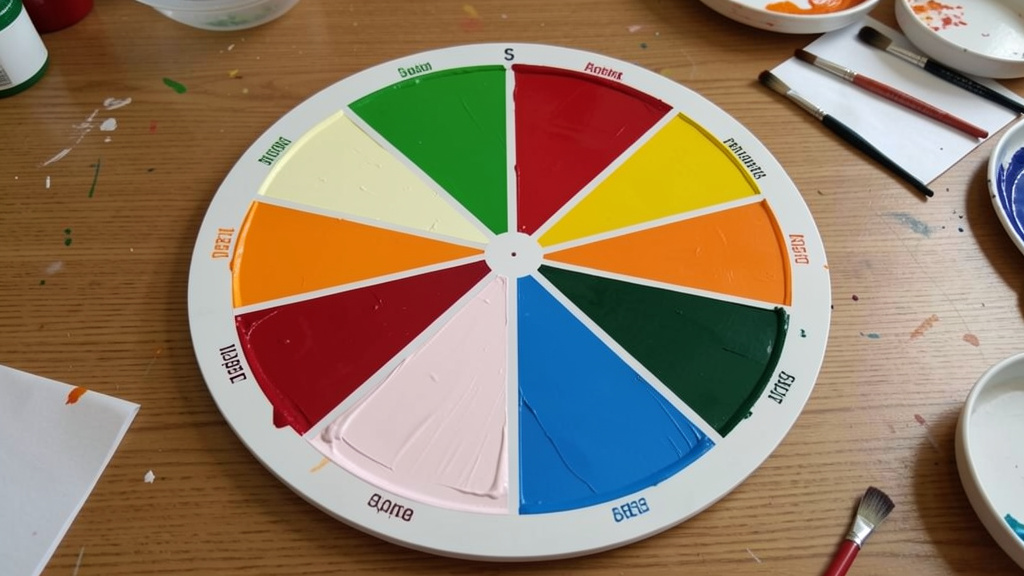
Move beyond swatches and saturation with a dynamic, human-centered system that harmonizes light, psychology, architecture, and memory—transforming color from a decorative element into the silent architect of your home’s emotional landscape.
Forget everything you thought you knew about picking paint colors. This comprehensive guide dismantles the oversimplified rules of basic color theory and replaces them with a dynamic, holistic framework designed specifically for the complexities of real homes. Discover how to harness light physics, environmental psychology, material science, and spatial narrative to create interiors that don’t just look beautiful—but feel inherently right, deeply personal, and effortlessly cohesive across every room, season, and life chapter.
Introduction: Why the Color Wheel Fails Your Home
Walk into any home improvement store, and you’ll find the same ritual: a hopeful homeowner holding a fan deck under fluorescent lights, squinting at tiny rectangles of color, trying to imagine how “Seaside Serenity” might feel at 7 a.m. in a north-facing bedroom. This struggle isn’t your fault. Traditional color theory—built for artists mixing pigments on a canvas—collapses under the weight of real-world variables: shifting daylight, textured surfaces, emotional memory, architectural quirks, and the human need for spaces that support specific activities and moods.
For decades, interior color guidance has been trapped in a cycle of oversimplification. The 60-30-10 rule (dominant, secondary, accent) offers structure but ignores why certain ratios work in specific contexts. Monochromatic schemes promise safety but often result in dimensionless rooms. Complementary colors create vibrancy on a wheel but can trigger visual fatigue in lived-in spaces. These models treat color as a flat, isolated decision rather than a multidimensional conversation between light, surface, psychology, and time.
Drawing from established principles in environmental psychology, architectural lighting design, and material science—not fleeting trends—this framework acknowledges what basic guides omit: your home’s color story must evolve with the sun’s path, accommodate the warmth of worn wood floors, honor cultural associations thoughtfully, and reflect your lived experience. This isn’t about memorizing rules. It’s about developing calibrated intuition. By the end of this guide, you’ll possess a repeatable methodology to evaluate any color in your space, under your light, for your life—turning uncertainty into confident, joyful decision-making.
The ChromaSync Framework: Four Interlocking Pillars for Home Color Mastery
Color in architecture has never been merely decorative. Frank Lloyd Wright specified ochre plaster walls to echo Arizona desert soil. Alvar Aalto used warm birch and muted greens to soften Nordic winters. These masters understood color as environmental dialogue. The ChromaSync Framework translates this wisdom into an accessible, actionable system built on four interdependent pillars. Ignore one, and the entire palette feels “off.” Master all four, and harmony emerges organically.
The Fundamental Principle: Color does not exist in isolation. It is a perceptual event created by the collision of light, surface, observer, and context. Master the conditions, and you master the outcome.
Pillar 1: Light Intelligence — Decoding Your Home’s Illumination Ecosystem
Light is the active ingredient in color. Without it, color vanishes. Yet most color decisions happen under artificial store lighting or on digital screens—environments utterly divorced from your home’s reality. Light Intelligence means treating light not as a backdrop but as a primary design material with measurable properties that dynamically alter perception.
Understanding Light Temperature: Kelvin Scale in Practice
Light temperature, measured in Kelvin (K), shifts color appearance dramatically:
– Warm White (2700K–3000K): Candlelight to soft incandescent. Effect: Adds yellow/red undertones. Makes cool blues appear muted or slightly gray; enriches warm terracottas, creams, and deep greens. Ideal for bedrooms, dining rooms—spaces for relaxation.
– Neutral White (3500K–4100K): Morning sunlight, some LEDs. Effect: Most color-accurate range. Reveals true undertones. Best for kitchens, bathrooms, home offices where task clarity matters.
– Cool White (5000K–6500K+): Noon daylight, overcast sky, fluorescent tubes. Effect: Adds blue undertones. Can make warm beiges look pinkish; intensifies crisp whites and cool grays. Use sparingly—common in garages or utility rooms but often harsh in living areas.
Critical nuance: A “pure white” paint (like Benjamin Moore Chantilly Lace) under 2700K warm bulbs will read as soft ivory. Under 5000K daylight bulbs? Stark, clinical blue-white. Always test paint under your room’s actual lighting at multiple times of day.
Directional Light Physics: How Window Orientation Rewrites Color
Your home’s compass orientation creates predictable light signatures:
– North-Facing Rooms: Receive cool, consistent, shadow-minimized light all day (indirect sunlight). Color Impact: Washes out warm tones. A buttery yellow may read pale; deep navies or forest greens gain sophistication. Strategy: Lean into cool-leaning palettes (soft blues, sage greens, warm grays with green undertones) or intentionally boost warmth with richer saturations.
– South-Facing Rooms: Bathed in warm, intense, shifting light (direct sun most of the day). Color Impact: Amplifies warmth. A beige with yellow undertones becomes golden; reds feel vibrant. Risk of colors “blowing out” (losing depth) in peak afternoon sun. Strategy: Embrace warm neutrals confidently. For bold colors, choose deeper values (e.g., charcoal over light gray) to maintain richness.
– East-Facing Rooms: Glow with warm, gentle morning light that fades to neutral by afternoon. Color Impact: Colors appear vibrant at dawn, soften later. Perfect for energizing hues (coral, sky blue) that welcome the day. Avoid colors that feel cold in morning light (cool grays).
– West-Facing Rooms: Transform dramatically—cool and neutral in morning, flooded with intense golden-orange light at sunset. Color Impact: Warm colors intensify passionately at dusk; cool colors gain unexpected warmth. Strategy: Test colors at sunset! A soft lavender may glow like amethyst; a taupe might read distinctly pink.
The Time-of-Day Audit: Your Non-Negotiable First Step
Before selecting a single swatch:
1. Choose one wall in the target room (preferably the largest, most visible wall).
2. Paint a 2’x2′ sample of your top contender directly on the wall (not cardboard—surface texture matters).
3. Observe at four key times:
– 9:00 AM (morning light character)
– 1:00 PM (peak intensity)
– 4:30 PM (late afternoon shift)
– Under evening artificial lighting (with all room lights on)
4. Document changes: Note shifts in warmth, saturation, and perceived room size. Does the color feel calming at night? Does it energize you in the morning? Does it harmonize with your wood floors under sunset glow?
Illustrative scenario: Consider selecting a “greige” (gray-beige) for a north-facing living room. Under store lighting, the sample appears neutral. However, in the room’s cool, indirect light, the same color may reveal a purple-gray cast that clashes with warm oak furniture. The solution lies in undertone awareness: switching to a greige with subtle green undertones (such as Sherwin-Williams Agreeable Gray) can harmonize with both the cool ambient light and the warmth of the wood. This underscores why undertone analysis is critical.
Artificial Lighting Layering: Beyond the Overhead Fixture
Layer your lighting before finalizing color:
– Ambient Layer (Ceiling): Sets base illumination. Use dimmable 2700K–3000K LEDs for living areas.
– Task Layer (Under-cabinet, desk lamps): 3000K–3500K for kitchens/offices. Ensures color accuracy where needed.
– Accent Layer (Wall sconces, picture lights): 2700K to highlight art or architectural details. Creates depth.
Pro Tip: Install smart bulbs (like Philips Hue) temporarily during your color audit. Cycle through temperatures to see how your sample reacts. This reveals hidden undertones instantly.
The CRI Imperative: Why “Color Rendering Index” Matters More Than Brightness
Most shoppers check lumens (brightness). Professionals check CRI (Color Rendering Index)—a scale (0–100) measuring how accurately a light source reveals true color.
– CRI < 80: Common in cheap LEDs. Makes reds look muddy, skin tones sallow, colors flat. Avoid in living spaces.
– CRI 80–90: Good for hallways, garages. Acceptable for general use.
– CRI 90+: Essential for kitchens, bathrooms, dressing areas, art displays. Renders colors vibrantly and naturally. Worth the slight premium.
Action Step: When buying bulbs, look for “CRI ≥ 90” or “Ra9 > 90” on packaging. Your future self—and your carefully chosen palette—will thank you.
Pillar 2: Psychological Resonance — Aligning Color with Human Experience
Color psychology is often reduced to clichés: “blue is calm,” “red is energetic.” This ignores context, culture, personal history, and room function. Psychological Resonance moves beyond universal claims to ask: What emotional and behavioral response do we want to cultivate in this specific space, for these specific people?
Deconstructing the “Calming Blue” Myth
Yes, studies (like those in the Journal of Environmental Psychology) link cool blues to lowered physiological arousal in controlled settings. But context rewires meaning:
– A pale sky blue in a sun-drenched bedroom? Refreshing.
– The same blue in a dim, north-facing room in winter? Potentially amplifying seasonal melancholy for some.
– A deep navy library with warm wood shelves? Intellectual, cozy.
– Navy in a small, windowless home office? Oppressive to many.
Key Insight: It’s not the hue alone—it’s the value (lightness/darkness) and chroma (saturation) interacting with light and space. A muted, warm-leaning blue (like Farrow & Ball Parma Gray) often feels more universally soothing than a bright cerulean.
Room-Specific Emotional Goals: A Functional Framework
Define the primary purpose of each space before selecting color:
| Room | Primary Human Need | Psychological Goal | Color Strategy Guidance | Common Pitfall to Avoid |
|---|---|---|---|---|
| Bedroom | Restoration, Safety | Signal “rest mode” to brain | Low-chroma, medium-value tones; warm neutrals or muted cool tones | Overly stimulating brights or stark whites |
| Kitchen | Energy, Focus, Connection | Support task efficiency + social warmth | Warm neutrals (creams, taupes) with one intentional accent (e.g., sage on island) | Cold grays that feel sterile during morning routines |
| Home Office | Clarity, Creativity | Minimize distraction, spark innovation | Soft greens (linked to creative flow in studies) or warm off-whites | High-contrast colors causing visual fatigue |
| Bathroom | Renewal, Privacy | Evoke spa-like tranquility | Earthy neutrals (clay, stone), soft watery tones | Clinical whites amplifying skin imperfections |
| Living Room | Connection, Comfort | Encourage lingering, conversation | Layered neutrals with one rich accent wall (terracotta, olive) | Monochromatic schemes feeling impersonal |
| Dining Room | Celebration, Intimacy | Stimulate appetite gently, foster closeness | Warm mid-tones (ochre, muted brick) | Cool colors suppressing appetite (per research) |
Cultural and Personal Resonance: Honoring Individual Narrative
While Western design often associates white with purity, in some East Asian cultures, it signifies mourning. Red means luck in China; danger in the U.S. This isn’t about avoiding colors—it’s about intentional choice. Ask:
– Does this color hold personal meaning? (e.g., the blue of your grandmother’s kitchen cabinets)
– Does it align with your cultural background or values you wish to embody?
– Could it unintentionally trigger discomfort for frequent visitors?
Example: Someone might love deep crimson but hesitate—it reminds them of a stressful former workplace. Solution: Use it sparingly as an accent on bookshelves (a place of comfort), paired with warm oak and cream textiles. The color’s meaning transforms through context and scale.
The Saturation Sweet Spot: Why “Muted” Often Outperforms “Vibrant”
High-saturation colors (pure red, electric blue) demand constant attention. In small doses (a vase, artwork), they energize. On four walls? They can induce subconscious stress—your visual system never “rests.” Most enduring, beloved interiors use moderated saturation:
– Desaturate: Add gray to a hue (e.g., dusty rose vs. hot pink).
– Muddy: Add complementary color (e.g., olive green has red undertones).
– Earthify: Add brown (e.g., terracotta vs. orange).
These techniques create complexity, depth, and timeless appeal. A muted sage feels connected to nature; a pure lime green feels like a highlighter. Test side-by-side: the muted version almost always feels more “expensive” and calming.
Biophilic Color Cues: Tapping into Innate Human Preferences
Humans possess an evolved affinity for natural environments (biophilia). Strategic color choices can trigger this response:
– Sky Tones: Soft blues and warm whites on ceilings create subtle “sky” association, reducing claustrophobia.
– Earth Tones: Warm beiges, taupes, and clay reds ground a space, evoking soil and stone.
– Foliage Hues: Sage, olive, and moss greens signal growth and renewal—ideal for home offices or wellness rooms.
– Water Hints: Pale aquas or sea-glass greens in bathrooms enhance the feeling of cleansing.
Research Note: Studies in environmental design, including work published in journals such as Building and Environment, suggest that incorporating biophilic color elements can positively influence perceptions of well-being. You don’t need literal nature—just its chromatic echoes.
Pillar 3: Material Dialogue — The Unseen Conversation Between Surfaces
Your walls don’t exist in a vacuum. They converse with hardwood floors, granite countertops, brick fireplaces, fabric sofas, and even the sheen of your paint. Material Dialogue is the practice of anticipating and orchestrating these interactions to create layered, authentic harmony—not sterile matching.
Undertone Detective Work: The #1 Cause of “Why Does This Look Wrong?”
Every neutral has a hidden undertone. Ignoring this causes costly friction:
– Beige: Can lean yellow, pink, orange, or green.
– Gray: Can lean blue, purple, green, or brown.
– White: Can lean yellow (warm), blue (cool), pink, or green.
How to ID Undertones:
1. Place suspected neutrals side-by-side against a pure white sheet of paper.
2. Observe in north light (most neutral).
3. What “ghost” color emerges? A beige next to white may reveal a distinct pink cast.
Critical Rule: All fixed elements should share a dominant undertone family. If your oak floors have orange undertones, choose wall colors with warm (yellow/red) or green undertones (green neutralizes orange). Avoid cool grays with strong blue/purple casts—they’ll clash visibly.
Texture’s Chromatic Illusion: Why Rough Surfaces Darken Color
A matte paint on smooth drywall reads lighter than the same paint on textured stucco or plaster. Why? Texture creates micro-shadows that absorb light.
– Smooth Surfaces (drywall, tile): Reflect more light. Color appears true-to-sample.
– Textured Surfaces (brick, limewash, rough plaster): Absorb light. Color appears 10–20% darker and richer.
Action Step: If painting textured walls, test your sample on the actual texture. Better yet, paint two coats on a large board with similar texture. When in doubt, choose a shade lighter than your target for textured surfaces.
Sheen Science: How Finish Alters Perception and Function
Paint sheen isn’t just about washability—it changes color depth:
– Flat/Matte (0–5% sheen): Zero reflection. Hides wall imperfections. Makes color feel soft, velvety, and slightly lighter. Best for: Ceilings, low-traffic adult bedrooms. Avoid in: Humid bathrooms (traps moisture).
– Eggshell (10–25% sheen): Subtle glow. Ideal balance of depth and durability. Best for: Living rooms, dining rooms, hallways—most walls.
– Satin (25–45% sheen): Noticeable soft luster. Enhances color richness. Best for: Kitchens, bathrooms, trim. Resists stains.
– Semi-Gloss (45–75% sheen): High shine. Makes colors “pop” but highlights every flaw. Best for: Trim, doors, cabinets.
Pro Insight: Using the same color in different sheens creates sophisticated layering. Example: Sherwin-Williams Repose Gray in eggshell on walls, satin on trim. The trim appears slightly deeper and crisper—a subtle, intentional contrast.
The Fixed Element Hierarchy: Working With What You Can’t Change
List all permanent features in priority order:
1. Non-Negotiables: Hardwood floors, stone fireplace, tile backsplash, brick accent wall.
2. Semi-Permanent: Countertops, built-in cabinets, major furniture you love.
3. Flexible: Paint, textiles, decor, removable wallpaper.
Strategy: Pull your primary wall color from your highest-priority fixed element.
– Example 1: Honey oak floors with warm orange undertones → Choose a wall color with complementary green undertones (e.g., Sherwin-Williams Accessible Beige) to neutralize clash.
– Example 2: Cool gray quartz countertops → Select a wall color with matching cool gray undertones (e.g., Benjamin Moore Gray Owl) for seamless flow.
– Example 3: Terracotta tile floor → Echo its warmth with clay-colored walls (e.g., Farrow & Ball Jitney) or contrast softly with warm white (e.g., Benjamin Moore White Dove).
Material Mood Boards: The Physical Swatch Ritual
Digital palettes fail because screens can’t replicate texture or light interaction. Build a physical mood board:
1. Tape actual samples to a board: paint chip, floor scrap, countertop remnant, fabric swatch, wood stain chip.
2. Place it vertically on the wall where decisions matter most.
3. Observe under changing light for 48 hours.
4. Ask: “Do these feel like they belong together? Does one element fight for attention?”
This tactile process prevents costly mismatches. A designer avoided a significant backsplash expense when her mood board revealed a “warm white” tile clashed with cool-gray cabinets under evening light.
The 60-30-10 Rule—Reimagined for Authentic Homes
Forget rigid percentages. Think in layers of presence:
– 60% Foundation: Your dominant neutral (walls, large rugs, sofa). Should feel like a calm backdrop. Not necessarily the lightest color—sometimes a rich charcoal anchors a room beautifully.
– 30% Secondary: Supporting elements (upholstery, curtains, secondary walls). Should harmonize with Foundation but add subtle contrast in value or texture.
– 10% Accent: Intentional pops (pillows, art, ceramics). Should carry emotional weight or narrative (e.g., pottery from a meaningful trip).
Critical Evolution: The “Accent” layer should echo colors already present in your Foundation or Secondary layers—not introduce a wholly new hue. A rust pillow in a room with warm wood floors and terracotta pottery feels intentional. The same pillow in a cool gray/blue room feels random.
Pillar 4: Narrative Flow — Weaving Color Through Your Home’s Story
A home isn’t a collection of isolated rooms. It’s a journey. Narrative Flow ensures color guides movement, supports transitions, and tells a coherent story—without demanding monotonous uniformity. This pillar solves the “open floor plan dilemma” and creates homes that feel curated over time, not decorated in a single weekend.
The Threshold Principle: Designing for Doorways and Sightlines
Stand at your front door. What colors do you see straight through to the back window? This “sightline corridor” is your home’s visual spine.
– Strategy 1 (Cohesive Flow): Use variations of the same undertone family throughout connected spaces. Example: Living room (warm greige), dining room (slightly deeper warm greige), kitchen (warm white with same undertone). Creates expansive, serene flow.
– Strategy 2 (Intentional Contrast): Use a neutral “bridge” color in transitional zones (hallways, entryways). Example: Bold navy library → hallway painted in warm putty → sunny yellow breakfast nook. The hallway neutral allows eyes to reset between strong statements.
Avoid: Allowing a cool gray living room to flow directly into a warm beige dining room without a transitional element. Without intentional bridging, the contrast can feel jarring rather than artistic.
Room-to-Room Progression: Mapping Emotional Arcs
Consider how activities and moods shift through your home:
– Entryway: Should signal transition (“You are arriving home”). Warm, welcoming neutral (soft clay, warm white).
– Public Zones (Living/Dining): Encourage connection. Layered neutrals with one rich accent wall.
– Private Zones (Bedrooms): Deepen calm. Slightly darker, more saturated versions of public zone neutrals (e.g., if living room is light sage, bedroom is forest green).
– Utility Zones (Laundry, Garage): Boost energy. Clean, crisp whites or uplifting muted yellows.
This progression feels intuitive. Moving from a vibrant kitchen to a serene bedroom supports natural wind-down.
The Accent Color Thread: Creating “Easter Eggs” of Connection
Select 1–2 accent colors to repeat subtly throughout your home. This creates subconscious cohesion:
– Living room: Terracotta vase
– Hallway: Terracotta-toned art mat
– Bedroom: Terracotta stripe in throw blanket
– Bathroom: Terracotta soap dish
These threads feel intentional, collected, and personal—not matchy-matchy. Choose accents reflecting your story: the blue of your favorite lake, the green of your childhood garden.
Embracing “Controlled Dissonance”: Where Contrast Creates Character
Perfect harmony can feel sterile. Strategic contrast adds soul:
– A deep charcoal wall behind a gallery of warm-toned family photos creates dramatic focus.
– A vintage rug with jewel tones (emerald, ruby) in an otherwise neutral room tells a story of travel and history.
– A single cabinet painted in a bold color (navy, forest green) within a white kitchen adds personality without overwhelming.
Rule of Thumb: Limit high-contrast elements to 1–2 per room. They should feel like deliberate choices, not accidents.
The Memory Layer: Weaving Personal History into Palette
Your home should reflect your journey. Integrate color memories:
– Paint a small powder room the exact shade of your wedding bouquet.
– Use the blue from your child’s first artwork as an accent stripe in their room.
– Match a throw pillow to the color of your grandmother’s favorite teacup.
These micro-narratives transform generic spaces into deeply personal sanctuaries. They’re the details guests notice and ask about—the soul of your home.
Future-Proofing Your Palette: Designing for Evolution
Homes change. Families grow. Tastes evolve. Build flexibility:
– Anchor with Timeless Neutrals: Choose wall colors with moderate value and low-moderate chroma (e.g., warm greiges, soft taupes). They adapt to changing decor.
– Express Trends Through Textiles: Love emerald green this year? Use it in velvet pillows, not walls. Swap easily next season.
– Document Your Palette: Keep a “color bible”—photos of your mood board, paint codes, material samples. Essential for touch-ups or future renovations.
A well-constructed neutral foundation allows your personality to shine through changeable elements, preventing costly repaints every few years.
Room-by-Room Application: Translating Theory into Practice
Theory becomes tangible when applied. Below, we dissect six critical spaces through the ChromaSync lens—addressing unique challenges, light conditions, material interactions, and psychological goals. Each section includes actionable steps, real friction points, and nuanced alternatives.
The Living Room: Orchestrating Connection and Comfort
As the social heart of most homes, the living room demands color that encourages lingering without overwhelming conversation. It must balance TV glare reduction, art display, and compatibility with varied furniture styles.
Light Intelligence in Action:
– Open Floor Plan Challenge: If connected to kitchen/dining, identify the dominant light source direction for the entire zone. South-facing? Lean into warm neutrals confidently. North-facing? Avoid cool grays that amplify chilliness; choose greiges with green undertones.
– TV Wall Strategy: Paint the wall behind the TV 1–2 shades darker than other walls (in the same undertone family). This reduces screen glare and creates visual “grounding.” Matte or eggshell sheen minimizes reflections. Avoid pure black—it creates a visual hole.
Psychological Resonance Tactics:
– For Conversation: Warm mid-tones (clay, olive, warm taupe) feel enveloping. Some environmental studies suggest warmer palettes may subconsciously encourage longer social engagement.
– For Multi-Use Spaces (playroom + lounge): Use area rugs to define zones. A durable, patterned rug in the play zone can incorporate brighter accents; the lounge zone stays calm with solid-texture rugs in foundational neutrals.
– Avoiding “Showroom Syndrome”: Showrooms use stark white to make furniture “pop.” At home, this feels cold. Instead, choose a warm off-white (Benjamin Moore White Dove) or very light greige (Sherwin-Williams Alabaster) for walls. It feels clean but lived-in.
Material Dialogue Deep Dive:
– Wood Floor Harmony:
– Cool-toned wood (ash, maple): Pair with walls having subtle gray or green undertones.
– Warm-toned wood (oak, walnut): Pair with walls having beige, taupe, or warm gray undertones.
– Test: Hold a large paint sample against your floor at dusk. Does it harmonize or clash?
– Fireplace Integration: If you have a brick fireplace, pull your wall color from the mortar (often a warm gray or tan), not the brick. This creates unity. For a dramatic effect, paint the fireplace surround the same color as walls (using satin sheen for durability), making the brick the textured accent.
Narrative Flow Integration:
– Sightline Check: From the entryway, what’s the first color you see? Ensure it aligns with your home’s overall undertone story.
– Accent Thread: Repeat a signature accent color (e.g., ochre) in throw pillows here, a vase in the dining room, and a book spine in the hallway.
Friction Solver: “My large sectional is beige. Everything feels bland.”
– Solution: Introduce depth through value contrast, not just hue. Add charcoal gray throw blankets, deep olive green curtains, and black-framed art. Layer textures: nubby wool rug, smooth leather ottoman, woven baskets. Blandness often stems from lack of value variation, not lack of color.
The Kitchen: Balancing Energy, Warmth, and Function
Kitchens demand color that supports morning alertness, evening wind-down, task accuracy, and social connection—all while enduring grease, steam, and constant use.
Light Intelligence Imperatives:
– Under-Cabinet Lighting: Install 3000K LEDs with CRI ≥ 90. This ensures food looks appetizing (critical for cooking confidence) and reveals true cabinet color. Test cabinet samples under this light!
– Window Above Sink: This focal point gets intense light. If south/west-facing, avoid cool whites that will glare. Choose a warm white or very light warm gray.
– No Windows? Maximize artificial light layers. Use 2700K ambient lighting for warmth, 3500K task lighting over counters. Walls should be light-reflective: warm off-whites or pale warm grays. Avoid dark colors—they absorb precious light.
Psychological Resonance Strategy:
– Morning Energy: Soft yellows or warm whites on upper cabinets create cheerful dawn light.
– Evening Calm: Deeper, warmer tones on lower cabinets or island (e.g., navy, forest green, charcoal) ground the space for dinner prep.
– Appetite Consideration: Warm tones (creams, taupes, soft terracotta) are often associated with comfort across many cultures. Avoid cool blues/greens on large surfaces if you find they diminish your appetite.
Material Dialogue Mastery:
– Countertop as Compass:
– White Quartz with Gray Veining: Walls should have matching cool gray undertones (e.g., Sherwin-Williams Repose Gray). Avoid warm beiges—they’ll clash with gray veins.
– Warm Granite (brown/gold flecks): Walls need warm undertones (e.g., Benjamin Moore Revere Pewter).
– Butcher Block: Echo its warmth with creamy walls (Benjamin Moore Cloud White) or contrast softly with warm gray (Sherwin-Williams Agreeable Gray).
– Cabinet Color Logic:
– All-White Cabinets: Use warm white (not cool) to avoid clinical feel. Pair with warm wood floors or brass hardware for balance.
– Two-Tone Trend: Upper cabinets lighter (warm white), lowers darker (navy, charcoal). Ensures visual weight feels grounded. Critical: Both colors must share undertone family (e.g., warm white + warm charcoal).
– Backsplash Harmony: Pull one subtle color from your backsplash tile for adjacent walls. If tile has sea-glass green hints, walls in soft sage create cohesion.
Narrative Flow Consideration:
– Open to Living Room: Kitchen walls should be a lighter or slightly cooler variation of the living room’s dominant neutral. Creates flow without sameness.
– Breakfast Nook: If separate, use a slightly warmer, more saturated version of the main kitchen color for intimacy (e.g., main kitchen: light greige; nook: warm taupe).
Friction Solver: “My small kitchen feels closed in with dark cabinets.”
– Solution: Paint uppers and walls the same light, warm color. Use satin sheen on uppers for subtle depth. Keep lowers dark for grounding. Add reflective surfaces: glass-front uppers, metallic hardware, glossy subway tile. Light bounces, expanding perception of space.
The Primary Bedroom: Cultivating Sanctuary and Restoration
This space must signal safety and rest to the nervous system. Color choices directly impact sleep quality and morning mood.
Light Intelligence Protocol:
– North-Facing Bedroom: Avoid cool grays—they may amplify chill. Choose warm neutrals with green undertones (e.g., Sherwin-Williams Mindful Gray) which read balanced in cool light. Add warm artificial lighting (2700K dimmable).
– South/West-Facing Bedroom: Embrace warm beiges or soft taupes. They glow beautifully at sunset. For bold choices (navy, charcoal), ensure ample blackout capability—intense sunset light can make dark walls feel overwhelming to some.
– Evening Lighting: Install dimmers on all lights. Use warm white (2700K) bulbs. Consider amber-tinted “sleep bulbs” that reduce blue light emission before bed.
Psychological Resonance Deep Dive:
– Ceiling Strategy: Paint ceiling a warmer, slightly darker version of wall color (e.g., walls: light greige; ceiling: warm taupe). Creates cozy “envelope” effect. Avoid stark white ceilings—they feel institutional.
– Accent Wall Wisdom: Place behind bed. Choose a color 20–30% deeper in value than walls (e.g., walls: light sage; accent: forest green). Avoid high-saturation colors directly in line of sight when lying down—they can overstimulate for some.
– Personal Sanctuary Test: Close your eyes. Imagine waking up to this color at 6 a.m. Does it feel peaceful? If anxiety arises, desaturate or lighten.
Material Dialogue Nuances:
– Wood Furniture Harmony: Match wall undertones to your largest wood piece (bed frame, dresser). Warm wood? Warm walls. Cool wood (painted white)? Slightly cool walls.
– Textile Layering: Your bedding is part of the color story. If walls are warm greige, bedding in cream, oat, and soft clay creates monochromatic depth. Avoid introducing a new dominant hue here.
– Carpet/Rug Interaction: Light walls + dark rug = grounded. Dark walls + light rug = airy. Ensure undertones align (e.g., warm beige rug with warm beige walls).
Narrative Flow Touch:
– Connection to Bathroom: If ensuite, use a slightly deeper or more saturated version of the bedroom’s accent color in the bathroom (e.g., bedroom accent: muted terracotta; bathroom: deeper clay on vanity wall). Creates subtle continuity.
Friction Solver: “I love dark, moody colors but worry it’ll feel cave-like.”
– Solution: Go deep intentionally. Paint all four walls and ceiling the same rich color (e.g., Farrow & Ball Hague Blue) in matte finish. This eliminates visual boundaries, creating immersive calm. Counter with abundant warm lighting (multiple sources), light wood floors, and creamy textiles. The result feels luxurious to many. Test extensively first!
The Bathroom: Engineering Renewal and Calm
Humidity, small footprints, and intimate use demand color choices that enhance perceived space, support grooming accuracy, and evoke cleansing.
Light Intelligence Essentials:
– Mirror Lighting: Install vertical sconces flanking the mirror (not above) at eye level. Use 3000K bulbs with CRI ≥ 90. This eliminates shadows on face—critical for makeup/shaving and accurate color perception.
– No Window? Walls must be light-reflective: warm off-whites or pale warm grays. Avoid cool whites—they feel sterile and may amplify skin imperfections under artificial light.
– Small Space Trick: Paint walls and ceiling the same light color. Eliminates visual “box,” making room feel larger.
Psychological Resonance Tactics:
– Spa Association: Soft watery tones (sea glass green, pale aqua), warm stone neutrals (clay, taupe), or earthy whites evoke natural elements linked to cleansing.
– Avoid Clinical Cues: Pure white walls + bright cool lighting = hospital. Warm the white (Benjamin Moore White Dove) and use warm lighting.
– Shower/Tub Zone: If separate, consider a slightly deeper, more saturated version of the main wall color inside the shower surround (using tile or waterproof paint). Creates a “retreat within a retreat.”
Material Dialogue Critical Path:
– Tile as Anchor: Pull wall color from the grout or dominant neutral in your tile—not the accent color. If tile has warm beige base with blue accents, walls should be warm beige.
– Fixtures Matter:
– Chrome/Nickel (cool): Walls need cool undertones (gray-based whites).
– Brass/Gold (warm): Walls need warm undertones (beige-based whites).
– Matte Black: Works with both—creates modern contrast. Walls should be neutral (warm or cool based on other elements).
– Vanity Color: If painting vanity, choose a color that harmonizes with walls and floor. A warm wood floor? Warm-toned vanity (creamy white, sage). Cool tile floor? Cool-toned vanity (soft gray, pale blue).
Narrative Flow Integration:
– Powder Room Opportunity: This enclosed space is ideal for bold expression. Deep emerald, charcoal, or terracotta can feel dramatic yet contained. Ensure it connects to your home’s story (e.g., emerald echoes living room accent pillows).
– Master Bath Continuity: Should feel like a serene extension of the bedroom—use a lighter or softer version of the bedroom’s palette.
Friction Solver: “My beige tile feels dated and clashes with everything.”
– Solution: Don’t fight it—complement it. Identify its undertone (likely warm yellow/orange). Choose wall color with green undertones to neutralize clash (e.g., Sherwin-Williams Accessible Beige). Update fixtures to warm brass. Add textiles in cream and soft clay. The tile becomes intentional “warmth,” not a mistake.
The Home Office: Optimizing Focus and Creative Flow
Color here directly impacts cognitive load, creativity, and screen fatigue. Balance is key: too stimulating = distraction; too dull = lethargy.
Light Intelligence Protocol:
– Screen Glare Reduction: Walls behind monitor should be medium-value, low-chroma (soft gray-green, warm taupe). Avoid pure white (causes eye strain from contrast) or dark colors (absorbs light, forcing brighter screen).
– Task Lighting Priority: Use an adjustable 3000K–3500K desk lamp with CRI ≥ 90. Ensures document colors look true.
– Window Position: If screen faces window, use light-filtering shades to control glare. Wall color should be neutral enough to not reflect colored light onto screen.
Psychological Resonance Strategy:
– Focus Zones: Cool-leaning greens (sage, moss) are linked to sustained attention in some environmental psychology research. Use on main wall.
– Creative Zones: Warm neutrals (oat, clay) or very soft yellows on accent wall can gently stimulate idea generation.
– Avoid: High-saturation reds/oranges (may increase anxiety for some), pure white (feels sterile), or dark colors (feel oppressive during long hours).
Material Dialogue Considerations:
– Bookshelf Integration: Paint built-in shelves the same color as walls for seamless look, or one shade deeper for subtle definition.
– Desk Surface: If wood, ensure wall color harmonizes with its undertone. Light oak desk? Warm walls. Walnut desk? Slightly cooler walls.
– Art Display: Choose wall color that makes your art “sing” without competing. Neutral backdrop (warm gray) works for most art collections.
Narrative Flow Note:
– Separate Room: Can afford slightly more personality—echo your home’s accent color thread here.
– Nook in Living Area: Must harmonize with main room’s palette. Use area rug and strategic lighting to define the zone visually.
Friction Solver: “My small office nook feels like a cave.”
– Solution: Paint walls and ceiling the same light, warm color. Use a large mirror opposite the window to bounce light. Choose desk in light wood or white. Keep textiles minimal and light-colored. Add a single small plant for biophilic cue.
Hallways and Transitional Spaces: The Silent Guides
Often overlooked, these spaces set the tone for movement and connect your home’s narrative.
Light Intelligence Focus:
– Long/Dark Hallway: Paint walls and ceiling the same light, warm color (e.g., Benjamin Moore White Dove). Install multiple low-level light sources (wall sconces, recessed) on dimmers. Avoid dark colors—they absorb light, feeling tunnel-like.
– Short Hallway to Bold Room: Paint hallway a neutral bridge color (warm putty) to prepare eyes for the statement room ahead.
Psychological Resonance Role:
– Entryway: Should feel welcoming and organized. Warm neutral walls, adequate hooks/shelving. Color signals “transition into sanctuary.”
– Hallway to Bedrooms: Gradually deepen the palette from public to private zones. Living room light greige → hallway medium greige → bedroom deeper greige. Feels intentional.
Material Dialogue Tip:
– Narrow Hallway Trick: Paint the end wall a slightly darker shade than side walls. Creates illusion of depth, making hallway feel less like a tunnel.
– Art Placement: Use consistent frame color (black, wood tone) throughout hallways. Creates rhythm and cohesion.
Narrative Flow Power:
– Accent Thread Highway: This is where your accent color thread shines. Repeat your signature color in art mats, a small bench cushion, or a single vase down the hall. Creates subconscious “breadcrumb trail” of cohesion.
– Memory Lane: Dedicate one hallway wall to framed photos. Paint wall a soft, neutral backdrop (warm gray) that makes photos pop without competing.
Navigating Common Color Frictions: Solutions for Real-World Challenges
Even with a robust framework, real homes present unique hurdles. These solutions address frequent pain points with precision.
Friction 1: “I Have an Open Floor Plan—How Do I Create Definition Without Walls?”
Root Cause: Fear of visual chaos versus sterile uniformity.
ChromaSync Solution:
1. Identify the Light Anchor: Determine the dominant light direction for the entire zone. Base your core neutral on this.
2. Define Zones with Value, Not Hue:
– Living Area: Medium-value neutral (e.g., warm greige)
– Dining Area: Same neutral, 10% deeper value
– Kitchen: Same neutral family, lightest value (for brightness)
3. Use Area Rugs as Color Anchors: Each zone’s rug introduces subtle variation—living room rug has olive hints; dining rug has terracotta threads.
4. Ceiling Trick: Paint ceiling a consistent warm white throughout. Unifies the space overhead while allowing wall variations below.
Why it Works: Value shifts create subconscious boundaries. Your eye registers “different zone” without jarring color changes.
Friction 2: “My Room Has Terrible Light—North-Facing and Small. Everything Looks Sad.”
Root Cause: Cool light washing out warm tones, small size amplifying gloom.
ChromaSync Solution:
1. Embrace the Cool Light: Don’t fight it. Choose colors that thrive in cool light:
– Warm-leaning grays with green undertones (Sherwin-Williams Mindful Gray)
– Soft sage greens (Benjamin Moore Saybrook Sage)
– Warm taupes (Benjamin Moore Edgecomb Gray)
2. Strategic Warmth Injection:
– Lighting: 2700K dimmable bulbs throughout. Add warm-toned table lamps.
– Textiles: Cream wool rug, oat-colored curtains, terracotta pottery.
– Wood: Light oak or walnut furniture adds organic warmth.
3. Mirror Placement: Position large mirror opposite window to bounce available light deep into room.
4. Ceiling Lift: Paint ceiling a warm off-white (Benjamin Moore White Dove) to feel higher.
Why it Works: Working with the light’s character prevents constant visual correction. Added warmth through materials feels intentional, not compensatory.
Friction 3: “I Love Bold Color, But I’m Afraid of Committing to Four Walls.”
Root Cause: Fear of trendiness, resale impact, or overwhelming daily life.
ChromaSync Solution:
1. Start Small, Think Big:
– Powder Room: Ideal testing ground. Deep emerald, charcoal, or terracotta feels dramatic but contained.
– Closet Interior: Paint inside of closet door or shelves a bold color. A joyful secret.
– Ceiling: “The fifth wall.” Soft sky blue in a bedroom, warm terracotta in a dining room. Unexpected but not overwhelming.
2. The Accent Wall Evolution:
– Not the wall with the door or window. Choose the wall your eye lands on first when entering.
– Go Deeper, Not Brighter: Choose a rich, muted version of your bold color (forest green vs. lime; burgundy vs. cherry red). More sophisticated, less fatiguing.
– Extend to Trim: Paint baseboards and door frames the same bold color (in satin sheen). Creates intentional, modern envelope.
3. Layer with Confidence:
– Walls: Bold color (matte finish)
– Large Furniture: Neutral (cream sofa, light wood table)
– Textiles: Echo bold color in small doses (one pillow, art mat) plus complementary neutrals.
Why it Works: Bold color becomes a curated feature, not the entire experience. Neutral furniture provides visual rest.
Friction 4: “I Have Ugly Fixed Elements I Can’t Change (Tile, Countertops, Wood Floors).”
Root Cause: Feeling trapped by previous owners’ choices.
ChromaSync Solution:
1. Undertone Diagnosis First:
– Place pure white paper next to the fixed element. What ghost color appears? Pink? Green? Orange?
– Example: “Beige” tile reveals strong orange undertone.
2. Neutralize or Harmonize:
– Neutralize: Choose wall color with complementary undertone. Orange tile? Walls with green undertones (Sherwin-Williams Accessible Beige). Green cancels orange visually.
– Harmonize: Choose wall color with matching undertone but different value. Orange tile? Walls in warm taupe (deeper value). Feels intentional.
3. Strategic Distraction:
– Add a large area rug to cover problematic flooring. Choose rug with colors that bridge floor and walls.
– Update hardware (cabinet pulls, light fixtures) to shift the room’s temperature (warm brass vs. cool chrome).
4. Lighting Adjustment:
– Swap bulbs to 2700K warm white. Softens harsh undertones in tile/countertops.
Why it Works: You’re not ignoring the element—you’re actively composing with it. This shifts mindset from “problem” to “design parameter.”
Friction 5: “How Do I Choose Colors That Won’t Date in Two Years?”
Root Cause: Trend anxiety versus desire for personal expression.
ChromaSync Solution:
1. Anchor with Timeless Neutrals:
– Walls: Medium-value, low-chroma neutrals with clear undertones (warm greiges, soft taupes, warm whites). Approach extremes such as pure white or jet black with caution, as they can be challenging to balance in varied lighting conditions.
– Floors: Natural materials (wood, stone) in medium tones.
2. Express Trends Through Layers:
– High Commitment (Hard): Cabinets, countertops, tile → Choose classic, neutral versions.
– Medium Commitment (Semi-Hard): Large furniture → Choose natural materials (wood, linen) in neutral tones.
– Low Commitment (Soft): Paint, textiles, art, decor → This is your trend playground. Love sage green now? Use it in curtains and pillows. Change easily later.
3. The Longevity Test:
– Ask: “Will this color still feel supportive in a decade?” If tied to a fleeting trend, pause.
– Seek colors found in nature (clay, stone, sky, foliage). They endure because they resonate across contexts.
Why it Works: Separating permanent from changeable elements reduces pressure. Your home evolves with you without requiring demolition.
Friction 6: “My Partner and I Disagree on Every Color.”
Root Cause: Color is deeply personal; disagreements feel like value conflicts.
ChromaSync Solution:
1. Decouple Preference from Principle:
– “I hate beige” → Reframe: “What feeling do you want this room to evoke?” (Calm? Energetic? Cozy?)
– Identify shared emotional goals first.
2. The Swatch Compromise:
– Each person selects 3 colors they genuinely like (not just “least hate”).
– Find the undertone bridge: Do all liked colors share a warm or cool base? Build palette from there.
3. Zone Allocation:
– Primary bedroom: Partner A’s preference (it’s their sanctuary).
– Home office: Partner B’s preference.
– Shared spaces: Neutral foundation with accents from both palettes (e.g., Partner A’s terracotta pillow + Partner B’s navy art mat).
4. Third-Party Validation:
– Build physical mood boards. Live with them for a week. Often, the “right” choice becomes obvious through observation, not debate.
Why it Works: Shifts conversation from “I like/don’t like” to shared problem-solving. Honors individuality within unity.
Advanced Techniques: Sculpting Space and Perception with Color
Master these nuanced applications to solve architectural challenges and elevate design sophistication.
Making Low Ceilings Feel Higher
- Vertical Stripe Illusion: Paint narrow vertical stripes (2–3″ wide) in a slightly darker shade of your wall color. Draws eye upward. Subtle alternative: Paint upper third of wall and ceiling the same light color; lower two-thirds a medium tone. Creates “lift.”
- Ceiling Color Strategy: Paint ceiling a warmer, slightly lighter version of wall color (e.g., walls: warm greige; ceiling: warm off-white). Avoid stark white—it creates a visual “lid.”
- Trim Trick: Paint crown molding the ceiling color, not the wall color. Eliminates the horizontal line that caps the room.
Making Narrow Rooms Feel Wider
- End Wall Emphasis: Paint the short end wall (opposite entry) a darker, warmer color than side walls. Creates visual “stop,” making room feel less like a tunnel.
- Side Wall Strategy: Paint long side walls a light, cool-leaning neutral. Recedes visually.
- Flooring Continuity: Use same flooring throughout connected spaces. Breaks up narrow footprint.
Making Small Rooms Feel Larger
- Monochromatic Envelopment: Paint walls, trim, and ceiling the same light, warm color in varying sheens (eggshell walls, satin trim, flat ceiling). Eliminates visual boundaries.
- Strategic Reflection: Place large mirror on wall opposite window. Bounces light and view, doubling perceived space.
- Furniture Scale: Choose leggy furniture (sofa on legs, glass coffee table). Allows light to flow underneath, reducing visual weight.
Creating Intimacy in Oversized Rooms
- Zoning with Color: Define seating area with area rug and slightly deeper wall color on surrounding walls.
- Accent Wall Placement: Behind main seating group. Use rich, warm color (terracotta, olive, charcoal) to “pull in” the space.
- Ceiling Warmth: Paint ceiling a warm off-white or very light warm gray. Feels cozier than bright white.
Correcting Awkward Architectural Features
- Recessed Alcove: Paint alcove walls 1–2 shades darker than main walls. Creates intentional “nook,” not an afterthought.
- Protruding Column: Paint column the trim color (or an accent color). Transforms obstacle into feature.
- Slanted Ceiling (Attic Room): Paint entire ceiling and upper walls the same light color. Lower walls a deeper tone. Creates balanced envelope.
Your Questions, Answered
Q: How do I choose between gray, greige, and beige for my main neutral?
A: It hinges entirely on your fixed elements’ undertones. Place large samples of each next to your flooring and major furniture in natural light. The one that makes your wood floors look intentional (not orange or pink) is your winner. Greige (gray + beige) is often a versatile bridge—it has enough warmth to avoid coldness but enough gray to feel current. Avoid “true” grays unless all your fixed elements are cool-toned (gray stone, chrome fixtures).
Q: Can I use the same white throughout my entire house?
A: Yes—but only if it’s a warm white (like Benjamin Moore White Dove or Sherwin-Williams Alabaster) and your home has consistent warm undertones in floors/furniture. Cool whites (like Pure White) will clash with warm wood floors. For maximum cohesion in varied spaces, use one warm white on all ceilings and trim, then adjust wall colors room-by-room based on light and function.
Q: How many different colors is too many for one home?
A: There’s no magic number—it’s about relationship. A home with many colors can feel harmonious if they share undertones and follow a narrative thread. A home with few clashing colors feels chaotic. Stick to: 1 core neutral family (walls), 1–2 secondary neutrals (large furniture), and 1–2 accent colors repeated intentionally. Introduce new hues only if they echo existing ones.
Q: What’s the biggest mistake people make when testing paint colors?
A: Testing on tiny swatches under store lighting. Always paint a 2’x2′ sample directly on the wall. Observe at multiple times of day. Crucially, place it next to your fixed elements (flooring sample, countertop remnant). A color that looks perfect alone may clash with your oak floors at sunset.
Q: How do I incorporate bold accent colors without it looking chaotic?
A: Follow the “Echo Rule”: Any accent color should appear in at least three places in the room, in varying scales. Example: Terracotta pillow (large), terracotta stripe in rug (medium), terracotta pottery glaze (small). This creates intentionality. Also, ensure the accent color has a clear relationship to your neutral palette—terracotta works with warm wood floors; electric blue may not.
Q: Are there colors I should avoid in certain rooms?
A: While context is paramount, general guidance suggests exercising caution with high-saturation reds and oranges in bedrooms, as some research indicates they may be stimulating for certain individuals. Similarly, cool blues and greens on expansive kitchen surfaces are sometimes associated with reduced appetite in cross-cultural studies, though personal preference varies widely. Pure black in compact, dimly lit rooms may feel heavy to some; however, intentional use with ample lighting and texture can yield sophisticated results. Always prioritize your personal response during testing.
Q: How does room size actually affect color choice?
A: Light colors reflect light, making small rooms feel larger. Dark colors absorb light, making large rooms feel cozier. But the bigger factor is value contrast. A small room with light walls and dark furniture can feel balanced. A large room with all light colors can feel cavernous. Focus on creating gentle value shifts (light walls, medium furniture, dark accents) regardless of room size.
Q: What’s the difference between “undertone” and “overtone”?
A: Undertone is the subtle hue beneath the surface color (e.g., a beige with pink undertones). Overtone is the dominant, immediate color you see (the beige itself). In home color, undertones matter infinitely more—they determine harmony with other elements. Always identify undertones by comparing colors side-by-side against pure white.
Q: How do I choose colors for a rental property I can’t paint?
A: Work with textiles and lighting. Use large area rugs to define zones and introduce your neutral palette. Choose curtains, bedding, and throw pillows in cohesive colors that harmonize with existing walls. Swap light bulbs to 2700K warm white with high CRI—this dramatically improves how all colors (including walls) appear. Add removable wallpaper to one accent wall or inside closet doors for personality.
Q: Does the color of my front door matter for the interior palette?
A: Absolutely—it’s the first note in your home’s color story. Your interior entryway color should harmonize with the door’s undertone. A navy door (cool) pairs well with entry walls in warm gray. A terracotta door (warm) pairs with entry walls in warm beige. This creates seamless transition from exterior to interior narrative.
Q: How do I handle color in a home with very high ceilings (vaulted, cathedral)?
A: Break the height visually. Paint the upper portion of walls and ceiling a light, warm color. Paint the lower portion (up to chair rail height) a medium-value tone. This “grounds” the space. Alternatively, use vertical wood paneling on lower walls with a medium stain, painting upper walls a light neutral. Adds warmth and scale.
Q: What’s the most underrated color tip professionals use?
A: Paint your ceilings and trim in a warmer, slightly lighter version of your wall color—not pure white. This eliminates the “floating lid” effect and creates enveloping cohesion. For example, with Agreeable Gray walls, use Alabaster (warm white) on ceiling and trim. The subtle warmth ties everything together in a way stark white never can.
Conclusion and Your Next Step
Color in the home is not a puzzle to be solved with rigid rules. It is a language—one of light, memory, material, and emotion. You now hold a framework to speak this language with confidence. The ChromaSync pillars—Light Intelligence, Psychological Resonance, Material Dialogue, and Narrative Flow—provide structure without stifling intuition. They transform color selection from a source of anxiety into an act of intentional creation.
Recall the three non-negotiable foundations:
1. Light is the active ingredient. Never choose color without observing it in your space, at multiple times of day.
2. Undertones dictate harmony. Align your palette’s hidden hues with your home’s fixed elements.
3. Narrative creates cohesion. Weave subtle threads of color and meaning throughout your home’s journey.
The 24-Hour Rule: Your First Action
Before purchasing a single sample pot:
1. Select one room where you feel color uncertainty.
2. At 9:00 AM, 1:00 PM, and 4:30 PM tomorrow, sit quietly in that room for five minutes.
3. Observe without judgment: How does the light feel? What emotion arises? What existing colors (floor, furniture) stand out?
4. Journal one sentence per observation.
This practice builds the foundational awareness no swatch can provide. It shifts you from guessing to noticing—the true root of confident color choices.
The Big Picture
Your home’s palette is not a static destination. It is a living dialogue between your evolving life and your physical sanctuary. There will be missteps—a sample that looked perfect at noon but clashes at dusk. This is not failure; it is data. Each choice refines your intuition. The goal is not a magazine-perfect room, but a space that feels unmistakably yours—where color supports your mornings, comforts your evenings, and holds the quiet stories of your life. Trust the framework. Trust your observation. And trust that the right color for your home has been waiting not in a fan deck, but in the light falling across your floor at golden hour.
Explore Our Complete System:
The Light Audit: A Room-by-Room Guide to Illumination Mapping | Material Harmony: Choosing Finishes That Age with Grace | The Emotional Blueprint: Designing Rooms for Human Behavior | From Swatch to Sanctuary: Your 30-Day Color Confidence Plan | Biophilic Design Beyond Plants: Integrating Nature’s Patterns Indoors | The Cohesive Home: Creating Flow Without Uniformity | Memory Mapping: Weaving Personal History into Your Design Narrative