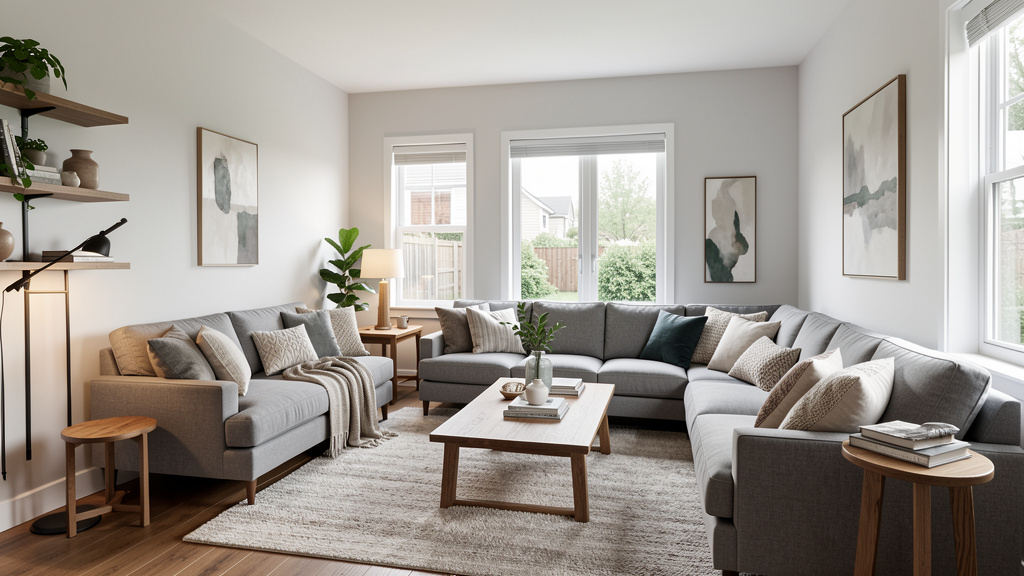
Move beyond clichés and cultivate a home that breathes with the soul of the sun-drenched coast—rooted in history, responsive to your life, and resilient across climates.
Mediterranean interior design is not a catalog of decorative items to collect. It is a centuries-old dialogue between human habitation and a specific geography—a response to intense sunlight, sea breezes, rugged landscapes, and communal living. True authenticity emerges not from importing terracotta tiles or painting walls “Tuscan gold,” but from understanding the why behind every material choice, spatial arrangement, and color decision. This guide dismantles the souvenir-shop version of Mediterranean style and rebuilds it using the foundational Trinity Framework: Earth, Light, and Craft. Whether you reside in a humid Florida bungalow, a compact Chicago apartment, or a newly built California ranch, you will discover precisely how to translate these timeless principles into a space that feels genuinely rooted, deeply comfortable, and uniquely yours—without a single plastic olive branch in sight.
Introduction: Beyond the Postcard Fantasy
Walk into any major home goods retailer, and you’ll likely encounter the “Mediterranean aisle”: mass-produced wrought-iron sconces shaped like grapevines, ceramic pitchers stamped with faux-antique labels, and paint chips promising “Santorini Blue” or “Tuscan Sunset.” This commercialized aesthetic has created a persistent myth—that Mediterranean design is a theme to be applied, a collection of visual tropes to assemble. The result? Rooms that feel costumey, disconnected from their actual environment, and strangely hollow. The warmth is missing. The story is absent. The soul has been Photoshopped out.
Authentic Mediterranean design, observed across the villages of Tuscany, the Cycladic islands of Greece, the whitewashed towns of Andalusia, and the coastal hamlets of Croatia, operates on a completely different logic. It is vernacular architecture—a term architects use to describe building traditions developed organically by local communities over generations to solve specific environmental and social challenges. There were no interior designers in 15th-century Puglia selecting “accent colors.” Instead, builders used limestone quarried from the hill behind the village because it was abundant, thermally massive (absorbing heat by day, releasing it slowly at night), and reflected sunlight to keep interiors cool. They oriented windows toward the sea breeze. They crafted furniture from local olive wood because it was durable and readily available. Every choice was functional, sustainable, and deeply connected to place.
This guide synthesizes documented patterns from historical architectural records, conservation guidelines published by European heritage organizations such as Italia Nostra and the Hellenic Society for the Protection of Traditional Buildings, and documented case studies of thoughtful modern adaptations across diverse global climates. We move beyond superficial inspiration to deliver a principle-based system. You will learn not just what defines the style, but how to thoughtfully reinterpret its core intelligence for your specific home, budget, and lifestyle. This is design with intention, respect, and enduring relevance. The journey begins with understanding the three inseparable pillars that have shaped homes around the Mediterranean basin for centuries.
The Trinity Framework: Earth, Light, Craft
Forget memorizing a list of “must-have” items. Lasting Mediterranean design emerges from the dynamic interplay of three fundamental forces. Master these, and every subsequent decision—from paint color to furniture placement—becomes intuitive, authentic, and resilient. This is not a decorative checklist; it is a design philosophy. The Trinity Framework provides the cognitive anchor that transforms scattered ideas into a cohesive, meaningful whole. When you grasp these pillars, you stop asking, “Does this look Mediterranean?” and start asking, “Does this honor the spirit of Earth, respond wisely to Light, and celebrate honest Craft?” The answers will guide you with clarity.
Pillar 1: Earth – The Grounded Foundation
Earth is the physical and philosophical bedrock. It speaks to materiality, texture, color derived directly from the landscape, and a profound connection to place. This pillar rejects the sterile, perfectly smooth surfaces of generic modern design in favor of tactile authenticity. It is the coolness of a stone floor under bare feet at noon, the rough-hewn texture of a plaster wall that catches the afternoon light, the warm grain of reclaimed chestnut beams overhead. Earth is about honesty of material—allowing stone to show its geological character, wood to reveal its growth rings and history, clay to bear the subtle impression of its making.
Why This Pillar Matters: In Mediterranean climates, materials were chosen for functional resilience. Thick stone or adobe walls provided thermal mass, stabilizing indoor temperatures against scorching days and cool nights. Local sourcing minimized transport and embodied regional knowledge. Psychologically, these textures foster grounding, stability, and organic warmth that smooth drywall and laminate cannot replicate. Neglecting Earth often results in spaces that feel transient, artificial, or disconnected—a stage set rather than a sanctuary.
Implementing Earth Authentically: A Layered Approach
-
Floors: The Literal Grounding Element
- Ideal Path: Handmade terracotta tiles (cotto) or Spanish baldosas hidráulicas (hydraulic cement tiles). True cotto features soft color variations (pale salmon to deep rust), slight irregularities, and develops a rich patina over time. Hydraulic tiles offer intricate, mineral-pigmented patterns. In cooler or humid climates (Pacific Northwest, Southeastern US), reclaimed wide-plank oak or chestnut with a matte, limed finish provides comparable warmth and texture while aligning with local conditions. Variation is essential—avoid machine-perfect uniformity.
- Budget-Conscious Path: High-quality porcelain tiles designed to mimic the subtle imperfections of handmade terracotta or hydraulic tiles. Look for tiles with randomized patterns and micro-bevels. For wood alternatives, select planks with visible grain variation and light distressing. Helpful Note: Porous natural tiles benefit from a penetrating sealer applied before grouting to support long-term maintenance—a step sometimes overlooked during installation.
- Temporary Solution: A large, flat-woven jute or sisal rug with a subtle geometric border. Layer with a smaller vintage kilim for added depth. This immediately introduces essential Earth texture and warmth. Avoid shiny, synthetic rugs, which counter the pillar’s intent.
-
Walls: The Canvas of Texture
- Ideal Path: Limewash or Tadelakt plaster. Limewash (slaked lime, water, natural pigments) is breathable, antimicrobial, and develops a soft, evolving patina. Tadelakt, a polished lime plaster technique from Morocco, becomes water-resistant when sealed with olive oil soap—ideal for bathrooms. Both require skilled application but yield unparalleled depth. Surfaces should feel gently textured, not glass-smooth.
- Budget-Conscious Path: Venetian plaster (marmorino) applied in multiple thin layers and burnished. Modern pre-mixed versions offer greater accessibility. For simpler execution, mix a fine sand or marble dust additive into high-quality matte paint and apply with a trowel or heavy-nap roller to create subtle shadow-catching ridges. Helpful Note: Matte or flat finishes absorb light softly, enhancing calm; high-gloss paints reflect harshly and feel incongruent with this aesthetic.
- Temporary Solution: A large-scale wall hanging woven from natural fibers (wool, cotton, raffia) on a focal wall. Alternatively, install reclaimed wood planks (such as shou sugi ban) on a single accent wall to introduce immediate tactile presence.
-
The Earth Color Palette: Nature’s Unchanging Palette
Think geology, not paint chips. Stand on a hillside in Umbria at dawn. What do you see?- Base Neutrals (70% of your space): Pietra Serena (greyish-beige limestone), Bianco Avorio (ivory, not stark white), Terra di Siena (raw sienna earth pigment), weathered oak, dried wheat fields. These form your wall colors, large furniture, and floor bases.
- Accent Earth Tones (25%): Ocra (ochre), Terra Rossa (Sardinian red earth), aged leather brown, olive leaf grey-green, volcanic charcoal. These appear in textiles, pottery, and smaller furnishings.
- Accent “Sky & Sea” Tones (5% MAX): Azzurro (soft Tuscan sky blue), Blu Notte (twilight indigo), muted sea-green. Crucially: These colors feel earned by the base palette. Santorini blue pairs with brilliant white because the white reflects local volcanic ash plaster. Inland Tuscany uses almost no blue—it’s all earth. A splash of pure, saturated cobalt on a beige wall without contextual harmony feels applied, not integrated.
The Guiding Insight: Authentic Mediterranean design does not impose color upon a space; it reveals the color inherent in the materials themselves. The rust in the terracotta, the grey in the limestone, the warmth in the wood—these are your true colors. Paint enhances; it does not dominate.
Pillar 2: Light – The Dynamic Sculptor
Light in the Mediterranean is not merely illumination; it is an active design element, a daily rhythm, and a climatic partner. The intense, clear sunlight of southern Europe sculpts space, defines texture, and dictates daily patterns. Authentic design works with this light—harnessing its warmth, softening its glare, and celebrating its transformative journey from dawn to dusk. This pillar is where many modern interpretations falter—flooding a room with harsh overhead LEDs and calling it “bright,” missing entirely the nuanced dance of light and shadow fundamental to the region.
Why This Pillar Matters: Historically, light management was essential for comfort. Small, strategically placed windows minimized heat gain while capturing breezes. Deep window reveals (thick interior walls around openings) created shaded ledges and softened transitions from bright exterior to cool interior. Shutters (persiane) were functional necessities—adjusted throughout the day to filter light, ensure privacy, and protect interiors. Ignoring Light results in spaces that feel flat, harsh, or disconnected from natural cycles—a departure from the Mediterranean spirit.
Harnessing Light Authentically: A Daily Choreography
-
Window Treatments: Function First
- Ideal Path: Exterior wooden shutters. Where feasible, these block heat before it enters the glass, offering superior climate control. Typically painted in faded, weathered tones—soft olive green (verde oliva), sky blue (azzurro), or natural grey wood. Interior louvered shutters allow precise adjustment: close top louvers to block direct sun while keeping bottoms open for airflow and view. Helpful Note: Proper sizing to fully cover the window opening when closed supports authenticity and function.
- Budget-Conscious Path: Solid wood interior plantation shutters (not vinyl) with adjustable louvers in a soft, muted matte tone. For textiles, linen roller or Roman shades in unbleached oat-colored linen diffuse light beautifully and add texture. Avoid: Vinyl mini-blinds, sheer polyester curtains that create glare, or heavy blackout curtains that sever connection to outdoors.
- Temporary Solution: Simple wooden café curtains (covering lower window half) in natural linen or cotton provide privacy while maintaining sky views. Pair with a small, adjustable wooden shutter decal inside the frame to mimic louvered light control—a subtle visual cue.
-
Artificial Lighting: Layered, Warm, Human-Scale
- Ideal Path: Move away from a single central ceiling fixture. Mediterranean homes favor layered, low-level lighting:
- Ambient: A single low-wattage bulb in a simple wrought-iron or ceramic pendant over a dining table; wall sconces with fabric shades casting warm downward pools.
- Task: Adjustable brass or iron swing-arm lamps beside reading chairs; small ceramic table lamps.
- Accent: Candles (beeswax or quality soy) in simple iron or ceramic holders; uplights grazing textured walls.
- Helpful Specification: Color temperature is key. Bulbs at 2700K or lower (ideally 2200K–2400K for candle-like warmth) support ambiance. Anything above 3000K introduces a clinical feel. Dimmers on every circuit allow light to adapt to time of day and mood. Position light sources below eye level when seated to avoid harsh facial shadows.
- Budget-Conscious Path: Replace all bulbs with warm-dim LEDs (2200K–2700K). Install plug-in wall sconces with fabric shades. Use multiple small table lamps instead of one floor lamp. Thrift stores often yield simple ceramic or metal lamp bases—re-wire with warm bulbs and natural linen shades.
- Temporary Solution: A cluster of pillar candles (real or high-quality flameless LED with warm flicker) on a central table. Turn off overhead lights. This simple shift creates immediate warmth and focus.
- Ideal Path: Move away from a single central ceiling fixture. Mediterranean homes favor layered, low-level lighting:
-
Architectural Light Manipulation: Creating Depth
- Ideal Path (during renovation): Incorporate deep window reveals (8–12 inches) to create shaded interior ledges and soften light entry. Arched doorways or niches (nicchie) diffuse light gently. A small interior courtyard or light well (even simulated with a skylight and potted citrus) brings controlled, diffused light inward.
- Budget-Conscious Path: Paint the interior of a window frame a slightly darker shade than the wall. Install a shallow wooden shelf inside the frame to mimic a reveal. Place a large arched floor mirror to reflect window light into darker corners.
- Temporary Solution: Position a tall, leafy plant (fiddle-leaf fig, olive tree) near a bright window. The dappled light filtering through leaves onto walls or floors creates an instant, living connection to the Mediterranean interplay of light and shadow.
Pillar 3: Craft – The Human Imprint
Craft is the soul of Mediterranean design. It is the visible evidence of human hands—the slight irregularity of a hand-thrown pottery bowl, the tool marks on reclaimed wood, the subtle variation in hand-troweled plaster. This pillar honors sustainability (items made to last generations), cultural continuity (techniques passed down), and emotional resonance (objects with story and patina). A room filled with flawless, factory-made replicas feels sterile. A room enriched with crafted elements feels lived-in, cherished, and alive.
Why This Pillar Matters: In pre-industrial Mediterranean societies, objects were made by hand—often by inhabitants or local artisans. Furniture was built for centuries of use from solid wood. Pottery served daily needs. Textiles were woven on family looms. “Imperfections” were signatures of authenticity, not flaws. Prioritizing Craft supports mindful consumption, reduces waste, and fosters deeper connection to your home. It transforms space from a collection of commodities into a curated repository of meaning.
Integrating Craft Authentically: Intention Over Inventory
-
Furniture: Substance Over Style
- Ideal Path: Reclaimed or antique pieces with visible history: a Tuscan cassapanca (hope chest) scarred with age, a Spanish mesa camilla with ironwork, a Greek krevati (bed frame) in solid olive wood. Look for mortise-and-tenon joints, hand-forged hardware, visible wood grain. Finishes should be matte—waxed, oiled, or lightly painted—not high-gloss polyurethane. Helpful Note: When sourcing antique or reclaimed items, prioritize dealers who document provenance and practice ethical stewardship. True patina is subtle and earned; artificially distressed finishes often lack authenticity.
- Budget-Conscious Path: Solid wood furniture (oak, chestnut, walnut) from makers emphasizing traditional joinery. Avoid particleboard or veneers that peel. Support local woodworkers or artisans on platforms like Etsy. Key Strategy: Invest in one significant crafted piece per room (e.g., dining table, bed frame); supplement with simpler, well-made items. A single beautifully crafted table anchors the entire space.
- Temporary Solution: Thrift and transform. Find solid wood furniture at salvage yards or thrift stores. Strip shiny finishes if feasible; apply natural beeswax or linseed oil to reveal wood character. Replace modern hardware with simple, hand-forged iron pulls. This act of restoration is craft—it connects you directly to the object’s potential.
-
Textiles: Woven Stories
- Ideal Path: Handwoven textiles using natural fibers: Italian telai (loom-woven) linen with herringbone weaves, Greek flokati-inspired wool rugs, Spanish mantón de Manila shawls as wall hangings. Look for irregularities in weave, natural dye variations (indigo, madder root), and evidence of hand-finishing. Texture is paramount: rough-hewn linen, nubby wool, soft cotton.
- Budget-Conscious Path: Seek vintage textiles—a worn Turkish kilim, a faded French grain sack as a pillow cover, a vintage Italian table runner. For new items, prioritize 100% natural fibers (linen, cotton, wool, jute) with simple textured weaves (basketweave, herringbone). Helpful Note: Wash new linen multiple times before use; it softens beautifully and develops a relaxed drape essential to the aesthetic. Avoid synthetic blends, which lack breathability and feel.
- Temporary Solution: Drape unbleached, heavyweight linen (available by the yard) over a sofa back or as a table runner. Fold a vintage wool blanket at the end of a bed. The visible weave and gentle fading tell a quiet story.
-
Decorative Objects: Meaningful Curation
- Ideal Path: Functional art. Hand-thrown ceramic pitchers (orcio) from Umbria holding utensils. A hand-forged iron candle holder. A wooden bowl carved from olive wood. A collection of smooth, sea-worn stones from a meaningful place. Display sparingly—Mediterranean homes are not cluttered museums. Group items in odd numbers for visual harmony.
- Budget-Conscious Path: Visit local farmers’ markets or craft fairs. Support potters, woodworkers, and weavers in your community. A hand-thrown mug from a local artisan carries the same Craft spirit as an imported piece. Display natural elements: pinecones, dried lavender bundles, driftwood. Guiding Philosophy: “Buy once, choose well.” One meaningful, well-made object outweighs ten disposable trinkets.
- Temporary Solution: Clear surfaces. Remove mass-produced decor. Place a single beautiful object where it can be appreciated: a smooth river stone in a ceramic dish, a stem of dried wheat in a simple vase, a well-loved book with a textured cover. Intentional emptiness honors Craft by refusing meaningless clutter.
Regional Variations: Honoring Nuance Within the Trinity
“Mediterranean design” is a useful umbrella, but authenticity deepens when we recognize distinct regional personalities shaped by coastline, history, and culture. Applying a generic template risks pastiche—a confusing mix of Greek blue, Spanish tile, and Tuscan gold that feels inauthentic to all. The Trinity Framework (Earth, Light, Craft) provides the universal foundation; regional variations are nuanced expressions of that framework. Understanding these differences allows you to choose a direction that resonates or to blend elements with intention, avoiding superficial appropriation.
Tuscan & Central Italian: The Earth-Toned Heartland
- Context: Rolling hills of Umbria, Tuscany, Le Marche. Inland, agrarian society centered on vineyards, olive groves, wheat fields. Strong Renaissance influence layered over deeply rustic vernacular (rustico).
- Earth Manifestation: Warm, rich earth tones dominate. Walls: Pietra Serena grey-beige plaster, exposed rough-hewn stone (pietra a vista), or warm ocra limewash. Floors: Handmade cotto terracotta in deep rust and salmon hues. Wood: Heavy, visible chestnut or walnut beams (travi a vista), furniture with robust lines. Key Differentiator: Abundant exposed wood and stone. Ceilings often feature massive chestnut beams. Palette is almost exclusively soil and crop-derived—ochre, sienna, olive green, wheat gold. Blue is exceptionally rare.
- Light Manifestation: Smaller windows (for winter heat retention) with deep stone reveals. Shutters typically verde oliva (olive green) or weathered wood. Light is warm, golden, diffused through hazy hill air. Interiors feel cozy, grounded, intimate.
- Craft Manifestation: Cassapanche (decorated hope chests), madie (large wooden cupboards), wrought-iron bed frames with simple scrollwork. Pottery: rustic maiolica from Deruta or Gubbio—earthy tones with hand-painted motifs in manganese purple, copper green, ochre. Textiles: heavy wool (orbace) or rough linen. Avoid: Overloading with faux grapevine motifs, plastic “wine barrel” decor, or excessive faux finishes mimicking aged plaster. Authenticity lies in material honesty—not applied decoration.
Greek Isles (Cycladic): The Luminous Minimalism
- Context: Stark, wind-swept islands (Santorini, Mykonos, Paros). Volcanic geology, intense sun, strong meltemi winds, proximity to the Aegean Sea. Architecture responds directly to harsh elements: compact cubic forms withstand wind; brilliant white reflects heat.
- Earth Manifestation: Whitewash is functional and essential. Made from slaked lime, it is antimicrobial, reflects heat, and is traditionally reapplied. Walls are smooth, curved (volta) to deflect wind. Floors: Local volcanic stone (asvestis), smooth cement (tsiment), or simple terracotta. Key Differentiator: Dramatic contrast. Stark white walls against deep blue sea and sky. Accent colors are only context-derived: Ypero (cobalt blue of church domes, used sparingly on doors/shutters), terracotta roof tiles, volcanic grey. Earthy ochres or warm beiges belong to the mainland, not here.
- Light Manifestation: Small, deep-set windows with blue-painted wooden shutters (portes) control blinding glare. Arched doorways and niches soften light. White surfaces act as reflectors, bouncing soft, diffused light deep indoors. Light quality is crisp, clear, serene. Critical Note: Blue accents are always paired with brilliant white. Using “Greek blue” on a beige wall is a fundamental misstep.
- Craft Manifestation: Simple, functional furniture: low wooden beds (krevati), built-in stone benches (sofas), minimal ornamentation. Decor is sparse: hand-thrown ceramic bowls, woven straw baskets (koupos), simple iron lanterns. Craft resides in architecture—the perfect curve of a wall, precise whitewash application. Avoid: Cluttering with excessive blue-and-white pottery, plastic “Greek key” patterns, or fake bougainvillea. Authentic Cycladic style thrives on restraint and negative space. The view is the decor.
Andalusian (Southern Spanish): The Ornate Fusion
- Context: Southern Spain (Andalusia), shaped by centuries of Moorish influence followed by Christian reconquest. Hot, dry climate. Architecture reflects Islamic principles of privacy, inward focus, and cooling.
- Earth Manifestation: Walls: Smooth white encalado (limewash) plaster, often with intricate yesería (stucco carvings) around arches. Floors: Colorful azulejo tiles (glazed ceramic with geometric/floral patterns in cobalt, emerald, sunflower yellow on white) or baldosas hidráulicas (hydraulic cement tiles). Key Differentiator: Pattern and color. While white dominates, Andalusian style embraces vibrant, intricate tilework and painted wood (artesonado ceilings). Earth tones share the stage with bold accents.
- Light Manifestation: Houses center around a private patio (courtyard) with a fountain—a cool-air oasis. Windows face inward to the patio, not the street, ensuring privacy and climate control. Rejas (wrought-iron grilles) are highly ornate, casting beautiful shadow patterns (calados) on walls throughout the day. Light is filtered, patterned, intimate.
- Craft Manifestation: Exquisite azulejo tilework, hand-painted Talavera ceramics, intricate wrought-iron (hierro forjado) on gates and light fixtures, carved wooden ceilings (artesonado). Textiles feature bold stripes (fajas) or floral prints. Avoid: Random tile patterns without understanding placement (tiles typically accent lower walls, floors, or niches—not entire walls haphazardly). Avoid cheap “flamenco” decor (fans, dolls), which is tourist kitsch. Authenticity lies in tilework, ironwork, and wood carving quality—not stereotypical symbols.
Coastal French (Provence & Riviera): The Lavender-Hued Refinement
- Context: Southeastern France—from lavender fields of Provence to Côte d’Azur villas. Blend of rustic Provençal farmhouses (mas) and elegant Belle Époque architecture. Softer light than Greece, more refined than rustic Tuscany.
- Earth Manifestation: Walls: Soft, warm whites (blanc cassé) or pale, sun-bleached colors—lavender grey, sage green, butter yellow—applied with limewash for subtle texture. Floors: Wide-plank chêne (oak), often bleached or limed; or tomettes (hexagonal terracotta) in muted rose or ochre. Key Differentiator: The “washed” palette. Colors feel sun-bleached, faded by time and light. Less saturated than Spanish accents, warmer than Greek white. Natural materials are refined—smooth stone, polished wood.
- Light Manifestation: Large windows and French doors (portes-fenêtres) opening to terraces or gardens, embracing gentle Provençal light. Shutters (volets) painted in soft muted colors: bleu provençal (greyish-blue), vert d’eau (seafoam green), weathered grey. Light is soft, golden, diffused—especially during Provence’s famed “golden hour.”
- Craft Manifestation: Fauteuils (armchairs) with woven rush seats (assises en paille), guéridons (small round tables), painted commodes with floral motifs (toile de Jouy). Textiles: classic Provençal prints (indienne block-printed cotton), striped matelassage (quilting). Wrought iron is delicate and elegant. Avoid: Overusing loud “Provence purple” or cramming every surface with toile fabric. Authentic style favors elegance and restraint—a single well-placed toile pillow, not an entire room covered. Avoid plastic lavender bundles; use dried lavender sparingly in a ceramic pot.
Thoughtful Synthesis: You need not choose one region exclusively. The key is intentional blending. Example: A California home might use the Earth of Tuscany (warm plaster walls, terracotta floors) for grounding, the Light strategy of Greece (deep window reveals, strategic shutters) to manage intense sun, and the Craft sensibility of Provence (refined linen textiles, delicate ironwork) for elegance. The unifying thread is consistent application of the Trinity Framework. Avoid mixing high-contrast elements without mediation (e.g., stark Cycladic white walls with heavy Tuscan chestnut beams can work if beams are painted light grey to harmonize). Always ask: “Does this combination serve Earth, Light, and Craft principles, or is it a visual mashup?”
Material Mastery: Understanding Function and Form
Understanding why traditional materials work unlocks intelligent substitutions for your climate, budget, or values. This is not rigid dogma; it’s respecting the functional intelligence embedded in vernacular design. Below is a practical exploration of key materials, their properties, and thoughtful modern pathways.
Terracotta Tiles (Cotto): Beyond Surface Appearance
- Traditional Role & Properties: Handmade cotto is porous, breathable, and possesses thermal mass. It absorbs heat slowly during the day (keeping floors cool) and releases it gently at night. Iron oxide in the clay creates warm hues. Slight irregularities (warpage, color variation) are hallmarks of authenticity. It develops a rich patina over decades with use and waxing.
- Practical Consideration: Proper sealing supports longevity. A penetrating sealer applied before grouting helps prevent staining on porous surfaces. Grout color close to the tile (e.g., warm grey for rust tiles) avoids a “checkerboard” effect; stark white grout is a modern departure. Helpful Note: Skipping pre-sealing is a common oversight that can lead to maintenance challenges.
- Climate-Responsive Alternatives:
- Humid Climates (Southeast US, Gulf Coast): Genuine terracotta may require meticulous sealing in high humidity. Consider: High-quality porcelain tiles mimicking cotto texture and variation. Look for matte or soft-texture finishes and PEI rating 4+ for durability. Porcelain’s impervious nature suits humid environments.
- Cold Climates (Northeast, Midwest): Terracotta’s thermal mass is beneficial but feels cool underfoot in winter. Consider: Install over radiant floor heating—the tile stores and radiates warmth evenly. Pair with thick wool rugs in living areas. If radiant heat isn’t feasible, wide-plank engineered wood with a matte, limed finish offers similar warmth and texture.
- Budget Path: Seek “seconds” or reclaimed cotto from architectural salvage. Imperfections add character. Alternatively, use porcelain tiles mimicking baldosas hidráulicas for a Spanish accent in smaller areas (entryway, bathroom).
Limewash & Plaster: Walls That Breathe
- Traditional Role & Properties: Limewash (slaked lime putty, water, natural pigments) is vapor-permeable (“breathable”), allowing moisture within walls to evaporate—critical for old stone buildings and humid climates. It has natural antimicrobial properties. Its matte finish absorbs light softly. It develops a unique, evolving patina. Tadelakt (Moroccan polished lime plaster) becomes waterproof through compression and olive oil soap sealing, ideal for wet areas.
- Practical Consideration: Limewash requires multiple thin coats and proper surface preparation. It cannot be applied directly over modern latex paint or unprimed drywall without risk of failure. Helpful Note: For existing drywall homes, professional consultation is often valuable for large applications. Initial slight rubbing (“chalking”) is part of the curing process.
- Modern Pathways:
- For Drywall Homes: Venetian plaster (marmorino) can be applied over properly primed drywall. Modern pre-mixed versions offer greater accessibility. Apply in thin layers with a trowel, burnishing the final layer. Budget-Friendly: Mix fine sand or marble dust into high-quality matte paint; apply with a trowel or heavy-nap roller for texture. While not breathable like true lime, it captures the visual spirit.
- For Bathrooms: True Tadelakt requires specialized skill. Consider: High-quality microcement applied by a certified installer for seamless, textured, waterproof finishes in earthy tones. For DIY-friendly options, large-format porcelain tiles mimicking polished plaster with minimal grout lines.
- Paint Alternative: Mineral-based paints (e.g., Farrow & Ball Distemper, Earthborn Claypaint) offer exceptional matte depth and subtle texture on properly prepared modern walls.
Wood Selection: Honoring Grain and Origin
- Traditional Species & Use: Builders used local, durable woods. Olive wood: Dense, beautiful grain, rot-resistant—used for small furniture, bowls. Chestnut: Abundant in Tuscany/Umbria, durable—used for beams, structural elements, furniture. Cypress: Naturally rot-resistant—used for shutters, doors, outdoor furniture. Local Pine: Softer, used for interior doors, paneling. Key Insight: Wood was often left unfinished or treated with natural oils/waxes to show true character. Dark, glossy stains are largely a later import.
- Finishing Guidance: Avoid polyurethane for an authentic feel. Consider: Hard-wax oil (e.g., Osmo, Rubio Monocoat) for floors/furniture—it penetrates, enhances grain, allows wood to breathe, and is repairable. For beams/accents, a simple beeswax and linseed oil mixture nourishes and warms without plastic-like film.
- Ethical & Practical Paths:
- Sustainable Sourcing: Prioritize reclaimed wood from salvage yards (carries authentic patina) or FSC-certified new wood. Rapidly renewable options like strand-woven bamboo (for flooring) or certified sustainable oak are viable.
- Non-Structural Beams: For aesthetic beams in modern homes, lightweight materials like high-density foam wrapped in real wood veneer can be effective. Finish to match the room’s palette; avoid perfectly uniform, new-looking beams. Helpful Tip: Position beams parallel to the shorter wall dimension for visual balance—a subtle architectural detail.
Color Psychology: Emotion Woven into Palette
Color in authentic Mediterranean design is deeply tied to place, time of day, and room purpose—not arbitrary trends. This section offers intention-based guidance for key living spaces, grounded in regional patterns and human experience.
The Living Room: Cultivating Convivio (Togetherness)
- Emotional Goal: Warmth, welcome, connection, relaxed conversation—the heart of the home (salotto).
- Palette Strategy: Anchor with a warm, earthy neutral on walls—Bianco Avorio (ivory) limewash or soft Pietra (stone) grey-beige. This creates a calm, embracing backdrop. Introduce depth through large textiles: sofa in unbleached linen or warm taupe wool. Layer accent colors from the Earth pillar: terracotta rust in throw pillows, olive green in a woven blanket, volcanic charcoal in a ceramic vase. Avoid cool greys or stark whites—they can feel sterile for this social space.
- Light Interaction: Warm wall colors absorb golden hour light beautifully, enhancing evening warmth. Matte finishes prevent glare, maintaining calm. Use warm-dim lighting (2200K–2700K) in table lamps to create intimate pools of light for conversation corners.
- Regional Nuance: Tuscan-inspired rooms lean into ochre and sienna accents. Provençal-inspired rooms might include a single subtle bleu provençal (grey-blue) accent in a ceramic lamp base or linen pillow stripe—evoking the distant sea without overwhelming the earthy base.
The Bedroom: Embodying Riposo (Restful Repose)
- Emotional Goal: Calm, sanctuary, deep rest, tranquility—a true retreat.
- Palette Strategy: Walls should be the softest, most muted tone in the home: Bianco Sporco (warm off-white with hint of grey/beige) or, in cooler climates/north-facing rooms, a very pale warm grey (Grigio Perla) for coziness. Crucially: Avoid strong colors on all four walls. If using an accent color (soft Azzurro sky blue, Verde Salvia sage green), apply it only on the wall behind the bed. Bedding in natural linen or cotton (ivory, oat, soft grey)—textural, not patterned.
- Light Interaction: Pale, matte walls maximize reflection of available natural light by day. At night, warm, low-level lighting (bedside wall sconces with fabric shades, dimmed low) creates a cave-like sense of security. Ensure window coverings support complete darkness when needed (lined linen curtains, functional shutters).
- Regional Nuance: Cycladic-inspired bedrooms use brilliant white walls/ceilings to maximize light reflection, paired with crisp white linen. The only accent might be deep blue shutter frames visible through the window. Spanish patio-inspired bedrooms might feature subtle azulejo-inspired tile accents around a niche for a small fountain or plant—introducing gentle sound and pattern without clutter.
The Kitchen: Honoring Cucina (Nourishment & Heart)
- Emotional Goal: Warmth, functionality, gathering, sensory richness—the true social hub (cucina abitabile).
- Palette Strategy: Let materials speak. Warm terracotta or tomette floors form the foundation. Cabinetry: simple, matte Bianco Avorio paint or natural, oiled wood (chestnut, oak). Avoid high-gloss finishes. Consider open shelving of reclaimed wood displaying beautiful ceramic pottery, copper pots, woven baskets—adding Craft and lived-in warmth. Accent colors emerge from functional objects: olive oil bottle green, terracotta cookware rust, dried pepper red.
- Light Interaction: Task lighting is essential. Warm-dim (2700K) LED strips under upper cabinets or shelves illuminate countertops without shadows. A single low-hanging pendant with fabric shade over the island/table provides focused ambient light. Maximize natural light with unobstructed windows and simple linen café curtains.
- Regional Nuance: Tuscan cucina features heavy wooden beams, a large stone/brick fireplace (focolare), warm ocra walls. Provençal kitchens might have pale blue (bleu lavande) lower cabinets with natural wood uppers, open shelves displaying faïence pottery. Andalusian kitchens incorporate colorful azulejo tiles as a backsplash accent behind the stove.
The Bathroom: Creating Bagno (Sanctuary & Ritual)
- Emotional Goal: Serenity, cleansing, sensory retreat, connection to elemental water.
- Palette Strategy: Prioritize tactile materials. Floors: textured porcelain mimicking stone or terracotta (for slip resistance). Walls: Limewash-effect plaster in soft warm white or pale grey. For deep sanctuary, consider Tadelakt-inspired microcement in muted earth tone (soft taupe, warm grey) for the shower area—seamless, tactile, calming. Accent with natural elements: wooden stool (sgabello), stone vessel sink, woven seagrass baskets. Avoid cool white tiles, chrome fixtures (choose unlacquered brass or matte black iron), harsh lighting.
- Light Interaction: Layered lighting is essential. Eliminate single bright overhead lights. Install:
- Ambient: Sconces with fabric shades on each side of the mirror (not above—avoids under-eye shadows).
- Task: Dimmable warm-dim (2700K) LED strips hidden in niches or under vanities.
- Accent: Small shielded uplight grazing a textured wall or highlighting greenery. Candles (real or quality LED) add ritual warmth.
- Regional Nuance: Greek-inspired bathrooms use brilliant white microcement walls/floors, with deep blue only on shower niche trim or a single hand-painted tile. Moroccan hammam-inspired spaces use warm-toned plaster, intricate tile accents in emerald or cobalt around steam areas, brass fixtures. Helpful Note: Authentic handmade zellige tiles require expert installation; high-quality porcelain alternatives mimicking texture and variation are practical for most homes.
Furniture & Layout: Flow, Function, and the Spirit of Passeggiata
Mediterranean interior layout responds to climate, social customs, and connection to outdoors. The concept of passeggiata—the evening village stroll—is mirrored indoors: spaces encourage movement, connection, and seamless transition between inside and out. Furniture facilitates conversation, not screen-focused isolation. Rooms flow around courtyards or garden views. This section translates these spatial principles into adaptable layouts for contemporary living.
The Central Principle: Inward Focus & Connection to Nature
- Traditional Spatial Logic: Homes are often introverted. Windows face inward toward a private courtyard (patio, cortile) rather than the street—providing privacy, security, climate control (courtyard acts as a cool air well), and a protected outdoor living space. The courtyard is the true heart—a place for cooking, dining, socializing. Even without a full courtyard, the principle is vital: create a focal point drawing life inward or outward to nature, not to a blank wall.
- Modern Adaptation Strategies:
- Homes with Yard/Patio: Orient main living furniture toward the largest window or glass door leading outside. Create a “visual courtyard” with potted citrus trees (lemon, olive), lavender, or rosemary just outside the door. Use consistent flooring material (e.g., large-format porcelain mimicking stone) from interior through the doorway onto the patio—blurring boundaries. Install French doors or large sliding glass doors with minimal frames.
- Apartments or Urban Homes: Create an interior focal point. If you have a fireplace, arrange seating to face it. Otherwise, create a “conversation nook”: float a sofa away from the wall (if space allows), facing two armchairs with a low, substantial coffee table (wood or stone top) between them. Place a large textural area rug under all furniture legs to define the zone. Position TV off-center or on a swivel mount so it doesn’t dominate; primary focus should be human connection. Use large mirrors opposite windows to reflect light and simulate depth.
- Courtyard Illusion (Windowless Rooms): In a basement or interior room, create a “sanctuary corner.” Install a high-resolution mural of a Mediterranean courtyard scene. Place a small quiet tabletop fountain on a stone-textured mat. Add potted ferns and a comfortable chair with a reading lamp. This evokes the inward-focused tranquility of a true patio.
Furniture Arrangement: The Conversation Circle
- Traditional Layout Pattern: Seating arranged in intimate groupings encouraging face-to-face interaction. Sofas and chairs placed closer than typical modern layouts (aim for 7–8 feet between seating faces). Coffee tables low and substantial (wood, stone, iron base with wood top)—not glass. Side tables within arm’s reach. No “TV wall” as primary focal point. If a TV is present, it is discreetly housed or mounted low on a side wall.
- Actionable Room Layouts:
- Living Room: Create two zones if space allows: primary conversation area (sofa + two chairs + coffee table) and secondary quiet zone (armchair with floor lamp near bookshelf). Ensure clear pathways (at least 3 feet wide) for easy movement. Floating furniture away from walls creates intimacy.
- Dining Area: Table should be substantial—wood is ideal. Position where it benefits from natural light but avoids harsh direct sun. Allow 36+ inches clearance between table edge and walls/furniture for chair movement. A single low-hanging pendant (wrought iron, ceramic, fabric shade) hangs 30–36 inches above table surface. Helpful Detail: Use linen or cotton tablecloths/placemats—the texture and sound soften the space.
- Bedroom: Position bed with headboard against the solid wall farthest from the door (creates security). Avoid placing bed directly in line with the door. Nightstands on both sides with warm, dimmable lamps. Create a small seating area in a corner with a comfortable chair, ottoman, and floor lamp—for morning coffee or evening reading. Keep surfaces clear except for meaningful objects.
Furniture Selection: Form Follows Function (and Craft)
- Authentic Characteristics:
- Proportions: Low-slung profiles. Sofas and chairs have deeper seats and lower backs—designed for relaxed lounging. Tables often lower (14–16 inches for coffee tables).
- Materials: Solid wood frames (visible joinery like mortise-and-tenon is a plus). Upholstery in natural, textured fabrics: linen, cotton canvas, wool, leather (distressed, not glossy). Avoid synthetics (polyester, microfiber) which lack breathability and feel.
- Details: Hand-forged iron accents, visible wood grain, subtle distressing that looks earned. Turned wood legs (spindle, bun foot) rather than sleek metal.
- Sourcing Guidance:
- Investment Pieces: Dining table, bed frame, primary sofa. Prioritize solid wood construction and natural upholstery. Reputable makers emphasizing craftsmanship offer authentic character.
- Budget Strategy: Mix high and low. Buy a well-made solid wood table base; have a local stone yard cut a travertine or limestone top. Recover a thrifted armchair in quality linen. Customize IKEA solid wood frames (HEMNES, BJURSTA) with new hardware, matte paint, or reupholstery.
- Authenticity Filter: Before purchasing, ask: 1) Is it made of natural, honest materials? 2) Does it show evidence of thoughtful making? 3) Do its proportions feel grounded and relaxed? 4) Will it develop character over time? If yes, it belongs.
Adapting to Modern Life: Technology, Open Plans, and Sustainability
Authenticity does not require rejecting modernity. The true spirit of Mediterranean design is pragmatic adaptation—using available resources intelligently to enhance comfort and function. The challenge is integrating contemporary necessities without violating the Trinity Framework. This section offers respectful, practical solutions.
Taming Technology: Invisible Integration
- Core Consideration: Screens, wires, and plastic devices can disrupt the Earth, Light, and Craft pillars. The goal is harmony, not elimination.
- Integration Strategies:
- TV Concealment: Armoire Solution: House TV in a solid wood armoire with louvered or paneled doors. Close doors when not in use—the armoire becomes storage or display. Sliding Panel Solution: Install a custom sliding panel (reclaimed wood, textured plaster, woven rattan) on a track to cover the TV wall. Art Solution: Use a TV that displays art when idle (e.g., Samsung The Frame) with a mat and frame matching room wood tones. Helpful Note: Mount TV low—centered at seated eye level—to minimize visual dominance and neck strain.
- Wire Management: Run wires through walls/floors during renovation. For existing setups, use woven rattan or seagrass cord covers along baseboards. Group power strips inside a small lidded wooden box (scatola) under a side table.
- Smart Home Tech: Choose devices with natural materials (fabric-wrapped speakers). Place smart thermostats discreetly (inside cabinets, hallways). Use smart lighting advantageously: program warm-dim scenes mimicking natural light progression (brighter 3000K in morning; warm 2200K by evening).
Open-Plan Living: Defining Zones Without Walls
- Core Consideration: Traditional Mediterranean homes have defined rooms. Open plans can feel cavernous without intentional zoning.
- Zone-Defining Strategies Using the Trinity Framework:
- Earth (Flooring & Rugs): Use area rugs to define zones. Large textural jute/wool rug under living seating. Smaller durable flat-weave rug (kilim) under dining table. Different textures signal function without barriers. Advanced: During renovation, use two complementary flooring materials to define zones (e.g., wide-plank wood in living area transitioning to terracotta-look tile in kitchen), ensuring a smooth, intentional transition.
- Light (Layered Lighting): Most powerful tool. Install separate dimmer circuits per zone. Living area: warm, low-level ambient lighting (wall sconces, table lamps). Kitchen island: focused task lighting (pendants at 2700K). Dining area: single lower-hanging pendant. Control light levels independently to create distinct “rooms.” A floor lamp casting a pool of light visually separates a reading nook.
- Craft (Furniture & Screens): Use furniture arrangement to imply boundaries. Position the back of a substantial sofa (not low modern) toward the kitchen area. Place a low bookshelf (libreria bassa) or console table behind the sofa. For clearer separation, use a room divider: folding screen of reclaimed wood slats, tall potted olive tree in heavy ceramic pot, or floor-to-ceiling curtain rod with heavy linen curtains for privacy/acoustic separation when needed.
Sustainable & Ethical Adaptation: Honoring Original Spirit
- Core Alignment: Vernacular Mediterranean design was inherently sustainable—local materials, passive climate control, building for longevity. Modern adaptations honor this legacy.
- Actionable Practices:
- Material Sourcing: Prioritize reclaimed, salvaged, or certified sustainable wood. Choose natural fiber textiles (organic cotton, linen, wool, jute) over synthetics. Seek tiles with recycled content. Support local artisans or companies with transparent supply chains.
- Passive Climate Strategies: Install exterior shutters to reduce cooling load. Use thermal mass principles: choose tile or concrete floors in sun-exposed rooms to absorb heat. Plant deciduous vines (wisteria) on pergolas—shade in summer, sun in winter. Use light-colored, reflective roofing materials.
- Water Conservation (Dry Climates): In outdoor spaces, use drought-tolerant Mediterranean plants (lavender, rosemary, olive trees, santolina). Install rainwater harvesting for garden use. Choose low-flow fixtures in unlacquered brass or matte black iron.
- The “Slow Home” Philosophy: Repair and restore existing pieces. Buy fewer, higher-quality items built to last. Embrace patina—the scratches on a wood table tell a story of shared meals. This mindset deeply aligns with Mediterranean respect for craft, history, and mindful living.
Budget Tiers: Authenticity Through Intentional Steps
Authenticity is not contingent on budget. It is a matter of priority, intention, and smart sequencing. The Trinity Framework guides where to focus resources for maximum impact. This tiered approach ensures every step moves you closer to a soulful space.
Tier 1: The Foundation Shift ($0 – $500) – Transform Through Perception
Minimal financial investment, maximal intentionality. Focus on removing inauthentic elements and rearranging what you have.
- Light Pillar (Highest Impact): Replace all cool-white/daylight bulbs (3000K+) in main living areas with warm-dim LEDs (2200K–2700K). Install dimmer switches on key circuits. Cost: $50–$150. This single change profoundly shifts ambiance from clinical to cozy.
- Earth Pillar: Deep clean and declutter surfaces. Remove plastic items, shiny synthetic decor, excessive knick-knacks. Clear countertops, tabletops, shelves. Authentic spaces feel calm and uncluttered. Cost: $0.
- Craft Pillar: Rearrange furniture to create conversation zones. Pull sofa away from wall if possible. Angle chairs toward each other. Place a large textural natural fiber rug (jute, sisal) under the main seating group. Cost: $0–$200.
- The 24-Hour Action: Tonight, after sunset, turn off all overhead lights. Light only table lamps and candles (real or quality LED). Sit quietly. Notice the shift in mood. This is the Light pillar in practice. Cost: $0.
Tier 2: Strategic Texture & Tone ($500 – $2,500) – Layering Authentic Elements
Invest in high-impact textiles, paint, and crafted items delivering sensory richness per dollar.
- Earth Pillar: Paint one focal wall in a warm, earthy neutral (e.g., Sherwin-Williams Accessible Beige, Benjamin Moore Revere Pewter—always test large swatches at different times of day). Use matte/flat finish. Cost: $100–$200. Add major texture: purchase one high-quality large-scale linen or wool area rug for the main living area. Cost: $300–$800. Replace synthetic throw pillows with 2–3 covered in textured linen, wool, or vintage textile fragments. Cost: $100–$300.
- Light Pillar: Replace two key fixtures. Install a simple wrought-iron or ceramic pendant over the dining table. Add two plug-in wall sconces with fabric shades beside the sofa or bed. Ensure all bulbs are warm-dim. Cost: $200–$600.
- Craft Pillar: Source one meaningful crafted object. Visit a local farmers’ market or craft fair. Buy a hand-thrown ceramic bowl from a local potter. Find a vintage wooden bowl at a thrift store and oil it. Display prominently with a single natural element (pinecone, dried lavender sprig). Cost: $50–$200. Thrift and transform a solid wood chair or small table; apply natural beeswax finish. Cost: $50–$150.
- The 24-Hour Action: After adding the rug and crafted object, sit with the warm, dimmed lighting. Feel the increased grounding and authenticity. Cost: Time only.
Tier 3: Structural Authenticity ($2,500+) – Investing in Legacy
Renovations, custom pieces, or significant material changes. Prioritize based on home needs and pillar impact. Always verify contractor credentials.
- Earth Pillar (High ROI): Refinish existing wood floors with matte, limed finish. Or, install porcelain tiles authentically mimicking handmade terracotta/hydraulic tiles in high-traffic areas (entryway, kitchen). Cost: $3,000–$8,000+. Wall texture: hire a professional to apply Venetian plaster (marmorino) to a main wall or entire room. Cost: $2,000–$6,000.
- Light Pillar: Install exterior wooden shutters on key windows (front facade, main living area). Significant authenticity and functional upgrade. Cost: $1,500–$5,000+. Upgrade window treatments: high-quality interior plantation shutters or custom linen Roman shades. Cost: $1,000–$4,000.
- Craft Pillar: Commission one heirloom piece. Work with a local woodworker to build a solid wood dining table or bed frame using traditional joinery. Or, invest in a genuine antique piece (e.g., Tuscan cassapanca) from a reputable dealer with documented history. Cost: $2,000–$10,000+.
- The 24-Hour Action: After shutter or flooring installation, spend an evening adjusting shutters throughout the day to control light. Notice changes in temperature, glare, and ambiance. This active engagement deepens connection to the Light pillar. Cost: Time only.
Universal Wisdom: Authenticity is cumulative. A Tier 1 home executed with deep intention feels more genuine than a Tier 3 home filled with expensive but soulless items. Prioritize quality of material and intention over quantity of items. One beautiful, well-placed crafted object outweighs ten cheap accents. Document your journey—take “before” photos. Visual progress is motivating.
Common Mistakes & How to Avoid Them: An Authenticity Guide
Even thoughtful efforts can drift toward cliché. This section serves as a gentle diagnostic tool—awareness is the first step toward alignment.
Mistake 1: The “Theme Park” Overload
- What it Looks Like: Every surface shouts “Mediterranean!”—grapevine wreaths on every door, plastic olive branches everywhere, faux stone veneer on all walls, striped “Provence” fabric on every cushion, plastic rooster figurines. Feels like a restaurant waiting area.
- Why it Happens: Confusing decoration with design. Relying on retail “collections” bundling stereotypical motifs without understanding origin or context.
- Trinity Framework Fix: Apply the 80/20 Principle of Craft. 80% of your space should be neutral, textured, grounded in Earth (plaster walls, wood floors, linen textiles). Only 20% should be intentional Craft accents. Choose one regional influence and research its authentic motifs (e.g., true Deruta pottery patterns, not generic “Italian” grapes). Display crafted objects sparingly—group three meaningful items instead of filling a shelf. Ask: “Does this object have function, history, or genuine craft? Or is it just a symbol?”
- Insight: Preservation guidelines for historic Italian centri storici emphasize that authenticity lies in material integrity and proportion, not applied ornament. A single well-placed antique orcio (terracotta pitcher) holds more authenticity than a wall covered in faux-finish “grapevine” stencils.
Mistake 2: Ignoring Your Actual Climate & Geography
- What it Looks Like: Brilliant white Cycladic-style walls with minimal window coverings in a humid, cloudy Pacific Northwest home—resulting in a cold, damp, gloomy space. Or, heavy dark-stained Tuscan beams and deep ochre walls in a small, north-facing apartment with little light, feeling cave-like.
- Why it Happens: Copying images without considering the environmental context they were created for. Forgetting Mediterranean design is a response to specific climate.
- Trinity Framework Fix: Adapt the Pillars, Don’t Copy the Aesthetic. In cool, low-light climates: Earth—use warmer base neutrals (ivory instead of stark white, warm greys); Light—maximize reflectivity with matte light walls, use layered warm lighting aggressively, choose lighter wood tones; Craft—incorporate more textured textiles (wool throws, nubby linen) for visual and physical warmth. In hot, humid climates: Earth—prioritize breathable materials (limewash plaster, natural fiber rugs); Light—invest in exterior shutters and strategic window placement for cross-breeze; Craft—choose lighter wood finishes, incorporate water elements (small indoor fountain) for evaporative cooling. Always start with your home’s reality.
- Insight: Vernacular architecture is defined by site-specific solutions. A design perfect for a sun-drenched Greek island may not serve a foggy San Francisco Victorian. True authenticity means designing for your place, using Mediterranean principles as inspiration, not a rigid template.
Mistake 3: The Texture Vacuum
- What it Looks Like: Perfectly smooth, flat-painted drywall walls. Glossy porcelain tile floors mimicking polished marble. Furniture upholstered in smooth microfiber. Shiny chrome fixtures. The space feels sterile, cold, visually flat—like a showroom. There is nothing for the eye or hand to rest upon; light reflects harshly without nuance.
- Why it Happens: Preference for “clean,” modern minimalism without understanding how texture contributes to warmth, depth, and authenticity in this style. Fear of “clutter” leading to overly sparse surfaces.
- Trinity Framework Fix: Introduce layered, natural textures intentionally. Start small: swap one smooth throw pillow for a nubby wool or slubby linen one. Add a flat-woven jute rug under the coffee table. Place a reclaimed wood tray on the sofa table. Choose a ceramic lamp with visible hand-thrown texture over a smooth glass one. Texture should feel organic, not chaotic. Helpful Tip: Run your hand over surfaces—if everything feels uniformly smooth or synthetic, introduce one natural-texture element per room.
- Insight: In Mediterranean regions, texture is functional—it breaks up intense light, provides tactile comfort, and tells a story of making. A slightly rough plaster wall isn’t “unfinished”; it’s alive with light and history.
Mistake 4: Forgetting the Human Scale
- What it Looks Like: Furniture scaled for grand European villas crammed into a modest apartment—oversized armoires blocking pathways, a massive wooden table dominating a small dining nook, lighting fixtures hung too high or too low for the space.
- Why it Happens: Romanticizing historical imagery without adapting proportions to contemporary living spaces and human ergonomics.
- Trinity Framework Fix: Honor proportion relative to your space. In smaller rooms, choose furniture with slender profiles (e.g., a trestle table instead of a massive farmhouse table, armchairs with exposed legs). Ensure clear pathways (minimum 3 feet). Hang pendants 30–36 inches above table surfaces. Scale Craft accents to the room—a single small ceramic bowl on a console, not a towering display. Ask: “Does this piece allow easy movement and feel comfortable for daily use in my home?”
- Insight: Authentic Mediterranean homes were built for daily life, not display. Proportion was dictated by function and available space. Adapt scale thoughtfully—authenticity lives in harmony with your reality.
Your Questions, Answered
Q: Can I achieve Mediterranean style in a small apartment with no outdoor space?
A: Absolutely. Focus inward. Create a “courtyard corner” with a large potted olive tree or lemon tree near a window, a small fountain, and a comfortable chair. Use mirrors opposite windows to reflect light and simulate depth. Prioritize the Trinity Framework: warm textured walls (limewash-effect paint), layered warm lighting, and one or two meaningful crafted objects. Authenticity is about spirit, not square footage.
Q: What’s the single most important element to get right for authenticity?
A: Light temperature and layering. Replacing cool-white bulbs with warm-dim LEDs (2200K–2700K) and adding multiple low-level light sources (table lamps, wall sconces) transforms ambiance more dramatically than any single decor item. It immediately evokes the warm, shadow-softened quality fundamental to the style.
Q: Are there eco-friendly alternatives to traditional materials like terracotta or lime plaster?
A: Yes. For floors, high-quality porcelain tiles mimicking terracotta texture often contain recycled content and suit various climates. For walls, mineral-based paints (claypaint, limewash-effect) offer breathability and low VOCs. Reclaimed wood, FSC-certified new wood, and natural fiber textiles (organic linen, wool) align with the original sustainable ethos of vernacular design. Prioritize durability—items lasting decades are inherently sustainable.
Q: How do I incorporate Mediterranean style without making my home too dark?
A: Balance is key. In north-facing or low-light spaces: use warmer base neutrals (ivory, warm greys) instead of cool tones; choose lighter wood finishes (oak over walnut); maximize reflectivity with matte light walls; layer warm artificial lighting aggressively; incorporate mirrors to bounce light. Remember: Mediterranean design uses matte surfaces to absorb and soften light, not dark colors to absorb it. Texture adds depth without darkness.
Q: Can I mix Tuscan and Greek elements without it looking confused?
A: Yes, with intention. Identify your primary influence (e.g., Tuscan Earth foundation: warm plaster walls, terracotta floors). Then, selectively borrow a principle from Greek style: deep window reveals for light control, or the concept of stark white accents only where they make contextual sense (e.g., white-painted shutters against warm walls, not white walls with Tuscan beams). Avoid mixing high-contrast visual signatures (e.g., Cycladic white walls with heavy dark Tuscan beams) without a mediating element (paint beams light grey). Ask if the blend serves the Trinity Framework.
Q: What plants are authentic and practical for Mediterranean interiors?
A: Focus on species native to the region that thrive indoors: Olive tree (in bright light), Lemon tree (citrus), Lavender (in sunny spots, requires good drainage), Rosemary, Bay laurel, Oleander (caution: toxic if ingested), or Fig tree. For lower light: Ferns, Ivy, or Olive tree varieties adapted to containers. Use simple terracotta pots or woven baskets. Authenticity lies in the plant’s form and cultural resonance, not perfection—slightly weathered pots feel more genuine.
Q: How do I maintain limewash or plaster walls?
A: Limewash is forgiving. Minor scuffs can often be gently touched up with diluted limewash. Avoid harsh chemical cleaners; dust with a soft dry cloth or use a barely damp cloth for spots. True limewash develops a patina over time—that’s part of its character. For modern limewash-effect paints or Venetian plaster, follow the manufacturer’s care instructions; most tolerate gentle cleaning. The beauty is in its evolving nature, not sterile perfection.
Q: Is Mediterranean design suitable for very cold climates?
A: The principles adapt beautifully. Emphasize Earth: warm wood tones, textured wool textiles, deeper base neutrals (warm greys, taupes) for coziness. Light: maximize warm artificial lighting layers; use heavier textiles on windows for insulation while maintaining shutters for daytime light control. Craft: incorporate more substantial wood furniture, woven blankets. The thermal mass principle applies inversely—stone floors over radiant heat store and radiate warmth. Adapt the intelligence, not just the aesthetics.
Q: What’s a budget-friendly way to add Craft without buying new items?
A: Transform what you have. Sand and re-oil a thrifted wooden chair. Dye faded linen curtains with natural dyes (tea for warmth, walnut hulls for grey). Arrange a collection of smooth stones, pinecones, or dried citrus slices in a simple bowl. Frame a vintage textile fragment as wall art. The act of mindful making is Craft. Authenticity grows from intention, not price tags.
Q: How do I choose between terracotta and wood floors for authenticity?
A: Consider your regional inspiration and climate. Terracotta (cotto) is iconic in Italy, Spain, Greece—ideal for warm climates or homes with radiant heat. Reclaimed wide-plank wood (chestnut, oak) is authentic to Tuscan farmhouses (rustico) and suits cooler climates. In humid areas, porcelain tiles mimicking either are practical. Ultimately, choose the material that feels grounding to you and aligns with your home’s structure. Both honor Earth when chosen thoughtfully.
Q: Are there colors to absolutely avoid?
A: Avoid colors that feel disconnected from the Earth palette without contextual justification: neon brights, cool pastels (baby blue, mint green), stark pure white (unless doing Cycladic style with the full contextual package), or saturated jewel tones (emerald, sapphire) used broadly. Accent colors should feel derived from landscape—softened, muted, and sparingly applied. When in doubt, look to geology: what colors exist in stone, soil, dried plants, or twilight sky in the region inspiring you?
Q: How can I involve my family in creating this style without it feeling imposed?
A: Frame it as a shared exploration. Visit a local pottery studio together. Choose one crafted object as a family. Let each person select a natural fiber textile (linen pillow, wool throw) in a color they love that fits the palette. Cook a meal using traditional Mediterranean ingredients while listening to regional music. Authenticity deepens when the space holds shared meaning and memory—not just aesthetic choices.
Conclusion and Your Next Step
Mediterranean interior design, at its heart, is not about replicating a postcard. It is a timeless philosophy of living well—rooted in respect for place, harmony with natural elements, and celebration of human hands. The Trinity Framework—Earth, Light, Craft—offers a compass, not a cage. It empowers you to create a home that feels genuinely yours: grounded by honest materials, shaped by the gentle rhythm of light, and enriched by objects that carry meaning.
Recap: The Three Anchors
1. Earth grounds your space in texture, warmth, and connection to the natural world.
2. Light sculpts your environment with warmth, depth, and daily intention.
3. Craft infuses soul through human touch, story, and mindful curation.
The 24-Hour Rule
Tonight, after sunset, perform one small act of alignment: Replace a single cool-white bulb with a warm-dim LED (2700K or lower). Turn off overhead lights. Light a candle or turn on a table lamp with a fabric shade. Sit quietly for five minutes. Notice the shift in ambiance—the softening of shadows, the warmth on your skin, the sense of calm. This is not just lighting; it is the first breath of Mediterranean spirit in your home. Begin here. Build slowly. Trust the process.
The Bigger Picture
This approach extends beyond aesthetics. It invites a slower pace, deeper appreciation for materials, connection to seasonal light, and mindful consumption. In honoring these principles, you participate in a legacy of thoughtful living—one that values resilience over trend, meaning over mass production, and harmony over haste. Your home becomes more than shelter; it becomes a sanctuary shaped by intention.
Explore Our Complete System:
The Art of Slow Home: Building with Intention | Courtyard Living: Creating Outdoor Rooms in Any Climate | Natural Material Guide: Wood, Stone, Clay & Fiber | The Light Journal: Observing Daily Light in Your Space | Crafted Objects: Finding Meaning in Everyday Items | Sustainable Homekeeping: Gentle Practices for Modern Life | Regional Design Deep Dives: From Andalusia to the Aegean