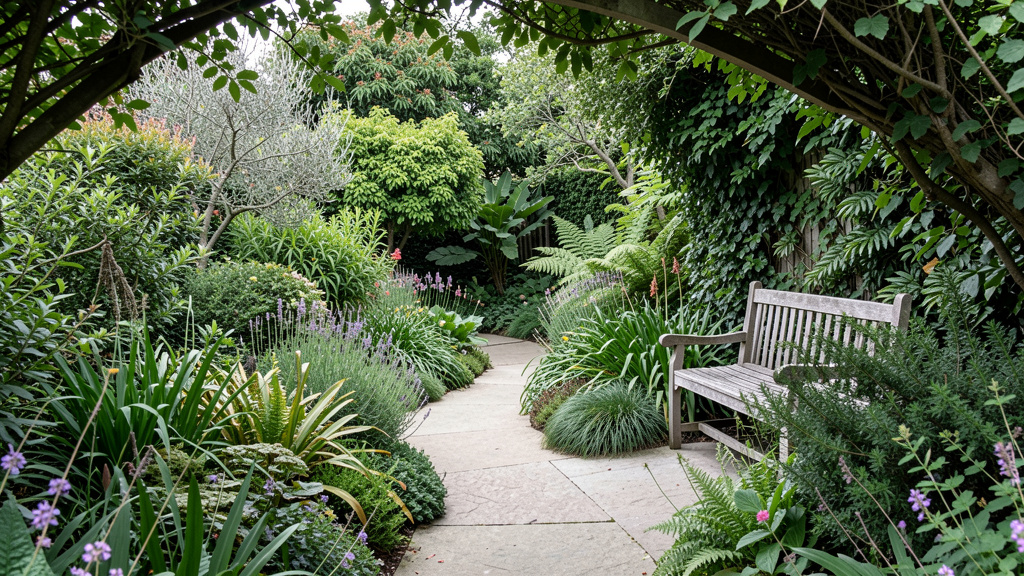
Move beyond Pinterest inspiration boards. Uncover the garden style that truly resonates with you—and learn exactly how to adapt it to your space, budget, and daily life with our proven diagnostic system.
Choosing a garden style isn’t about copying a magazine photo. It’s a deeply personal journey that balances your aesthetic desires with practical realities. This comprehensive guide walks you through a proven framework to identify your innate style preferences, assess your site’s unique constraints, and merge them into a cohesive outdoor sanctuary you’ll love for years to come. Forget overwhelming guesswork—this is your compass to a garden that feels authentically yours.
Introduction
Gardens have served as reflections of human values for millennia—from the geometric precision of Persian pairidaezas (walled gardens symbolizing paradise) to the philosophical tranquility of Japanese Zen courtyards. Yet today, homeowners face a paradox of choice: endless digital galleries showcase breathtaking designs, but rarely explain why a style works or how it might fit a specific life. You’ve likely scrolled past a lush cottage garden border, felt a pang of longing, then wondered: “Could this thrive in my shady backyard? Would I have time to maintain it? Does it match my modern home?” These micro-doubts stall progress before a single seed is sown.
This guide bridges that gap. Drawing from established landscape architecture principles and environmental psychology research on human-space connection, we present a structured yet deeply personal methodology. The goal isn’t to label your garden “Cottage” or “Modern” for its own sake. It’s to cultivate a space that reduces daily stress, invites meaningful moments (morning coffee on the patio, children chasing fireflies), and evolves gracefully with your life. A well-chosen style becomes invisible infrastructure—supporting your routines rather than demanding constant correction. As landscape historian Linda Chisholm notes in The Garden Club of America’s Guide to Landscape Design, “The most enduring gardens speak the language of their place and their people.” This framework helps you find your language.
Before we explore styles, remember: there are no “wrong” preferences. A love for wildflower meadows isn’t less valid than a passion for clipped topiaries. What matters is alignment—between your inner world and your outer landscape. Let’s begin the discovery.
The Garden Style Compass Framework
Imagine standing at a crossroads with four paths: one leading inward to your values, one outward to your land’s realities, one forward through style possibilities, and one downward into practical adaptation. The Garden Style Compass integrates all four directions into a single decision-making system. Unlike superficial quizzes (“Do you prefer roses or succulents?”), this framework addresses the root questions professionals use when consulting clients. It transforms overwhelm into clarity through sequential, actionable audits.
Informed by established landscape architecture methodologies and patterns observed in enduring residential landscapes worldwide, the Compass recognizes that style selection is rarely a single “aha!” moment. It’s a dialogue between aspiration and constraint. You might dream of a Mediterranean courtyard but live in a rainy Pacific Northwest climate. The Compass doesn’t dismiss that dream—it guides you toward a resonant adaptation: perhaps using drought-tolerant native grasses instead of olive trees, or selecting rust-resistant ironwork for furniture. This isn’t compromise; it’s intelligent translation.
The framework unfolds in five deliberate phases. Rushing Step 1 to jump to “pretty pictures” is the most common pitfall. True alignment begins with honest self-reflection. Take notes as you move through each phase. Your answers will become the non-negotiable filters for every subsequent decision.
Step 1: The Inner Landscape Audit – Uncovering Your Emotional Blueprint
Before considering a single plant or paver, turn inward. Your garden should serve you, not a generic ideal. This audit identifies the non-negotiable emotional and functional needs your outdoor space must fulfill. Answer these prompts slowly, without judgment. There are no “shoulds.”
Why this step is crucial: A garden misaligned with your core needs becomes a source of friction. The homeowner who craves serene solitude but installs a high-maintenance cutting garden for entertaining will feel constant guilt. Conversely, the family needing durable play space who chooses delicate gravel pathways will face daily frustration. Emotional misalignment is the primary reason gardens fall into neglect.
How to conduct the audit:
Grab a journal. For each question below, write the first 3–5 words that come to mind. Then expand with a concrete example.
- Primary Purpose: What single verb defines your garden’s role? (e.g., Recharge. Example: “I need a hidden bench under the maple tree where I can read without seeing the mailbox or street.”)
- Sensory Priority: Which sense matters most? (e.g., Sound. Example: “I want to hear wind chimes and rustling grasses, not traffic. Water feature essential.”)
- Memory Anchor: What childhood or travel memory feels sacred? (e.g., “My grandmother’s porch swing with wisteria. I want that feeling of dappled shade and gentle motion.”)
- Daily Ritual: What small moment would transform your routine? (e.g., “Drinking tea while watching hummingbirds at dawn. Needs a visible, sheltered nook.”)
- Non-Negotiable Boundary: What must the garden protect you from? (e.g., “Visual privacy from the neighbor’s second-story window. Noise from the alley.”)
Common mistakes to avoid:
– Confusing aspiration with reality: “I wish I were the type to host weekly garden parties” vs. “I genuinely enjoy intimate gatherings of 4–6 people quarterly.” Be ruthlessly honest.
– Overlooking seasonal needs: Do you need winter interest (berries, bark texture) because you work from home and view the garden year-round? Or is summer the only relevant season?
– Ignoring household dynamics: If you have toddlers, “serene minimalism” may clash with “durable, dig-friendly zones.” Involve all primary users in this audit.
The Fundamental Principle: Your garden’s style must serve your soul’s quiet requirements before it serves anyone else’s eyes. A space designed around authentic needs generates effortless joy; one designed for external validation becomes a burden.
Step 2: The Outer Landscape Audit – Honoring Your Site’s True Nature
Now, step outside with fresh eyes. This isn’t about what you want the land to be—it’s about listening to what it is. Fighting your site’s inherent character guarantees struggle. Working with it unlocks resilience and beauty. Spend 3–5 days observing. Take photos at different times. Sketch a simple map.
Why this step is crucial: Soil pH influences which hydrangeas bloom blue versus pink. A north-facing slope stays damp, favoring ferns over lavender. Ignoring these realities wastes resources and hope. Conversely, leveraging natural advantages (a mature oak for shade, a gentle slope for drainage) creates effortless harmony. This audit transforms constraints into creative catalysts.
How to conduct the audit:
Sun Mapping: Track sunlight hourly for one full day. Label zones:
Full Sun (6+ hrs direct sun), Part Sun (4–6 hrs), Part Shade (2–4 hrs, often morning), Full Shade (<2 hrs). Note seasonal shifts (deciduous trees create summer shade/winter sun).
Soil & Drainage Test: Dig a 12″x12″ hole. Fill with water. Time drainage:
Fast (<1 hour): Sandy soil, drought-prone. Needs moisture-retentive amendments.
Ideal (1–4 hours): Loamy soil. Most versatile.
Slow (>4 hours): Clay-heavy. Requires raised beds or drainage solutions.
Squeeze a damp handful: Does it crumble (sandy), form a loose ball (loam), or feel sticky/slick (clay)?
Microclimate Inventory: Note pockets of unique conditions:
– Heat sinks: South-facing brick wall (creates warmer zone for tender plants).
– Frost pockets: Low-lying area where cold air settles (avoid planting early bloomers here).
– Wind tunnels: Gap between house and fence (needs windbreak).
– Moisture traps: Area under dense evergreen canopy (stays damp).
Existing Assets & Liabilities: List every feature neutrally:
Assets: Mature tree (shade, structure), gentle slope (visual interest), existing stone wall (hardscape foundation).
Liabilities: Utility box (needs screening), steep drop-off (safety concern), invasive vine (requires removal plan).
Scale & Flow:* Measure your space. Note entry points (gate, back door). How do you naturally move through it? Where do your eyes rest?
Common mistakes to avoid:
– Assuming “full sun” based on yard orientation alone: A tall fence or neighbor’s tree can create unexpected shade. Verify with observation.
– Testing soil only in one spot: Soil can vary dramatically across a property. Test in 3–5 key zones.
– Overlooking sightlines: What do you see from key windows/seating areas? What do neighbors see into your space? Privacy needs shape layout.
This audit isn’t limiting—it’s liberating. Knowing your clay soil supports hostas frees you to explore shade-loving styles instead of fighting to grow sun-loving roses. Your site has a story; this step helps you read it.
Step 3: The Style Spectrum Exploration – Beyond the Buzzwords
With your Inner and Outer Audits complete, explore styles through a new lens: Which styles naturally align with your audit results? We move beyond superficial labels (“Cottage,” “Modern”) to examine each style’s core philosophy, emotional resonance, structural bones, and inherent requirements. Think of styles as languages—each has grammar (rules), vocabulary (elements), and a distinct voice.
Why this step is crucial: Misidentifying a style leads to disjointed results. Calling a space “Japanese-inspired” because it has one stone lantern ignores the profound principles of ma (negative space) and wabi-sabi (beauty in imperfection). True style integration requires understanding its soul. This exploration helps you distinguish between loving a photo and resonating with a philosophy.
How to explore effectively:
For each style below, ask:
1. Does its core philosophy match my Inner Audit? (e.g., If “serene solitude” is key, does Zen Garden’s meditative intent resonate more than Cottage Garden’s exuberant chaos?)
2. Do its structural requirements align with my Outer Audit? (e.g., If my soil drains poorly, is Mediterranean Garden’s drought-focus a mismatch?)
3. What is the minimum viable expression of this style? (You don’t need a koi pond for a Zen-inspired corner; a single raked gravel area with one carefully placed stone suffices.)
We’ll explore ten foundational styles in depth shortly. First, grasp the spectrum’s axes:
- Formality Axis: Structured (geometric layouts, clipped forms) ↔ Naturalistic (organic shapes, wilder plantings)
- Complexity Axis: Minimalist (few elements, strong negative space) ↔ Maximalist (layered textures, abundant plantings)
- Cultural Roots Axis: Styles carry historical/cultural DNA. Respectful adaptation honors origins without appropriation (e.g., using borrowed scenery principle from Japanese gardens with local trees, not replicating a Kyoto temple verbatim).
Common mistakes to avoid:
– Style-shopping by plant alone: “I love lavender!” doesn’t mean Mediterranean Garden is right. Does the overall aesthetic and maintenance rhythm fit?
– Ignoring scale: A grand French Parterre requires significant space and upkeep. Its “mini-me” version often feels awkward. Seek styles scalable to your footprint.
– Overlooking maintenance rhythm: Cottage Garden’s romantic chaos demands deadheading, staking, and dividing. Is that rhythm joyful for you, or a chore? Match style to your available time/energy.
This exploration is diagnostic, not decorative. Your audit answers are the filter. A style that scores high on alignment across both audits becomes a strong candidate.
Step 4: The Synthesis Matrix – Where Inner Meets Outer
You now hold two sets of insights: your emotional blueprint (Inner Audit) and your site’s truth (Outer Audit). The Synthesis Matrix merges them into actionable style candidates. This is where intuition meets evidence.
Why this step is crucial: This step prevents the “Pinterest trap”—falling for a style that looks beautiful online but clashes with your reality. It replaces vague longing (“I want that!”) with confident direction (“This adapts to my needs”).
How to build your matrix:
Create a simple table (mentally or on paper):
| Style Candidate | Inner Audit Alignment (Rate 1-5) | Outer Audit Alignment (Rate 1-5) | Key Adaptation Needed | Overall Viability |
|---|---|---|---|---|
| Cottage Garden | Purpose: 4 (Nurturing) Sensory: 5 (Fragrance/Color) Ritual: 3 (Cutting flowers) |
Sun: 2 (Needs full sun; I have part-shade) Soil: 4 (Tolerates clay) Scale: 3 (Can scale down) |
Select shade-tolerant cottage plants (astilbe, foxglove); reduce plant density | Medium (Requires sun adaptation) |
| Woodland Garden | Purpose: 5 (Tranquil retreat) Sensory: 4 (Texture/Sound) Memory: 5 (Grandma’s shaded path) |
Sun: 5 (Thrives in my part-shade) Soil: 5 (Loves my moist clay) Assets: 5 (Uses existing oak tree) |
Source native woodland plants; add subtle path lighting | High |
| Modern Minimalist | Purpose: 2 (Feels sterile for my needs) Sensory: 1 (Lacks fragrance/biodiversity) Ritual: 1 (No cozy nooks) |
Sun: 4 (Works in sun) Drainage: 5 (Gravel handles my clay) Scale: 5 (Perfect for small yard) |
N/A – misaligned with core needs | Low |
Interpreting your matrix:
– High Viability (7+ total): Strong candidate. Focus energy here. Note required adaptations.
– Medium Viability (5–6 total): Possible with significant, thoughtful adaptation. Proceed only if the style’s core philosophy deeply resonates.
– Low Viability (<5 total): Politely set aside. This isn’t failure—it’s efficient filtering. That style belongs to someone else’s garden story.
The Power of “And”: Your final style may be a primary style (e.g., Woodland Garden) with accents from another (e.g., a single clean-lined bench from Modern style for seating). The matrix identifies the strong foundation; accents add personal nuance. Avoid blending two primary styles equally (e.g., 50% Formal + 50% Wild)—this often creates visual confusion. Hierarchy matters: one style leads, others support.
Step 5: The Adaptation Blueprint – Making It Uniquely Yours
No garden exists in a vacuum. Your chosen style must adapt to your specific context: budget, timeline, climate zone, local ecology, and personal quirks. This blueprint transforms a generic style template into your living landscape.
Why this step is crucial: A rigidly “authentic” style that ignores your reality fails. Adaptation isn’t dilution—it’s intelligent translation. A drought-tolerant “Mediterranean” garden in Arizona uses native agaves and ocotillos instead of non-native olives. It captures the spirit (sun-loving, structural forms, gravel mulch) while honoring place. This step ensures longevity and joy.
Building your blueprint:
Climate Translation:
– Cold Climates: For Mediterranean style, use cold-hardy olive look-alikes like Russian sage or silver mound artemisia. Replace terra cotta (cracks in freeze) with frost-proof concrete planters.
– Humid Climates: For Japanese Zen style, substitute moss-loving ferns for traditional mosses that struggle with humidity. Use rot-resistant ipe wood instead of cedar for decking.
– Arid Climates: For Cottage Garden style, select drought-tolerant “cottage” plants like yarrow, catmint, and penstemon instead of thirsty delphiniums. Use gravel mulch instead of bark.
Budget Phasing:
– Phase 1 (Year 1): Hardscape bones (path layout, seating area base). Plant structural evergreens (foundation).
– Phase 2 (Year 2): Add perennial layers, focal points (birdbath, specimen plant).
– Phase 3 (Year 3+): Fill in seasonal color, refine details. This prevents burnout and spreads cost.
Ecological Integration:
– Replace invasive ornamentals with native equivalents (e.g., native milkweed instead of tropical milkweed for butterfly gardens).
– Incorporate habitat features: a small brush pile for insects, a shallow dish “bee bath,” host plants for local caterpillars.
– Choose plants suited to your USDA Hardiness Zone (or local equivalent). A Zone 5 gardener cannot grow true citrus outdoors year-round—seek cold-hardy alternatives like dwarf crabapples for similar visual interest.
Personal Signature Elements:
– Weave in meaningful objects: river rocks collected on family hikes as path edging, a repurposed gate as a trellis, tiles painted by grandchildren.
– Honor sensory priorities: If scent is key, place fragrant plants (lilacs, night-blooming jasmine) along your evening stroll path.
Common mistakes to avoid:
– Skipping soil prep: No style thrives in poor soil. Amend based on your Outer Audit before planting. This is non-negotiable.
– Overplanting for instant gratification: Plants need space to mature. Follow spacing guidelines. A crowded garden becomes diseased and requires constant thinning.
– Ignoring maintenance reality: If you travel frequently, avoid styles requiring daily watering/deadheading. Choose resilient, self-sustaining plant communities.
The Adaptation Blueprint is your permission slip to create a garden that is authentically yours—rooted in style wisdom but tailored to your life. It turns theory into lived experience.
Deep Dive: Ten Timeless Garden Styles to Inspire Your Vision
With the Compass framework as your guide, explore these ten styles through the lens of philosophy, structure, plants, and practical adaptation. For each, we highlight: Core Philosophy, Key Structural Elements, Signature Plants (with climate adaptations), Ideal For…, and Critical Adaptation Tips. Use your Synthesis Matrix to evaluate alignment.
Cottage Garden: Romantic Abundance
Core Philosophy: Unfettered joy, nostalgia, and generous hospitality. It celebrates abundance, imperfection, and the gentle chaos of nature intertwined with human care. It’s not “messy”—it’s intentionally lush, where every inch offers delight. Rooted in English village traditions where gardens provided food, medicine, and beauty for working families.
Key Structural Elements:
– Layout: Informal, winding paths (gravel, brick, or mulch); no straight lines. Beds spill over edges.
– Hardscape: Weathered materials—reclaimed brick, mossy stone, aged wood arbors. Rustic bench tucked under a rose-covered arch.
– Focal Points: A vintage birdbath, a cluster of mismatched pottery, a hidden gate.
– Vertical Interest: Climbing roses, clematis, sweet peas on fences, obelisks, or cottage walls.
Signature Plants (Adapted):
– Sun-Loving (Full Sun):
– Classic: Roses (David Austin varieties for disease resistance), Delphiniums, Hollyhocks, Lupines.
– Hot/Dry Climate Adaptation: Swap delphiniums for drought-tolerant Verbascum (Mullein); use Heatwave™ roses bred for sun tolerance. Replace thirsty hollyhocks with Malva sylvestris (Common Mallow).
– Humid Climate Adaptation: Choose black spot-resistant roses (Knock Out® series); use Powdery Mildew-resistant phlox (‘David’ cultivar).
– Shade-Tolerant (Part Shade):
– Classic: Foxgloves, Astilbe, Bleeding Heart, Hostas.
– All Climates: Incorporate native shade-lovers: Heuchera (Coral Bells) for colorful foliage, native ferns (e.g., Christmas Fern in Eastern US).
Ideal For: Gardeners who find joy in nurturing plants, love cutting flowers for the house, cherish nostalgia, and have time for seasonal maintenance (deadheading, staking tall perennials). Thrives in properties with existing mature trees or fences for vertical support.
Critical Adaptation Tips:
– Small Space: Create a “pocket cottage garden” in a single raised bed or large container. Focus on 3–5 key plants (e.g., compact rose, catmint, lady’s mantle). Use vertical space heavily.
– Low Maintenance: Select “self-cleaning” perennials that don’t require deadheading (e.g., Nepeta ‘Walker’s Low’, Sedum ‘Autumn Joy’). Use dense groundcovers (Ajuga, Lamium) to suppress weeds.
– Modern Twist: Edit the palette. Stick to 3–4 harmonious colors (e.g., all blues/purples/silvers) instead of rainbow chaos. Use cleaner-lined containers or a single modern bench amid the plantings for contrast.
– Avoid: Planting too densely initially. Allow room for growth. Overusing high-maintenance roses. Ignoring soil fertility—cottage gardens are heavy feeders; amend soil generously with compost annually.
Real-Life Example: Sarah in Portland, OR (Zone 8b, part-shade yard) loved cottage gardens but had clay soil and limited sun. Her adaptation: Planted shade-tolerant astilbe, foxglove, and hostas in amended beds. Used a weathered cedar arbor (rot-resistant) draped with Clematis ‘Nelly Moser’. Added a small gravel path with stepping stones. She skips delphiniums (need full sun) and focuses on foliage texture. Result: A lush, romantic nook that thrives with minimal intervention, fulfilling her need for a “secret garden” reading spot.
Japanese Zen Garden (Karesansui): Meditative Minimalism
Core Philosophy: Tranquility, mindfulness, and profound connection to nature’s essence. Rooted in Zen Buddhism, it represents landscapes in miniature (mountains, rivers, islands) to aid meditation. Emphasizes ma (intentional negative space), wabi-sabi (beauty in imperfection, transience), and shakkei (borrowed scenery—incorporating distant views). Every element is placed with purpose; nothing is accidental.
Key Structural Elements:
– Layout: Asymmetrical balance. Raked gravel or sand representing water. Carefully placed stones symbolizing mountains/islands. Minimal plantings.
– Hardscape: Raked patterns (waves, ripples) require regular maintenance. Stepping stones (tobi-ishi) guide mindful movement. Low wooden bench (engawa) for contemplation. Bamboo fence or screen for enclosure.
– Focal Points: A single, perfectly placed stone (sute-ishi—”discarded stone” with hidden meaning). A moss patch. A carefully pruned pine.
– Water: Often implied (via raked gravel), not literal. If present, a tsukubai (stone water basin) for ritual cleansing.
Signature Plants (Adapted):
– Essential: Moss (requires consistent moisture/shade—challenging in dry climates). Dwarf conifers (Japanese White Pine Pinus parviflora ‘Glauca’, Hinoki Cypress). Japanese Maple (Acer palmatum).
– Cold Climate Adaptation (Zones 4–6): Use cold-hardy alternatives: Dwarf Alberta Spruce for structure; native ferns (Ostrich Fern) for texture; low-growing Junipers. Focus on stone and gravel elements; minimize moss reliance.
– Hot/Dry Climate Adaptation (Zones 7–10): Substitute moss with low-growing, drought-tolerant sedums or creeping thyme. Use heat-tolerant maples (e.g., Acer truncatum). Choose stones that don’t absorb excessive heat (avoid dark basalt; use light granite). Rake patterns less frequently (wind disrupts them).
– Humid Climate Adaptation: Moss thrives! Prioritize moss varieties suited to your region. Ensure excellent drainage under gravel to prevent puddling. Use rot-resistant woods (teak, ipe) for benches/fences.
Ideal For: Those seeking a quiet sanctuary for reflection, meditation, or stress reduction. Ideal for small, enclosed spaces (courtyards, side yards) visible from a window. Requires appreciation for subtlety and willingness to maintain raked patterns. Not ideal for high-traffic family play areas.
Critical Adaptation Tips:
– Authenticity vs. Appropriation: Honor the philosophy. Avoid random placement of “Zen” objects bought online. Study principles (ma, wabi-sabi). If creating a meditation space, focus on creating calm through simplicity and intentionality, using elements meaningful to your practice.
– Scale Down: You don’t need a large space. Create a “Zen corner”: a small rectangular bed of fine gravel (2’x4′), one significant stone, a single dwarf conifer in a pot. Rake weekly as a mindful ritual.
– Maintenance Reality: Raking gravel is meditative for some, tedious for others. If you dislike this, emphasize the borrowed scenery principle instead: frame a beautiful view of your existing tree or sky with a simple bamboo screen. Let nature be the focal point.
– Avoid: Overcrowding with too many stones or plants. Using brightly colored flowers (breaks the serene palette). Placing the garden where it’s constantly viewed through a busy window (defeats the purpose of a dedicated contemplative space).
Real-Life Example: David in Chicago (Zone 5b) wanted Zen tranquility but faced harsh winters and limited sun. His adaptation: Built a small (6’x8′) enclosed courtyard with a bamboo screen. Used frost-proof granite stones and fine pea gravel. Planted a cold-hardy Japanese Maple (Acer palmatum ‘Bloodgood’) in a protected corner and low-growing Juniper ‘Blue Star’ for year-round structure. He rakes patterns only in spring/fall; snow covers it in winter. The space is visible from his home office window—a calming anchor during workdays. He focuses on the feeling of calm, not strict replication.
Mediterranean Garden: Sun-Drenched Serenity
Core Philosophy: Effortless elegance, outdoor living, and harmony with a warm, dry climate. Celebrates the sensory pleasures of sun, stone, scent, and simplicity. Rooted in the landscapes of Italy, Spain, Greece, and Southern France—regions where life spills outdoors. It’s about creating comfortable, shaded gathering spaces surrounded by drought-adapted beauty.
Key Structural Elements:
– Layout: Defined “rooms” for dining, lounging, cooking. Terraces or level areas. Winding paths less common; geometry is soft but intentional.
– Hardscape: Warm-toned materials: terracotta tiles, local stone (limestone, sandstone), gravel (gravel is essential for drainage and authenticity). Pergolas or arbors draped with vines for shade.
– Focal Points: A central courtyard fountain (sound of water is cooling), a weathered olive tree in a large pot, a built-in stone bench.
– Water: Decorative but functional—fountains provide evaporative cooling. Irrigation is hidden (drip systems).
Signature Plants (Adapted):
– Classic (Mediterranean Climate – Zones 8–10): Olive tree (Olea europaea), Lavender (Lavandula), Rosemary (Rosmarinus), Italian Cypress (Cupressus sempervirens), Bougainvillea, Citrus trees (in pots).
– Cooler Climate Adaptation (Zones 6–7):
– Trees: Use cold-hardy olives (Olea europaea ‘Little Ollie’ survives Zone 7 with protection) or substitutes: Strawberry Tree (Arbutus unedo), Dwarf Mugo Pine.
– Shrubs: Lavender (English Lavender Lavandula angustifolia ‘Hidcote’ is hardier than French); Rosemary (grow in pots, bring indoors in winter); Russian Sage (Perovskia atriplicifolia) for similar silvery foliage.
– Vines: Replace Bougainvillea with hardy Clematis or Trumpet Vine (Campsis radicans).
– Humid Climate Adaptation (Southeastern US): Avoid plants prone to fungal issues in humidity (some lavenders). Choose humidity-tolerant alternatives: Agastache (Hyssop) for similar flower spikes, Santolina for silver foliage. Ensure perfect drainage—raised beds are essential.
– Arid Climate Adaptation (Southwest US): Embrace native plants that embody the spirit: Agave, Yucca, Desert Marigold, Palo Verde tree. Use local stone. This becomes a “Desert Mediterranean” fusion—highly authentic to place.
Ideal For: Homeowners who love alfresco dining, entertaining, and low-water landscapes. Ideal for sunny, well-drained sites. Appeals to those who appreciate architectural plant forms, scent, and timeless materials. Requires commitment to drought-tolerant practices (no thirsty lawns).
Critical Adaptation Tips:
– Pot Culture is Key: In non-Mediterranean climates, grow signature plants (olives, citrus, rosemary) in large, frost-proof pots. Move tender plants to a protected area (garage, sunny porch) in winter. This allows you to enjoy the aesthetic year-round with seasonal flexibility.
– Shade Strategy: Mediterranean gardens prioritize shade creation. A pergola with deciduous vine (Wisteria, Grape) provides summer shade and winter sun. Place seating areas under this shade. Don’t rely solely on tree shade (may not exist initially).
– Soil is Non-Negotiable: Amend heavy clay soil extensively with gravel, sand, and compost to mimic fast-draining Mediterranean soils. Raised beds are highly recommended outside native climates.
– Avoid: Planting water-loving species (hydrangeas, hostas) within the style—they signal confusion. Using plastic “faux” terra cotta pots (breaks authenticity). Overlooking nighttime ambiance: Install subtle, warm LED lighting in steps, under benches, or uplighting key trees.
Real-Life Example: Maria in Atlanta (Zone 7b, humid summers) craved Mediterranean charm. Her adaptation: Built a small brick-paved patio with a pergola draped in native Crossvine (Bignonia capreolata—similar trumpet flowers to Bougainvillea, but humidity-tolerant). Planted English Lavender and Rosemary in raised, gravel-topped beds for drainage. Grew a dwarf olive tree in a large, movable terra cotta pot. Added a small wall fountain for sound. She accepts that her “Mediterranean” garden uses locally adapted plants but captures the essence: sun-drenched seating, scent, stone, and water. It requires minimal supplemental watering once established and perfect for evening gatherings.
Woodland Garden: Enchanted Forest Floor
Core Philosophy: Peaceful immersion, ecological harmony, and celebrating the quiet beauty of shade. It mimics the layered structure of a natural forest edge—canopy, understory, shrub layer, groundcover. It’s not “dark and gloomy”; it’s a study in subtle textures, delicate light, and seasonal surprises (spring ephemerals). Rooted in the English woodland garden tradition (e.g., Sissinghurst) and deep respect for native ecosystems.
Key Structural Elements:
– Layout: Organic, meandering paths that invite exploration. Curved beds following natural contours. No hard edges.
– Hardscape: Natural materials only: mossy stepping stones, log rounds as stools, rustic bench under a tree. Paths of wood chips, pine needles, or crushed gravel.
– Focal Points: A striking native tree (River Birch with peeling bark), a cluster of ferns around a mossy log, a hidden bird bath.
– Light: Dappled sunlight is a design element. Use light-colored foliage or flowers to brighten shady spots.
Signature Plants (Adapted by Region):
This style is HIGHLY dependent on using native plants for ecological health and ease of care. Consult your local native plant society.
– Northeast/Midwest US (Deciduous Forest):
– Trees: Red Maple (Acer rubrum), Serviceberry (Amelanchier), Eastern Redbud (Cercis canadensis).
– Shrubs: Witch Hazel (Hamamelis virginiana), Spicebush (Lindera benzoin—host for Spicebush Swallowtail butterfly).
– Perennials: Trillium, Bloodroot, Jack-in-the-Pulpit, native Ferns (Christmas Fern, Lady Fern), Solomon’s Seal.
– Pacific Northwest (Coniferous/Mixed Forest):
– Trees: Vine Maple (Acer circinatum), Red Alder (Alnus rubra).
– Shrubs: Red Huckleberry (Vaccinium parvifolium), Oregon Grape (Mahonia aquifolium).
– Perennials: Sword Fern (Polystichum munitum), Vanilla Leaf (Achlys triphylla), native Bleeding Heart (Dicentra formosa).
– Southeastern US (Mixed Hardwood):
– Trees: Dogwood (Cornus florida), Sourwood (Oxydendrum arboreum).
– Shrubs: Oakleaf Hydrangea (Hydrangea quercifolia), Fothergilla.
– Perennials: Mayapple, Celandine Poppy, native Ferns (Christmas Fern).
– Adapting Non-Natives (Use Sparingly & Responsibly): Hostas (choose slug-resistant varieties like ‘Blue Angel’), Hellebores (Lenten Rose), Astilbe. Always verify non-natives are not invasive in your area.
Ideal For: Gardeners with established trees, shaded properties, or a desire to support local wildlife (birds, pollinators, beneficial insects). Perfect for creating a cool, serene retreat in hot climates. Appeals to those who enjoy subtle, evolving beauty over bold, constant color. Low maintenance once established (mulch with leaves!).
Critical Adaptation Tips:
– Soil is Everything: Woodland soil is rich, moist, and acidic (from decomposing leaves). Amend existing soil generously with leaf mold, composted pine bark, and shredded leaves. Never use fresh wood chips directly on soil—they tie up nitrogen.
– Embrace “Mess”: Leave fallen leaves in beds over winter—they protect plant crowns and provide habitat. Allow seed heads to stand for birds. This isn’t neglect; it’s ecological stewardship.
– Path Strategy: Paths are essential for navigating shade gardens without compacting soil. Use permeable materials (wood chips, stepping stones with moss between). Ensure paths are wide enough for comfortable walking.
– Light Management: If shade is too dense (under dense evergreens), consider selective limbing of lower branches on trees to allow more light penetration (“crown raising”). Consult an arborist.
– Avoid: Trying to grow sun-loving plants in deep shade (they’ll stretch and fail). Over-tidying in fall (removes vital habitat). Using chemical pesticides/herbicides (disrupts the delicate woodland ecosystem you’re cultivating).
Real-Life Example: Ben and Chloe in Seattle (Zone 8b) inherited a yard dominated by a large Douglas Fir. Initial attempts to grow lawn failed. Their woodland adaptation: Removed struggling grass. Added paths of crushed gravel and stepping stones. Planted native Sword Ferns, Vanilla Leaf, and Red Huckleberry under the tree. Left fallen needles as natural mulch. Added a simple log bench. They now enjoy watching birds and native bees. The garden requires minimal watering (fir provides moisture retention) and feels like a natural extension of the Pacific Northwest forest. It fulfills their need for a peaceful, low-effort sanctuary.
Modern Minimalist Garden: Architectural Calm
Core Philosophy: Clarity, intentionality, and seamless indoor-outdoor flow. It’s not “cold” or “sterile” when done well—it’s a serene backdrop that highlights form, texture, and light. Rooted in 20th-century modernist architecture (Mies van der Rohe’s “less is more”) and Japanese design principles (ma). Every element earns its place; clutter is eliminated. Focus shifts from plant quantity to plant quality and material interplay.
Key Structural Elements:
– Layout: Clean lines, geometric shapes (rectangles, circles), strong axis. Often symmetrical. Defined zones (dining area, lounge, green wall).
– Hardscape: Sleek materials: honed concrete, smooth stone slabs, powder-coated steel, ipe wood. Minimal joints. Flush transitions between surfaces.
– Focal Points: A single sculptural plant (Japanese Maple, Olive tree), a linear water feature (reflecting pool, slot fountain), a striking piece of outdoor art.
– Planting: Restrained palette. Often monochromatic (greens, whites, silvers) or limited to 2–3 colors. Emphasis on architectural forms (grasses, succulents, topiaries).
Signature Plants (Adapted):
– Structural Stars:
– Trees: Japanese Maple (Acer palmatum), Olive tree (Olea europaea—in pots or warm zones), River Birch (Betula nigra—for peeling bark texture).
– Shrubs: Boxwood (Buxus—use blight-resistant varieties like ‘Green Velvet’; or substitute with Inkberry Holly Ilex glabra), Dwarf Conifers (Blue Star Juniper).
– Grasses: Miscanthus sinensis ‘Morning Light’, Hakonechloa macra (Japanese Forest Grass—spills beautifully over edges).
– Succulents (Warm Climates): Agave, Yucca, Aloe.
– Cold Climate Adaptation: Focus on form and bark. Use River Birch, Paperbark Maple (Acer griseum), or contorted Hazelnut (Corylus avellana ‘Contorta’) for winter interest. Evergreens like Dwarf Alberta Spruce or Blue Star Juniper provide year-round structure. Grasses like Calamagrostis ‘Karl Foerster’ stand beautifully through snow.
– Small Space Adaptation: Use vertical elements heavily: green walls (with irrigation system), tall narrow planters with a single specimen plant. A single, perfectly placed Japanese Maple in a large pot can be the entire garden’s soul.
– Low Water Adaptation: In arid zones, embrace desert modernism: sculptural Agaves, Yuccas, and Dasylirion against gravel and stone. Use decomposed granite for paths.
Ideal For: Homeowners with contemporary architecture, those who value clean lines and order, minimalists seeking calm, or urban dwellers with small patios/courtyards. Ideal for low-maintenance desires if plant choices are resilient (avoid high-maintenance topiaries unless you enjoy pruning). Requires comfort with negative space.
Critical Adaptation Tips:
– Texture is King: Without floral abundance, texture creates visual interest. Combine smooth concrete with rough stone, glossy leaves with feathery grasses, matte metal with shiny water. Run your hand over samples before choosing.
– Lighting is Non-Negotiable: Modern gardens shine at night. Use subtle, warm LED: uplighting key trees, grazing textured walls, illuminating path edges. Avoid bright, harsh spotlights.
– Scale Matters: In small spaces, oversized elements feel oppressive. Choose one focal point. In large spaces, minimalism can feel empty—use repetition (a row of identical planters) to create rhythm.
– Warmth Through Material: Prevent sterility by incorporating warm materials: ipe wood (rich brown), corten steel (rustic orange patina), textured plaster walls. Add softness with a single, plush outdoor cushion in a neutral tone.
– Avoid: Over-accessorizing (one piece of art is enough). Using too many plant varieties (breaks the clean aesthetic). Ignoring sightlines—what is visible from key interior windows must be intentionally composed.
Real-Life Example: Alex and Taylor in Austin (Zone 8b) have a sleek new townhouse with a tiny 10’x12′ concrete patio. Their modern adaptation: Installed a single, narrow planter box along one wall planted with upright Blue Oat Grass (Helictotrichon sempervirens) and trailing String of Pearls succulent (in a protected spot). Added a low, powder-coated steel bench. Mounted a small, linear wall fountain for sound. Used subtle LED strip lighting under the bench and planter edge. The space feels expansive, intentional, and perfectly complements their home’s architecture. It requires minimal upkeep and serves as their serene morning coffee spot.
Formal Garden (Parterre/Knot Garden): Timeless Order
Core Philosophy: Human mastery over nature, symmetry, and elegant ceremony. Rooted in Renaissance and Baroque European estates (Versailles, Hampton Court), it expresses control, proportion, and grandeur. It’s not about rigidity—it’s about creating a sense of calm through predictable, harmonious geometry. The intricate patterns (knots, scrolls) were historically designed to be viewed from upper-floor windows.
Key Structural Elements:
– Layout: Strict symmetry. Axial design (central path dividing mirror-image beds). Geometric shapes: squares, circles, rectangles. Defined edges.
– Hardscape: Crisp edging (brick, stone, metal). Gravel or turf paths. Central focal point (statue, urn, fountain). Low boxwood hedges defining patterns.
– Focal Points: A sundial on a pedestal, a classical statue, a perfectly centered fountain.
– Planting: Low-growing, uniform plants within hedges (traditionally boxwood). Seasonal color fills the “compartments” (pansies in spring, begonias in summer).
Signature Plants (Adapted):
– Hedging (The Backbone):
– Traditional: Boxwood (Buxus sempervirens). Note: Susceptible to Boxwood Blight and Box Tree Moth in many regions. Research local prevalence.
– Resistant Alternatives:
– Small Leaves (for intricate knots): Japanese Holly (Ilex crenata ‘Soft Touch’), Dwarf Yaupon Holly (Ilex vomitoria ‘Schillings Dwarf’), Inkberry Holly (Ilex glabra ‘Gem Box’).
– Larger Patterns: Dwarf Mugo Pine (Pinus mugo ‘Mops’), Littleleaf Boxleaf Euonymus (Euonymus japonicus ‘Microphyllus’—check invasiveness locally).
– Seasonal Fillers: Pansies, Violas, Alyssum, Lobelia, Begonias, Coleus. Use uniform cultivars for clean color blocks.
– Structural Elements: Topiary standards (rose standards, boxwood balls on stems—use resistant alternatives), pleached trees (Linden, Hornbeam) along boundaries for “green walls.”
Ideal For: Properties with grand architecture (colonial, federal, neoclassical), large flat spaces visible from upper windows, gardeners who find deep satisfaction in precise pruning and seasonal planting rituals. Requires significant time commitment for maintenance (clipping hedges, replanting seasonal beds). Not ideal for casual, low-maintenance desires or sloped sites.
Critical Adaptation Tips:
– Scale Down Dramatically: A full parterre needs acres. For suburban lots:
– Create a single symmetrical bed flanking your front walkway.
– Use container “knot gardens”: Two identical large pots planted with a simple geometric pattern using contrasting foliage plants (e.g., dark Heuchera inside light Carex).
– Focus on one formal element: a symmetrical pair of urns flanking a door, a single clipped boxwood ball on a pedestal.
– Disease Awareness: Research boxwood blight prevalence in your area. If risk is significant, prioritize resistant alternatives from the start for long-term success.
– Embrace “Soft Formality”: Use the symmetrical layout but soften plant choices. Instead of tight boxwood knots, use low mounding perennials like Lavender or Santolina in symmetrical drifts. Keeps the order without the high-maintenance clipping.
– Maintenance Reality: Formal gardens demand seasonal labor. Budget time (or money) for:
– Spring: Hedge clipping, replanting seasonal beds.
– Summer: Deadheading, weeding (gravel paths help).
– Fall: Final clipping, cleanup.
– Winter: Protecting tender topiaries.
– Avoid: Attempting complex knot patterns without experience. Planting on a slope (distorts symmetry). Using mismatched plant sizes within a hedge (breaks the clean line).
Real-Life Example: The Hendersons in Virginia (Zone 7a) have a historic colonial home with a modest front yard. They wanted formal elegance without overwhelming upkeep. Their adaptation: Created two symmetrical raised beds flanking the front walk, edged with brick. Planted disease-resistant Dwarf Yaupon Holly for low hedges defining simple rectangular compartments. Fill compartments seasonally with uniform pansies (spring) or ornamental kale (fall). Added two identical cast-stone urns planted with trailing ivy. The result is dignified, proportional to their home, and manageable with seasonal maintenance. It honors the home’s architecture while fitting their lifestyle.
Wildlife Habitat Garden: Purposeful Sanctuary
Core Philosophy: Stewardship, biodiversity, and active partnership with local ecology. It’s not “wild” or “unkempt”—it’s a carefully designed ecosystem that provides food, water, shelter, and nesting sites for birds, pollinators, butterflies, and beneficial insects. Rooted in ecological principles and programs like the National Wildlife Federation’s Certified Wildlife Habitat initiative. Beauty arises from function and seasonal life cycles.
Key Structural Elements:
– Layout: Layered planting mimicking natural habitats: canopy trees, understory trees/shrubs, herbaceous layer, groundcover. “Messy” edges are intentional (brush piles, leaf litter).
– Hardscape: Minimal. Permeable paths (wood chips, stepping stones). Avoid plastic edging.
– Focal Points: A native oak tree (supports numerous caterpillar species), a small pond or birdbath, a bee hotel, a brush pile tucked discreetly.
– Water: Essential. A shallow birdbath (with stones for insects to land on), a small pond with sloping sides for wildlife access, or a “puddling” area for butterflies (shallow dish with sand/mud).
Signature Plants (Must Be Native to Your Ecoregion):
Prioritizing native plants maximizes ecological benefit. Non-native plants often lack co-evolved relationships with local insects.
– Keystone Trees (Highest Impact):
– East of Rockies: Oak (Quercus spp.), Cherry/Plum (Prunus spp.), Willow (Salix spp.).
– West of Rockies: Oak (Quercus spp.), Cottonwood (Populus spp.), Willows (Salix spp.).
– Specifics Matter: White Oak (Quercus alba) supports more species than Pin Oak (Quercus palustris) in the East. Research locally.
– Host Plants for Butterflies:
– Monarch: Milkweed (Asclepias spp.—native species only, e.g., A. tuberosa, A. incarnata).
– Black Swallowtail: Parsley, Dill, Fennel (allow to flower), native Golden Alexander (Zizia aurea).
– Painted Lady: Thistles (native Cirsium spp.), Hollyhocks.
– Nectar Plants for Pollinators:
– Spring: Wild Columbine (Aquilegia canadensis), Virginia Bluebells (Mertensia virginica).
– Summer: Coneflower (Echinacea purpurea), Bee Balm (Monarda fistulosa), Milkweed (Asclepias).
– Fall: Goldenrod (Solidago spp.—not invasive ragweed!), Asters (Symphyotrichum spp.).
– Berries for Birds: Serviceberry (Amelanchier), Dogwood (Cornus), Winterberry Holly (Ilex verticillata—needs male pollinator).
Ideal For: Environmentally conscious homeowners, families wanting to teach children about nature, those seeking dynamic, ever-changing gardens full of life (birdsong, butterflies). Thrives in most site conditions when native plants are chosen appropriately. Requires shifting perspective: “weeds” like native violets are valuable; seed heads left standing feed birds.
Critical Adaptation Tips:
– Start Small: Convert one sunny bed or a section of lawn. Don’t feel pressured to transform everything at once.
– Soil Health = Ecosystem Health: Avoid pesticides, herbicides, and synthetic fertilizers. They disrupt soil microbiology and harm beneficial insects. Use compost and mulch (shredded leaves!).
– Embrace the Seasons:
– Spring: Ephemerals bloom before tree canopy fills.
– Summer: Peak pollinator activity.
– Fall: Leave seed heads and stems standing for winter interest and wildlife food/shelter.
– Winter: Leaf litter protects overwintering insects. Brush piles provide shelter.
– Neighbor Relations: A habitat garden can look “wild” to conventional eyes. Add subtle cues of care: a clean-edged path, a small sign (“Certified Wildlife Habitat”), neatly trimmed edges along property lines. Educate neighbors gently.
– Water Source: Even a simple, shallow dish refreshed daily provides critical water. Add pea gravel so insects don’t drown.
– Avoid: Planting invasive species (e.g., Butterfly Bush Buddleia—it’s nectar-rich but doesn’t host caterpillars and spreads aggressively; use native Buttonbush Cephalanthus occidentalis instead). Using cultivars with double flowers (pollinators can’t access nectar/pollen). Removing all leaf litter in fall.
Real-Life Example: The Garcia family in suburban Denver (Zone 5b) replaced a section of their water-intensive lawn with a native habitat garden. They started with a 20’x30′ sunny patch. Planted native grasses (Blue Grama, Little Bluestem), Coneflowers, Milkweed, and a native Serviceberry tree. Added a small birdbath and a discreet brush pile. Within two years, they observed Monarch caterpillars, diverse bee species, and birds they hadn’t noticed before. Their children keep a “life list” of visitors. They mow a narrow path through the garden for access. It requires dramatically less water than the lawn did and minimal maintenance beyond spring cleanup. It fulfills their desire to contribute positively to their local environment while creating a living classroom for their kids.
Desert Xeriscape Garden: Arid Elegance
Core Philosophy: Respect for water, celebration of arid-adapted forms, and sustainable beauty in dry climates. Xeriscape (from Greek xeros, dry) is often misunderstood as “zero-scape” or just rocks and cactus. True xeriscaping is vibrant, biodiverse, and deeply rooted in place. It’s about working with aridity, not against it. Principles developed amid growing water consciousness are now vital globally.
Key Structural Elements:
– Layout: Open spaces reflecting desert vastness. Group plants by water needs (hydrozoning). Curved beds mimic natural washes.
– Hardscape: Gravel (decomposed granite, crushed rock), boulders (placed as if naturally occurring), dry-stack stone walls. Minimal turf (if any—use native Buffalo Grass Bouteloua dactyloides only if needed).
– Focal Points: A striking specimen cactus (Saguaro where native and legal), a sculptural Yucca, a boulder with interesting texture, a shaded ramada (pergola) for outdoor living.
– Water: Efficient drip irrigation only for establishment (1–2 years). Mature native plants often need none. Rainwater harvesting (barrels, swales) is ideal.
Signature Plants (Must Match Your Specific Desert Region):
Using plants native to your local desert ecosystem is critical for survival and ecology.
– Sonoran Desert (AZ, CA): Saguaro (Carnegiea gigantea—protected; do not transplant wild), Palo Verde (Parkinsonia spp.), Ocotillo (Fouquieria splendens), Brittlebush (Encelia farinosa), Desert Marigold (Baileya multiradiata).
– Chihuahuan Desert (NM, TX, AZ): Agave (Agave spp.), Yucca (Yucca spp.), Desert Willow (Chilopsis linearis), Texas Sage (Leucophyllum frutescens).
– Mojave Desert (CA, NV, UT): Joshua Tree (Yucca brevifolia—protected), Mojave Yucca (Yucca schidigera), Creosote Bush (Larrea tridentata).
– Cold Desert Adaptation (High Desert – CO, UT, ID):
– Trees: Utah Serviceberry (Amelanchier utahensis), Singleleaf Pinyon (Pinus monophylla).
– Shrubs: Big Sagebrush (Artemisia tridentata), Rabbitbrush (Chrysothamnus nauseosus).
– Perennials: Penstemon (Penstemon spp.), Blanket Flower (Gaillardia aristata), Blue Flax (Linum perenne).
– Non-Native but Adapted (Use Judiciously): Certain Mediterranean plants (Lavender, Rosemary) can work in some desert climates with similar rainfall patterns, but natives are always preferred for lowest water use and highest wildlife value.
Ideal For: Homeowners in arid/semi-arid regions (Southwest US, Mediterranean climates), those committed to water conservation, lovers of bold architectural forms and subtle desert colors (silver, sage, terra cotta). Requires understanding desert microclimates (south-facing walls are hotter). Not ideal for those craving lush, green, high-water landscapes.
Critical Adaptation Tips:
– Soil Amendment is Counterproductive: Desert plants are adapted to native, often poor, rocky soil. Amending heavily with compost can retain too much moisture and harm them. Exception: For initial planting holes of non-native but adapted plants (like some Salvias), a small amount of compost can help establishment. For true natives, plant directly in native soil.
– Mulch Correctly: Use inorganic mulch—gravel or crushed rock (1–2″ deep). Never use wood mulch (retains moisture, promotes fungal disease, washes away). Gravel reflects heat, suppresses weeds, and mimics natural desert floor.
– Planting Depth is Critical: Plant at or slightly above native soil grade. Planting too deep causes crown rot. Create a slight depression around the plant to direct water to roots.
– Watering Wisdom:
– Establishment (First Year): Water deeply but infrequently to encourage deep roots.
– Mature Plants: Most native desert plants need no supplemental water after 2 years. Overwatering is the #1 cause of death. Observe plants—they’ll show subtle signs of stress before severe wilt.
– Avoid: Creating “cactus gardens” with non-native, frost-tender cacti in cold deserts (they’ll die in winter). Using plastic “desert” decor (plastic coyotes, fake saguaros). Ignoring sun exposure—many desert plants need full, intense sun; placing them in shade causes etiolation (stretching).
Real-Life Example: Lena in Albuquerque (Zone 7a, high desert) replaced her thirsty lawn with a certified xeriscape. She worked with a local native plant nursery. Planted cold-hardy natives: Desert Willow for dappled shade, Autumn Sage (Salvia greggii) for hummingbirds, Blue Grama grass for texture. Used local basalt boulders and decomposed granite paths. Installed a simple rain chain to direct roof runoff to a swale planted with moisture-loving natives (like Desert Willow). After two years, the garden thrives primarily on monsoon rains. It’s stunning year-round (winter seed heads, spring blooms), supports local pollinators, and has significantly reduced her household water usage. It embodies her values of sustainability and regional pride.
Tropical Garden: Lush Escape
Core Philosophy: Sensory immersion, vibrant life, and creating a personal oasis of warmth and abundance. It celebrates bold foliage, dramatic flowers, humidity, and the feeling of being enveloped by nature. Rooted in the landscapes of Southeast Asia, Central/South America, and the Pacific Islands—but adaptable anywhere with creativity. It’s about evoking a feeling of tropical paradise, not strict botanical accuracy.
Key Structural Elements:
– Layout: Dense, layered planting. No bare soil visible. Curved beds. Meandering paths disappear into foliage.
– Hardscape: Natural, organic materials: bamboo fencing, teak or cedar decking, river rock paths, thatched-roof pergola (or substitute with weather-resistant materials).
– Focal Points: A small pond with water lilies, a tiki torch (use LED for safety), a hammock strung between trees, a vibrant mosaic birdbath.
– Water & Humidity: Essential for the vibe. A recirculating fountain, misting system (for patios), or grouping plants tightly to create micro-humidity.
Signature Plants (Adapted by Climate Zone):
This style requires significant adaptation outside true tropical zones (USDA Zones 10–11).
– True Tropics (Zones 10–11): Banana (Musa), Bird of Paradise (Strelitzia reginae), Hibiscus (Hibiscus rosa-sinensis), Plumeria, Bamboo (choose clumping types like Fargesia to avoid invasiveness), Canna Lily, Colocasia (Elephant Ears).
– Warm Temperate (Zones 8–9):
– Perennials: Hardy Banana (Musa basjoo—dies back, regrows), Canna Lily (dig rhizomes in fall or mulch heavily), Colocasia (dig tubers), Ginger (Hedychium—hardy to Zone 7 with mulch).
– Shrubs: Hibiscus (Hibiscus moscheutos—Rose Mallow, native perennial hibiscus), Butterfly Ginger (Hedychium coronarium).
– Strategy: Treat tender plants as annuals or overwinter indoors. Focus on foliage plants that provide the “tropical feel” reliably (Hostas, Rodgersia, large-leafed ferns).
– Cool Climates (Zones 3–7):
– Foliage is Key: Use large-leaved hardy plants: Rodgersia, Astilboides tabularis (Shieldleaf), Gunnera (in wet areas—check invasiveness), large Hostas, Ligularia.
– Annual Power: Plant tropical-looking annuals each spring: Colocasia (Elephant Ears), Alocasia, Canna, Banana (dwarf varieties like Musa acuminata ‘Dwarf Cavendish’ in pots), Hibiscus (Hibiscus acetosella—Mapleleaf).
– Pots are Essential: Grow signature tender plants (Banana, Canna, Colocasia) in large pots. Sink pots into the ground for summer display. Lift pots before frost, store rhizomes/tubers in a cool, dark place over winter.
– Humidity Hack: Group plants densely. Place a small recirculating fountain nearby. Mist foliage lightly in the morning (avoid evening to prevent fungal issues).
Ideal For: Gardeners in warm climates seeking resort-like ambiance, or cooler-climate gardeners willing to invest seasonal effort for dramatic summer impact. Perfect for shaded, moist areas that mimic tropical understories. Appeals to those who love bold colors, large textures, and creating a “vacation at home” feeling. Requires commitment to watering and humidity management.
Critical Adaptation Tips:
– Embrace Annuals: In non-tropical zones, the tropical garden is a seasonal celebration. Plan for a spectacular 4–5 month display. The joy is in the annual ritual of planting and the dramatic transformation.
– Pot Culture Mastery:
– Use large, lightweight pots (fiberglass, resin) for heavy plants like Banana.
– Ensure excellent drainage (gravel layer at bottom).
– Fertilize regularly during growing season (tropicals are heavy feeders).
– Overwintering: For Colocasia/Canna, cut back after frost, dig tubers, store in peat moss in a cool (45–50°F), dark place. For Banana pseudostems, cut to 6″ after frost, mulch heavily (in Zone 7) or dig rhizome.
– Shade Strategy: Many tropical “look” plants thrive in part-shade (Hostas, Rodgersia, ferns). Use this to your advantage in cooler climates where intense sun can scorch leaves. Create a shaded seating area surrounded by lush foliage.
– Avoid: Planting invasive species (e.g., Running Bamboo Phyllostachys—use clumping types only; check local regulations). Overlooking winter storage space for pots/tubers. Using plastic “tiki” decor that looks cheap—opt for natural materials (real bamboo, teak) or high-quality resin replicas.
Real-Life Example: Mark in Minneapolis (Zone 4b) creates a stunning tropical oasis on his shaded patio each summer. In May, he plants large pots with Colocasia ‘Black Magic’, Canna ‘Tropicanna’, and a dwarf Banana. He groups them densely around a small table and chairs. Adds a battery-operated LED tiki torch and a tiny tabletop fountain. He waters daily and fertilizes weekly. By July, it’s a lush, private retreat. In September, he digs the tubers, stores them in his basement, and dreams of next year. For him, the seasonal effort is part of the joy—a tangible marker of summer’s arrival and departure. It fulfills his need for a dramatic, sensory escape during the warm months.
Edible Landscape Garden: Beauty You Can Taste
Core Philosophy: Integration, productivity, and reimagining beauty. It dissolves the artificial barrier between “ornamental” and “edible” gardens. Fruit trees provide spring blossoms and fall color; herbs offer fragrance and pollinator appeal; vegetables can be stunningly beautiful (rainbow chard, purple basil, artichokes). Rooted in historical kitchen gardens (potagers) and modern permaculture principles. It’s about creating a landscape that nourishes body, mind, and ecosystem.
Key Structural Elements:
– Layout: Blend edible and ornamental plants seamlessly. Use design principles: repetition (groups of the same herb), contrast (silver sage next to green lettuce), focal points (a espaliered apple tree).
– Hardscape: Functional yet attractive: raised beds with cedar or stone edges, curved paths of brick or gravel, a sturdy arbor for grapes or kiwi, a compost bin disguised as a feature.
– Focal Points: A fruit tree espaliered against a wall, a spiral herb garden, a berry patch framed by flowering perennials.
– Integration: Plant strawberries as groundcover under roses. Let nasturtiums spill over the edge of a vegetable bed. Grow pole beans up a trellis adorned with morning glories.
Signature Plants (Chosen for Dual Purpose):
– Trees & Shrubs:
– Fruit Trees: Apple, Pear, Plum (choose disease-resistant varieties). Espalier against a sunny wall for space-saving beauty.
– Berries: Blueberries (stunning fall color, need acidic soil), Raspberry canes (use as informal hedge), Gooseberries, Currants.
– Ornamental Edibles: Serviceberry (Amelanchier—edible berries, beautiful spring bloom/fall color), Elderberry (Sambucus—flowers for cordial, berries for jam; choose non-invasive cultivars like ‘Adams’).
– Perennials:
– Herbs: Lavender (bees love it, silvery foliage), Rosemary (architectural form), Sage (purple flowers), Thyme (creeping groundcover between pavers).
– Vegetables as Ornamentals: Artichoke (architectural silver foliage), Rainbow Swiss Chard (vibrant stems), Purple Basil, Ornamental Kale.
– Flowers that Feed: Nasturtium (edible flowers/leaves, repels aphids), Calendula (petals in salads), Borage (star-shaped blue flowers, cucumber flavor, attracts bees).
– Annuals: Mix lettuce varieties for color (red oakleaf, green butterhead). Plant marigolds throughout to deter pests.
Ideal For: Homeowners wanting to reduce grocery bills, teach children about food sources, enjoy ultra-fresh flavors, or maximize small-space productivity. Works in almost any site condition with plant selection (blueberries need acid soil/sun; mint needs containment). Appeals to those who find joy in the cycle of planting, tending, and harvesting. Requires willingness to learn basic organic gardening practices.
Critical Adaptation Tips:
– Start Small & Strategic: Don’t try to grow everything. Choose 3–5 foods your household actually eats. Plant herbs near your kitchen door for easy access. Place frequently harvested crops (lettuce, herbs) in the most convenient spot.
– Soil is the Foundation: Edibles are heavy feeders. Build raised beds filled with a mix of topsoil, compost, and coconut coir for ideal drainage and fertility. Test soil pH—blueberries need acidic soil (pH 4.5–5.5); most vegetables prefer neutral (6.0–7.0). Amend accordingly.
– Companion Planting:
– Beneficial: Basil near tomatoes (repels flies/mosquitoes), Marigolds throughout (nematode suppression), Nasturtiums near squash (trap crop for aphids).
– Avoid: Planting onions/garlic near beans/peas (inhibits growth).
– Pest Management (Organic):
– Prevention: Healthy soil = healthy plants = fewer pests. Rotate crops annually.
– Hand Pick: Check undersides of leaves daily for caterpillars/aphids.
– Spray: Strong jet of water for aphids. Neem oil or insecticidal soap for persistent issues (apply in evening).
– Encourage Beneficials: Plant dill, fennel, yarrow to attract ladybugs, lacewings, parasitic wasps.
– Aesthetics Matter:
– Repeat Colors: Plant groups of the same lettuce variety for visual rhythm.
– Frame Beds: Edge vegetable beds with low-growing herbs (thyme, oregano) or flowers (alyssum).
– Vertical Interest: Use trellises for cucumbers, peas, beans. Train fruit trees as espaliers.
– Avoid: Using synthetic pesticides/herbicides (defeats the purpose of homegrown food). Planting invasive mint directly in beds (use pots sunk into the ground). Overcrowding plants (leads to disease). Ignoring sun requirements (most edibles need 6+ hours sun).
Real-Life Example: The Chen family in suburban Chicago (Zone 5b) transformed their backyard into a beautiful edible landscape. They built three 4’x8′ raised cedar beds. Planted:
– Bed 1: Tomatoes (staked), basil at base, marigolds at corners.
– Bed 2: Rainbow chard, lettuce mix, radishes, nasturtiums spilling over edge.
– Bed 3: Strawberries as groundcover, surrounded by perennial herbs (sage, thyme, oregano).
Along the fence: Espaliered dwarf apple tree and raspberry canes. A small compost bin sits discreetly behind the shed. They harvest salad greens daily in summer. The garden is colorful, fragrant, and buzzing with bees. It teaches their kids where food comes from and provides immense satisfaction. It’s not a “farm”—it’s a beautiful, productive part of their home landscape.
Navigating Real-World Constraints: Budget, Climate, Time, and More
Even the most perfectly aligned style choice meets reality. How you navigate constraints determines long-term success and joy. These aren’t obstacles to lament—they’re creative catalysts. A tight budget fosters resourcefulness; a shady lot invites woodland magic. Approach constraints with curiosity, not frustration.
Budget Realities: Phased Implementation is Power
A common misconception: gardens require massive upfront investment. Truth: the most beloved gardens often grow slowly, layer by layer. Phasing reduces financial strain, prevents burnout, and allows your vision to evolve organically.
The 3-Phase Budget Framework:
– Phase 1: Bones (Year 1 – 30% of Budget)
Focus on permanent structure: soil preparation (most critical investment!), hardscape layout (paths, patio base), planting structural elements (trees, large shrubs). Why first? These define the space’s function and flow. Poor soil or misplaced paths are costly to fix later. Invest in quality soil amendment and durable hardscape materials (e.g., real stone over thin pavers).
– Phase 2: Flesh (Year 2 – 50% of Budget)
Add layers: perennial beds, focal points (birdbath, specimen plant), lighting, seating. Fill in with plants purchased as smaller sizes (1-gallon vs. 5-gallon)—they establish faster and cost less. Divide perennials after a year to multiply your plants for free.
– Phase 3: Soul (Year 3+ – 20% of Budget)
Refine details: seasonal color (annuals), art pieces, habitat features (bee hotel), specialty tools. This phase is about personal expression and fine-tuning based on how you actually use the space.
Budget-Stretching Tactics:
– Propagate: Take cuttings of herbs, succulents, or shrubs. Divide hostas, daylilies, or ornamental grasses in spring/fall.
– Source Smartly:
– Local plant swaps or gardening clubs.
– End-of-season sales at nurseries (perennials often discounted significantly in fall; plant immediately).
– Online seed exchanges (for heirloom vegetables/flowers).
– Habitat restoration groups sometimes give away native plants.
– DIY Hardscape: Build raised beds from reclaimed lumber. Create paths with free wood chips from arborists (search “chip drop” services).
Time Constraints: Designing for Your Available Hours
Gardening should enhance your life, not overwhelm it. Honestly assess your weekly time commitment.
– Under 2 hours/week: Focus on structural plants (trees, shrubs) and resilient groundcovers. Choose styles like Modern Minimalist (with drought-tolerant plants) or Woodland Garden (once established). Use mulch heavily to suppress weeds. Install drip irrigation for efficiency.
– 2–5 hours/week: Most styles become feasible with smart choices. Prioritize perennials over annuals. Group plants by water needs to streamline care.
– 5+ hours/week: You can embrace higher-maintenance styles like Cottage Garden or Formal Garden. Consider the rhythm of tasks—does deadheading bring