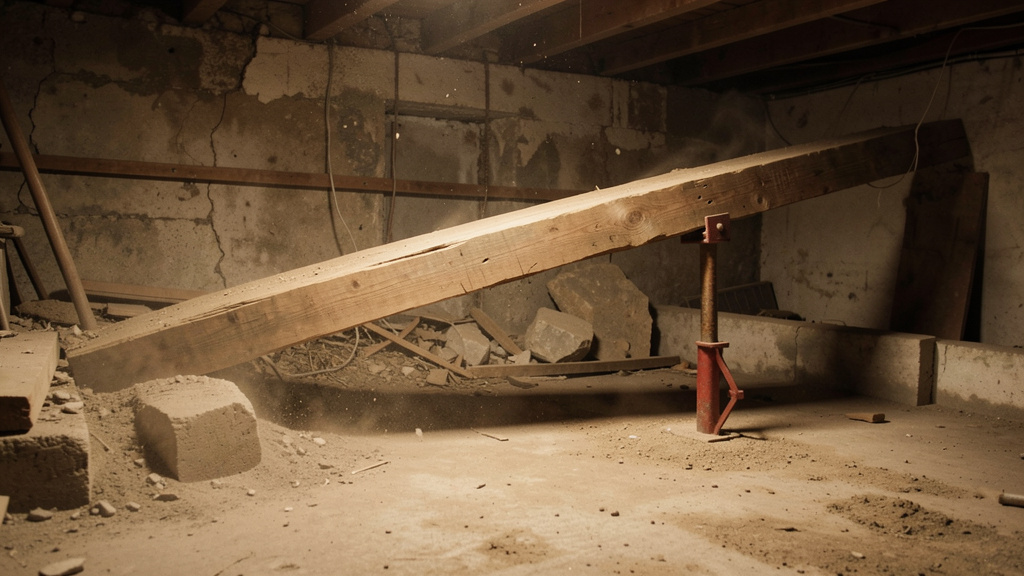
Move beyond fear and patchwork fixes. Learn to identify root causes, prioritize repairs with confidence, and preserve your home’s soul while ensuring safety for generations.
Old houses speak a language of creaks, slopes, and subtle shifts—a dialogue between history and physics. A hairline crack above the window isn’t just damage; it’s a sentence in your home’s ongoing story. A slightly uneven floor isn’t merely inconvenient; it’s evidence of decades of settling, seasonal change, and resilient craftsmanship. This guide transforms anxiety into actionable knowledge. You’ll learn to distinguish between benign character quirks and genuine structural concerns, implement solutions that honor original materials, and navigate the critical intersection of preservation ethics and modern safety standards. Whether your home was built in 1890 or 1950, this framework provides the clarity to protect its legacy without compromising your family’s well-being.
Introduction: Listening to the Bones of Your Home
Walking into an old house often feels like stepping into a living archive. The wide-plank floors whisper of forests long gone. The hand-forged nails speak of artisans who shaped wood with care. Yet alongside this beauty exists a reality every steward of historic property must face: time, moisture, soil movement, and evolving building science create challenges modern construction rarely encounters. Unlike new builds engineered for uniformity and speed, old houses were crafted with regional materials, site-specific techniques, and an understanding that structures breathe, shift, and adapt. This inherent flexibility is both their strength and their vulnerability.
Many homeowners inherit anxiety alongside their keys. Online horror stories amplify minor issues into catastrophic warnings. Social media showcases “before-and-after” transformations that erase historical integrity in favor of sterile perfection. This guide rejects both fear-mongering and reckless renovation. Instead, it offers a grounded, systematic approach rooted in structural engineering principles and historic preservation ethics. Drawing on established methodologies from the National Trust for Historic Preservation, the International Code Council’s guidelines for existing structures, and decades of documented case studies in residential rehabilitation, this resource synthesizes technical accuracy with practical homeowner application. The goal isn’t to make your house “new” again—it’s to ensure it remains safely, beautifully itself for decades to come.
Understanding why old houses behave differently is the first step toward confident stewardship. Pre-1940 construction typically used “balloon framing” (continuous studs from foundation to roof) or heavy timber joinery, creating interconnected structural systems where movement in one area affects others. Foundations were often shallow stone or brick piers without modern footings. Materials like old-growth lumber possess denser grain and greater natural resistance to decay than many contemporary alternatives—but they also respond dynamically to humidity changes. These aren’t flaws; they’re characteristics. The solutions lie not in fighting the house’s nature, but in working with it—stabilizing where necessary, adapting where wise, and preserving where possible. This mindset shift—from seeing problems to understanding patterns—is where true empowerment begins.
The Structural Symptom Decoder Framework: Observation, Assessment, Action
Before grabbing tools or calling contractors, implement this three-phase framework. Rushing to “fix” without diagnosis wastes resources, risks worsening conditions, and overlooks the house’s unique narrative. This method, validated by structural engineers specializing in historic properties, transforms overwhelming symptoms into manageable data points. It builds confidence through process, not panic.
Step 1: Document and Observe (Without Panic)
Your role here is detective, not surgeon. Arm yourself with a digital camera, notebook, measuring tape, level (a smartphone app works in a pinch), and flashlight. Work room by room, season by season if possible. Old houses reveal different truths in winter’s dry air versus summer’s humidity.
Create a Structural Journal:
Start a dedicated binder or digital folder. For each area of concern:
– Photograph: Capture the issue from multiple angles. Include a ruler or coin for scale. Note date, time, weather conditions (e.g., “After 3 days of heavy rain,” “During peak afternoon sun”).
– Sketch: A simple floor plan marking locations of cracks, slopes, or distortions creates a visual timeline. Use symbols: // for cracks, ↘ for slope direction, ◯ for bulges.
– Measure: Track crack width with calipers or a feeler gauge. Note floor slope using a 4-foot level and shim stack (e.g., “Approximately 1/2-inch drop over 8 feet toward northeast corner”).
– Contextualize: What’s nearby? Is a crack aligned with a window header? Does floor slope correlate with a missing support pier in the crawlspace? Note plumbing routes, recent excavations, or large tree roots near foundations.
Key Observation Zones:
– Foundation Perimeter: Examine exterior walls at ground level. Look for efflorescence (white mineral deposits indicating moisture migration), spalling (surface flaking on brick/stone), or vegetation growing directly from cracks.
– Interior Corners: Vertical cracks where walls meet ceilings often indicate seasonal wood movement—not foundation failure. Diagonal cracks radiating from window/door corners warrant closer study.
– Floor Systems: Walk slowly. Note where floorboards squeak consistently (often loose subfloor) versus where they feel spongy or deflect noticeably underfoot (potential joist issue). Place a marble on suspect floors; observe its roll path.
– Wall Surfaces: Run a straightedge along plaster walls. Small hairline cracks (<1/16 inch) in plaster are typically cosmetic. Cracks wider than a credit card, especially if stair-stepped in brick veneer or diagonal across large wall sections, signal movement.
– Roof Lines: Stand across the street at dawn or dusk. Silhouetted against the sky, subtle ridgeline sag or eave distortion becomes visible. Check attic rafters for cracked collars or displaced braces.
Why This Step is Crucial:
Documentation creates objective baselines. A crack measured at 1/32 inch today might be stable for years—or widen to 1/8 inch next spring. Without records, memory distorts (“Was it always this bad?”). This journal also becomes invaluable when consulting professionals. Showing a contractor six months of dated photos demonstrating progressive movement focuses their expertise. It shifts conversations from “Is this bad?” to “Here’s the pattern—what’s the mechanism?”
Common Mistakes to Avoid:
– Ignoring Seasonality: Checking only in dry summer months misses moisture-related movement. Schedule observations after heavy rain and during deep freeze.
– Overlooking the Obvious: That persistent damp spot on the basement wall? Trace it upward. Is there a disconnected downspout dumping water 2 feet from the foundation? Solve the water source before addressing the symptom.
– Emotional Labeling: Avoid terms like “disaster” or “ruined” in your journal. Stick to neutral descriptors: “Approximately 0.06-inch vertical crack at NW corner of living room window, stable since October.” Emotion clouds judgment; data clarifies it.
The Fundamental Principle: Structural issues are rarely isolated events. They are symptoms of underlying forces—water, soil, load, time. Your observation phase maps the symptom to reveal the force.
Step 2: Assess Severity and Urgency
Not all cracks demand immediate action. This assessment triage separates emergencies from manageable projects using clear, evidence-based criteria. Print this checklist and rate each observed issue:
| Symptom | Low Concern (Monitor) | Moderate Concern (Plan Action) | High Concern (Seek Professional Input) |
|---|---|---|---|
| Foundation Crack | Hairline (<1/16″), vertical, stable width | Horizontal crack; widening >1/8″; accompanied by bowing | Stair-step cracking in brick; crack wider at top/bottom; visible foundation shift |
| Floor Slope | <1/2″ drop over 10 ft; consistent slope; no bounce | >1/2″ drop; localized dip; noticeable bounce underfoot | Sudden change in slope; floor feels unstable; visible joist separation |
| Wall Crack | Fine spiderwebbing in plaster; follows lath lines | Diagonal crack >1/8″ wide; cracks at multiple window corners | Cracks wider than 1/4″; doors/windows stick and frame is visibly distorted |
| Roof Line | Minor ridge undulation visible only up close | Sag >1″ visible from ground; cracked interior collar ties | Visible ridge separation; daylight through roof seams; sag worsening rapidly |
| Moisture Signs | Occasional condensation on windows | Persistent damp patches; musty odor in one area | Active water intrusion; soft/spongy wood; visible mold growth on structural members |
Applying the Triage:
– Low Concern: Schedule re-measurement in 6 months. Address contributing factors (e.g., improve drainage, control interior humidity).
– Moderate Concern: Research solutions. Get multiple contractor quotes. Prioritize based on budget and progression rate. Document monthly.
– High Concern: Contact a structural engineer specializing in historic structures before proceeding. Do not attempt DIY repairs. Temporary shoring may be needed.
The “Door Test” for Wall Movement:
A simple, powerful diagnostic:
1. Close all interior doors on the suspect wall.
2. Note if they stick at top, bottom, latch side, or hinge side.
3. Open the door fully. Does it swing shut on its own? Does it resist closing?
– Sticking consistently at top: Suggests wall is leaning inward at the top (possible foundation settlement on that corner).
– Sticking at latch side only: Often indicates localized framing shift near the door header.
– Door swings shut: Wall may be leaning inward at the bottom.
– Door resists closing: Wall leaning outward at bottom.
This test reveals movement direction—critical data for professionals. Perform it quarterly and log results.
Why Assessment Prevents Costly Errors:
Homeowners often spend resources repairing the symptom while ignoring the cause. Example: Patching a basement wall crack while groundwater pressure continues to build behind it. The patch may fail, and moisture finds a new path—perhaps into finished living space. Assessment identifies the root force (hydrostatic pressure) so solutions target drainage (exterior grading, French drain) rather than just sealing the breach. This systems-thinking approach preserves materials and creates lasting stability.
Step 3: Choose Your Path—Stabilize, Repair, or Restore
With clear data in hand, select the appropriate intervention tier. This decision balances safety, preservation value, budget, and skill level. Never skip to “repair” without completing Steps 1 and 2.
Tier 1: Stabilization (DIY-Friendly, Urgent)
Goal: Halt progression of moderate issues while planning permanent solutions.
– For widening cracks: Install crack monitors (inexpensive plastic gauges that snap over cracks). They visually indicate movement without constant measuring.
– For minor foundation moisture: Clean gutters, extend downspouts 6+ feet from foundation, regrade soil to slope away approximately 6 inches over 10 feet.
– For bouncing floors: Add sister joists (new lumber fastened alongside existing) in accessible crawlspaces. Use construction adhesive and structural screws.
– Critical Rule: Stabilization is temporary. Document the date initiated and schedule professional consultation within 3 months.
Tier 2: Targeted Repair (Pro Guidance Recommended)
Goal: Address the root cause with minimal material replacement.
– Foundation parging: For deteriorating stone/mortar foundations, a lime-based parging (not Portland cement!) protects without trapping moisture. Requires masonry skill.
– Joist reinforcement: Sistering with matching dimensional lumber preserves headroom versus adding beams below.
– Wall bracing: Installing discreet steel straps or timber braces in attics/crawlspaces counters lateral movement without altering visible surfaces.
– Professional Partnership: Hire a contractor experienced with old houses. Ask: “Will you use reversible techniques?” “How will you match existing materials?”
Tier 3: Structural Restoration (Specialist Required)
Goal: Comprehensive intervention for high-concern issues, prioritizing historical integrity.
– Underpinning: Strengthening shallow foundations by extending footings deeper. Requires engineering design.
– Timber framing repair: Dutchman repairs (inserting new wood into damaged sections) or epoxy consolidation for rotted posts/beams.
– Helical piers: Screw-like steel piers driven deep into stable soil to stabilize settling foundations with minimal vibration.
– Non-Negotiable: Engage a structural engineer and a preservation specialist. Review plans against established rehabilitation standards.
Budget Pathways for Each Tier:
| Issue | Emergency Stabilization (Under $500) | Targeted Repair ($1,500–$8,000) | Full Restoration ($10,000–$50,000+) |
|——-|————————————–|———————————-|————————————-|
| Foundation Crack | Install crack monitors; improve drainage | Repoint mortar with compatible lime-based mix | Underpinning; partial foundation rebuild |
| Sagging Floor | Add temporary jack posts in crawlspace | Sister joists; reinforce girder | Install new beam; level floor system |
| Leaning Wall | Install temporary bracing in attic | Add steel tie rods; reinforce foundation | Rebuild section; install helical anchors |
| Roof Sag | Add temporary collar ties in attic | Replace broken rafters; add supplemental bracing | Complete roof restructuring; preserve original sheathing |
Why Path Selection Matters:
Choosing Tier 3 for a Tier 1 issue wastes irreplaceable historic fabric and budget. Conversely, applying Tier 1 stabilization to a Tier 3 emergency risks structural compromise. The framework ensures proportionality. It also respects the house’s biography: a 1910 Craftsman bungalow’s balloon framing requires different solutions than an 1850 Greek Revival’s timber frame. Matching the intervention to the structure’s era and construction method is essential for ethical stewardship. This tiered approach aligns with methodologies endorsed by preservation professionals for balancing safety with authenticity.
Deep Dive: Foundation Cracks and Settlement
Foundations are the literal ground truth of your house’s stability. In old homes, foundations were rarely engineered to modern standards. Stone rubble trenches, brick piers, or shallow concrete footings rest on soil that shifts with moisture, frost, and tree roots. Understanding crack types is your first diagnostic tool.
Crack Typology Decoded:
– Vertical Cracks: Most common in poured concrete or block foundations. Caused by concrete shrinkage during curing or minor settling. Action: Monitor width. If stable and <1/8 inch, seal with flexible polyurethane caulk to prevent water ingress. If widening, investigate soil conditions.
– Horizontal Cracks: High concern. Indicates lateral pressure from soil hydrostatic pressure or frost heave. Often accompanied by bowing. Action: Seek engineering consultation. Temporary soil relief (excavating soil against wall) may be needed.
– Stair-Step Cracks: Diagonal cracks following mortar joints in brick/block foundations. Classic sign of differential settlement. Action: Measure width at top, middle, bottom. Widening toward top suggests settlement; widening toward bottom suggests heaving. Document progression.
– Corner Cracks: Vertical cracks at wall corners. Often benign—result of temperature expansion/contraction. Action: Monitor. Seal if allowing moisture entry.
The Soil Story Beneath Your Feet:
Your foundation’s behavior is dictated by soil composition—a factor often overlooked. Clay soils expand when wet and shrink when dry. Sandy soils drain well but offer less support. Conduct a simple soil test:
1. Dig a small hole 12 inches deep near foundation.
2. Take a handful of soil. Moisten slightly.
3. Try to form a ribbon between thumb and forefinger:
– Clay: Forms long, flexible ribbon (>2 inches). Higher expansion risk.
– Loam: Forms short ribbon (1–2 inches), crumbles easily. Ideal stability.
– Sand: Won’t form ribbon; gritty texture. Good drainage, lower pressure risk.
Knowing your soil type informs solutions. Clay-rich sites demand exceptional drainage management; sandy sites may need compaction checks after heavy rains.
Moisture: The Silent Accelerant
Water is the primary catalyst for foundation deterioration. It softens soil, freezes (expanding cracks), and dissolves mortar binders. Address these moisture pathways before repairing cracks:
– Surface Water: Ensure positive grading (soil slopes away approximately 6+ inches over 10 feet). Install splash blocks under downspouts. Consider swales or French drains for persistent pooling.
– Subsurface Water: If interior dampness persists after surface fixes, a perimeter drain tile system may be needed. Modern systems use perforated PVC pipe wrapped in filter fabric, buried below footing level.
– Interior Humidity: In crawlspaces, install 6-mil poly vapor barrier over soil (overlap seams 12 inches, tape edges). Maintain relative humidity below 60% with dehumidifiers if needed.
Repair Methods Compared:
| Method | Best For | Preservation Value | Critical Considerations |
|——–|———-|———————|————————–|
| Lime-Based Parging | Deteriorating stone/brick; minor cracks | ★★★★★ (Breathable; matches historic mortar) | Must use NHL (Natural Hydraulic Lime) mortar. Avoid Portland cement—it traps moisture, causing spalling. |
| Epoxy Injection | Stable vertical cracks in concrete | ★★☆☆☆ (Seals but hides crack; non-breathable) | Only for stable, non-moving cracks. Traps moisture behind crack if hydrostatic pressure exists. |
| Helical Piers | Active settlement; sinking corners | ★★★★☆ (Minimal vibration; reversible) | Requires engineering design. Installers must understand old-house fragility. |
| Wall Anchors | Bowing walls with soil pressure | ★★☆☆☆ (Intrusive; alters landscape) | Excavation required. Risk of damaging historic foundation materials. |
Real-World Scenario: The 1925 Bungalow’s Leaning Chimney
A homeowner noticed a gap between the chimney and house wall. Foundation inspection revealed stair-step cracking on the chimney’s foundation pier. Soil test confirmed heavy clay.
Assessment: Documentation showed slow but progressive movement. Door test indicated wall leaning outward at base.
Solution Path:
1. Stabilization: Temporarily braced chimney. Diverted downspout dumping water near pier.
2. Root Cause: Installed French drain to intercept groundwater.
3. Repair: Repointed entire chimney foundation with NHL mortar. Installed discreet steel tie rods.
4. Outcome: Movement halted. Chimney preserved. The key was addressing soil moisture before structural repair.
Common Repair Pitfalls:
– The Cement Trap: Applying rigid Portland cement mortar to soft historic brick. Cement is harder than old brick, so stress concentrates in the brick itself, causing spalling. Always match mortar hardness to original (typically lime-based).
– Ignoring Drainage: Patching a crack without fixing the water source is ineffective. The repair fails, and moisture damage spreads.
– Over-Engineering: Installing massive steel beams for minor settlement can create new stress points. Solutions should be proportional.
Preservation Priority Checklist:
✅ Does the repair use compatible, breathable materials?
✅ Is the technique reversible (can it be undone without damaging original fabric)?
✅ Does it address the root cause, not just the symptom?
✅ Will it maintain the foundation’s ability to “breathe” and manage moisture naturally?
✅ Have multiple preservation-minded contractors reviewed the plan?
Foundation issues demand respect, not fear. With methodical observation and cause-focused solutions, most old-house foundations can be stabilized while honoring their historic character. The goal isn’t a perfectly straight, modern foundation—it’s a stable, functional one that continues its story.
Deep Dive: Sagging Floors and Joist Failure
Uneven floors are the hallmark of old houses—and often the source of deepest anxiety. Yet a gentle slope rarely indicates imminent collapse. Understanding why floors slope reveals whether it’s benign character or a call to action.
Decoding the Slope:
– Uniform Slope Across Entire Floor: Common in houses built on uncompacted fill soil. The whole structure settled evenly over decades. Assessment: Low concern if stable. Often adds charm. Verify no recent acceleration.
– Localized Dip or “Trampoline” Spot: Indicates failed support—rotted joist, crushed pier, or missing beam. Assessment: Moderate to high concern. Requires investigation from below.
– Slope Toward Exterior Walls: Suggests foundation settlement on that side. Check for corresponding wall cracks or sticking doors.
– Slope Toward Center of Room: May indicate undersized original joists or overloaded framing.
Investigate from Below:
Access the crawlspace or basement with flashlight and camera. Look for:
– Joist Condition: Probe wood with screwdriver. Soft, crumbly areas indicate rot. Check for insect damage.
– Support Systems: Are joists resting on a central girder? Is the girder supported by piers? Check pier stability.
– Deflection: Sight along the bottom of joists. A visible curve indicates long-term creep.
– Moisture: Use moisture meter on wood. Readings consistently >20% indicate active moisture problem needing resolution before repair.
Why Old Floors Slope (The Physics of Patina):
Pre-1950s lumber was often “true dimension” and came from old-growth trees with tight growth rings. This wood is denser than modern lumber—but it still creeps under constant load over 80+ years. Additionally, original builders used minimal support: 2×8 joists spaced 24 inches apart spanning 14 feet was common. Today’s codes would require larger joists at closer spacing. This isn’t “bad building”; it reflects era-appropriate standards and material properties. The slope is physics meeting time—a testament to the wood’s endurance.
Repair Strategies by Severity:
| Symptom | DIY Stabilization | Professional Repair | Preservation-Focused Restoration |
|———|——————-|———————|———————————-|
| Minor Uniform Slope | Accept as character. Use shims under rugs/furniture. | Leveling rarely justified. Focus on stabilizing cause. | Document slope as historic feature. Avoid invasive leveling. |
| Localized Dip | Install temporary jack post under dip. Monitor. | Sister joists with matching dimensional lumber. | Sister with reclaimed lumber matching species/age. |
| Bouncy Floor | Add blocking between joists (2x4s cut to fit). | Install new beam under joists; add support piers. | Use timber beam matching original species. |
| Severe Sag (>1″) | DO NOT WALK. Evacuate area. Support with temporary posts. | Engineered solution: sistering, beam addition, or partial reframing. | Collaborate with preservation engineer. Prioritize saving original subfloor. |
The Sister Joist Technique (Step-by-Step):
When: Joist is sound but undersized or deflected; access available from below.
Materials: Lumber matching original dimension/species, construction adhesive, structural screws, clamps.
Process:
1. Prepare: Clean joist surface. Remove nails protruding from subfloor above.
2. Fit: Cut new joist to exact length. Dry-fit alongside existing. Shim gaps if needed.
3. Adhere: Apply continuous bead of adhesive along mating surfaces.
4. Fasten: Clamp securely. Drive structural screws every 16 inches in a staggered pattern.
5. Verify: Check floor above for level. Monitor for 48 hours.
Why it Works: Sistering doubles the joist’s effective depth, dramatically increasing stiffness. Using matching lumber maintains historical accuracy and thermal properties.
Critical Moisture Management:
Floors sag fastest where moisture concentrates. Address these before structural repair:
– Crawlspace Ventilation: Ensure adequate ventilation. Install vapor barrier over soil.
– Plumbing Leaks: Check supply lines running through floor systems. A slow drip can rot multiple joists unseen.
– Exterior Grading: Water pooling against foundation migrates inward, saturating floor framing. Regrade soil immediately.
Case Study: The 1890 Victorian’s “Dining Room Dip”
Homeowners noticed a floor dip near the china cabinet. Crawlspace inspection revealed one rotted joist end where a downspout had leaked for years.
Assessment: Localized failure. Adjacent joists sound. Moisture source identified.
Solution:
1. Fixed downspout, regraded soil.
2. Cut out rotted section of joist.
3. Fabricated “Dutchman” repair: new heart pine block shaped to fit void, glued and screwed in place.
4. Sistered entire joist length with reclaimed lumber.
5. Monitored moisture levels for 60 days before finishing.
Result: Dip eliminated. Original wide-plank pine floor preserved. The repair respected the house’s material history while ensuring safety.
When Leveling Does More Harm Than Good:
Aggressive jack-and-level attempts can:
– Crack historic plaster walls and ceilings
– Dislodge original trim and moldings
– Create new stress points in interconnected framing
– Damage embedded wiring or plumbing
Rule of Thumb: If leveling requires lifting >1/2 inch, consult a structural engineer. Small adjustments (1/4 inch) are often feasible; major corrections risk collateral damage. Sometimes the most preservation-minded choice is accepting gentle slope as part of the home’s narrative.
Preservation Priority Checklist:
✅ Is the repair reversible?
✅ Does it preserve original subfloor and finish flooring?
✅ Are replacement materials visually and physically compatible?
✅ Has moisture been eliminated as the root cause?
✅ Does the solution maintain the floor’s historical performance characteristics?
Sloping floors tell stories of generations walking the same paths. With thoughtful intervention, we can ensure those stories continue—safely, respectfully, and without erasing the evidence of time.
Deep Dive: Leaning or Bowing Walls
Walls that lean inward or bulge outward trigger concern. Yet context determines risk. A slight inward lean in a 150-year-old stone house may be stable; a sudden bow in a 1940s brick veneer demands attention.
Diagnosing the Lean:
– Inward Lean (Top of Wall Closer to Interior): Common in houses with inadequate roof bracing or failing foundation on that side. Check attic for displaced collar ties or sagging ridge beam.
– Outward Lean (Top of Wall Closer to Exterior): Often caused by lateral soil pressure on foundation, failed floor joists pushing wall outward, or deteriorated mortar in masonry walls.
– Bowing (Bulge in Middle of Wall): Classic sign of hydrostatic pressure against foundation wall or failed lateral bracing in wood framing.
The Plumb Line Test:
1. Hang a weighted string (plumb line) from ceiling near wall top.
2. Measure distance from string to wall at top, middle, and bottom.
3. Repeat on opposite wall for comparison.
– Stable Historic Lean: Measurements consistent over 6+ months. Common in pre-1900 construction.
– Active Movement: Measurements changing >1/8 inch per year. Requires investigation.
Root Causes by Wall Type:
| Wall Construction | Common Lean Cause | Diagnostic Clue | Primary Solution Focus |
|——————-|——————-|—————–|————————|
| Load-Bearing Masonry (Brick/Stone) | Deteriorated mortar; soil pressure; failed tie rods | Stair-step cracks; bulging between floors | Repointing with lime mortar; soil drainage; discreet steel reinforcement |
| Balloon Framing (Pre-1940 Wood) | Missing/failed collar ties; sagging ridge beam | Attic inspection shows displaced rafters | Install supplemental collar ties; reinforce ridge |
| Platform Framing (Post-1940) | Foundation settlement; water damage at sill plate | Soft wood at base; cracks at corners | Foundation stabilization; sill plate repair |
| Brick Veneer | Failed weep holes; moisture trapped behind brick | Efflorescence; bulging near bottom | Clear weep holes; install drainage mat; repair flashing |
The Attic: Your Wall Stability Command Center
For wood-framed houses, the attic holds critical clues:
– Collar Ties: Horizontal braces connecting opposing rafters 1/3 down from peak. Missing or cracked ties allow walls to spread outward.
– Ridge Beam: Sagging ridge indicates roof load isn’t transferring properly to walls.
– Rafter Ties: Lower horizontal braces (often doubling as ceiling joists). Critical for preventing wall spread.
Action: Photograph all framing connections. Note cracks, separations, or previous repairs. This evidence guides targeted reinforcement.
Reinforcement Techniques Compared:
| Method | Best Application | Preservation Impact | Key Considerations |
|——–|——————|———————|———————|
| Steel Tie Rods | Masonry walls with outward lean; balloon framing spread | ★★★★☆ (Minimal visual impact; reversible) | Rods pass through wall, anchored with decorative washers. Must be installed by specialist. |
| Helical Tiebacks | Bowing foundation walls with soil pressure | ★★★☆☆ (Requires exterior excavation) | Steel shafts screwed into stable soil beyond wall. Less disruptive than traditional anchors. |
| Supplemental Collar Ties | Attic walls spreading outward | ★★★★★ (Hidden in attic; preserves interior) | Install new ties alongside originals using structural screws. Match wood species if visible. |
| Epoxy Rods | Localized masonry repair; cracked headers | ★★★★☆ (Strengthens without bulk) | Rods injected into drilled holes, bonded with epoxy. Requires precise engineering. |
Moisture: The Invisible Wall Weakener
Water is public enemy #1 for wall stability:
– In Masonry: Moisture dissolves lime mortar binders. Freeze-thaw cycles spall brick faces.
– In Wood Framing: Rot weakens sill plates (where wall meets foundation), allowing walls to shift.
Critical Checks:
– Inspect exterior flashing above windows/doors. Missing flashing directs water into wall cavities.
– Verify weep holes (small gaps in brick veneer mortar joints) are clear. Clogged weep holes trap moisture behind brick.
– Check interior for musty odors, peeling paint, or efflorescence—signs of chronic moisture.
Case Study: The 1910 Foursquare’s Spreading Walls
Homeowners noticed doors sticking on the second floor. Plumb line test showed outward lean at wall tops. Attic inspection revealed original collar ties had been removed decades ago.
Assessment: Active wall spread due to missing roof bracing. Foundation stable.
Solution:
1. Engineered plan specifying placement of six new collar ties in attic.
2. Ties crafted from reclaimed Douglas fir to match originals.
3. Installed with structural screws (no nails to split old wood).
4. Temporary wall braces held position during installation.
Result: Walls stabilized. Original plaster walls remained intact—no cracks from movement. The fix addressed the structural cause (missing bracing), not just the symptom.
Preservation Ethics in Reinforcement:
– Reversibility: Steel tie rods can be removed; epoxy injections cannot. Prefer reversible methods where safety allows.
– Visual Impact: Place anchors in less visible locations. Use period-appropriate washer designs.
– Material Compatibility: Never use Portland cement mortar on soft historic brick. Lime mortar flexes with the wall; cement cracks it.
– Document Everything: Photograph original conditions and repairs. Future stewards will thank you.
When to Seek Immediate Professional Input:
If wall movement exceeds 1 inch per year, or if cracks widen visibly month-to-month:
1. Avoid the area.
2. Contact a structural engineer specializing in historic structures.
3. Install temporary bracing only if trained—improper bracing can worsen failure.
Safety always supersedes preservation. A stabilized wall can be restored; a compromised wall cannot.
Walls lean for reasons. By diagnosing the “why,” we choose interventions that honor the house’s history while securing its future. The goal isn’t geometric perfection—it’s stable, safe functionality that respects the craftsmanship of those who built it.
Deep Dive: Roof Framing and Ridge Sag
The roof is your house’s shield. When ridge lines dip or rafters crack, it’s not just an aesthetic concern—it’s a warning that the entire structural envelope requires attention. Old-house roofs face unique challenges: heavy slate or tile loads, decades of weather exposure, and framing systems designed for materials no longer commonly used.
Recognizing Critical Roof Symptoms:
– Ridge Sag: Visible dip along the peak line. Stand across the street at sunrise/sunset to see silhouette against sky.
– Eave Sag: Drooping at roof edges, often where rafters meet wall plates.
– Cracked Collar Ties: Horizontal braces in attic splitting under tension.
– Displaced Sheathing: Gaps between original wood sheathing boards.
– Daylight Through Seams: Visible light in attic indicates separation at ridge or eaves.
Attic Investigation Protocol:
Safety first: Wear respirator, gloves, eye protection. Use sturdy boards across joists to distribute weight.
1. Map the Framing: Sketch roof layout. Note rafter size, spacing, species.
2. Check Connections: Where rafters meet ridge beam and wall plates. Look for separation, crushed wood, or failed fasteners.
3. Inspect Bracing: Collar ties (higher up), rafter ties (lower), purlins (horizontal supports mid-rafter). Are they intact? Properly sized?
4. Assess Sheathing: Original 1×6 or 1×8 boards? Check for rot, especially near chimneys or valleys.
5. Moisture Signs: Water stains, mold, musty odor. Trace stains upward to find leak source.
Why Old Roofs Sag (Beyond “Age”):
– Material Creep: Wood slowly deforms under constant load. Old-growth lumber resists better than modern wood, but decades of snow load takes toll.
– Inadequate Bracing: Many pre-1940 roofs relied on plaster ceilings acting as diaphragms. When plaster fails or is replaced with drywall (less rigid), lateral support diminishes.
– Overloading: Original slate roofs weighed significantly. Replacing with heavier materials without reinforcing framing causes sag.
– Moisture Damage: Rot at rafter tails or ridge connections weakens critical joints.
– Modified Framing: Amateur attic conversions cutting rafters for headroom compromise integrity.
Reinforcement Strategies by Issue:
| Symptom | Targeted Solution | Preservation Priority | Considerations |
|———|——————-|————————|—————-|
| Ridge Sag | Install supplemental ridge beam below existing; add collar ties | Preserve original ridge board if sound. Hide new beam in attic. | Cost varies by access and complexity |
| Cracked Collar Ties | Sister ties with matching lumber; add steel plates at cracks | Match wood species; use reversible fasteners | |
| Rafter Tail Rot | Dutchman repair (splice new wood into damaged section) | Save original rafter where possible; match profile | |
| Insufficient Bracing | Add discreet steel cables or timber braces in attic | Place braces in less visible areas; match historic detailing | |
| Compromised Sheathing | Sister damaged boards; add new sheathing over original | Never remove original sheathing if sound. Add layers. | |
The Collar Tie Rescue (Step-by-Step):
When: Existing collar ties cracked or missing; ridge sag evident.
Materials: Lumber matching original size/species, structural screws, construction adhesive, clamps.
Process:
1. Temporary Support: Install adjustable steel posts under ridge at sag points. Do not lift yet.
2. Fabricate New Ties: Cut to exact length. Dry-fit between rafters 1/3 down from ridge.
3. Adhere and Fasten: Apply adhesive to mating surfaces. Clamp securely. Drive structural screws through new tie into rafters (pre-drill to avoid splitting old wood).
4. Gradual Adjustment: Over 3–5 days, slowly raise temporary posts 1/8 inch per day. Monitor plaster walls below for cracks. Stop if resistance feels excessive.
5. Finalize: Once stable, secure posts permanently or remove if sag corrected.
Why Gradual? Old plaster and framing lack flexibility. Rapid lifting cracks walls, dislodges trim, and stresses connections. Patience prevents collateral damage.
Moisture Management: The Roof’s Silent Partner
A strong roof fails if moisture invades:
– Ventilation: Attics need adequate net free vent area. Soffit vents (intake) + ridge vents (exhaust) create airflow that prevents condensation rot.
– Flashing: Critical at chimneys, valleys, dormers. Lead or copper flashing lasts decades; asphalt-based fails quickly. Inspect annually.
– Ice Dams: In cold climates, inadequate insulation allows heat to melt snow at ridge, refreezing at eaves. Install ice/water shield under shingles at eaves; improve attic insulation.
Case Study: The 1880s Farmhouse Ridge Rescue
Homeowners noticed ridge sag worsening after heavy snow. Attic inspection revealed original collar ties had been removed; ridge board was cracked. Plaster ceilings showed hairline cracks radiating from ridge line.
Assessment: Loss of lateral bracing caused ridge sag. Plaster still intact but stressed.
Solution:
1. Installed six new collar ties from reclaimed heart pine.
2. Added steel plates across cracked ridge board sections.
3. Gradually lifted ridge 3/4 inch over 4 days using temporary posts.
4. Monitored plaster daily—no new cracks appeared.
5. Upgraded attic ventilation with continuous soffit and ridge vents.
Result: Ridge stabilized. Original plaster preserved. Roof structure strengthened. The phased, gentle approach respected the interconnectedness of roof and walls.
Preservation Priority Checklist:
✅ Are original framing members preserved where structurally sound?
✅ Is new material visually compatible (species, dimensions, finish)?
✅ Are interventions reversible or minimally invasive?
✅ Has moisture management been addressed to prevent recurrence?
✅ Does the solution maintain the roof’s historical load path?
Critical Warning Signs Requiring Prompt Attention:
– Visible daylight through roof seams in multiple locations
– Sag worsening noticeably after each snowfall
– Cracks in interior walls radiating from ridge line
– Soft, spongy feeling when walking on attic floor near ridge
– Musty odor intensifying after rain
A sagging roof requires methodical assessment and preservation-minded solutions. The key is working with the original framing system, not replacing it wholesale.
Deep Dive: Chimney Structural Issues
Chimneys are structural islands—massive, heavy, and vulnerable. In old houses, they often stand alone on shallow foundations, making them prone to movement that affects the entire house. A leaning chimney isn’t just a fireplace issue; it’s a house stability issue.
Chimney Anatomy and Failure Points:
– Foundation: Often separate from house foundation. Shallow stone or brick piers settle independently.
– Smoke Chamber: Tapered section above fireplace. Cracks here allow heat/moisture into wall cavities.
– Flue Liner: Clay tiles inside chimney. Cracked liners allow combustion gases into masonry.
– Corbel: Brick overhang at chimney top. Traps moisture if flashing fails.
– Crown: Concrete cap on top. Cracks allow water penetration.
Diagnosing Chimney Movement:
– Gap Between Chimney and House: Measure at roof line and attic. Widening gap indicates chimney leaning away.
– Stair-Step Cracks in Chimney Breast: Diagonal cracks in interior wall around fireplace signal chimney movement.
– Leaning: Use plumb line at chimney top. Compare to base measurement.
– Flue Inspection: Hire certified chimney sweep for video scan. Cracked liners are fire hazards.
Why Chimneys Fail (Beyond “Old Age”):
– Differential Settlement: Chimney foundation settles at different rate than house foundation.
– Moisture Intrusion: Water penetrates crown cracks, freezes, expands—spalling brick and mortar.
– Thermal Cycling: Repeated heating/cooling stresses masonry.
– Root Pressure: Tree roots near chimney foundation exert lateral force.
– Missing Flashing: Roof-to-chimney flashing failure allows water into wall structure.
Repair Strategies by Severity:
| Issue | Stabilization | Professional Repair | Preservation Restoration |
|——-|—————|———————|————————–|
| Minor Lean (<1″) | Install temporary steel cables anchored to roof framing | Repoint entire chimney with NHL mortar; add discreet steel ties | Match original brick/mortar; use lime-based materials exclusively |
| Cracked Crown | Seal cracks with flexible sealant | Remove damaged concrete; pour new crown with proper slope | Recreate original crown profile; use lime-concrete mix |
| Deteriorated Mortar | Brush loose debris; apply lime wash | Tuckpointing: remove old mortar, repack with NHL mortar | Match original mortar color/texture; use hand tools |
| Flue Liner Damage | STOP USING FIREPLACE | Install stainless steel relining system | Preserve original clay tiles where possible |
| Severe Lean (>2″) | AVOID AREA. Install emergency bracing | Partial rebuild from roof line up; underpin foundation | Reuse original brick; document pattern before disassembly |
The Tuckpointing Imperative (Why Mortar Matters):
Original lime mortar (pre-1930s) is soft, flexible, and breathable. Modern Portland cement mortar is hard, rigid, and traps moisture. Using cement on historic brick causes damage:
– Moisture migrates into softer brick instead of evaporating through mortar joints
– Freeze-thaw cycles spall brick faces
– Stress concentrates at brick edges, causing cracks
Correct Process:
1. Grind out old mortar to appropriate depth.
2. Clean joints with wire brush and water.
3. Mix NHL mortar with sand matching original color.
4. Pack joints in layers, tooling to match original profile.
5. Cure slowly—mist with water; cover with burlap.
This preserves the chimney’s ability to “breathe” and manage moisture naturally—a principle endorsed by preservation guidelines.
Moisture Defense System:
1. Crown Repair: Slope crown to shed water. Overhang edges.
2. Flashing: Install step flashing (lead or copper) where chimney meets roof. Counter-flashing embedded in mortar joints.
3. Weep Holes: Ensure small holes at base of chimney breast are clear—allow moisture escape.
4. Cap: Install chimney cap with mesh spark arrestor. Prevents rain entry and animal nests.
Case Study: The 1905 Colonial’s Separating Chimney
Homeowners noticed a gap between chimney and house wall in the attic. Stair-step cracks appeared in the living room fireplace surround.
Assessment: Chimney foundation settling independently. Moisture damage to mortar accelerated movement.
Solution:
1. Temporarily braced chimney with steel cables.
2. Repointed entire chimney exterior with NHL mortar.
3. Installed two stainless steel tie rods through chimney into house framing.
4. Repaired crown with lime-concrete mix; installed copper flashing.
5. Monitored gap monthly—movement halted.
Result: Chimney stabilized. Original brick preserved. Fireplace safely usable again. The solution addressed both structural movement and moisture—the true root causes.
Preservation Priority Checklist:
✅ Is mortar compatibility verified (lime-based for pre-1940s)?
✅ Are original bricks reused where sound?
✅ Is flashing material compatible (copper/lead vs. asphalt)?
✅ Does repair maintain chimney’s breathability?
✅ Are interventions reversible where possible?
Critical Safety Notes:
– Never use a fireplace with a cracked flue liner. Carbon monoxide can enter living spaces.
– Chimney movement often affects adjacent walls. Monitor interior walls near chimney quarterly.
– Tree roots within 10 feet of chimney foundation should be professionally assessed.
Chimneys are more than functional elements—they’re architectural signatures. With respectful, cause-focused repairs, they can continue warming homes and defining skylines for generations. The goal isn’t a “new” chimney; it’s a stable, safe one that honors its craftsmanship.
Deep Dive: Window and Door Frame Distortion
Sticking windows and doors are the most common old-house complaint—and often the most misunderstood. While frustrating, distortion usually reflects the house’s natural movement, not imminent collapse. The solution lies in understanding wood’s relationship with humidity, not forcing modern precision onto historic systems.
Why Frames Distort (The Science of Wood Movement):
Wood expands across its grain when humidity rises, contracts when dry. In old houses:
– Original frames were fitted tightly in dry winter months.
– Summer humidity swells wood, causing binding.
– Foundation settlement shifts entire wall planes, misaligning frames.
– Plaster walls crack as frames move—this is plaster failing, not necessarily frame failure.
Diagnosis Protocol:
1. Seasonal Pattern: Does sticking occur only in humid months? Likely normal wood movement.
2. Pattern Analysis:
– Sticks at top only: Wall leaning inward at top
– Sticks at latch side: Frame shifted horizontally
– Sticks consistently all around: Humidity swelling
3. Level Check: Place level on window sill. Note slope direction. Compare to floor slope in same area.
4. Plaster Inspection: Cracks radiating from frame corners indicate wall movement; hairline cracks along frame suggest wood swelling.
Humidity Management: The First Line of Defense
Before modifying frames, control the environment:
– Interior Humidity: Maintain 35–50% relative humidity year-round. Use dehumidifiers in summer, humidifiers in winter.
– Exterior Drainage: Ensure gutters/downspouts direct water away. Moisture-laden soil against foundation raises crawlspace humidity.
– Ventilation: Open windows on dry days. Use exhaust fans in kitchens/bathrooms.
Impact: Reducing interior humidity can shrink a wood frame enough to eliminate binding.
Non-Invasive Adjustment Techniques:
| Symptom | DIY Technique | Tool Required | Preservation Benefit |
|———|—————|—————|———————-|
| Sticking at Top | Plane top rail of sash only (not frame) | Block plane, sandpaper | Preserves original frame; reversible |
| Sticking at Sides | Adjust hinge screws; add thin shim behind hinge leaf | Screwdriver, cardboard shim | No wood removal; maintains alignment |
| Latch Misalignment | File strike plate slot slightly longer | Needle file | Minimal alteration; preserves hardware |
| Seasonal Binding | Apply paste wax to meeting rails and jambs | Candle wax, cloth | Lubricates without swelling wood; traditional method |
When to Modify Frames (Preservation-Minded Approach):
Only after confirming distortion is permanent (not seasonal) and humidity control fails.
– Shimming Hinges: For doors sticking on latch side, add thin cardboard shim behind bottom hinge leaf.
– Selective Planing: Remove minimal amount from binding edge. Always plane sash (movable part), not frame (fixed part).
– Re-Hanging: For severely shifted frames, remove trim carefully. Shim frame back to plumb using cedar shims. Reinstall trim.
Golden Rule: Preserve original wood. Never replace entire frame for minor distortion. A skilled carpenter can adjust most issues with minimal material removal.
The Plaster Crack Connection:
When frames move, plaster cracks. Repairing plaster without addressing frame movement guarantees failure.
Correct Sequence:
1. Stabilize structural cause (foundation, wall movement).
2. Allow time for house to settle into new equilibrium.
3. Repair plaster cracks with lime-based patching plaster.
4. Then adjust frames if needed.
This prevents “chasing cracks” endlessly. Plaster is sacrificial—it cracks to protect structural framing. Respect its role.
Case Study: The 1920s Bungalow’s Summer-Sticking Windows
All six original double-hung windows bound shut every July. Homeowner considered replacement.
Assessment: Interior humidity peaked in summer. Windows stuck consistently on meeting rails. No wall cracks.
Solution:
1. Installed whole-house dehumidifier set to 48% RH.
2. Applied beeswax to all meeting rails and parting beads.
3. Adjusted window weights for smoother operation.
Result: Windows operated smoothly year-round. Original wood windows preserved. The fix addressed the environmental cause, not the symptom.
Preservation Priority Checklist:
✅ Have humidity levels been monitored and controlled first?
✅ Is adjustment focused on sash (movable part), not frame?
✅ Are original hardware and trim preserved?
✅ Is any wood removal minimal and reversible?
✅ Has structural movement been ruled out as primary cause?
Why Replacement is Usually the Wrong Answer:
– Original windows (pre-1940) used old-growth wood with natural rot resistance. Modern replacements often use inferior materials.
– Historic windows are repairable; many modern windows are disposable.
– Original windows contribute to historic character and property value.
– Energy loss is primarily from operation (drafts), not the window itself. Proper weatherstripping and storm windows significantly improve performance.
Frame distortion is rarely a structural emergency. It’s a dialogue between wood, humidity, and time. By listening carefully and responding with minimal intervention, we preserve irreplaceable craftsmanship while restoring function. The goal isn’t perfect alignment—it’s graceful adaptation.
Deep Dive: Porch and Deck Attachment Failures
Porches are social anchors of old houses—but their attachment points are high-risk zones. Unlike modern decks built to strict codes, historic porches often relied on toenailed connections or inadequate ledger boards. Water intrusion at the house-wall junction accelerates decay, making this a critical safety area.
Critical Failure Points:
– Ledger Board: Horizontal board attaching porch frame to house. Toenailed connections pull out over time.
– Post Bases: Where wooden posts meet foundation piers. Moisture wicks up wood, causing rot.
– Joist Hangers: Often missing or corroded in old constructions.
– Flashing: Missing or deteriorated flashing allows water behind ledger board.
The Attachment Inspection (Do This Annually):
1. Visual Check: Look for sagging porch floor, gaps between porch and house wall.
2. Probe Test: Use ice pick or screwdriver to probe ledger board where it meets house. Soft, crumbly wood = rot.
3. Flashlight Check: Shine light into gap between porch roof and house wall. Look for missing flashing, water stains, or rot.
4. Post Inspection: Check base of each post. Probe wood 6 inches above pier. Lift gently—excessive movement indicates failure.
5. Fastener Check: Look for rusted, bent, or missing nails/screws at critical joints.
Why Attachments Fail (The Water Trap):
The junction between porch and house is a moisture magnet:
– Rain runs down house wall, pools at porch roof edge.
– Without proper flashing, water seeps behind ledger board.
– Trapped moisture has no escape path—rot begins unseen.
– Wood expands when wet, stressing fasteners until they fail.
This isn’t “bad building”; it’s physics meeting inadequate detailing. Modern codes require continuous flashing and corrosion-resistant fasteners—standards rarely used before 1980.
Repair Strategies by Condition:
| Condition | Immediate Action | Professional Repair | Preservation Approach |
|———–|——————|———————|————————|
| Sound Ledger, Missing Flashing | Clean debris from joint | Install Z-flashing over ledger; seal top edge | Use copper flashing; match historic profile |
| Soft Ledger Board | DO NOT USE PORCH. Support with temporary posts | Remove rotten section; sister new ledger; install flashing | Reuse sound sections; match wood species |
| Rotted Post Base | Shim post temporarily | Cut out rotten section; install “post saver” repair bracket | Use epoxy consolidation for minor rot; preserve original post |
| Loose Fasteners | Tighten if possible | Replace with structural screws; add joist hangers | Use hot-dipped galvanized hardware; avoid modern aesthetics |
The Flashing Imperative (Step-by-Step):
When: Ledger board is sound but flashing missing/deteriorated.
Materials: 26-gauge copper or lead-coated copper flashing, roofing nails, polyurethane sealant.
Process:
1. Remove Trim: Carefully pry off fascia board or trim covering ledger top.
2. Clean Surface: Remove old caulk, debris, rust.
3. Install Z-Flashing: Slide top leg behind house siding (1–2 inches). Bottom leg extends over ledger board front.
4. Seal Top Edge: Apply bead of sealant where flashing meets siding.
5. Reinstall Trim: Secure with stainless steel nails.
Why Copper? Copper lasts decades, develops protective patina, and is compatible with historic materials. Avoid asphalt-based flashing—it degrades quickly.
Post Base Preservation Techniques:
– Post Savers: Stainless steel brackets that replace rotted bottom section. Original post remains intact above bracket.
– Epoxy Consolidation: For early-stage rot, inject epoxy resin to harden wood fibers. Sand smooth, paint.
– Concrete Piers: Ensure piers extend above soil. Slope concrete away from post to shed water.
– Ventilation: Leave gap between post bottom and pier for airflow. Never set wood directly on soil.
Case Study: The 1915 Craftsman’s Failing Front Porch
Homeowners noticed porch floor sagging near house wall. Probe test revealed ledger board softness. Flashing was missing; water stains visible.
Assessment: Active rot at critical attachment point. Porch unsafe for use.
Solution:
1. Supported porch with temporary screw jacks.
2. Removed rotten ledger section.
3. Sistered new pressure-treated ledger alongside original (preserving visible historic wood).
4. Installed custom-bent copper Z-flashing behind siding.
5. Replaced rotted post bases with post saver brackets.
6. Added discreet steel angle braces at critical joints.
Result: Porch structurally sound. Original porch framing and trim preserved. Historic appearance maintained. The repair addressed the moisture cause while saving original fabric.
Preservation Priority Checklist:
✅ Is flashing material compatible and long-lasting (copper)?
✅ Are original structural members preserved where sound?
✅ Are repairs reversible or minimally invasive?
✅ Does solution maintain historic appearance from street?
✅ Have moisture pathways been eliminated?
Critical Safety Protocol:
– Test porch stability before each use: Stand near house wall, bounce gently. Excessive movement = avoid use.
– Never hang swings or heavy planters from porch roofs without engineering review.
– Annual inspection is non-negotiable—porch failures cause serious injuries.
Porches embody the spirit of old houses—welcoming, social, connected to landscape. By addressing attachment failures with preservation-minded solutions, we ensure they remain safe gathering places for future generations. The goal isn’t a “new” porch; it’s a secure, authentic one that honors its craftsmanship.
Deep Dive: Moisture-Induced Structural Decay
Moisture is the universal accelerant of structural decline. It doesn’t create problems alone—it amplifies every other issue: weakening wood, dissolving mortar, corroding fasteners, and feeding destructive organisms. In old houses, moisture management isn’t optional maintenance; it’s structural preservation.
The Moisture Pathways (Follow the Water):
1. Bulk Water: Rain, snowmelt, groundwater. Enters through roof leaks, failed flashing, poor grading.
2. Capillary Action: Water wicks upward through porous materials (brick, stone, concrete).
3. Air Leakage: Humid interior air penetrates wall cavities, condenses on cold surfaces.
4. Vapor Diffusion: Water vapor moves through materials from high to low humidity.
Diagnostic Tools for Moisture Detection:
– Moisture Meter: Pin-type for wood (measures % moisture content); pinless for surfaces. Readings >20% indicate active problem.
– Infrared Camera: Reveals temperature differences showing hidden moisture.
– Hygrometer: Tracks interior relative humidity. Ideal range: 35–50%.
– Visual Clues: Efflorescence (white salts on masonry), peeling paint, musty odors, soft wood.
Critical Zones Requiring Vigilance:
| Zone | Moisture Source | Early Warning Signs | Prevention Strategy |
|——|—————–|———————|———————|
| Crawlspace | Ground evaporation, plumbing leaks | Musty odor, condensation on ducts, mold on joists | 6-mil vapor barrier over soil; dehumidifier; seal penetrations |
| Basement Walls | Hydrostatic pressure, poor drainage | Damp patches, efflorescence, spalling concrete | Exterior grading; French drain; interior drainage mat |
| Window/Door Frames | Failed flashing, condensation | Peeling paint, soft wood at sills, mold in corners | Proper flashing; interior humidity control; exterior paint maintenance |
| Roof-Wall Junctions | Missing step flashing, ice dams | Water stains on ceilings, rot in sheathing | Copper step flashing; ice/water shield; attic ventilation |
| Chimney Breast | Crown cracks, missing flashing | Stains on wall above fireplace, spalling brick | Crown repair; copper counter-flashing; chimney cap |
Wood Decay Organisms: Know Your Enemy
– Brown Rot: Turns wood dark, crumbly. Thrives at 20–30% moisture content. Common in crawlspaces.
– White Rot: Makes wood stringy, spongy. Requires higher moisture.
– Dry Rot (Serpula lacrymans): Misnomer—it requires moisture to start, then spreads through wood. Causes cubical cracking. Rare but serious.
Critical Insight: Decay stops when wood dries below 20% moisture content. Eliminating moisture source is more important than killing fungus.
Moisture Management Hierarchy (Most to Least Effective):
1. Source Control: Fix roof leaks, regrade soil, clean gutters. Prevents water from entering.
2. Drainage: French drains, sump pumps, vapor barriers. Removes water that enters.
3. Ventilation: Crawlspace vents, attic fans, dehumidifiers. Dries residual moisture.
4. Material Selection: Pressure-treated wood, lime mortar, breathable paints. Resists damage if moisture occurs.
Never skip to #4.* Applying sealant to a damp basement wall without fixing drainage is futile. Water finds new paths.
The Crawlspace Revolution (From Damp Cellar to Dry Asset):
Traditional “vented crawlspace” advice is outdated in many climates. Modern best practice in humid regions: encapsulate.
Process:
1. Fix Bulk Water: Install French drain if needed; ensure downspouts extend away.
2. Vapor Barrier: Lay heavy-duty poly sheeting over entire floor. Overlap seams; tape. Extend up walls; secure.
3. Seal Penetrations: Use closed-cell spray foam around pipes, wires entering crawlspace.
4. Conditioned Air: Add small supply duct from HVAC system OR install dedicated dehumidifier (set to 50% RH).
5. Insulate Walls: Rigid foam board on foundation walls.
Result: Relative humidity stays below 60%. Wood moisture content stabilizes well below decay threshold. Joists remain sound for decades. This approach is endorsed by building science professionals and has preserved countless historic structures.
Case Study: The 1870s Victorian’s Rotting Sill Plate
Homeowners discovered soft wood where floor joists met foundation in crawlspace. Moisture meter read 28%. Musty odor permeated first floor.
Assessment: Ground moisture wicking up foundation wall, saturating wood sill plate. Vented crawlspace ineffective in humid climate.
Solution:
1. Installed exterior French drain around affected foundation section.
2. Encapsulated entire crawlspace with vapor barrier.
3. Installed dehumidifier with drain hose.
4. Monitored moisture levels weekly.
5. After 90 days, wood moisture stabilized. Sill plate dried solid—no replacement needed.
Result: Structural decay halted. Original 1870s framing preserved. Indoor air quality improved dramatically. The solution addressed the moisture source, not just the symptom.
Preservation Priority Checklist:
✅ Has the moisture source been identified and eliminated first?
✅ Are solutions breathable where historic materials require it (lime mortar vs. cement)?
✅ Does the approach maintain the building’s ability to manage moisture naturally?
✅ Are monitoring systems (hygrometers, moisture meters) in place post-repair?
✅ Have all affected zones been treated comprehensively?
The Humidity Balance:
Over-drying historic homes causes its own damage:
– Plaster cracks from excessive dryness
– Wood trim shrinks, creating gaps
– Original finishes become brittle
Target: 35–50% relative humidity year-round. Use humidifiers in winter, dehumidifiers in summer. Monitor with hygrometers in multiple rooms.
Moisture management is the cornerstone of old-house preservation. By understanding pathways, deploying layered defenses, and respecting historic materials’ need to breathe, we create environments where original fabric endures. The goal isn’t absolute dryness—it’s balanced, controlled moisture that preserves both structure and soul.
The Preservation vs. Safety Balance: Navigating Ethical Dilemmas
Every old-house steward faces moments where preservation ideals intersect with contemporary safety expectations. A low basement ceiling preserves historic headroom but may not meet modern egress expectations. Original knob-and-tube wiring is beautifully crafted but requires careful evaluation. These aren’t failures of the house—they’re intersections of history and contemporary life. Navigating them requires nuance, not dogma.
The Decision Framework:
When confronting a preservation-safety consideration, ask these questions in order:
1. Is there an imminent safety concern? (Risk of structural compromise, fire hazard)
→ If YES: Safety considerations take precedence. Mitigate concern promptly.
2. Can the concern be addressed without removing historic fabric?
→ Explore reversible interventions, hidden reinforcements, or operational changes.
3. Does the solution respect established preservation principles?
→ Prioritize: A) Preserve existing material; B) Repair over replace; C) Use compatible materials; D) Make changes reversible.
4. What is the long-term impact on the house’s integrity?
→ Will this “fix” create future problems? Does it maintain the house’s story?
Real Dilemmas, Thoughtful Solutions:
| Dilemma | Preservation-Only Approach (Risky) | Safety-Only Approach (Destructive) | Balanced Solution (Recommended) |
|———|———————————–|———————————–|——————————–|
| Low Basement Ceiling | Keep as-is; accept head-bumping | Excavate floor; pour new foundation | Install discreet headroom warning lights; use low-profile HVAC equipment; preserve original floor |
| Knob-and-Tube Wiring | Leave original; avoid overloading | Rip out all walls; rewire entirely | Retire circuits in walls; run new wires in accessible areas; preserve visible knobs/tubes as display |
| Narrow Staircase | Maintain historic tread dimensions | Replace entire staircase; widen opening | Add non-slip treads; improve lighting; install sturdy handrail; preserve original newel post |
| Single-Pane Windows | Keep originals; accept drafts | Replace all with vinyl double-pane | Restore originals; add interior storm panels; apply low-e film; weatherstrip meticulously |
| No Egress Window | Accept historic layout | Cut large hole in foundation wall | Install egress window in least visible location; match historic window style; document alteration |
The “Reversible Intervention” Principle:
Preservation ethics prioritize solutions that can be undone without damaging original fabric. Examples:
– Steel tie rods through masonry walls can be removed; epoxy injections cannot.
– Interior storm windows preserve original windows; replacement destroys them.
– Surface-mounted conduit for new wiring avoids wall demolition.
This principle respects future stewards’ choices. What seems essential today may be obsolete tomorrow. Reversibility maintains options.
When Safety Considerations Are Paramount:
Some situations require unequivocal action:
– Active structural movement threatening stability
– Electrical hazards such as knob-and-tube wiring buried in insulation
– Lead paint hazards in homes with young children (per EPA guidelines)
– Asbestos-containing materials being disturbed
In these cases, safety is non-negotiable. However, preservation can still guide how solutions are implemented:
– Hire contractors experienced with historic structures.
– Document original conditions thoroughly before alteration.
– Reuse or archive original materials where possible.
– Match new materials to historic appearance.
Case Study: The 1900s Farmhouse Electrical Dilemma
Homeowners loved the visible porcelain knobs and cloth wiring in the attic. But insulation was planned for the attic floor—burying knob-and-tube wiring, a fire hazard per modern standards.
Options Considered:
– Option A (Preservation): Skip insulation. House remains drafty; high energy costs.
– Option B (Safety): Rip out all wiring; demolish plaster walls to run new cables.
– Option C (Balanced):
1. Retire all knob-and-tube circuits.
2. Run new wiring through attic and crawlspace (minimal wall intrusion).
3. Preserve visible knobs/tubes in attic as historical display.
4. Install new junction boxes in closets for future access.
Result: Safety achieved without destroying historic fabric. Original wiring remains visible as educational artifact. Energy efficiency improved with attic insulation.
Finding Your Preservation Compass:
– Consult Experts: Contact your State Historic Preservation Office (SHPO). Many offer free consultations.
– Study Precedents: Research how similar houses in your area resolved issues. Local historical societies are invaluable resources.
– Document Everything: Photograph original conditions. Keep samples of materials. Future owners will appreciate the record.
– Embrace “Preservation in Place”: Sometimes the most respectful choice is stabilizing existing fabric rather than “improving” it. A slightly uneven floor tells a truer story than a perfectly level replacement.
The goal isn’t purity—it’s stewardship. By balancing safety with sensitivity, we honor the past while securing the future. Every thoughtful compromise strengthens the house’s legacy, proving that preservation and safety aren’t opposites—they’re partners in longevity.
Cost Considerations and Budgeting Strategies
Addressing structural issues in old houses need not be financially overwhelming. Strategic budgeting transforms complex projects into manageable phases. The key is prioritizing based on risk assessment, not emotion, and leveraging preservation-minded solutions that offer long-term value.
The Risk-Based Budget Matrix:
| Priority Level | Criteria | Budget Allocation | Timeline |
|—————-|———-|——————-|———-|
| Critical (Address Promptly) | Imminent safety risk; active structural movement; moisture causing rapid decay | Allocate available funds immediately; explore financing options | Within 30 days |
| Important (Plan Within Year) | Moderate movement; recurring moisture issues; failing components affecting usability | Schedule into annual home maintenance budget | 3–12 months |
| Preservation (Ongoing Stewardship) | Cosmetic cracks; stable slopes; preventive maintenance; humidity control | Integrate into regular home care routine | Ongoing |
| Future Planning | Major restoration projects; system upgrades; aesthetic enhancements | Save incrementally; research grants/tax incentives | 1–5 years |
Phased Project Approach:
Break large projects into logical phases:
1. Stabilize: Address immediate risks (e.g., divert water from foundation, temporary bracing).
2. Diagnose: Hire professionals for assessment (engineer report, moisture mapping).
3. Repair Root Cause: Fix drainage, soil issues, or structural weaknesses.
4. Restore: Address cosmetic elements and historic fabric preservation.
This approach prevents wasted resources on symptoms and builds confidence through measurable progress.
Finding Preservation-Minded Professionals:
– Ask: “What experience do you have with houses built before 1950?”
– Request examples of past projects preserving original materials.
– Verify licenses and insurance.
– Get multiple detailed quotes.
– Check references specifically about their approach to historic fabric.
Local historical societies often maintain lists of vetted contractors.
Financial Resources for Historic Homes:
– Federal Historic Preservation Tax Incentives: For income-producing properties (rentals, B&Bs).
– State Grants and Tax Credits: Many states offer incentives for certified historic structures.
– Local Preservation Funds: Some municipalities have grant programs for facade or structural repairs.
– Energy Efficiency Programs: Some utilities offer rebates for storm windows or insulation that respect historic character.
Contact your State Historic Preservation Office (SHPO) for current opportunities in your area.
Budget-Friendly Preservation Wins:
– Gutter Maintenance: Clean gutters twice yearly; extend downspouts. Prevents 80% of foundation moisture issues.
– Grading: Ensure soil slopes away from foundation. Low-cost, high-impact.
– Humidity Control: Maintain 35–50% RH indoors. Protects wood, plaster, and your health.
– Regular Inspections: Quarterly checks of critical zones catch small issues before they escalate.
These proactive steps preserve value far beyond their minimal cost.
Your Questions, Answered
Q: How do I know if a crack in my plaster wall is serious?
A: Most hairline cracks (<1/16 inch) following lath lines are cosmetic and result from normal wood movement. Cracks wider than a credit card, diagonal across large sections, or accompanied by sticking doors/windows warrant professional assessment. Document with photos and measurements over time—progression matters more than initial size.
Q: Can I live in the house during foundation repairs?
A: For minor repairs like repointing or drainage improvements, yes. For major interventions like underpinning or significant excavation, temporary relocation may be recommended for safety and comfort. Always discuss occupancy plans with your engineer and contractor during the planning phase.
Q: Will repairing my old house decrease its historic value?
A: Thoughtful, preservation-minded repairs increase historic value by ensuring longevity. The key is using compatible materials and reversible techniques. Document all work thoroughly. Avoid “remuddling” (inappropriate modern alterations) which diminishes authenticity and value.
Q: How do I find a contractor who understands old houses?
A: Start with your local historical society or State Historic Preservation Office—they often maintain vetted lists. Ask to see examples of their work on houses of similar age. Interview multiple candidates. The right contractor will ask questions about your preservation goals and explain why they recommend specific techniques.
Q: Is it safe to use original knob-and-tube wiring?
A: Knob-and-tube wiring itself isn’t inherently unsafe if undisturbed and not overloaded. However, modern safety standards consider it a hazard when covered by insulation (traps heat) or when circuit demands exceed original design. Consult a licensed electrician experienced with historic homes. Many choose to retire in-wall wiring while preserving visible elements as artifacts.
Q: What’s the most common mistake homeowners make with old house repairs?
A: Addressing symptoms without diagnosing root causes—especially moisture. Patching a basement crack without fixing drainage guarantees failure. Another frequent error: using modern materials incompatible with historic fabric (like Portland cement on soft brick). Always ask “why is this happening?” before “how do I fix it?”
Q: How often should I inspect my old house for structural issues?
A: Conduct a thorough seasonal inspection (spring after snow/rain, fall before winter). Check foundation perimeter, roof lines, and critical zones after heavy storms. Maintain your structural journal with dated photos. Small, consistent attention prevents major crises.
Q: Can I get grants or tax credits for structural repairs on my historic home?
A: Federal tax incentives primarily apply to income-producing certified historic structures. However, many states and municipalities offer grants, low-interest loans, or tax abatements for structural stabilization of owner-occupied historic homes. Contact