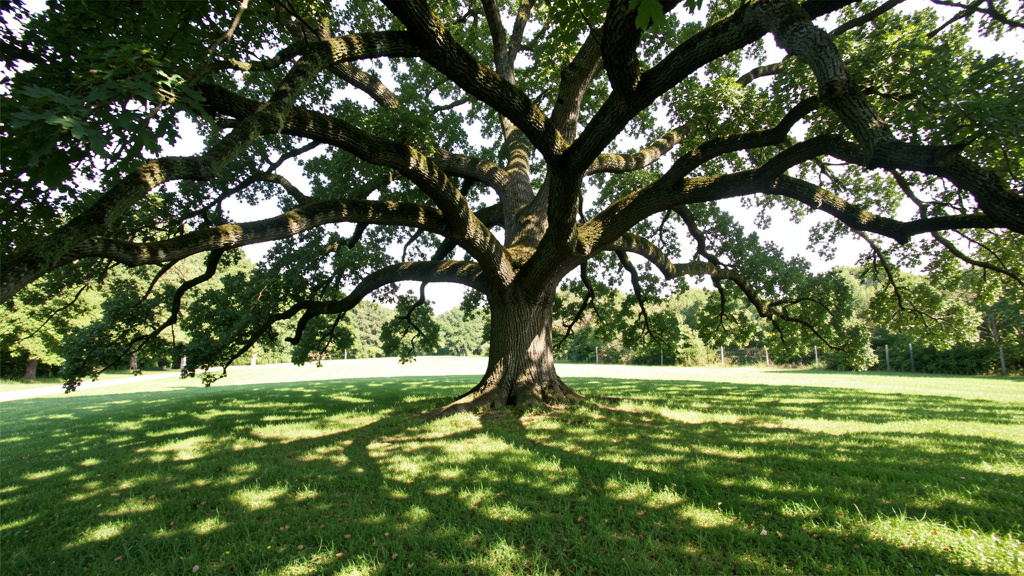
Plant with Purpose. Grow a Living Heritage That Enriches Land, Life, and Legacy.
Selecting a landscape tree represents one of the most enduring decisions a property steward makes—a choice that unfolds across decades, influencing ecosystems, daily comfort, community character, and the very identity of a place long after planting. Yet much common guidance emphasizes immediate visual appeal or short-term gratification, overlooking the profound temporal dimension inherent in this commitment. This guide offers a structured, ecology-informed methodology drawn from established practices in landscape architecture, urban forestry, and ecological design. You will learn to thoughtfully assess site dynamics, tree biology, evolving human needs, and environmental context—transforming tree selection from a momentary choice into a purposeful act of stewardship. The result is a living element that offers compounding beauty, ecological function, resilience, and meaning for decades to come.
Introduction
Picture a mature oak you planted decades ago, its branches now sheltering a treehouse where new generations gather. Contrast this with the frustration of cracked pavement from root pressure, the cost of emergency removal after storm damage, or the quiet disappointment of a tree declining due to environmental mismatch. These outcomes rarely stem from chance alone—they reflect the depth of consideration applied during the selection process. Grounded in principles documented by organizations such as the American Society of Landscape Architects, peer-reviewed research in Urban Forestry & Urban Greening, and decades of municipal forestry case studies across North America and Europe, this framework shifts perspective from transactional planting to intentional cultivation. Trees are not static ornaments; they are dynamic, living systems continuously interacting with soil, climate, built environments, and community life. A Japanese maple flourishing in humid, acidic conditions may struggle in regions with alkaline soils and intense sun—not due to inherent weakness, but contextual misalignment. Similarly, a rapidly growing silver maple may offer quick shade yet often develops structural vulnerabilities that become liabilities within a few decades. True success lies not in seeking a mythical “perfect tree,” but in nurturing a harmonious relationship between a specific tree and its specific place across time. This guide provides practical tools to cultivate that relationship with clarity and care. Whether you steward a compact urban lot, a suburban garden, or rural acreage, the choices made today will resonate far beyond the present. Let’s begin building that legacy with intention.
The Five Pillars of the Legacy Tree Framework
At its heart, legacy-oriented tree selection moves beyond fragmented checklists toward an integrated system. The Legacy Tree Framework weaves together ecology, design sensitivity, site awareness, and forward-looking stewardship into five interconnected pillars. Each addresses nuanced questions often overlooked: How might this tree interact with foundation drainage over decades? What seasonal wildlife value might it offer as local conditions shift? How could future stewards perceive its role? This approach is not abstract—it reflects practical foresight increasingly adopted by communities developing long-term green infrastructure plans. The framework’s strength emerges when all pillars inform one another; overlooking even one dimension may lead to unintended consequences. Below, each pillar is explored with actionable guidance, contextual examples, and considerations frequently absent from conventional advice.
Pillar 1: Understand Your Site’s Unique Character
Many assess sun exposure and soil type superficially. Legacy-oriented planning invites deeper observation—transforming general impressions (“partly sunny,” “clay soil”) into meaningful, site-specific understanding. Why? Because a tree’s long-term vitality is shaped long before planting by conditions only revealed through attentive analysis.
Sunlight Through the Seasons
Move beyond labeling a spot “full sun.” Observe how light shifts across solstices. Note shadows cast by structures, fences, or existing vegetation at morning, midday, and late afternoon during both summer and winter months. A location receiving six hours of direct sun in June may receive only two in December due to the sun’s lower winter arc—a critical factor for trees requiring consistent light or specific dormancy cues. Example: In a northern climate, a site shaded after 3 PM in winter by a neighboring structure may challenge evergreens needing reliable light. Practical step: Sketch a simple site map marking zones like “Consistent Sun,” “Seasonal Shade,” or “Persistent Shade.” Free tools like Sun Surveyor can supplement visual observation.
Soil as a Living System
Soil is more than dirt—it’s a dynamic medium supporting root function, water movement, and microbial life.
– Texture Insight (Jar Test): Fill a clear quart jar one-third with soil, two-thirds with water, add a drop of dish soap. Shake vigorously and let settle 24 hours. Distinct layers reveal sand (bottom), silt (middle), and clay (top). Loam—often ideal—shows balanced layers. Heavy clay may restrict drainage and root oxygen; very sandy soil may drain too rapidly.
– pH Awareness: An affordable test kit reveals acidity or alkalinity. Many trees prefer near-neutral conditions (pH 6.0–7.0). Pin oaks typically require acidic soil; in alkaline conditions, they may show nutrient deficiency symptoms over time. Honey locust, conversely, tolerates a wider pH range.
– Compaction Check: Attempt to push a screwdriver into undisturbed soil. Resistance within a few inches suggests compaction, which can limit root growth. Gentle remedy: For moderate compaction, core aeration months before planting; in severely compacted areas (common near recent construction), consider planting in a raised mound with thoughtfully amended soil.
– Biological Signs: In a small test hole (12″x12″x6″), note earthworm presence and organic matter. Few organisms may indicate soil needing gradual improvement through compost additions well before planting.
Water Movement and Drainage
After significant rainfall, observe your site over 24–48 hours. Note where water pools persistently versus where it moves through efficiently. Areas holding water longer may suit species tolerant of periodic saturation, like river birch or sweetbay magnolia. Sloped areas (>5%) channel water downhill—planting drought-adapted species higher on the slope and moisture-tolerant types lower aligns with natural flow. Key distinction: “Well-drained” means water moves through soil without stagnating—not that the site is perpetually dry. Soil draining within a few hours after rain typically supports a broad range of trees.
Respecting Built Elements and Utilities
Before any digging, contact your local “call before you dig” service (811 in the U.S., ClickBeforeYouDig in Canada, LSBUD in the UK). Then consider:
– Utility Awareness: Note approximate depths of irrigation lines (shallow), electrical conduits, and sewer laterals. Trees with moisture-seeking roots (willow, poplar) are best sited well away from sewer lines.
– Hardscape Buffers: Measure distances to foundations, driveways, patios, and sidewalks. General guidance suggests:
– Small trees (<25′ mature height): Minimum 8–10 ft from structures
– Medium trees (25–40′): Minimum 15–20 ft
– Large trees (>40′): Minimum 25–30+ ft
Why? Roots expand over time; maintaining space reduces future conflicts.
– Overhead Clearance: Assess proximity to power lines. Even modest-sized trees can interfere with utility corridors over time. Selecting appropriately scaled species avoids future pruning conflicts.
Microclimate Nuances
Your property hosts subtle weather patterns distinct from regional forecasts:
– Heat Retention: South- or west-facing masonry walls can create warmer pockets, potentially supporting marginally hardy species.
– Frost Collection: Low-lying areas may gather colder air, increasing frost risk for early-blooming trees like saucer magnolia. Slight elevation can mitigate this.
– Wind Exposure: Gaps between structures can accelerate wind. In exposed settings, species with flexible branching (honey locust) may fare better than brittle-wooded types.
– Observation tip: Place simple thermometers in candidate spots on contrasting days. Even modest temperature variations influence suitability for borderline-hardy species.
Pillar 1 replaces guesswork with grounded understanding. A gardener in the Midwest, through seasonal sun mapping, realized a “sunny” backyard received minimal winter light due to a mature neighbor tree. They selected a shade-tolerant American hornbeam instead of a sun-dependent species—aligning choice with reality. Your site holds essential clues; listening to them sets the stage for lasting success.
Pillar 2: Clarify Your Evolving Vision
Aesthetics matter, yet legacy planning invites deeper reflection: What role might this tree play across changing seasons of life and landscape? This pillar guides temporal thinking—envisioning the tree’s journey alongside personal milestones, land evolution, and community context. Without this reflection, selections risk aligning perfectly with today’s needs while creating friction tomorrow.
Guiding Reflection Prompts
Consider these questions openly. There are no universal answers—only what feels aligned for your situation.
1. Primary Roles (Identify 1–3):
– Shade for comfort or energy efficiency
– Habitat for birds, pollinators, or beneficial insects
– Erosion management on slopes
– Visual screening or privacy
– Edible harvest (fruit, nuts)
– Seasonal interest (blossoms, fall color, winter form)
– Cultural or commemorative significance
– Supporting local biodiversity
– Noise buffering (dense evergreens)
2. Life and Landscape Timeline:
– Near term (next 5–10 years): Anticipated changes in household, use of space, or nearby development?
– Medium term (10–30 years): Potential property transition? Aging-in-place considerations? Maturation of surrounding vegetation?
– Long view (30+ years): Hope for the tree’s role for future stewards? Intended as a landmark?
3. Landscape Context:
– Planned additions (patios, gardens, structures)?
– Existing trees nearing end of life?
– Neighborhood changes affecting light or space?
Illustrative example: A household in a warm climate prioritized “shade” and “low water needs.” Initially drawn to a fast-growing non-native, deeper reflection revealed concerns about invasiveness, mess near living areas, and structural weakness. They chose a regionally appropriate oak. Growth was gradual, but over nearly two decades, it now provides substantial shade, supports local wildlife, and requires minimal intervention—a choice aligned with their evolving vision.
Visualizing Growth Phases
Trees change dramatically across decades. Considering key phases supports realistic expectations:
| Phase | Typical Changes | Evolving Role | Common Considerations |
|---|---|---|---|
| Establishment (Years 1–5) | Vertical growth; developing root system; vulnerable to drought or damage | Focus: Survival and rooting. Needs consistent care, protection | Watering needs are highest early on; patience during slow visible growth |
| Youth (Years 6–15) | Canopy fills; branching structure becomes defined; roots expand | Focus: Integration. Begins offering shade, habitat; may benefit from formative pruning | May start shading garden beds; lower branches might need selective raising for clearance |
| Maturity (Years 16–30+) | Growth rate slows; canopy dense; reproductive cycles active; structural strength evident | Focus: Contribution. Peak shade, habitat value, visual impact | Assess proximity to structures; “mess” (fruit, seeds) becomes noticeable—context defines acceptability |
| Later Years (30+) | Growth minimal; bark texture deepens; potential hollows (wildlife value); gradual decline signs possible | Focus: Stewardship. Monitoring health; appreciating legacy value | Requires attentive observation; decisions about preservation or succession may arise |
Insight: “Mess” is contextual. Berries attracting birds may be cherished in a backyard wildlife zone yet problematic near a patio. Similarly, a tree benefiting from early structural pruning often avoids significant issues later. Investing thoughtfully in youth supports resilience in maturity.
Planning with Flexibility
– Environmental Shifts: Consult updated hardiness zone resources and regional climate outlooks. Selecting species with adaptability across a modest zone range may offer resilience. Prioritizing genetic diversity—avoiding identical species as immediate neighbors—can reduce shared vulnerability to pests or disease.
– Landscape Succession: Will this tree eventually shade sun-loving gardens? Consider introducing shade-tolerant understory plants early so they establish before canopy closure.
– Future Stewardship: Reflect gently: “If ownership changes, would this tree likely be valued?” A well-sited, healthy specimen often enhances appeal; a tree in conflict with structures may raise concerns.
Pillar 2 anchors selection in purpose. A family planted a persimmon after clarifying their vision: “Provide autumn color, edible fruit for visiting grandchildren, and tolerance for increasing shade from maturing conifers.” Years later, the tree fulfills each intention—its fruit anticipated each fall. Vision transforms planting from impulse to intention.
Pillar 3: Align Tree Traits with Site Realities
This pillar addresses a frequent gap: selecting based on a nursery photo while overlooking biological essentials. True compatibility requires matching specific tree characteristics with your site’s documented conditions from Pillar 1. We examine key traits often simplified elsewhere, followed by a practical species consideration guide.
Understanding Core Tree Characteristics
Growth Rate: Beyond Speed
– Rapid growers (e.g., silver maple, Lombardy poplar): Often achieve height quickly but may develop weaker wood structure and shorter lifespans. Exceptions exist (tulip poplar in spacious settings), but weigh speed against long-term resilience.
– Moderate growers (e.g., many oaks, maples, honey locust): Typically offer a balanced combination of timely canopy development and structural integrity. Often well-suited for legacy planting.
– Slow growers (e.g., ginkgo, katsura, holly): Develop dense, strong wood; frequently exceptionally long-lived with minimal pruning needs. Ideal where form, longevity, or focal presence matters more than rapid shade.
Insight: Growth rate often correlates with wood density and lifespan. Rapid growth prioritizes height over structural investment—a strategy effective in wild forests but potentially problematic near human environments.
Root Behavior: The Unseen Framework
– Surface-oriented roots (e.g., silver maple, Norway maple): May challenge lawns or lift hardscapes over time. Best sited in open areas away from pavement; groundcovers often thrive beneath them.
– Moisture-seeking roots (e.g., willow, poplar): Require significant distance from sewer lines, septic fields, or pools.
– Generally non-invasive roots (e.g., dogwood, redbud, magnolia): Often suitable near patios or contained beds.
Clarification: While some species develop taproots when young, most mature landscape trees rely heavily on lateral roots within the top layers of soil for water and nutrients. Site conditions (soil type, moisture) heavily influence root behavior.
Canopy Form and Light Quality
– Vase-shaped (e.g., American elm, zelkova): Creates elevated canopy, allowing light beneath for lawns or gardens.
– Rounded/Oval (e.g., red maple, littleleaf linden): Offers dense, consistent shade—ideal for cooling seating areas.
– Pyramidal (e.g., bald cypress, dawn redwood): Narrow footprint suits tighter spaces or vertical accents.
– Weeping forms (e.g., weeping cherry): Creates focal drama; requires space for branches to cascade without obstruction.
Light consideration: Honey locust provides dappled shade beneath, supporting understory plants; Norway maple creates deeper shade where turf may struggle. Match light quality to your needs below the canopy.
Reproduction and Maintenance Context
– Flowers: Showy blooms (cherry, magnolia) bring spring joy; consider pollen sensitivity if relevant.
– Fruit/Seeds: “Mess” depends on placement. Female ginkgo fruit has a strong odor—male cultivars avoid this. Yet crabapples feed birds; persimmons delight visitors. Define acceptability by location: fruiting trees may be ideal in rear gardens, less so near entryways.
– Seed dispersal: Some maples or ashes produce abundant seeds. Sterile or low-seed cultivars exist where this is a concern.
Longevity and Resilience Indicators
– Shorter-lived species (e.g., Bradford pear, silver maple): Often chosen for speed but may require replacement within decades.
– Medium-lived (e.g., many oaks, hickories): Form the backbone of enduring landscapes.
– Long-lived species (e.g., ginkgo, bur oak, bald cypress): Potential generational anchors.
Ecological note: Native species, where well-matched to site, often support greater local biodiversity and demonstrate co-evolved resilience to regional pests and conditions. Non-native species with proven non-invasive records and site compatibility (e.g., male ginkgo, zelkova) can also play valuable roles. Always verify invasiveness status with local extension resources.
Species Consideration Guide: Matching Constraints
Use this after completing Pillar 1. Identify your site’s primary constraints, then explore species noted for compatibility. All suggestions assume non-invasive status in your region—always confirm locally.
| Site Consideration | Small Space (<25′ wide) | Poor Drainage / Wet Soil | Alkaline Soil (pH >7.5) | Drought-Prone Areas | Wind-Exposed Sites | Urban Tolerance |
|---|---|---|---|---|---|---|
| Small Tree (<25′ H) | Japanese maple (partial shade), Serviceberry, Fringe tree | Downy serviceberry, Redbud (tolerates brief wetness) | Hawthorn, Amur maple | Texas mountain laurel, Desert willow | Japanese tree lilac, Hawthorn | Littleleaf linden, Hornbeam |
| Medium Tree (25–40′ H) | Kousa dogwood, Star magnolia | River birch, Sweetbay magnolia | Bur oak (adaptable), Honey locust | Kentucky coffeetree, Pinyon pine | Honey locust, Hackberry | Ginkgo (male), London plane |
| Large Tree (>40′ H) | Generally avoid—space constraints | Bald cypress, Swamp white oak | Bur oak, Chinkapin oak | Bur oak, Blue oak | Bur oak, Austrian pine | London plane, Ginkgo (male) |
| Key Notes | Avoid weak-wooded or invasive types. Seek disease-resistant cultivars where relevant. | Bald cypress develops “knees” in wet conditions—allow space. Avoid species intolerant of prolonged saturation. | Pin oak often struggles in alkaline soil; bur oak is a more adaptable oak alternative. | Establish deep roots with consistent early watering; mature trees often become highly drought-resilient. | Avoid brittle-wooded species. Flexible branching handles wind better. | Tolerates soil compaction and air pollutants; avoid shallow-rooted types in high-traffic zones. |
Regional Awareness Examples:
– Pacific Northwest: In clay soils with wet winters, Oregon white oak or vine maple may outperform sugar maple.
– Southeast Humid Zones: Southern magnolia or live oak often thrive where Colorado blue spruce faces disease pressure.
– Arid Southwest: Desert willow excels with minimal water; water-dependent birches typically struggle.
– UK/EU Context: For chalky (alkaline) soils, field maple or hornbeam may be preferable to silver birch. Consult RHS hardiness guidance.
Pillar 3 fosters informed alignment. A property owner with compacted, alkaline soil selected bur oak after research, while neighboring red maples showed stress signs over time. Biology presents fundamental parameters; working within them greatly increases the likelihood of shared flourishing.
Pillar 4: Integrate into a Living Landscape System
A legacy tree rarely stands alone. It anchors a dynamic system—the soil community, understory plants, wildlife interactions, and visual flow of your outdoor space. Pillar 4 moves beyond “where to plant” to “how this tree participates in a resilient, evolving ecosystem.” This perspective prevents the common outcome of an isolated, struggling specimen.
Layering for Resilience and Beauty
Nature thrives in layers. Thoughtful layering supports biodiversity and reduces maintenance:
1. Canopy Layer (Your focal tree): The anchor.
2. Sub-Canopy Layer (15–25′ H): Smaller trees or large shrubs tolerant of dappled light: redbud, serviceberry, witch hazel. Placement: Position 10–15 ft from the main trunk to minimize root competition.
3. Shrub Layer (3–10′ H): Native viburnums, spicebush, or hydrangeas offer cover, seasonal interest, and wildlife value.
4. Ground Layer: Shade-adapted perennials (hostas, ferns) or native groundcovers (wild ginger, pachysandra). Critical practice: Create a mulched area extending toward the drip line (edge of canopy). Avoid turf directly against the trunk—grass competes aggressively for water and nutrients, and mowers can damage bark. Mulch conserves moisture, suppresses weeds, and protects roots.
Example: Beneath a maturing sugar maple, a layered planting of pagoda dogwood, arrowwood viburnum, and Christmas fern created a self-sustaining woodland garden supporting birds and pollinators with minimal intervention.
Caring for the Root Zone
The area under the canopy is vital to tree health.
– Mulching Correctly: Spread arborist wood chips 2–4 inches deep in a wide ring around the trunk, thinning near the base to expose the natural root flare. Avoid “volcano mulching” (piling against the trunk), which traps moisture and invites pests or disease.
– Preventing Compaction: Avoid storing heavy materials, parking vehicles, or hosting large gatherings beneath the canopy. Compacted soil restricts oxygen and water movement to roots. Use permanent stepping stones for necessary access paths.
– Watering Wisdom: For established trees, deep, infrequent soaking encourages roots to grow downward. Soaker hoses placed under the canopy are more efficient than sprinklers. Young trees need consistent moisture; mature trees typically require supplemental water only during prolonged dry periods.
– Fertilization Insight: Trees in healthy landscapes often receive adequate nutrients from decomposing leaves and organic matter. Avoid routine high-nitrogen fertilization, which can stimulate vulnerable growth. Soil tests guide any needed amendments; compost applied to the soil surface offers gentle nourishment.
Seasonal Integration
Anticipate how the tree interacts with light, space, and activity throughout the year:
– Winter: Deciduous trees allow low-angle sun to gently warm south-facing walls. Evergreens positioned to block prevailing cold winds offer protection.
– Spring: Early bloomers (redbud, serviceberry) provide crucial nectar for emerging pollinators. Consider placement to avoid petals accumulating on frequently used steps.
– Summer: Maximize shade on west-facing windows where afternoon sun is most intense. A medium-sized tree positioned thoughtfully can significantly moderate indoor temperatures.
– Autumn: Position trees with notable fall color where they’ll be enjoyed from windows or seating areas. Consider leaf drop patterns relative to pools, paths, or equipment.
Advanced consideration: Deciduous trees provide seasonal shading—dense in summer, open in winter. Pairing them with evergreen windbreaks on northern exposures creates a dynamic microclimate strategy.
Designing for the Long View
– Spacing for Maturity: When planting multiple trees, estimate their mature canopy spread. Space them so crowns nearly touch at maturity (e.g., two trees with 40-foot spreads planted 35–38 feet apart). This prevents overcrowding and unhealthy competition.
– Succession Planning: If replacing a declining tree, planting a successor nearby before removal (if space allows) lets the new tree establish under the shelter of the existing one.
– Connecting Habitats: Discuss with neighbors about aligning tree choices along property lines. A corridor of native oaks, for instance, creates valuable wildlife pathways. Many communities support such collaborative stewardship.
– Human Connection: Place a bench beneath a future shade zone now. Install subtle uplighting to highlight interesting bark or branch structure after dark. These gestures honor the tree’s evolving role in daily life.
Pillar 4 cultivates relationship. In the Pacific Northwest, a vine maple planted with red osier dogwood and native ferns now forms a thriving, self-sustaining woodland nook requiring no irrigation beyond rainfall—all because integration was envisioned from the start.
Pillar 5: Embrace Stewardship as Partnership
Planting is a beginning. Legacy trees flourish through consistent, informed care—a partnership between steward and tree across seasons and years. Pillar 5 offers a phased care perspective and thoughtful contingency planning, replacing vague advice with clear, actionable guidance.
Phased Care Perspective
Establishment Phase (Years 1–3: Critical Foundation)
– Watering: Deep watering 2–3 times weekly during the first growing season (adjusting for rainfall and heat). Goal: Encourage roots to grow deep. Check soil moisture 4 inches down; water if dry. Gradually reduce frequency in years two and three as roots establish. Sign to note: Wilting that persists into evening warrants immediate deep watering.
– Mulching: Maintain a 2–4 inch layer of wood chips, replenishing annually as needed. Keep mulch pulled back slightly from the trunk.
– Staking: Only if the trunk cannot remain upright in typical wind. Use flexible ties allowing slight movement (which strengthens the trunk). Remove stakes after one growing season—prolonged staking can weaken development.
– Pruning: Minimal. Remove only dead, damaged, or clearly crossing branches. Allow the tree to develop its natural form.
Youth Phase (Years 4–15: Structural Guidance)
– Formative Pruning (Years 5–10): This step significantly influences long-term health and safety. Consider consulting an ISA-certified arborist to:
– Encourage a single dominant central leader where appropriate for the species
– Address co-dominant stems (two main trunks competing) that could split later
– Space main branches vertically to avoid weak attachments
– Remove inward-growing or rubbing branches
Why it matters: Thoughtful early structure prevents many future storm-related failures. This investment supports decades of safe, beautiful growth.
– Watering: Supplement during extended dry periods (>3 weeks without rain). Deep soaking every 2–3 weeks is preferable to frequent light sprinkling.
– Observation: Periodically check the trunk and major branches for wounds, unusual growths, or insect activity during the growing season. Early awareness supports timely care.
Maturity Phase (Years 16+: Preservation Focus)
– Pruning: Limit to removing deadwood, hazardous limbs, or necessary clearance. Avoid thinning healthy canopies unnecessarily, as this can stress the tree. Engage qualified professionals for work near utilities or large limbs.
– Soil Care: Apply a thin layer of compost under the canopy every few years to replenish organic matter. Avoid altering soil grade (adding fill or excavating) within the drip line, as roots require stable oxygen levels.
– Health Awareness: Note changes like premature leaf drop, canopy thinning, mushrooms at the base, or sudden branch dieback. Consult a certified arborist at the first sign of concern; many issues are manageable when addressed early.
Adapting to Environmental Conditions
– During Drought: Water deeply at the drip line (not the trunk) early in the morning. Apply mulch to conserve moisture. Temporarily remove competing vegetation near the trunk. Avoid fertilizing during drought, as it stimulates growth the tree cannot support.
– Extreme Heat: Lightly rinsing foliage in the early evening can cool leaves (avoid midday to prevent potential leaf scorch).
– Unexpected Frost: If tender new growth emerges early and frost threatens, cover small trees with frost cloth. Mature trees typically recover from minor frost events.
– Regional Pest Awareness: Learn about significant local threats (e.g., Emerald Ash Borer where ash trees grow, Oak Wilt in affected regions). Timing of pruning (avoiding high-risk seasons) and species diversity are key preventative strategies. Proactive step: Plant a variety of species. A landscape with diverse trees is more resilient to pests or diseases affecting any single type.
Thoughtful Contingency Planning
– After Storm Events:
– Minor damage: Cleanly prune small broken branches just outside the branch collar.
– Significant damage: Contact a certified arborist promptly for assessment. Professionals can determine if cabling, bracing, or other interventions may preserve the tree.
– Prevention: Ensuring good structural pruning during youth and maintaining overall tree health reduces vulnerability.
– Property Transition:
– Create a simple “Tree Care Note”: Include species (if known), planting year, and brief care observations. Leave it with property records.
– For commemorative trees: A small, discreet marker with species and planting date can honor intent.
– When selling, sharing this note with potential buyers or agents highlights stewardship and may support the tree’s preservation.
– End-of-Life Consideration: All trees eventually decline. Signs may include extensive canopy loss, large structural cavities, or significant leaning with soil disruption. Consult multiple arborists for assessment. If removal becomes necessary, consider:
– Repurposing wood for a bench, artwork, or keepsake
– Leaving a standing snag (if safe) to support cavity-nesting wildlife
– Planting a successor tree nearby before removal, continuing the legacy
Pillar 5 embodies committed partnership. A family in the Midwest, following phased care guidance, supported their bur oak through a severe regional drought in its twelfth year. Their timely watering and mulching preserved a tree that neighbors lost—demonstrating how informed stewardship nurtures resilience. Care is not a burden; it is the practice of relationship.
The Guiding Insight: A legacy tree flourishes not through passive placement, but through an evolving partnership—a thoughtful alignment of human care and biological potential, honored across changing seasons, challenges, and generations.
Navigating Common Considerations with Flexibility
Even thoughtful frameworks meet real-world constraints. This section offers empathetic, practical pathways for frequent scenarios—without judgment, only adaptable guidance. Legacy-oriented planting is not about perfection; it is about informed, intentional choices within your unique context.
“I May Not Live Here Long-Term”
Consideration: Why invest in a long-lived tree?
Pathway: Frame planting as a contribution.
– Select trees offering near-term visual appeal and enduring value: Japanese maple (distinctive form early), serviceberry (flowers and fruit relatively quickly), or ginkgo (unique silhouette, clean habit). These often enhance property appeal.
– Leave a brief note: “Planted [Year] for future enjoyment. Expected shade by [approximate year]. Basic care: [simple tips].” This small gesture fosters continuity and increases the likelihood the tree is valued by the next steward.
– Alternative focus: Native shrubs like viburnum or chokeberry provide wildlife value and mature within a shorter timeframe. They can sometimes be transplanted if you relocate.
“My Space Is Very Limited”
Consideration: Concern about scale overwhelming the area.
Pathway: Embrace precision and vertical interest.
– Columnar or Narrow Forms: Swedish columnar aspen, ‘Newton Sentry’ maple, or Italian cypress (in suitable climates) provide height with minimal width.
– Multi-Stem Specimens: Clump-form river birch or Japanese maple create visual interest in compact footprints.
– Espalier Technique: Train fruit trees (apple, pear) flat against a fence or wall. Combines beauty, function, and space efficiency. Requires annual pruning but yields high rewards.
– Key reminder: Rigorously apply spacing guidelines from Pillar 1. A correctly scaled small tree placed thoughtfully is far more sustainable than a “medium” tree planted too close to structures.
“HOA or Local Regulations Restrict Choices”
Consideration: Navigating bureaucratic guidelines.
Pathway: Engage strategically and collaboratively.
– Obtain written guidelines. Many restrictions target “messy” traits—male ginkgo (fruitless) or seedless cultivars (‘Autumn Blaze’ maple) may be acceptable alternatives.
– Propose options with supporting rationale: “This species is recommended by [City] Urban Forestry for its resilience and low long-term maintenance needs.”
– Collaborate with neighbors: Propose a community-approved “signature tree” program. Collective, informed advocacy often succeeds where individual requests face hurdles.
– If guidelines promote ecologically problematic species: Share non-confrontational resources from ISA or local extension offices, framing suggestions around protecting community property values and environmental health.
“Budget Constraints Are a Factor”
Consideration: Perception that quality planting is costly.
Pathway: Prioritize wise investment over lowest initial price.
– Source Thoughtfully:
– Local native plant sales (often hosted by conservation districts) offer healthy saplings at accessible prices.
– State forestry programs sometimes provide bare-root seedlings ideal for larger properties.
– Caution: Avoid trees with circling roots, poor structure, or signs of stress at any retailer. A modestly priced, healthy tree from a reputable source outperforms a deeply discounted struggling specimen.
– DIY Care: You can provide consistent watering, mulching, and observation—core elements of establishment success.
– Phased Approach: Plant one well-chosen tree this year. Introduce understory layers in subsequent seasons. Progress, not perfection, builds legacy.
– Long-term view: A thoughtfully selected tree avoids future costs associated with structural conflicts, premature removal, or replacement.
“Climate Uncertainty Feels Overwhelming”
Consideration: Difficulty planning amid changing conditions.
Pathway: Cultivate adaptive resilience.
– Embrace Diversity: Plant multiple species rather than a monoculture. Diversity buffers against unforeseen challenges.
– Select for Adaptability: Prioritize species with broad native ranges or documented resilience in varied conditions (e.g., bur oak across multiple zones). Consult regional climate adaptation resources from agricultural extensions or forestry services.
– Strengthen Foundations: Healthy soil biology supports tree resilience. Focus on reducing compaction, adding organic matter, and maintaining consistent moisture—these practices buffer against multiple stressors.
– Mindset shift: You are not predicting the future; you are nurturing a landscape’s capacity to adapt. Every appropriately placed native tree supports local ecosystems facing change.
“I Feel Overwhelmed by Options”
Consideration: Decision fatigue.
Pathway: Simplify with three focused questions:
1. What is my site’s most defining constraint? (e.g., “seasonal wetness,” “only 12 ft from patio”)
2. What is my most important purpose? (e.g., “shade a seating area,” “support pollinators”)
3. What is my realistic timeframe? (e.g., “visible impact within 7 years,” “planning for long-term”)
Answer these, then consult the Species Consideration Guide in Pillar 3. Narrow to two or three options. Visit a trusted nursery to observe the trees in person. Let informed observation guide your choice.
Constraints are not barriers—they are the very parameters that shape meaningful, sustainable choices. A renter in an urban apartment nurtured a dwarf conifer in a large container on her balcony, documenting its care and leaving instructions for the next tenant. Legacy is defined not by land ownership, but by intention and care. Meet your context with creativity.
Your Questions, Answered
Q: How can I assess drainage without digging a large hole?
A: Try a simple percolation test: Dig a hole 12 inches deep and wide. Fill with water and let it drain completely. Refill and time how long it takes to drain. Less than an hour suggests very fast drainage (sandy soil); 1–6 hours is generally ideal for many trees; longer than 6 hours indicates slower drainage. For persistently wet areas, consider planting on a modest mound (18–24 inches high) with amended soil, or select species known for wet-site tolerance like river birch.
Q: Are native trees always the best choice for legacy planting?
A: Native trees often offer strong alignment with local ecosystems, supporting greater biodiversity and demonstrating co-evolved resilience to regional conditions. However, “best” depends on site compatibility and steward goals. Some non-native species with proven non-invasive records and site suitability (e.g., male ginkgo, Japanese zelkova) can also fulfill legacy roles effectively. Prioritize: 1) Confirmed non-invasive status in your area (verify with local extension), 2) Alignment with your site’s conditions, 3) Ecological and aesthetic contributions. Avoid species documented as invasive in your region, regardless of origin.
Q: My tree was planted closer to the house than recommended. Can it be moved?
A: Transplant success depends heavily on tree size, species, age, and root condition. Very young trees (under 2 inches trunk diameter) moved during dormancy (late fall or early spring) with professional assistance have the highest chance. Larger, established trees rarely survive relocation. More practical approaches: Consult a certified arborist about selective pruning to direct growth away from the structure, or installing a root barrier (vertical barrier sunk 2–3 feet deep) between the tree and foundation to guide roots. This underscores why Pillar 1’s pre-planting analysis is so valuable.
Q: Do mature trees meaningfully affect property value?
A: Research from organizations like the USDA Forest Service suggests that healthy, well-placed trees can positively influence property appeal and value, with mature specimen trees often noted as desirable features. However, value is highly contextual: a tree creating structural conflict or blocking desirable views may have the opposite effect. The most consistent financial benefit lies in avoiding costs—thoughtful selection prevents expenses related to foundation repairs, storm damage mitigation, or emergency removal. View legacy trees as long-term assets contributing to comfort, ecology, and enjoyment.
Q: Do trees compete with my lawn for water?
A: Trees and turf naturally compete for water and nutrients, especially under shallow-rooted species. This isn’t “theft”—it’s ecological interaction. A supportive solution: Create a mulched area extending toward the drip line, eliminating turf competition. Plant shade-adapted groundcovers (e.g., pachysandra, liriope, native ginger) beneath the canopy. This reduces watering needs for the entire area, protects the tree’s roots from mower damage, and creates a healthier micro-ecosystem. Lawns thrive in open sun; tree zones thrive with tree-focused care.
Q: What is the most frequent oversight in tree selection?
A: Underestimating mature size. Choosing based solely on the tree’s appearance in a nursery container, without visualizing its form decades later. This commonly leads to conflicts with structures, excessive pruning (which stresses trees), or premature removal. Always research: “What will this tree’s expected height and spread be in 25 years?” Use a measuring tape on your property to mark its future footprint. If the space feels constrained in this visualization, select a species better scaled to the location. Patience with appropriately sized trees yields decades of harmony.
Q: Can I grow a meaningful tree in a container without a yard?
A: Yes—with careful species selection and commitment. Choose naturally slow-growing, container-adapted trees: dwarf conifers (mugo pine, hinoki cypress), dissectum-type Japanese maples, or olive (in mild climates). Use a container significantly larger than the root ball with drainage holes. Use quality potting mix. Water when the top inch or two of soil feels dry. Provide light fertilization in spring. Repot every 2–3 years. Protect roots from extreme cold in winter (wrap container, move to sheltered area). While not a centuries-long legacy, a well-tended container tree can bring decades of connection, beauty, and seasonal rhythm to a balcony or patio.
Q: How do I identify a qualified arborist?
A: Look for verified credentials and professional practices:
– ISA Certification: Indicates tested knowledge (verify at isa-arbor.com).
– Professional Standards: Ask if they follow ANSI A300 pruning standards.
– Red Flags to Avoid: Companies advertising “topping” or unusually low removal prices.
– Proposal Clarity: Request a written scope of work, safety protocols, and cleanup details.
– Insurance Verification: Confirm they carry liability and workers’ compensation insurance.
Many municipal forestry departments maintain lists of vetted professionals. A qualified arborist is a valuable long-term partner in stewardship.
Q: Should I worry about roots damaging my foundation?
A: Sound foundations in well-drained soil are rarely damaged by tree roots. Roots seek moisture; they do not actively “attack” intact concrete. Issues typically arise where foundations already have cracks (allowing moisture intrusion) or in soils with extreme shrink-swell behavior. Prevention focuses on: ensuring proper site drainage (functional gutters, grading away from foundation), maintaining consistent soil moisture near the foundation during droughts, and observing recommended planting distances. If concerns exist, consult both a structural engineer and a certified arborist for site-specific assessment.
Q: What if a pest or disease emerges threatening my chosen tree species?
A: This highlights the importance of diversity (Pillar 5) and ongoing awareness. No single species is immune to all future threats. Protective strategies include: planting a variety of species (avoiding monocultures), monitoring trees regularly for early signs of change, supporting community forestry diversity efforts, and following guidance from agricultural extensions if regional threats emerge. Legacy planning includes adaptability—a landscape with diverse species ensures that even if one tree is lost, the broader ecosystem and your stewardship legacy continue through others.
Conclusion: Planting with Intention, Growing a Legacy
Selecting a landscape tree transcends gardening. It is an act of hope—a tangible investment in a future you help shape. Throughout this guide, we’ve moved beyond superficial lists to embrace a holistic perspective where ecological awareness, thoughtful design, and human intention intertwine. The Legacy Tree Framework offers compassionate guidance—not rigid rules—to replace uncertainty with clarity, impulse with purpose, and short-term thinking with generational perspective. Remember its five interconnected pillars: understand your site’s unique character with care; clarify a vision that evolves across time; align tree traits with site realities; integrate the tree into a living landscape system; and embrace stewardship as an ongoing partnership. These pillars adapt to your specific constraints, dreams, and circumstances.
Three Guiding Principles to Carry Forward
1. Site Informs Selection: Honor your land’s conditions—they are not limitations, but the essential foundation for shared flourishing.
2. Time Is a Collaborator: Visualize the tree across decades. Design for its journey, not just its arrival.
3. Stewardship Is Relationship: A legacy tree thrives through consistent, informed care—a respectful partnership between human and tree.
Your First Step: The 24-Hour Observation
Before researching a single species, gift yourself this simple practice: Over the next day, visit your potential planting site three times—at morning, midday, and evening. Stand quietly for five minutes each time. Notice the sun’s path, the breeze’s direction, existing life (birds, insects, plants), and the feel of the soil. Sketch a quick map noting structures, slopes, and existing features. This mindful presence transforms abstract planning into grounded connection. It is the seed from which all wise decisions grow. Begin here.
The Deeper View: Trees as Living Bridges
In a world of rapid change and digital transience, planting a tree is a profound act of continuity. It connects you to those who stewarded the land before you and reaches toward generations yet to come. That sapling may one day shelter a child reading a book, provide sustenance for wildlife, filter rainfall protecting local waterways, or stand as a quiet witness to family stories. Its annual rings will hold the narrative of your care. This is more than landscaping; it is participating in the ancient, hopeful work of cultivation. You are not merely choosing a tree—you are extending an invitation to life itself, crafting a living legacy that breathes, adapts, and endures. Start where you are. Use what you have. Do what you can. The forests of tomorrow grow from the seeds we plant today—with intention.
Explore Our Complete System:
The Soil Health Handbook: Cultivating Living Earth from the Ground Up | Water-Wise Landscaping: Designing Beauty That Honors Rainfall | The Native Plant Guild: Creating Resilient Garden Ecosystems | Pruning with Purpose: A Seasonal Guide to Tree Health and Form | Small-Space Sanctuary: Transforming Balconies and Courtyards into Green Havens | Climate-Adaptive Gardening: Nurturing Landscapes Through Change | The Wildlife Garden: Inviting Birds, Bees, and Butterflies Home