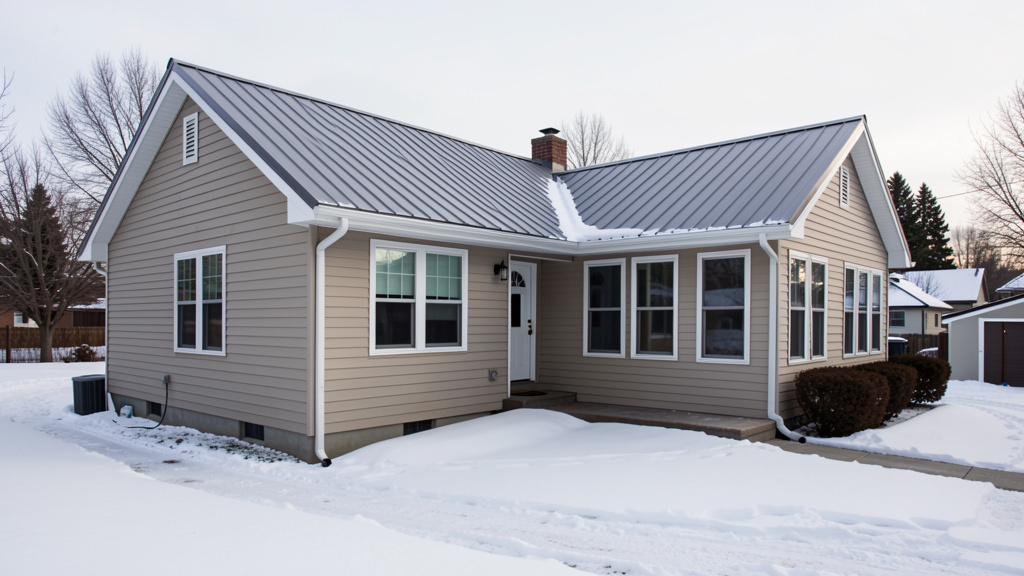
Move beyond guesswork with a clear, adaptable process for choosing materials that align with your environment—backed by building science principles and designed for real-world decision-making.
Your home’s materials exist in constant dialogue with the surrounding environment. Mismatched selections can lead to premature wear, moisture complications, energy inefficiency, or comfort issues. Thoughtfully chosen materials, however, create a resilient, comfortable living space that responds intelligently to local conditions. This guide offers a structured, climate-aware methodology for evaluating building materials—from foundation to roof—grounded in established building science resources including the U.S. Department of Energy’s climate zone framework and Building Science Corporation research. The focus is on practical understanding, adaptable strategies, and informed choices that support long-term performance across diverse regional conditions.
Introduction
Consider two homes built with identical materials: one in a humid coastal region, another in a dry, high-desert climate. Over time, the coastal home may show signs of moisture-related wear behind non-breathable siding, while the desert home experiences accelerated surface degradation from intense sun exposure. Neither material was inherently flawed—they were simply not aligned with the dominant environmental forces of their location. This pattern is frequently observed across residential construction, often stemming from decisions prioritizing immediate aesthetics or cost without sufficient consideration of climatic context.
Climate is not a passive backdrop but an active influence on every building component. Temperature fluctuations drive expansion and contraction. Humidity affects moisture movement through assemblies. Wind introduces pressure differentials and driving rain. Precipitation tests drainage and water-shedding capacity. Solar exposure impacts surface temperatures and material longevity. Freeze-thaw cycles exert physical stress on porous materials. Each region presents a unique combination of these factors. Building science literature consistently emphasizes that durable, comfortable homes result when material properties are intentionally matched to counteract local environmental stressors. This guide translates that principle into a clear, step-by-step process applicable whether you are planning new construction, a renovation, or future maintenance decisions. The goal is to equip you with a repeatable framework—not a rigid prescription—to support confident, context-aware material selection.
The Climate-First Material Selection Framework
Effective material selection begins not with product catalogs, but with understanding your site’s environmental context. This three-phase framework shifts the focus from “What do I like?” to “What does my location require?” It transforms complex variables into actionable insights while honoring budget, aesthetic, and sustainability considerations.
Step 1: Identify Your Climate’s Dominant Stressors
Move beyond general labels like “hot” or “cold.” Identify the two or three most influential environmental factors affecting building performance in your area. These are your primary stressors:
- Thermal Extremes (Heat): Sustained high temperatures, intense solar radiation, significant day-night temperature swings. Effects may include accelerated surface degradation, increased cooling demand, and thermal stress on connections.
- Thermal Extremes (Cold): Prolonged freezing periods, deep cold events, frequent freeze-thaw cycles. Effects may include material embrittlement, ice dam potential, heat loss, and structural loading from snow.
- Humidity & Moisture Load: Consistently high relative humidity, frequent rainfall, coastal exposure, or high water tables. Effects may include mold susceptibility, wood decay, corrosion, and moisture accumulation within assemblies.
- Wind & Storm Exposure: Recurring high winds, hurricane/tornado risk zones, or severe thunderstorm activity. Effects may include wind-driven rain intrusion, uplift forces on roofs/siding, and impact damage.
- Precipitation Type & Volume: Heavy snow accumulation, intense rainfall events, hail frequency, or persistent drizzle. Effects may include structural loading, water intrusion at details, foundation drainage challenges, or material saturation.
How to Clarify Your Local Context:
1. Consult Climate Zone Resources: Review the U.S. Department of Energy or International Energy Conservation Code (IECC) climate zone maps. Search “[Your State] IECC climate zone” for localized classification. Note that zones often include humidity sub-designations (e.g., 3A = Mixed-Humid, 3B = Mixed-Dry).
2. Review Local Weather Patterns: Use NOAA’s Climate at a Glance or National Weather Service historical data. Look beyond average temperatures to:
* Heating/Cooling Degree Days: Indicate annual heating or cooling demand intensity.
* Precipitation Distribution: Is rain seasonal? Is snow measured in inches or feet?
* Humidity Trends: Coastal Southeast averages higher year-round humidity than the Desert Southwest.
3. Observe Thoughtfully: Note materials used successfully on well-maintained older homes in your immediate area. Why are certain profiles or materials prevalent? Use these observations as starting points for research, not definitive answers—modern materials and methods may offer improved solutions.
4. Account for Microclimates: Your specific lot matters. Is your home exposed on a ridge? Sheltered in a valley? South-facing with intense sun exposure? Near a large body of water? A lakeside property in the Northeast faces different moisture and wind dynamics than one slightly inland. These nuances inform localized decisions.
Illustrative Insight: A homeowner in Atlanta (IECC Zone 3A) might initially focus on heat. Deeper review reveals high cooling demand combined with consistently elevated humidity and substantial annual rainfall. The dominant stressors become Humidity & Moisture Load paired with Thermal Extremes (Heat). Selecting materials solely for solar reflectivity without addressing moisture management could create unintended consequences. This step encourages nuanced understanding before material evaluation begins.
Step 2: Map Stressors to Vulnerable Building Components
Not all parts of a home face equal pressure from each stressor. This step creates targeted focus by linking environmental forces to specific building elements.
| Climate Stressor | Most Vulnerable Components | Key Material Properties to Prioritize |
|---|---|---|
| Extreme Heat / UV | Roof surface, sun-exposed walls/windows, decking | Solar reflectance, UV resistance, thermal emissivity, light color |
| Extreme Cold | Roof edges, windows/doors, foundation perimeter, pipes | Insulating value (R-per-inch), air sealing capability, freeze-thaw durability |
| High Humidity | Wall cavities, crawl spaces, window flashing, siding backing | Balanced vapor permeability, mold/rot resistance, corrosion resistance |
| High Wind | Roof edges/corners, soffits, window openings, garage doors | Wind uplift resistance, impact resistance, secure fastening systems |
| Heavy Precipitation | Roof valleys/penetrations, gutters, foundation drainage | Water shedding capability, drainage integration, freeze-thaw durability |
This mapping shifts evaluation from “What looks best?” to “What functional properties does this component need here?” For the Atlanta example, the table highlights that wall assemblies require vapor management alongside solar reflectivity for roofing. It creates clear criteria for comparison.
Step 3: Evaluate Materials Through a Climate Lens
Assess potential materials based on how their inherent properties respond to your identified stressors. Avoid seeking a single “best” material universally. Instead, ask: “Does this material’s behavior support resilience against my primary local challenges?”
- Hot-Arid Context (e.g., Phoenix, AZ – IECC Zone 2B): Dominant stressor is intense solar radiation. Light-colored concrete tile roofing offers value through thermal mass (slowing heat transfer), high solar reflectance, and convective cooling via the air space beneath tiles. Dark asphalt shingles absorb significant heat, increasing attic temperatures and cooling loads. The material property (reflectivity + thermal mass) directly addresses the environmental stressor (solar heat gain).
- Cold-Humid Context (e.g., Burlington, VT – IECC Zone 6A): Stressors include deep cold and moisture. Triple-pane windows with fiberglass frames provide high insulating value, reduce interior condensation risk due to the frame’s thermal performance, and handle snow loads robustly. Single-pane aluminum windows would contribute significantly to heat loss and condensation issues. The property (high R-value + low-conductivity frame) counters the stressor (cold + moisture risk).
- Hot-Humid Context (e.g., Miami, FL – IECC Zone 1A): Stressors include heat, humidity, and salt exposure. Fiber cement siding installed with a rainscreen gap provides rot/insect resistance and allows trapped moisture to drain and evaporate. Solid vinyl siding installed directly over sheathing may trap moisture against the wall sheathing. The property (durability + breathability via air gap) addresses the stressor (persistent moisture + biological threats).
The Guiding Principle: Successful material selection is a purposeful alignment between a material’s physical properties and the specific environmental forces acting upon that part of the building. A solution ideal for one region may be poorly suited for another. Confidence comes from intentional matching, not universal rankings.
Deep Dive: Material Guidance by Climate Challenge
Apply the framework to common climate challenges. Each section outlines the environmental dynamics, critical considerations, and adaptable material strategies—including ideal approaches, budget-conscious alternatives, and frequent pitfalls. Recommendations emphasize why certain properties matter in context.
Managing Heat and Solar Exposure
Heat stress involves surface temperature elevation from solar radiation and UV degradation of polymers, coatings, and sealants. Dark surfaces can reach temperatures far exceeding ambient air, increasing cooling demands and accelerating material fatigue. Diurnal swings in some climates add expansion/contraction stress.
Strategic Focus: Prioritize solar reflectance, thermal emissivity, and designs that minimize heat transfer into living spaces.
-
Roofing Options
- Adaptable Choice: Light-colored metal roofing (standing seam). Metal with cool-pigment coatings reflects significant solar energy and efficiently radiates absorbed heat. Standing seam design eliminates exposed fasteners, reducing leak potential. Light colors are essential; dark metals absorb considerable heat. Longevity is typically high. Consideration: In hot climates, verify the product has a Cool Roof Rating Council (CRRC) certification for solar reflectance. Proper attic ventilation beneath remains important.
- Budget-Conscious Path: CRRC-certified “cool” asphalt shingles. These feature reflective granules offering improved performance over standard dark shingles. While lifespan and reflectivity may not match metal, they provide a meaningful upgrade at lower initial cost. Important: Even “cool” shingles absorb more heat than light metal or tile. Ensure robust underlayment and ventilation.
- Common Pitfall: Selecting dark roofing materials (standard black shingles, dark wood shakes) in heat-dominant zones. This significantly increases heat gain and cooling demands while accelerating surface degradation. Aesthetic preference should be weighed against long-term performance implications.
-
Wall and Siding Strategies
- Adaptable Choice: Light-colored fiber cement siding with a ventilated rainscreen gap. Fiber cement offers dimensional stability and accepts light, reflective paints. The air gap behind the siding promotes drainage and ventilation, reducing heat buildup and moisture retention within the wall assembly. Consideration: Paint color significantly impacts performance—lighter tones reflect more solar energy.
- Budget-Conscious Path: Light-colored vinyl siding (selected carefully). Modern vinyl includes UV inhibitors. Critical Notes: 1) Light colors are strongly preferred to minimize heat absorption and warping risk. 2) Verify the product is rated for your region’s temperature range. 3) Allow proper expansion gaps during installation. Performance may diminish over time in extreme UV exposure.
- Material to Approach Cautiously: Dark-stained wood siding without rigorous, ongoing maintenance. Heat absorption accelerates drying, checking, and finish degradation. Maintenance frequency increases substantially in high-sun environments.
-
Window Considerations
- Adaptable Choice: Frames with low thermal conductivity (fiberglass, vinyl) paired with spectrally selective Low-E glass. This coating type is engineered to reflect infrared heat while allowing visible light. Prioritize a low Solar Heat Gain Coefficient (SHGC), ideally below 0.25 for hot climates. Clarification: Specify “solar control” or “hot climate” Low-E coating—distinct from coatings designed for cold climates.
- Essential Complement: Exterior shading. Awnings, pergolas with deciduous vines, or exterior shades block solar radiation before it strikes the glass, which is significantly more effective than interior treatments. Light-colored frames also reflect more heat than dark frames.
-
Foundation Notes
- Strategy: For slab-on-grade foundations in hot climates, continuous rigid foam insulation under the slab and around the perimeter creates a thermal break, reducing heat transfer from the ground into living spaces. This supports comfort and efficiency.
Building for Cold Climates and Freeze-Thaw Cycles
Cold presents dual challenges: preventing heat loss and managing moisture that can freeze within materials. Water expanding upon freezing exerts pressure, potentially causing spalling in masonry, cracking, or structural fatigue. Ice dams form when heat loss melts snow that refreezes at unheated eaves. Deep cold can also affect material flexibility.
Strategic Focus: Emphasize continuous insulation, meticulous air sealing, strategic vapor control, and materials proven durable under freeze-thaw conditions.
-
Roofing and Ice Dam Mitigation
- Adaptable Choice: Metal roofing on a well-insulated, ventilated assembly. Metal’s smooth surface encourages snow shedding. However, the roof assembly is paramount: adequate attic insulation (R-49 to R-60 in cold zones), perfect air sealing between living space and attic, and balanced soffit/ridge ventilation keep the roof deck uniformly cold, minimizing uneven melting. Consideration: Steeper pitches (e.g., 8:12+) aid snow shedding in heavy snow areas. Avoid complex roof geometries where snow accumulates.
- Budget-Conscious Path: Quality architectural asphalt shingles with enhanced ice/water protection. Install a self-adhering ice and water shield membrane along eaves (minimum 6 feet inside the heated wall line), in valleys, and around penetrations. Clarification: This mitigates water intrusion if ice dams form but does not prevent their root cause (heat loss). Prioritizing air sealing and insulation addresses the underlying issue more effectively.
- Common Pitfall: Relying primarily on heat cables for ice dam management. They address symptoms temporarily but consume energy and do not resolve heat loss. Investment in air sealing and insulation delivers broader benefits for comfort, efficiency, and structural protection.
-
Wall Assembly Strategies
- Adaptable Choice: Advanced framing combined with continuous exterior insulation. Reducing thermal bridging through framing techniques and adding rigid insulation (mineral wool or polyiso board) over sheathing creates a more uniform thermal barrier. Mineral wool board offers vapor permeability (supporting drying potential), fire resistance, and stable R-value in cold temperatures. Consideration: Window and door bucks require extension to integrate properly with exterior insulation—detailing matters.
- Budget-Conscious Path: Dense-pack cellulose insulation in standard framed walls. Cellulose offers slightly higher R-value per inch than standard fiberglass and, when densely packed, reduces air movement within the cavity. Critical Note: Air sealing the cavity before insulation installation is essential. Gaps around penetrations, top/bottom plates, and windows must be sealed.
- Vapor Control Insight: In cold climates, wall assemblies generally benefit from allowing moisture to dry outward. Using a vapor-permeable weather-resistant barrier (WRB) over sheathing, paired with an interior “smart” vapor retarder (adjusts permeability with humidity), supports this drying potential. Avoid trapping moisture between two impermeable layers.
-
Window and Door Selection
- Adaptable Choice: Triple-pane windows with warm-edge spacers and low-conductivity frames (fiberglass, wood-clad). The third pane and gas fill significantly increase insulating value. Warm-edge spacers reduce heat loss at the glass perimeter and lower condensation risk. Prioritize a low U-factor (below 0.20) as the key metric for heat loss resistance in cold climates.
- Budget-Conscious Path: High-performance double-pane windows. Modern units with appropriate Low-E coatings (passive/high solar gain type for cold climates), argon fill, and warm-edge spacers can achieve U-factors around 0.25–0.27. Meticulous installation with air sealing around the rough opening is critical—quality installation outweighs marginal product upgrades.
- Detail Focus: Installing windows within the plane of exterior insulation (rather than just within the framing cavity) minimizes thermal bridging around the perimeter.
-
Foundation Considerations
- Adaptable Choice: Poured concrete or ICFs with continuous exterior insulation. Applying rigid XPS foam insulation vertically to the exterior foundation wall (extending below grade) keeps the concrete warmer, reducing interior condensation risk and heat loss. Important: Pair with proper drainage (grading, gutters directing water away, perimeter drain tile if needed). Below-grade insulation requires protection (dimpled mat, rigid board).
- Retrofit Path: Interior foundation insulation with rigid XPS foam can improve comfort but does not protect the concrete from external moisture or freeze-thaw damage. Rigorous exterior moisture management (grading, drainage) is non-negotiable in this scenario.
Navigating Humidity and Moisture Management
Humidity challenges involve managing moisture movement to prevent condensation within assemblies and biological growth. Warm, moist air contacting cooler surfaces can condense. Materials staying damp longer after rain accelerate decay. Coastal areas add corrosive salt exposure.
Strategic Focus: Prioritize assemblies that manage liquid water and allow vapor diffusion where appropriate (“keep water out, let walls breathe”). Avoid vapor traps.
-
Wall Assembly Approach
- Adaptable Choice: Rainscreen siding system with vapor-permeable WRB and adaptive interior control. The air gap behind siding is critical for drainage and drying. Pair with a highly vapor-permeable WRB (e.g., asphalt felt, high-perm housewrap) and an interior “smart” vapor retarder that allows inward drying when conditions shift. Consideration: Specific perm ratings should align with your climate subzone; resources like Building Science Corporation offer zone-specific assembly guidance.
- Budget-Conscious Path: Meticulously detailed traditional assembly. Focus on flawless flashing at all penetrations (windows, doors) using self-adhering membrane, proper step-flashing at roof intersections, and a vapor-permeable WRB. In hot-humid zones (1, 2, 3A), interior polyethylene vapor barriers are often discouraged by code; rely on air-sealed drywall and moderate-perm paint. Critical: Ensure the exterior side of the assembly is more vapor-permeable than the interior to favor outward drying.
- Common Pitfall: Creating a vapor trap by using impermeable layers on both sides of the wall cavity (e.g., interior poly sheeting + non-breathable housewrap). Trapped moisture has no escape path, significantly increasing mold and rot risk—especially in tightly sealed, energy-efficient homes.
-
Siding Material Guidance
- Adaptable Choice: Fiber cement siding. Inherently resistant to rot, insects, and fungal growth. Performs reliably across humid, coastal, and rainy environments when installed per manufacturer details (proper gaps, clearance from ground, flashing). Note: Material durability depends on correct installation; follow specs precisely.
- Alternative with Care: Engineered wood siding. Products treated for decay resistance can work well if installed with a mandatory rainscreen gap and all field cuts sealed per manufacturer requirements. Not ideal for direct ground contact in persistently wet zones.
- Material Requiring Vigilance: Solid wood siding in high-humidity zones. Wood absorbs moisture, staying damp longer and increasing vulnerability to mold and rot. Requires frequent maintenance (cleaning, sealing). If chosen for aesthetics, use vertical-grain heartwood, ensure generous airflow spacing, use stainless fasteners, and commit to upkeep. Avoid aluminum trim/fasteners in coastal salt-air zones; specify stainless steel (grade 316 recommended near ocean).
-
Insulation Selection
- Adaptable Choices:
- Closed-cell spray foam (ccSPF): Acts as air barrier, vapor retarder, and insulation. Best used where its vapor-retarding property is intentional within the assembly design (e.g., unvented attics, exterior continuous layer). Requires professional design to avoid trapping moisture.
- Mineral wool: Vapor permeable, retains R-value when damp, mold resistant, non-combustible. Requires separate, meticulous air sealing. Excellent for wall cavities where drying potential is valued.
- Approach Cautiously: Fiberglass batts in unconditioned, humid spaces like vented crawl spaces. Fiberglass absorbs moisture readily, losing insulating value and promoting mold. Modern best practice for humid-climate crawl spaces often favors encapsulation (sealing with heavy vapor barrier, insulating walls, slight conditioning) over insulating the floor above with fiberglass.
- Adaptable Choices:
-
Interior Finish Notes
- Strategy: Use mold/moisture-resistant drywall (green/purple board) in bathrooms, kitchens, laundry areas, and basements. Ensure exhaust fans vent directly outdoors and are used during/after moisture-generating activities. For flooring in humid-prone areas, consider tile, stone, luxury vinyl plank (LVP), or engineered hardwood over solid hardwood, which is more susceptible to humidity-induced movement. Maintain indoor relative humidity between 30–50% using ventilation or dehumidification as needed.
Preparing for Wind and Storm Events
Wind exerts uplift, positive pressure (driving rain inward), and negative pressure (suction). Impact from wind-borne debris is a major concern. Continuity—transferring forces from roof to foundation—is critical for structural resilience.
Strategic Focus: Prioritize impact resistance where required, secure mechanical attachment, aerodynamic profiles, and a continuous load path. Connections are as vital as surface materials.
-
Roofing Resilience
- Adaptable Choice: Standing seam metal roofing or impact-rated asphalt shingles with enhanced fastening. Standing seam uses concealed clips for thermal movement and uplift resistance. For shingles, select products rated for high wind speeds (e.g., ASTM D7158 Class F) and follow the high-wind nailing pattern (typically 6 nails per shingle). Non-Negotiable: Roof sheathing must be secured to framing with ring-shank nails (not staples) at code-specified spacing (often 6″ on center at edges/corners in wind zones). Hurricane straps connecting roof framing to wall plates are essential for load transfer.
- Budget-Conscious Path: Standard architectural shingles installed with high-wind details. Using the enhanced nailing pattern and adding roofing cement at eaves/rakes improves performance significantly over standard installation. Reinforcing roof edges with specialized flashing adds defense at common failure points. Clarification: This optimizes a standard system but does not meet code requirements for hurricane-prone zones where impact-rated products are mandated.
- Critical Error to Avoid: Using staples instead of ring-shank nails for roof sheathing attachment. Staples have far lower withdrawal resistance and are prohibited by code in many wind-prone areas.
-
Window and Door Protection
- Adaptable Choice (High-Risk Zones): Impact-resistant windows/doors certified to stringent standards (e.g., Miami-Dade NOA). Laminated glass holds together upon impact, maintaining the building envelope. Required by code near coastlines in several states. Also provides security and sound reduction benefits.
- Budget-Conscious Path: Removable storm panels (polycarbonate, aluminum) or accordion shutters deployed before storms. Essential: Panels must be anchored directly to structural framing (not siding) with appropriate hardware. Plywood is less ideal (heavy, blocks light) but acceptable if minimum 5/8″ exterior-grade, pre-cut, and properly anchored.
- Critical Weak Point: Garage doors. Standard garage doors are vulnerable. Install a wind-rated door or retrofit with a certified bracing system. Garage door failure can lead to catastrophic pressurization of the structure.
-
Siding and Structural Integration
- Adaptable Choices: Fiber cement or metal siding installed per manufacturer’s wind-zone specifications with corrosion-resistant fasteners into solid framing. Remember: The underlying sheathing and framing provide primary structural resistance; siding is primarily a weather barrier. Ensure sheathing is properly fastened.
- Material to Evaluate Carefully: Standard vinyl siding in high-wind zones. While improved, it remains more vulnerable to impact damage and wind uplift than fiber cement or metal, especially if installed without adequate expansion gaps.
-
The Continuous Load Path
- Systemic Strategy: This is a coordinated system of metal connectors: hurricane ties (roof to walls), hold-downs (walls to foundation), properly embedded anchor bolts, and shear walls. In high-wind areas, this is code-mandated. For existing homes, a structural engineer can assess and recommend retrofit connectors (e.g., Simpson Strong-Tie products). This system is fundamental to structural integrity during wind events.
Addressing Heavy Precipitation and Snow Loads
Challenges vary: torrential rain demands exceptional drainage; heavy snow imposes structural loads; hail risks surface damage; persistent drizzle tests seal integrity. The core principles are shedding water efficiently, managing it away from the structure, and ensuring components can handle imposed loads.
Strategic Focus: Prioritize water-shedding geometry, robust waterproofing details at critical points, structural capacity verification, and durable surfaces.
-
Roofing Performance
- For Heavy Rain/Snow: Standing seam metal roofing. Interlocking panels shed water/snow effectively with no exposed fasteners. A steeper pitch (minimum 4:12, ideally higher) aids snow shedding in snowy regions—verify framing is engineered for local snow load requirements (psf). Open valleys (visible metal flashing) handle heavy water flow better than closed valleys.
- For Hail Resistance: Class 4 impact-rated shingles or metal roofing. Class 4 shingles withstand hail up to 2″ diameter without functional damage. Metal roofing (24-gauge steel/aluminum) is highly resistant; dents may occur but leaks are unlikely. Slate and concrete tile also offer good resistance but are heavy. Note: Impact resistance reduces—but does not eliminate—damage risk from extreme hail. Some insurers offer premium discounts for Class 4 roofs in hail-prone areas.
- Universal Critical Detail: Ice & Water Shield. Install self-adhering membrane along eaves (minimum 6 feet inside heated wall line), in all valleys, and around penetrations in climates with snow, ice, or heavy rain. This provides a crucial secondary barrier against water intrusion.
-
Gutter and Downspout Strategy
- Adaptable Choice: Seamless aluminum or copper gutters with oversized components and debris management. Use 6″ gutters (vs. standard 5″) and 3×4″ downspouts for greater capacity. Install leaf guards/screens to prevent clogs. Non-Negotiable: Downspouts must extend at least 6–10 feet from the foundation using rigid extensions. Flexible extensions often fail. In poorly draining soils, connect to underground drain lines (French drains).
- Common Oversight: Gutters installed without proper slope (approx. 1/4″ per 10 feet toward downspouts) or with insufficient hanger spacing (2–3 feet apart). Standing water accelerates wear and adds weight.
-
Foundation and Site Drainage
- Multi-Layered Defense:
- Grading: Soil must slope away from the foundation (minimum 6″ drop over 10 feet). Regrade if settled.
- Foundation Waterproofing: Apply elastomeric membrane (not just dampproofing) to below-grade walls. Add drainage mat over membrane.
- Perimeter Drainage: Install perforated drain tile wrapped in fabric, set in gravel beside the footing, sloping to daylight or sump.
- Interior Backup: In moisture-prone basements, an interior drain system with sump pump (battery backup recommended) provides redundancy.
- Special Note: In areas with expansive clay soils, meticulous drainage is critical to prevent hydrostatic pressure and foundation movement.
- Multi-Layered Defense:
-
Deck and Porch Safety
- Critical Detail: Ledger board flashing. The board attaching a deck to the house is a high-risk failure point. Install continuous corrosion-resistant flashing behind the ledger, lapping over siding below and extending up behind the WRB above. Attach ledger with through-bolts (not just lag screws) per code spacing into the rim joist. Use lumber rated for ground contact (UC4B) for structural members near soil. Alternative: Ground-level patios (pavers, concrete) eliminate ledger board risk entirely.
Room-by-Room Climate Adaptation Reference
Use this guide to align material choices with climate demands at each building component. Focus on assembly details and installation quality as much as material selection.
Roofing Material Considerations
| Material | Climate Strengths | Key Considerations & Limitations | Critical Installation Notes |
|---|---|---|---|
| Standing Seam Metal | Hot-Arid, Hot-Humid, Snow, Wind, Hail | Hot-Humid: Ensure attic ventilation to manage condensation potential. Coastal: Specify corrosion-resistant alloys (Galvalume, aluminum). | Concealed clip system for thermal movement; ice/water shield at eaves/valleys in snow/rain zones; verify adequate pitch for snow shedding; integrate with balanced ventilation. |
| Concrete/Clay Tile | Hot-Arid, Mediterranean, Mild Coastal | Heavy—verify structural capacity. Snow: Snow may accumulate in barrel profiles; requires reinforced framing. Wind: Needs specific high-wind fastening details. | Use “S” or flat tiles in high-wind areas; install ice/water shield underlayment in cold zones; ensure roof structure is engineered for weight. |
| Architectural Asphalt Shingles | Mixed-Humid, Mixed-Dry, Moderate Climates | Heat: Dark colors increase heat gain; lifespan may reduce. Wind/Hail: Requires high-wind nailing pattern; seek Class 4 rating in hail zones. | Mandatory: Ice/water shield at eaves, valleys, penetrations in snow/rain zones. Use 6 nails per shingle in wind zones. Ensure adequate ventilation (1 sq ft net free area per 150 sq ft attic floor). |
| Fiber Cement Siding | All Climates (Highly Versatile) | Heavy—requires appropriate cutting tools and handling. Installation details are critical for performance. | Rainscreen gap highly recommended (especially humid/rainy climates). Use corrosion-resistant fasteners (stainless in coastal areas). Prime/seal all field cuts. Maintain minimum 6″ clearance from ground. |
| Vinyl Siding | Cold, Mixed-Dry, Moderate Humidity (Budget Path) | Heat: Dark colors risk warping; use light colors only. Wind: Can detach if not installed with expansion gaps. Humid: Avoid if installed directly over impermeable barriers. | Install with manufacturer-specified expansion gaps. Nail loosely (center of slot). Ensure WRB behind is vapor-permeable. Not ideal for high-wind or extreme heat zones. |
| Brick Veneer | Cold, Temperate, Humid (with proper drainage) | Heavy—requires foundation ledge. Critical drainage cavity essential. Hot-Arid: Thermal mass may increase cooling load if not insulated. | Must have drainage cavity (1″+) with weep holes. Install drainage mat against WRB. Meticulous flashing at all penetrations and base. |
Cross-Cutting Principle: Ventilation matters. Proper soffit (intake) and ridge (exhaust) ventilation helps regulate roof deck temperature and moisture year-round. Blocked soffit vents undermine performance. Install baffles to maintain airflow channels, especially when adding insulation.
Windows, Doors, and Foundations
| Component | Climate-Aligned Guidance | Critical Detail Focus |
|---|---|---|
| Window Frames | All Climates: Fiberglass offers excellent thermal performance and stability. Coastal: Specify marine-grade finishes on thermally broken aluminum. Budget: Quality vinyl with multi-chambered frames. | Installation is half the performance: Step-flashing/pan-flashing integrated with WRB; low-expansion foam air sealing around rough opening; sloped sill pan with clear weep holes; nailing flange sealed to WRB with compatible tape. |
| Foundation Types | All Climates: Poured concrete is versatile. Cold/Wind: ICFs provide continuous insulation and strength. Flood/Expansive Soils: Pier & beam with encapsulated crawl space. | Water management starts outside: Grade slopes away (6″ in 10 ft); gutters extend water 6–10+ ft away; perimeter drain tile with waterproofing membrane below grade; interior vapor control and humidity management as needed. |
| Interior Insulation | Cold: Prioritize high R-value and air sealing (ccSPF, dense-pack cellulose). Hot-Humid: Prioritize air sealing and moisture-safe assemblies (ccSPF in unvented attics, mineral wool in walls). Mixed: Dense-pack cellulose or mineral wool offer balanced performance. | Air sealing before insulation is the highest-impact step. Seal gaps around windows, doors, pipes, wires, top/bottom plates with appropriate sealants. Material choice must align with the wall assembly’s vapor control strategy. |
| Interior Finishes | Humid/Wet Areas: Mold-resistant drywall (green/purple board); tile, LVP, or engineered hardwood flooring. Cold: Consider radiant floor heating under tile/stone for comfort. Hot: Tile, stone, or polished concrete provide thermal mass and cool surfaces. | Exhaust fans in bathrooms/kitchens must vent directly outdoors. Use low-VOC paints and finishes for indoor air quality. Maintain indoor humidity 30–50% where possible. |
Navigating Real-World Trade-Offs: Budget, Sustainability, and Aesthetics
Perfect alignment isn’t always feasible. Smart compromises maintain core resilience while honoring constraints. Focus investment where climate stress is highest and failure consequences are most severe—use the Stressor-to-Component Mapping table (Step 2) as your prioritization guide.
Budget Prioritization Strategy
- Tier 1: Foundational Resilience (Highest Priority): Invest first where mismatched materials cause rapid, expensive failure.
- Roofing: In hot zones, prioritize solar reflectivity. In snow zones, ensure structural capacity and ice/water protection details.
- Water Management: Proper grading, gutter extensions, and foundation drainage prevent pervasive moisture issues. Often more impactful than premium finishes.
- Air Sealing: Sealing the building envelope before insulation is consistently cited as the most cost-effective energy and comfort upgrade across climates.
- Tier 2: High-Impact Upgrades (Medium Priority): Windows (properly installed), continuous insulation strategies, vapor-permeable WRBs in humid zones.
- Tier 3: Aesthetic & Incremental (Lower Priority): Siding color/texture, interior finish upgrades. These can often be phased or selected within budget constraints without compromising core performance if the underlying assembly is sound.
Sustainability Considerations
- Durability = Sustainability: A material that lasts decades with minimal maintenance reduces long-term resource use and waste. Fiber cement, metal roofing, and brick often excel here.
- Local Sourcing: Materials transported shorter distances typically have lower embodied carbon. Investigate locally produced options (e.g., regionally sourced stone, locally milled wood if sustainably harvested and appropriate for climate).
- Recycled Content: Many products offer recycled content—metal roofing (often 25–95% recycled), fiber cement, certain insulation types (cellulose = recycled paper). Verify performance claims align with climate needs.
- End-of-Life: Consider recyclability or biodegradability. Metal roofing is highly recyclable; some composites are not. Balance with longevity—long-lasting materials may offset end-of-life concerns.
Aesthetic Integration
- Work With, Not Against, Climate: In humid zones, embrace materials that naturally resist decay (fiber cement mimicking wood). In arid zones, use light colors that reflect heat while achieving desired aesthetics.
- Detailing Matters: Thoughtful architectural details (deep roof overhangs for shade/rain protection, covered entries) enhance both resilience and visual appeal across climates.
- Phased Approach: If budget limits ideal materials everywhere, prioritize resilience on the most exposed elevations (south/west in hot climates; windward side in storm zones) and use budget options on more protected sides.
Common Friction Points & Solutions
- “My HOA requires specific materials.” Solution: Present climate-performance data to the HOA board. Many are receptive to documentation showing how certain choices prevent future damage (e.g., light-colored roofs reducing cooling costs/heat island effect). Propose alternatives that meet aesthetic guidelines while improving performance (e.g., light-colored vinyl that mimics wood grain).
- “Contractor says this detail isn’t necessary.” Solution: Reference specific sections of the International Residential Code (IRC) or local amendments. For critical items (ledger board flashing, ice/water shield placement), get requirements in writing. Consult a third-party building inspector for key milestones if uncertain.
- “I’m renovating an older home with existing constraints.” Solution: Focus on the most impactful retrofits: air sealing the attic floor, adding exterior insulation during siding replacement, upgrading windows with proper installation, improving site drainage. Small, targeted upgrades yield significant benefits.
Your Questions, Answered
Q: How do I find my official climate zone?
A: Search “[Your State] IECC climate zone map” or visit the U.S. Department of Energy’s Building America website. Local building departments also have this information. Note the humidity designation (A = Humid, B = Dry) as it critically impacts moisture management strategies.
Q: Can I use the same siding material on all sides of my house?
A: Often yes, but consider micro-exposures. The south/west sides in hot climates face more sun; lighter colors or more UV-resistant materials may be prudent there. Wind-driven rain affects the windward side most—ensure flashing and WRB details are meticulous on that elevation. Consistency is generally acceptable if the material is appropriate for your primary climate stressors.
Q: What is a rainscreen, and do I really need one?
A: A rainscreen is a small air gap (typically ¼” or more) between the siding and the weather-resistant barrier (WRB). It allows moisture that penetrates the siding to drain down and evaporate, significantly reducing the risk of trapped moisture within the wall. It is highly recommended in humid, rainy, or coastal climates and increasingly considered best practice in most zones for enhanced durability. Installation requires furring strips or specialized mats.
Q: Are “cool roof” coatings worth it for an existing dark roof?
A: They can provide a meaningful short-to-medium term benefit by increasing reflectivity and reducing attic heat gain, potentially lowering cooling costs and extending roof life. However, surface preparation is critical for adhesion, and recoating is needed every 5–10 years. It’s a valid interim strategy, but when replacing the roof, selecting a inherently reflective material (light metal, cool shingles) is a more permanent solution.
Q: How do I choose between fiberglass, cellulose, and spray foam insulation?
A: Consider your climate, assembly, and budget:
* Cold Climates: Prioritize high R-value and air sealing. Dense-pack cellulose or spray foam excel. Fiberglass requires perfect installation to perform well.
* Hot-Humid Climates: Prioritize air sealing and moisture safety. Closed-cell spray foam is ideal for unvented attics. Mineral wool or dense-pack cellulose work well in walls with proper vapor control.
* Budget: Cellulose often offers the best balance of cost, performance, and environmental profile. Spray foam has higher upfront cost but superior air sealing. Always prioritize air sealing the cavity before installing any insulation.
Q: What’s the single most important thing I can do for my existing home’s climate resilience?
A: Address bulk water management. Verify soil slopes away from your foundation (6″ drop in 10 feet), ensure gutters are clean and downspouts extend water at least 6–10 feet away, and check that window/door flashing is intact. Preventing water from contacting the structure solves the majority of long-term durability issues across all climates.
Q: Do building codes already account for climate? Why do I need this guide?
A: Modern codes (like IRC) are increasingly climate-zone specific, setting minimum requirements for safety and basic performance. This guide helps you move beyond minimums toward optimized resilience, comfort, and longevity. Codes may not address nuanced local conditions (microclimates), emerging best practices, or help you evaluate trade-offs between compliant options. Think of codes as the floor; this framework helps you build toward the ceiling of performance.
Q: How often should I inspect my home’s exterior for climate-related wear?
A: Conduct a thorough visual inspection twice yearly—once after winter (checking for ice dam damage, loose shingles) and once after the peak storm season (checking for wind/rain damage, clogged gutters). Pay close attention to flashings around chimneys, vents, windows, and where different materials meet. Early detection of small issues prevents major repairs.
Q: Are there eco-friendly materials that perform well in extreme climates?
A: Yes. Durability is a key sustainability factor. Examples: FSC-certified wood (where climate-appropriate and properly maintained), fiber cement (long life, low maintenance), metal roofing with high recycled content (long life, recyclable), mineral wool insulation (made from rock slag, non-combustible, vapor permeable). Always verify the specific product’s performance data aligns with your climate stressors.
Q: What should I ask my contractor about climate-specific details?
A: Be specific: “How will you detail the flashing at the roof-wall intersection for wind-driven rain?” “What ice/water shield coverage do you recommend for our snow load?” “How will you ensure the rainscreen gap is maintained behind the siding?” “Can you show me the air sealing plan for the attic?” A knowledgeable contractor will welcome these questions and provide clear, code-referenced answers.
Conclusion and Your Next Step
Selecting building materials through a climate-aware lens transforms uncertainty into informed action. This approach honors the unique relationship between your home and its environment, supporting durability, comfort, efficiency, and peace of mind for years to come.
-
Recap the Core Process:
- Decode your location’s top 2–3 environmental stressors.
- Map those stressors to your home’s most vulnerable components.
- Evaluate materials based on how their properties address those specific challenges.
This framework applies whether you’re choosing a new roof, replacing windows, or planning a full build.
-
The 24-Hour Rule:
Within the next day, spend ten minutes identifying your official IECC climate zone (search “[Your County] IECC climate zone”). Write it down. Save this guide. The next time you research a material or consult a professional, lead with this information: “I’m in Climate Zone 4A—what solutions work best here?” This small step anchors all future decisions in your specific context. -
The Bigger Perspective:
Climate-responsive building is part of a larger shift toward resilient, resource-conscious communities. When homes are designed to work with their environment—not against it—they require less energy, generate less waste, and provide safer, healthier spaces for occupants. Your thoughtful choices contribute to this positive trajectory, one decision at a time. Start where you are, use the framework consistently, and build confidence with each informed step.
Explore Further Guidance:
Understanding Your Home’s Building Envelope | Decoding Building Science Terminology | Seasonal Home Maintenance Checklist by Climate Zone | Sustainable Material Sourcing Guide | Working Effectively With Your Contractor