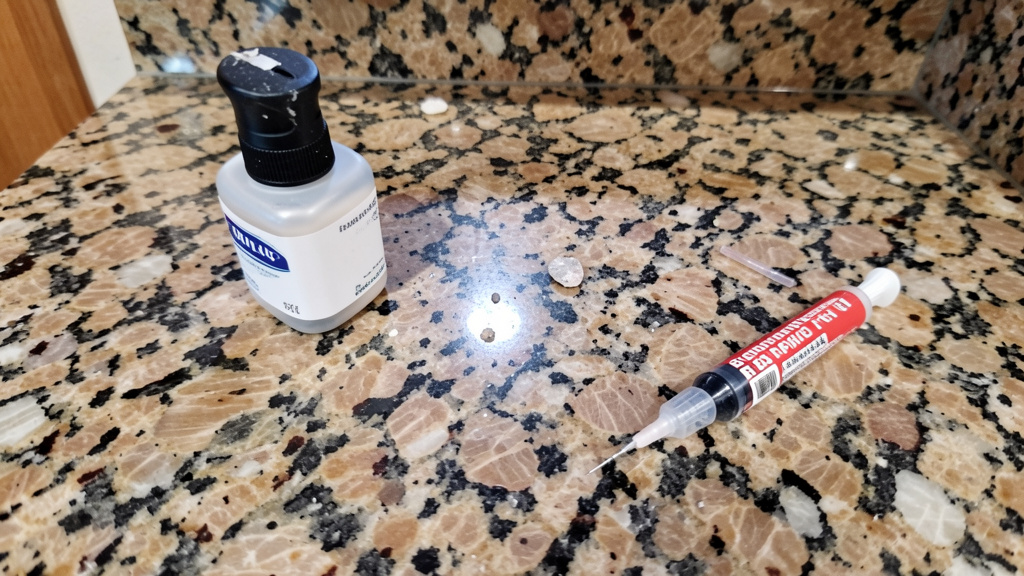
Restore Beauty, Function, and Value—Safely and Permanently—with Material-Specific Techniques, Proven Prevention Strategies, and Clear Guidance on When to Call a Professional
Your countertop endures daily use: the dropped utensil that chips the edge, the forgotten hot pan that leaves a mark, the spilled beverage that threatens to stain. These moments trigger concern—but replacement is rarely the only path forward. The reassuring truth is that the vast majority of countertop damage can be repaired effectively with informed, careful action. This comprehensive guide transforms uncertainty into confidence. We move beyond fragmented tips to deliver a unified, material-first repair system covering granite, quartz, marble, solid surface, laminate, concrete, and tile. You’ll learn precisely how to identify your surface, assess damage severity, select compatible methods, execute repairs with attention to detail, avoid common pitfalls, and implement tailored maintenance to protect your investment. Whether addressing a hairline crack near the sink or a stubborn discoloration on natural stone, this resource provides clear, responsible guidance for lasting results.
Introduction: The Critical First Step Everyone Skips
Before discussing fillers, sanding, or poultices, we must address the single factor that determines repair success: material identification. A technique that seamlessly restores a chip in solid surface may permanently damage marble. A cleaner that lifts stains from laminate could degrade engineered quartz. Industry insights from countertop fabrication professionals consistently identify misidentification as the leading cause of DIY repair complications—often turning minor issues into irreversible harm. Material science principles govern every interaction: porosity influences stain absorption, hardness affects scratch resistance, thermal properties shape heat vulnerability, and chemical composition dictates reactivity. Guidelines from respected organizations like the Marble Institute of America (MIA) and National Kitchen & Bath Association (NKBA) emphasize that repair protocols must align with material properties to preserve integrity and appearance. This guide synthesizes fabrication knowledge, manufacturer recommendations, and practical repair outcomes into a logical, actionable framework. We prioritize safety, realism, and clarity—equipping you to make thoughtful decisions that honor your home and surface. Your journey begins not with a product purchase, but with confident identification.
The Material-First Repair Framework: Your Path to Flawless Results
Successful countertop repair follows an intentional sequence: Identify → Assess → Select → Execute → Protect. Deviating risks visible repairs, surface damage, or wasted effort. Use this framework as your decision compass for every scenario ahead.
| Material | Identification Clues | Porosity | Heat Sensitivity | Acid Sensitivity | Repair Philosophy |
|---|---|---|---|---|---|
| Granite | Unique crystalline sparkle, non-repeating veining, cool/heavy feel | Medium* | High | Low | Sealant-dependent; color-matched epoxy fills |
| Quartz (Engineered) | Uniform fleck distribution, consistent color through thickness, non-porous feel | None | Medium | Very Low | Non-porous; polyester resin fills only |
| Marble | Swirling organic veins, soft texture, etches visibly with lemon juice | High | Medium | Extreme | Acid-neutral protocols; polishing for etching |
| Solid Surface (Corian®) | Seamless appearance, uniform color/pattern throughout thickness, slightly warm | None | Low | Low | Sandable/renewable; abrasion-based restoration |
| Laminate | Visible edge banding, repeating pattern, lightweight, hollow sound when tapped | None (surface) | Very High | Medium | Surface patching; substrate integrity critical |
| Concrete | Raw texture, visible aggregate (sometimes), matte finish, cool/heavy | High | Medium | Medium | Flexible fills; sealing is essential |
| Tile | Visible grout lines, individual units (ceramic/porcelain/stone) | Varies | Medium | Varies | Unit replacement or grout-focused repair |
*Granite porosity varies by slab. Perform water test (see below).
The Fundamental Principle: The material dictates the method. Never select a repair product or technique without first confirming your countertop’s composition. This principle prevents avoidable errors—like applying acidic cleaners to marble or attempting to sand quartz. Trust the framework; it transforms uncertainty into precision.
Step 1: Identify Your Countertop Material with Confidence
Misidentification undermines even the most careful repair. Use this layered verification process. Invest 10 minutes here—it prevents significant regret later.
Visual & Tactile Analysis (Primary Method):
– Natural Stone (Granite/Marble): Look for unique, non-repeating patterns. Granite feels crystalline and cool; marble feels smoother with dramatic veining. Edges are thick (1.25″+) with consistent material visible.
– Engineered Quartz: Patterns show subtle repetition without deep dimensionality. Color remains consistent from surface to edge (chip a hidden spot if possible—quartz reveals uniform flecks throughout). Feels dense and non-porous.
– Solid Surface: Appears seamless. Color/pattern is identical through the entire thickness. Feels slightly warmer than stone. Minor scratches often buff out easily.
– Laminate: Thin plastic layer bonded to particleboard. Visible edge banding covers the substrate edge. Tapping produces a hollow sound. Pattern repeats precisely.
– Concrete: Matte, textured finish. May show aggregate or trowel marks. Heavy and cool. Often has subtle color variations.
– Tile: Obvious grout lines separating individual units. Tiles may be ceramic (glazed surface), porcelain (dense, uniform color), or natural stone.
Simple Diagnostic Tests (Use Discreetly):
– Water Test (Porosity Check): Place 3 drops of water on the surface. Wait 10 minutes.
– Beads up, no darkening: Non-porous (Quartz, Solid Surface, sealed Granite).
– Soaks in, leaves dark spot: Porous (Unsealed Granite, Marble, Concrete). Dry immediately after test.
– Acid Test (For Suspected Marble/Limestone ONLY): Place one drop of lemon juice or vinegar on an inconspicuous area (e.g., back edge). Wait 2 minutes.
– Surface fizzes or turns dull: Calcium-based stone (Marble, Limestone, Travertine). Rinse immediately.
– No reaction: Likely Granite, Quartz, or Solid Surface. Never perform this test on confirmed marble—it causes etching.
– Documentation Check: Review installation paperwork, warranty cards, or contact your installer. Manufacturer names (e.g., “Cambria,” “Silestone,” “Corian”) provide definitive identification.
Illustrative Scenario: A homeowner noticed a chip near the dishwasher. Assuming “granite” due to speckles, they applied a generic epoxy kit. The repair yellowed and stood out. A water test revealed immediate beading—indicating non-porosity. Further inspection showed uniform fleck distribution through a hidden edge chip. The surface was engineered quartz. Correct identification would have directed them to a quartz-specific kit using polyester resin, avoiding aesthetic compromise. This underscores why verification precedes action.
Step 2: Assess Damage Type, Severity, and Location
Not all chips, cracks, or discolorations require the same approach. Thoughtful assessment determines feasibility, method complexity, and whether professional support is advisable.
Chips: Location and Context Matter
– Edge Chips (Sink Cutout, Cooktop): High-stress zones facing vibration and moisture. Deep chips (>1/8″) near cutouts often require professional evaluation.
– Surface Chips (Field Area): Generally more straightforward to address. Assess depth: shallow (<1/16″) vs. deep (creating shadow or exposing substrate).
– Corner Chips: Structural vulnerability points. Require meticulous filling to prevent progression.
– Critical Question: Does the chip expose the substrate? (Laminate over particleboard, stone over plywood). If yes, moisture intrusion risk increases—repair must fully seal the area.
Cracks: Cosmetic vs. Structural Awareness
– Hairline Crack: Width < 1/32″ (thinner than a credit card edge). Often stable surface features. Common in granite (natural fissures) and concrete (curing patterns). Usually cosmetic if unmoving.
– Structural Concern: Width > 1/16″, follows a straight path across the slab, appears near seams/sink cutouts, or shows movement.
– The Flex Test (Apply Gently): Place fingertips on either side of the crack. Apply very slight upward pressure.
– No movement, crack remains tight: Likely cosmetic.
– Edges shift, gap widens visibly: Pause. This suggests underlying instability. Do not proceed with DIY filler application. Consult a qualified fabricator.
– Pattern Recognition:
– Spiderweb cracks radiating from a point: Impact damage (e.g., dropped heavy object). Assess depth and stability.
– Long, straight cracks parallel to edges: May relate to cabinet support, settling, or thermal stress.
Stains & Etching: Accurate Diagnosis Guides Treatment
– True Stain: Discoloration within the material. Caused by liquids penetrating pores (oil, wine, ink). Surface feels smooth. Common on unsealed stone/concrete.
– Etching (Marble/Limestone ONLY): Dull, lighter-colored spot where acid (vinegar, lemon, wine) chemically altered the polished surface. Feels rough or “frosted” to the touch. This is surface damage requiring polishing—not stain removal.
– Heat Discoloration (Quartz/Laminate): Yellowish or cloudy mark from direct heat contact. Surface may feel slightly textured. Often challenging to reverse fully.
– Metal Marks: Gray/black scratches from pots/pans. Usually superficial on hard surfaces; may require gentle polishing.
Illustrative Scenario: A repair attempt on a concrete countertop used standard silicone caulk for a hairline crack. Within weeks, the crack widened and caulk peeled. Why? Concrete naturally expands and contracts with temperature and humidity. Rigid caulk couldn’t accommodate movement. The appropriate approach: clean thoroughly, inject flexible polyurethane or epoxy designed for concrete movement, then reseal the entire surface. Understanding material behavior prevents repeat issues.
Step 3: Universal Safety and Preparation Protocols
Safety and preparation form the foundation of durable, safe repairs. Rushing this phase compromises results and personal well-being.
Workspace Safety:
– Ventilation: Open windows, use fans. Many fillers, solvents, and epoxies emit fumes. Work only in well-ventilated areas.
– Personal Protection: Nitrile gloves (chemical-resistant), ANSI-approved safety glasses, N95 respirator mask (for sanding dust or solvent fumes). Gloves are essential—acetone and epoxy can cause skin irritation.
– Fire Safety: Keep solvents (acetone, alcohol) away from open flames or sparks. Have a fire extinguisher accessible when using heat tools.
Surface Preparation (Critical for Adhesion):
1. Deep Clean: Wash area with pH-neutral cleaner (e.g., Stone Care International Daily Cleaner) and soft cloth. Rinse thoroughly. Dry completely with microfiber towel.
2. Degrease (Essential for Bonding):
– Non-porous surfaces (Quartz, Solid Surface, Laminate): Wipe with 90%+ isopropyl alcohol on lint-free cloth. Let air dry.
– Porous surfaces (Granite, Marble, Concrete): Use acetone on lint-free cloth (test in hidden area first). Acetone evaporates cleanly. Never use acetone on laminate—it can damage the surface.
3. Debris Removal: For chips/cracks, use a soft-bristled toothbrush or compressed air to remove all dust and particles. Shine a bright flashlight at an angle to spot hidden debris.
4. Ensure Complete Dryness: Moisture trapped under filler causes bubbling, poor adhesion, or microbial growth. Wait 30+ minutes after cleaning before proceeding.
Product Selection Guidance:
– Match Material Explicitly: “Granite Repair Kit” ≠ “Marble Repair Kit.” Pigments, resins, and hardeners differ chemically.
– Approach “Universal” Kits Cautiously: They rarely achieve seamless results. Material-specific products yield better integration.
– Check Product Freshness: Old epoxy or resin may not cure properly. Purchase from retailers with reliable stock turnover.
– Prepare Slightly Extra: Have surplus filler for minor touch-ups. Color batches can vary subtly between kits.
Material-Specific Repair Protocols: Step-by-Step Guidance
Granite Countertop Repairs: Working with Natural Variation
Granite’s crystalline structure presents matching challenges, but professional results are achievable. Its moderate porosity necessitates sealing after stain treatment.
Repairing Edge and Surface Chips in Granite
Why this method works: Two-part epoxy bonds chemically to granite’s mineral matrix. Pigments mimic natural variation. Overfilling compensates for minor shrinkage during cure.
Tools & Materials:
– Granite-specific repair kit (e.g., Lamlock InvisiGrip, Stone Care International Chip Fix)
– Mixing palette (disposable plastic or wax paper)
– Toothpicks, syringes, or micro-spatulas
– 600-grit, 1200-grit, and 2000-grit wet/dry sandpaper
– Granite polishing compound (e.g., Tenax Crystal)
– Isopropyl alcohol, soft cloths
– Painter’s tape (optional, for clean edges)
Step-by-Step Execution:
1. Prepare the Chip: Clean meticulously (see Universal Prep). Use painter’s tape around the chip to create a clean boundary. Remove loose fragments with tweezers.
2. Mix Filler: Squeeze equal parts resin and hardener onto mixing palette. Add pigment drops slowly. Match the dominant hue immediately surrounding the chip, not the entire slab. Mix thoroughly for 60 seconds until uniform. Tip: Mix slightly darker than needed; epoxy often lightens as it cures.
3. Apply Filler: Use a toothpick or syringe to fill the chip. Work from the bottom up to avoid air bubbles. Overfill by 1-2mm. Remove tape immediately if used.
4. Cure: Let cure undisturbed per kit instructions (typically 12-24 hours). Avoid temperature fluctuations. Cover with a small box to prevent dust contamination.
5. Finish Smoothly:
– Leveling: Once fully cured, gently sand the overfill with 600-grit wet/dry paper (use water as lubricant). Sand in small circles until flush with surface.
– Refining: Progress to 1200-grit, then 2000-grit. Keep surface wet to minimize scratches.
– Polishing: Apply a pea-sized amount of granite polishing compound to a soft cloth. Buff the repaired area in circular motions for 2-3 minutes until shine harmonizes with the surrounding surface. Wipe clean.
Common Considerations:
– Cure Time Patience: Sanding before full cure creates a gummy mess and compromises the repair.
– Natural Variation Acceptance: Granite is inherently varied. A repair that blends with adjacent crystals appears more authentic than an unnaturally “perfect” match.
– Wet Sanding Essential: Creates less dust and prevents deep scratches. Dry sanding stone generates hazardous silica particles.
– Avoid Cyanoacrylate (Superglue): It yellows over time, lacks pigment options, bonds poorly to stone, and complicates future professional work.
Addressing Hairline Cracks in Granite
Note: Many “cracks” in granite are natural fissures—stable veins where crystals meet. They require no repair unless widening, leaking water, or causing concern.
For Stable, Non-Structural Hairline Cracks:
1. Clean crack thoroughly with acetone and soft brush. Use compressed air to eject debris.
2. Mix low-viscosity epoxy (included in quality kits) with matching pigment.
3. Draw epoxy into a syringe. Inject slowly along the crack length. Capillary action draws it deep. Wipe excess immediately with alcohol-dampened cloth.
4. Cure 24 hours. Lightly polish with 2000-grit paper and polishing compound if needed.
When Professional Assessment Is Advisable:
– Crack is near a sink cutout, cooktop cutout, or seam.
– Crack exceeds 6 inches in length or is wider than a credit card edge.
– Water pools along the crack or leaks underneath.
– Flex test indicates movement. Qualified fabricators use specialized techniques like diamond scoring and structural epoxy injection for critical cracks.
Removing Stains from Granite
Critical Insight: Stain removal requires drawing the contaminant out, not pushing it deeper. Poultices are the established method.
Oil-Based Stains (Cooking Oil, Butter, Grease):
1. Absorb surface oil with paper towels. Do not rub.
2. Make poultice: Mix baking soda with acetone to form a thick paste (peanut butter consistency). Acetone helps break down oil molecules.
3. Apply ¼-inch layer over stain, extending 1 inch beyond edges. Cover with plastic wrap. Tape edges to seal.
4. Wait 24-48 hours. The poultice dries, pulling oil upward. Remove plastic. Scrape off dried poultice with plastic spatula.
5. Rinse area with water. If stain persists, repeat. Avoid water-based poultices on oil stains—they may set the stain.
Organic Stains (Coffee, Tea, Wine, Fruit):
1. Clean surface with pH-neutral cleaner.
2. Make poultice: Mix baking soda with 3% hydrogen peroxide. Peroxide oxidizes organic compounds.
3. Apply, cover, wait 24 hours. Remove and rinse.
4. For persistent stains, consider a commercial granite stain remover poultice (e.g., Stone Care International Stain Absorber).
After Stain Removal:
– Reseal the entire countertop. Stain removal processes can affect sealer integrity.
– Perform water test: If water darkens stone within 10 minutes, sealing is recommended.
– Use an impregnating sealer (e.g., Miracle Sealants 511 Impregnator). Apply liberally, wait 10 minutes, wipe excess. Cure 24 hours before use.
Practical Note: For very light surface discoloration, a paste of baking soda and water left covered overnight may help. However, poultices are generally more reliable for penetrated stains. Prevention (prompt spill cleanup, regular sealing) remains the most efficient strategy.
Quartz (Engineered Stone) Countertop Repairs: Precision for Non-Porous Surfaces
Quartz’s composition (approximately 93% ground quartz + 7% resin) makes it stain-resistant but vulnerable to heat discoloration and impact chips. Repairs require polyester resin—not epoxy—to align with thermal expansion and optical properties.
Repairing Chips in Quartz Countertops
Why polyester resin? It cures to a hardness and clarity matching quartz’s resin binder. Epoxy may yellow under UV exposure and has different refractive properties, potentially causing visible discrepancies.
Tools & Materials:
– Quartz-specific repair kit (e.g., Countertop Rescue Quartz Repair, StonePro Quartz Fix)
– UV curing lamp (included in premium kits) OR patience for air-cure
– 400-grit, 800-grit, 1500-grit sandpaper
– Microfiber cloths, isopropyl alcohol
– Color-matching guide (kits include swatches)
Step-by-Step Execution:
1. Clean Meticulously: Wipe area with 90%+ isopropyl alcohol. Quartz is non-porous, so degreasing is critical for adhesion. Ensure chip is completely dry.
2. Color Match Under Natural Light: Mix polyester resin with pigments. Hold sample next to chip in daylight (artificial light distorts color). Quartz has consistent color—match precisely. Tip: Mix a tiny test batch on scrap paper; let cure fully to see true color.
3. Apply Filler: Use syringe or micro-spatula to fill chip. Overfill slightly. For kits with UV lamp: cure 60-90 seconds per instructions. For air-cure kits: cover to prevent dust, wait 24 hours.
4. Finish Smoothly:
– Sand cured filler with 400-grit paper until flush.
– Progress to 800-grit, then 1500-grit. Sand lightly in circular motions.
– Buff vigorously with dry microfiber cloth to restore sheen. No polishing compound needed—quartz’s factory finish is integral.
Temporary Measure: For a chip threatening to catch clothing or collect debris, clear nail polish can provide a short-term seal. It will yellow over time and is not a permanent solution. Plan for proper repair promptly.
Addressing Heat Discoloration on Quartz
Important Context: Direct heat (pans exceeding typical cooking temperatures) can affect quartz’s resin binder, causing yellowing or clouding. Prevention is paramount.
For Light Surface Discoloration:
1. Make a paste of baking soda and water.
2. Rub gently with soft cloth in circular motions for 2-3 minutes.
3. Rinse thoroughly. Avoid abrasive pads—they scratch the surface.
For Deeper Discoloration:
– Deep heat damage often alters the resin matrix and may not be fully reversible through DIY methods. Options include:
– Professional Assessment: A fabricator may evaluate resurfacing options.
– Strategic Placement: Use a decorative trivet or cutting board to cover the area.
– Acceptance: Minor discoloration in low-visibility zones may be tolerable over time.
Prevention Protocol:
– Always use trivets or hot pads under cookware, bakeware, and appliances (slow cookers, air fryers).
– Avoid placing very hot items directly on quartz.
– Position quartz away from prolonged direct sunlight (e.g., near south-facing windows) which may contribute to gradual fading over many years.
Cracks in Quartz: Proceed with Caution
Cracks in quartz are uncommon under normal use. They may indicate:
– Manufacturing irregularity
– Significant impact trauma
– Installation-related stress (inadequate support, stress at cutouts)
Recommended Steps:
1. Perform the flex test gently. If any movement exists, pause.
2. Contact your installer or quartz manufacturer. Many quartz brands offer substantial warranties covering structural concerns.
3. Avoid DIY crack repair on quartz. The non-porous nature limits filler penetration, and mismatched material behavior may lead to failure. Professional evaluation is prudent.
Marble Countertop Repairs: Gentle Restoration for a Living Stone
Marble’s elegance includes vulnerability. Acidic substances cause etching (surface alteration), not stains. Understanding this distinction is essential. Repairs require pH-neutral, non-abrasive approaches.
Repairing Etch Marks on Marble (The Most Common Concern)
Clarification: Etching appears as a dull, lighter spot where acid (lemon juice, vinegar, wine) interacted with the polished calcite surface. It feels rough. This is not dirt—cleaning won’t restore shine. Polishing is required.
For Light Surface Etching (Smooth but Dull):
1. Clean area with pH-neutral marble cleaner. Dry completely.
2. Apply marble polishing powder (e.g., Miracle Sealants Marble Polish, Tenax Marble Restorer) to a damp soft cloth or felt pad.
3. Rub in small, overlapping circular motions with moderate pressure for 2-3 minutes. Add water sparingly to maintain slurry.
4. Rinse thoroughly with clean water. Buff dry with soft cloth. Shine should improve.
For Moderate to Deep Etching (Rough or Pitted Texture):
1. Clean and dry area.
2. Use a marble restoration kit with progressive grits (e.g., 100-grit honing powder → 200-grit → polishing powder).
3. Start with coarsest grit needed: Apply powder with water to form slurry. Rub with felt pad or soft cloth using orbital motion. Work until etch is smoothed (may take 5-10 minutes).
4. Rinse. Repeat with next finer grit. Finish with polishing powder as above.
5. Important: Work only on the etched area. Over-honing surrounding polished surface creates a visible transition. Feather edges gently into the surrounding area.
Professional Consideration: For large etched areas (e.g., entire section near stove), DIY honing may create uneven sheen. Professional re-honing of the entire slab ensures uniformity. For high-value marble surfaces, this investment preserves aesthetic harmony.
Removing True Stains from Marble
Remember: Stains are discolorations within the stone (oil, ink, rust). Etching is surface damage. Confirm with the touch test.
Oil Stains:
1. Absorb surface oil with paper towels.
2. Make poultice: Baking soda + acetone (same as granite protocol). Acetone is generally safe for marble in brief poultice contact.
3. Apply, cover with plastic, wait 24-48 hours. Remove, rinse.
4. If stain persists, repeat. For deep stains, consider a commercial marble poultice (e.g., Stone Care International Marble Stain Remover).
Ink Stains (Pen, Marker):
1. Blot immediately with paper towel. Do not rub.
2. Make poultice: Baking soda + hydrogen peroxide (3%).
3. Apply, cover, wait 12-24 hours. Peroxide helps break down dye molecules.
4. Rinse thoroughly.
Rust Stains (From cans, tools):
– Caution: Never use vinegar, lemon, or acid-based rust removers—they cause etching.
– Use a specialized rust remover poultice formulated for marble (e.g., Tenax Rust Stain Remover). Follow instructions precisely. Typically involves applying paste, covering, waiting 6-12 hours, then rinsing.
– Test in hidden area first. Rust removal may slightly lighten stone color.
Post-Repair Sealing Protocol for Marble
Marble is porous. Sealing after any repair or cleaning is essential.
1. Ensure surface is completely dry (wait 24 hours after repair/poultice).
2. Apply impregnating sealer designed for marble (e.g., Miracle Sealants 511 Impregnator Porous Plus). These penetrate pores without altering appearance.
3. Apply liberally with soft cloth. Wait 5-10 minutes (do not let dry on surface).
4. Wipe away all excess sealer with clean, dry cloth. Buff to dryness.
5. Cure 24-48 hours before light use; 72 hours before heavy use.
6. Re-seal regularly. Perform water test monthly: if water darkens stone in <5 minutes, reseal is advisable. Many homeowners reseal every 6 months as a precaution.
Prevention Practices for Marble:
– Use coasters under glasses (citrus, soda, wine).
– Clean spills immediately—especially acidic substances.
– Use cutting boards consistently. Knives scratch marble.
– Place trivets under all hot items. Heat can contribute to micro-fractures.
– Clean only with pH-neutral marble cleaners. Avoid vinegar, lemon, bleach, or abrasive pads.
Solid Surface (Corian®) Countertop Repairs: The Renewable Advantage
Solid surface (acrylic or polyester resin + mineral filler) is homogeneous—same material throughout thickness. This allows scratches, burns, and chips to be sanded away, restoring appearance. It is highly DIY-friendly for repairs.
Repairing Chips, Cracks, and Deep Scratches
Why sanding works: Solid surface is renewable. Abrading removes the damaged layer, revealing pristine material underneath. Fills blend seamlessly due to uniform composition.
Tools & Materials:
– Solid surface repair kit (e.g., SeamFil, DuPont™ Corian® Repair Kit) OR matching color epoxy
– Sandpaper: 220-grit, 400-grit, 600-grit, 800-grit, 1200-grit
– Sanding block (flat surface essential)
– Water spray bottle
– Soft cloths, polishing compound (e.g., Countertop Magic Polish)
– Isopropyl alcohol
Step-by-Step Execution:
1. Clean: Wash area with soapy water. Rinse. Wipe with isopropyl alcohol. Dry.
2. Fill (If Needed): For chips/cracks >1/16″ deep:
– Mix color-matched epoxy from kit. Apply with putty knife, overfilling slightly.
– Cure per instructions (usually 24 hours).
3. Sanding Sequence (Key to Blending):
– Start Coarse (Only if Needed): For deep damage or filled areas, begin with 220-grit paper wrapped on sanding block. Sand only until damage is level with surface. Use water spray to lubricate and capture dust. Avoid sanding surrounding area unnecessarily.
– Progress Finely: Move to 400-grit. Sand entire repaired area plus 1-inch border. Keep surface wet. Goal: Remove scratches from previous grit.
– Refine: 600-grit → 800-grit → 1200-grit. Sand in consistent direction (follow existing grain if visible). Rinse frequently to check progress.
– Critical Check: After 800-grit, run finger over area. Should feel completely smooth. Any grittiness means continue sanding.
4. Polishing:
– Apply polishing compound to soft cloth. Buff repaired area vigorously in circular motions for 3-5 minutes.
– For high-gloss finishes, a buffing wheel attachment on a drill (low speed) with compound may be used. Test on scrap first.
– Wipe clean with dry microfiber cloth. Shine should harmonize with original surface.
Illustrative Scenario: A homeowner accidentally placed a hot styling tool on a white solid surface countertop, leaving a discolored mark. Following this protocol: sanded with 220-grit to remove the affected layer, progressed through finer grits with water, polished with compound. The mark vanished. Total time: under an hour. This exemplifies solid surface’s renewability—a distinctive advantage.
Fixing Burns and Scorch Marks
- Light Scorch (Surface Discoloration): Start sanding at 400-grit. Often resolved in 2-3 grit steps.
- Deep Burn (Melted/Indented):
- Carefully remove charred material with utility knife (shallow cuts only).
- Fill depression with repair kit epoxy. Cure.
- Sand and polish as above.
- Prevention: Use trivets. While solid surface has good heat resistance, prolonged direct heat can cause damage.
Budget-Friendly Scratch Removal
- Light Scratches: Use non-abrasive cleaner (Bar Keepers Friend Soft Cleanser) with soft sponge. Rub gently in direction of scratch. Rinse. Often effective.
- Moderate Scratches: Start sanding at 600-grit. Progress to 1200-grit and polish. No filler needed.
- Long-Term Value: Professional refinishing costs significantly more. DIY sanding requires minimal investment and can be repeated over the countertop’s lifespan.
Laminate Countertop Repairs: Managing Surface Realities
Laminate (thin plastic layer bonded to particleboard) repairs focus on surface cosmetics. Substrate damage (water-swollen particleboard) often requires professional section replacement. Perfect invisibility is challenging—aim for functional improvement and reduced visibility.
Repairing Chips and Gouges at Edges and Surface
Realistic Expectation: Laminate’s thin decorative layer makes precise color matching difficult. Repairs are often visible upon close inspection but can be functional and less noticeable from normal viewing distance.
Tools & Materials:
– Laminate repair paste (e.g., Formica® Repair Paste, SeamFil Laminate)
– Color-matching kit (pastes come in common colors: white, almond, oak)
– Putty knife (flexible plastic or metal)
– Fine-grit sandpaper (400+)
– Edge banding tape (for edge chips)
– Contact cement (for delamination)
Step-by-Step Execution:
1. Clean and Dry: Remove all debris. Ensure area is completely dry—moisture causes paste to fail. Critical for edge chips near sink.
2. Color Match: Squeeze small amounts of paste colors onto scrap paper. Mix to approximate your laminate. Test on hidden area (e.g., underside near back splash). Let dry—colors change slightly when cured.
3. Apply Paste:
– For surface chips: Press paste firmly into chip with putty knife. Overfill slightly. Smooth surface.
– For edge chips: Apply paste, then immediately press matching edge banding tape over the repair for a cleaner finish. Trim excess tape with utility knife after paste cures.
4. Cure and Finish: Let cure 24 hours. Lightly sand with 400-grit paper to smooth. Avoid over-sanding—laminate layer is thin. Wipe clean.
Alternative for Small Edge Chips: Adhesive-backed edge banding tape alone. Clean edge thoroughly. Apply tape, aligning pattern if possible. Trim excess. Provides immediate protection and cleaner appearance than paste alone.
Fixing Delamination (Peeling Laminate Edges)
Cause: Moisture exposure, poor initial adhesion, or impact.
For Small Lifted Areas (<2 inches):
1. Gently lift laminate edge further to access substrate.
2. Clean old adhesive residue with isopropyl alcohol.
3. Apply thin layer of contact cement to both substrate and back of laminate.
4. Wait 5-10 minutes until tacky (per cement instructions).
5. Press laminate firmly into place. Use clamps or weighted books. Wait 24 hours.
When Replacement May Be Necessary:
– Delamination exceeds 6 inches.
– Particleboard substrate is soft, crumbly, or swollen (water damage).
– Multiple areas are lifting. Attempting repair on compromised substrate is often ineffective. Consult a cabinetmaker for section replacement options.
Stain and Burn Mark Management on Laminate
- Surface Stains: Clean with baking soda paste and soft cloth. Rinse. Avoid abrasive pads—they scratch the melamine surface.
- Burn Marks (Light): Gently rub with baking soda paste. May lighten discoloration.
- Burn Marks (Deep/Melted): Fill with laminate repair paste. Visibility is likely. Prevention is critical: always use trivets. Laminate has low heat resistance.
- Avoid: Bleach, ammonia, or abrasive cleaners—they can permanently discolor or scratch laminate.
Prevention Strategy for Laminate:
– Seal all edges annually with clear silicone caulk (especially near sink) to block moisture ingress.
– Use cutting boards—knives cut through laminate layer instantly.
– Place hot pads under all hot items—laminate is vulnerable to heat.
– Clean spills immediately, especially near edges.
Concrete Countertop Repairs: Working with Organic Character
Concrete’s beauty includes natural variations and subtle cracks. Repairs must accommodate its movement. Sealing is essential for stain resistance and protection.
Repairing Hairline Cracks in Concrete
Philosophy: Not all hairline cracks require repair. They are often cosmetic results of curing. Repair only if widening, leaking water, or in high-stain-risk areas.
For Stable Hairline Cracks:
1. Clean Thoroughly: Use wire brush to remove loose particles. Vacuum crack. Wipe with damp cloth. Let dry 24 hours.
2. Inject Flexible Filler:
– Use concrete-specific flexible epoxy or polyurethane injection product (e.g., SikaFlex, RadonSeal Concrete Crack Repair).
– Load syringe. Inject slowly along crack length. Filler should seep deep via capillary action.
– Wipe excess immediately with damp cloth.
3. Cure: Wait 24-48 hours per product instructions.
4. Seal Entire Surface: After repair cures, apply penetrating concrete sealer to the whole countertop. This prevents moisture ingress at the repair site and maintains uniform protection.
Why Flexible Filler? Concrete expands/contracts with temperature and humidity changes. Rigid fills (standard epoxy, caulk) may crack under stress. Flexible polymers move with the concrete.
Addressing Spalling (Surface Flaking) and Pitting
Cause: Moisture exposure (if unsealed), mix ratio during casting, or impact damage.
Repair Protocol:
1. Remove all loose, flaking material with flathead screwdriver or chisel. Clean area to solid concrete.
2. Mix concrete patching compound (e.g., Ardex Feather Finish) to toothpaste consistency.
3. Trowel compound into depression. Feather edges smoothly into surrounding surface.
4. Cure per instructions (usually 24 hours covered with plastic to prevent rapid drying).
5. Lightly sand cured patch with 220-grit paper to blend.
6. Seal Immediately: Apply concrete sealer to repaired area and entire surface.
Stain Management on Concrete Countertops
Concrete is porous. Act promptly on spills.
Oil/Grease Stains:
1. Absorb surface oil with cat litter or paper towels.
2. Apply concrete degreaser (e.g., Simple Green Concrete Cleaner). Scrub with stiff nylon brush.
3. Rinse thoroughly. If stain remains, make poultice: baking soda + acetone. Apply, cover, wait 24 hours. Remove, rinse.
4. Reseal area after cleaning.
General Stains (Wine, Coffee, Rust):
– Use oxygen bleach solution (e.g., OxiClean Versatile Stain Remover mixed with water). Apply paste, wait 15 minutes, scrub gently, rinse. Avoid chlorine bleach—it can weaken concrete and cause discoloration.
– For rust: Specialized concrete rust remover (e.g., Whink Rust Stain Remover). Test in hidden area first.
Essential Sealing Protocol for Concrete:
– Initial Seal: After installation or major repair, apply 2-3 coats of penetrating sealer (e.g., Cheng Concrete Countertop Sealer, Miracle Sealants 511 Impregnator). Wait 2 hours between coats. Cure 72 hours before use.
– Maintenance Seal: Reapply sealer every 6-12 months. Perform water test: if water soaks in within 5 minutes, seal is advisable.
– Topical Sealers (Optional): For extra stain resistance and sheen, apply a food-safe topical sealer (e.g., Countertop Magic) over impregnating sealer. Reapply every 3-6 months. Note: Topical sealers can scratch and require more frequent maintenance.
Tile Countertop Repairs: Precision at the Unit Level
Tile countertops involve two components: tiles and grout. Repairs target one or the other. Matching vintage tiles can be challenging—plan accordingly.
Replacing a Chipped or Cracked Tile
Why Replace vs. Repair? Filling a broken tile is rarely seamless. Replacement ensures structural integrity and appearance.
Tools & Materials:
– Replacement tile (match size, color, texture—take photo to tile store)
– Grout saw or rotary tool with grout bit
– Hammer, cold chisel, safety glasses
– Tile nippers (for trimming)
– Thin-set mortar, notched trowel
– Grout (matching color), grout float
– Sponge, bucket
– Tile spacers (if needed)
Step-by-Step Execution:
1. Remove Grout: Use grout saw to carefully cut away grout surrounding damaged tile. Work slowly to avoid chipping adjacent tiles.
2. Break and Remove Tile:
– Place chisel in center of damaged tile. Tap gently with hammer to crack tile.
– Work outward, prying up fragments. Wear safety glasses—tile shards can fly.
– Scrape off old mortar from substrate with chisel. Clean area thoroughly.
3. Dry Fit New Tile: Place new tile in opening. Check fit and level. Trim if necessary with tile nippers.
4. Install Tile:
– Apply thin-set mortar to back of tile (back-buttering) and substrate.
– Press tile firmly into place. Use spacers if needed for alignment.
– Wipe excess mortar immediately. Let cure 24 hours.
5. Re-grout:
– Apply grout with float, pressing into joints.
– Wait 15-20 minutes until grout haze forms.
– Wipe diagonally with damp sponge. Rinse sponge frequently.
– Buff haze with dry cloth after 2 hours.
– Seal grout after 72 hours cure time.
Finding Matching Tiles:
– Take high-resolution photos of existing tile (surface and edge).
– Visit multiple tile stores—show photos. Bring a sample chip if possible.
– Search online marketplaces for discontinued tiles.
– If exact match is impossible: Consider replacing all tiles in the section with a complementary new tile for an intentional design update.
Repairing Cracked or Stained Grout
Note: Grout is designed to be replaceable—it stains and cracks before tiles do. Repair is routine maintenance.
For Cracked Grout:
1. Remove cracked grout to depth of 1/8″ using grout saw.
2. Vacuum debris.
3. Mix new grout to peanut butter consistency.
4. Apply with float, pressing firmly into joint.
5. Clean excess, cure, seal as above.
For Stained Grout:
– Light Stains: Make paste of baking soda and hydrogen peroxide. Apply to grout lines. Wait 15 minutes. Scrub with old toothbrush. Rinse.
– Deep Stains: Use oxygen bleach solution (OxiClean + water). Apply, wait 30 minutes, scrub, rinse.
– Persistent Stains: Grout pen (temporary cosmetic fix) or re-grout the section. Grout pens wear off with cleaning—re-grouting provides lasting results.
Advanced Techniques: Elevating Your Repair Results
Mastering Color Matching for Harmonious Repairs
Thoughtful color matching enhances repair integration. Follow this protocol:
- Natural Light is Essential: Mix pigments near a window in daylight. Artificial light distorts color perception.
- Match the Immediate Area: For stone, match the dominant color immediately surrounding the damage, not the whole slab. Granite has multiple hues—focus locally.
- Mix Incrementally: Add pigment drops slowly. It’s easier to darken than lighten. Mix 20% more filler than needed for touch-ups.
- Test Cure Sample: Apply a tiny amount of mixed filler to scrap paper or hidden area. Let cure fully. Compare to surface. Adjust if needed.
- Layering Technique (For Complex Patterns):
- Apply base color filler first. Cure partially (tacky stage).
- Use toothpick to add accent color dots/veins mimicking natural pattern.
- Complete cure. Sand/polish as usual.
- Embrace Natural Variation: A repair that blends with adjacent texture and color variation looks more authentic than an unnaturally “perfect” match.
Essential Tool Guide: Building Your Repair Kit
You don’t need a workshop. These tools cover most repairs:
| Tool | Primary Use | Budget Alternative |
|---|---|---|
| Nitrile Gloves | Chemical protection | Latex gloves (less durable) |
| Safety Glasses | Eye protection from debris | — |
| Soft-Bristled Brushes | Debris removal from chips/cracks | Old toothbrush |
| Micro-Spatulas/Syringes | Precise filler application | Toothpicks, plastic knives |
| Sandpaper Assortment (220-2000 grit) | Smoothing fills, renewing surfaces | Sanding sponges (less precise) |
| Microfiber Cloths | Cleaning, polishing, streak-free finish | Soft cotton rags |
| Isopropyl Alcohol (90%+) | Degreasing non-porous surfaces | — |
| Painter’s Tape | Creating clean repair boundaries | — |
| LED Flashlight | Inspecting chip depth, debris | Phone flashlight |
Specialized Tools Worth Considering:
– UV Curing Lamp: Speeds quartz repair curing (included in premium kits).
– Sanding Block: Ensures flat sanding—critical for seamless fills. Make your own: wrap sandpaper around flat wood block.
– Grout Saw: Essential for tile repairs. Inexpensive hand tool.
– Small Clamp Set: Holds edge banding tape or delaminated laminate during cure.
When DIY Isn’t Enough: Clear Guidance for Professional Help
Respect these boundaries. Attempting repairs beyond DIY scope risks further damage.
Seek Professional Assessment When:
– Structural Concerns: Flex test shows movement; crack near sink/cooktop cutout; crack wider than 1/8″.
– Water Damage: Swollen, soft, or crumbly substrate under laminate or stone; persistent moisture under countertop.
– Proximity to Utilities: Damage within 6 inches of electrical outlets, gas lines, or plumbing connections. Safety priority.
– Extensive Damage: Repairs covering >10% of surface area. Professional resurfacing or replacement may be more practical.
– Warranty Considerations: Countertop is under manufacturer warranty. DIY repairs may affect coverage. Contact installer first.
– High-Value or Sentimental Surfaces: Rare marble, custom concrete, or heirloom surfaces where repair value warrants expert care.
Finding a Qualified Professional:
– Search for “countertop fabricator” or “stone restoration specialist.”
– Verify credentials: Membership in MIA (Marble Institute of America) or NKBA is a positive indicator.
– Request portfolio showing similar repairs.
– Get written estimate detailing materials and process.
– Ask about warranty on repair work.
Professional Context: Qualified fabricators use specialized equipment like diamond polishing pads, vacuum injection systems for cracks, and precise color-matching tools. For critical repairs on valuable surfaces, their expertise provides peace of mind. They also assess underlying causes (e.g., inadequate cabinet support contributing to cracks) to prevent recurrence.
Preventing Future Damage: A Tailored Maintenance Blueprint
Prevention significantly reduces repair needs. Implement this material-specific routine.
Daily & Weekly Habits for All Countertops
- Spill Response: Wipe liquids promptly—especially acids (citrus, vinegar), oils, and dyes (wine, coffee). Keep microfiber cloths accessible.
- Cutting Surface Rule: Never cut directly on countertops. Use dedicated cutting boards (wood or composite). Even ceramic knives can scratch surfaces over time.
- Heat Protection: Always use trivets, hot pads, or silicone mats under hot cookware, bakeware, and appliances. Assume surfaces have heat limitations.
- Cleaning Protocol:
- Daily: Wipe with damp microfiber cloth. For stuck debris, use soft sponge with mild dish soap.
- Weekly: Clean with pH-neutral cleaner appropriate for your material (see table below).
- Avoid: Abrasive pads (steel wool, harsh scouring pads), vinegar, lemon juice, bleach, or ammonia-based cleaners unless explicitly approved for your material.
Material-Specific Maintenance Schedule
| Material | Daily Cleaning | Weekly Deep Clean | Sealing Frequency | Critical Reminders |
|---|---|---|---|---|
| Granite | Damp cloth | pH-neutral stone cleaner | Every 6-12 months (water test) | Reseal after stain removal; avoid acids |
| Quartz | Damp cloth | Mild soap + water | None | Use trivets—heat discoloration may be permanent |
| Marble | Damp cloth | pH-neutral marble cleaner | Every 3-6 months | Acid = etching; clean spills immediately |
| Solid Surface | Damp cloth | Mild soap + water | None | Renew scratches via sanding; heat resistant but not immune |
| Laminate | Damp cloth | Mild soap + water | Seal edges annually with silicone | Protect edges from moisture; use cutting boards |
| Concrete | Damp cloth | pH-neutral cleaner | Penetrating sealer: 6-12 months; Topical: 3-6 months | Seal consistently; avoid standing water |
| Tile | Damp cloth | Grout-safe cleaner | Seal grout annually | Clean grout lines; replace cracked tiles promptly |
The 5-Minute Monthly Checkup
Prevent small issues from becoming big repairs:
1. Inspect Edges: Check for chips, delamination (laminate), or grout cracks (tile). Address promptly.
2. Water Test (Porous Surfaces): Place drops on granite, marble, concrete. If absorbed in <10 minutes, schedule sealing.
3. Check Sealant Lines: Inspect silicone caulk around sink, backsplash. Re-caulk if cracked or peeling to prevent water intrusion.
4. Review Habits: Notice recurring damage spots? Adjust habits (e.g., always place coffee mug on coaster).
Thoughtful Product Considerations by Category
Always verify compatibility with your specific countertop material before use.
- pH-Neutral Cleaners: Stone Care International Daily Cleaner, Black Diamond Stoneworks Ultimate Cleaner, Method Daily Granite Cleaner.
- Sealers: Miracle Sealants 511 Impregnator (granite/marble/concrete), Tenax Hydrex (marble), Cheng Concrete Sealer.
- Polishing Compounds: Tenax Crystal (granite), Miracle Sealants Marble Polish, Countertop Magic Polish (solid surface/concrete).
- Repair Kits: Lamlock InvisiGrip (granite), Countertop Rescue (quartz), SeamFil (solid surface/laminate), SikaFlex (concrete cracks).
Your Questions, Answered
Q: Can I use superglue (cyanoacrylate) to fix a small chip in my granite countertop?
A: It is not recommended. Superglue tends to yellow over time, lacks color-matching capability, bonds poorly to stone minerals, and creates a brittle repair prone to re-chipping. It may also complicate future professional repair. A stone-specific two-part epoxy kit designed for durability and color integration is a more reliable choice.
Q: How do I determine if a crack is cosmetic or requires professional attention?
A: Perform the flex test cautiously: place fingertips on either side of the crack and apply very slight upward pressure. If the edges move independently, the gap widens visibly, or you hear cracking sounds, it suggests structural concern. Also consider location (near cutouts/seams), width (>1/16″), and length (>6 inches). When uncertain, consult a qualified fabricator—forcing filler into an unstable crack may worsen the issue.
Q: My marble countertop has a dull, lighter spot where lemon juice spilled. Is this a stain I can clean?
A: No—this is etching, a surface alteration where acid interacted with the polished layer. Cleaning won’t restore shine. Light etching can often be addressed with marble polishing powder rubbed with a damp cloth. Deeper etching may require progressive honing powders. Prevention is key: use coasters for acidic beverages and clean spills promptly.
Q: Will a repair on my laminate countertop be completely invisible?
A: Achieving true invisibility on laminate is challenging due to the thin decorative layer and precise pattern matching required. Repair pastes can restore function and reduce visibility, especially at edges when combined with matching edge banding tape. For high-visibility areas or extensive damage, professional resurfacing or section replacement may provide better aesthetic results. Focus on functional restoration with realistic expectations.
Q: How long must I wait before using the countertop after a repair?
A: Always follow the specific product’s cure instructions (typically 24 hours for fills). For light cleaning or wiping, wait at least 24 hours. For heavy use (placing hot items, cutting, setting heavy objects), wait 48-72 hours to ensure full strength development. Humidity and temperature affect cure time—extend waiting period in cool or damp conditions. Patience supports repair longevity.
Q: Can I use bleach to remove a stubborn stain from my granite?
A: Avoid chlorine bleach on natural stone. Bleach is highly alkaline and can degrade the impregnating sealer, increasing future stain susceptibility. It may also cause discoloration. For organic stains, a hydrogen peroxide poultice is preferable; for oil stains, an acetone poultice. Always reseal after stain removal processes.
Q: My concrete countertop has several hairline cracks. Should I repair each one individually?
A: Not necessarily. Hairline cracks in concrete are often cosmetic results of natural curing and movement. If cracks are stable (no widening, no moisture leakage), sealing the entire surface with a penetrating sealer may be sufficient to prevent staining and further cracking. Repair individual cracks only if they are widening, leaking water, or in high-stain-risk areas. Consult a concrete specialist if cracks are numerous or growing.
Q: Is it safe to sand my solid surface countertop myself to remove scratches?
A: Yes—this is a key advantage of solid surface materials. Start with the finest grit needed (e.g., 400-grit for light scratches). Use a sanding block for flatness, keep surface wet to minimize dust and heat, and progress through finer grits (600 → 800 → 1200). Always sand in the direction of any existing finish pattern. Wear a respirator mask. Finish with polishing compound for restored shine. Test technique on a hidden area first.
Q: How do I remove hard water stains (mineral deposits) from my quartz countertop?
A: Make a paste of baking soda and water. Gently rub the deposit with a soft cloth or non-scratch sponge. Rinse thoroughly. For stubborn deposits, use a non-abrasive cleaner like Bar Keepers Friend Soft Cleanser. Avoid vinegar or acidic cleaners—they may affect quartz’s resin binder over time. Prevention: wipe water spills promptly, especially near faucets.
Q: Can I repair a burn mark on my laminate countertop?
A: Minor scorch discoloration may be lightened with baking soda paste and gentle rubbing. However, deep burns that have melted or indented the laminate layer cannot be fully restored through DIY methods. Filling with laminate repair paste can make the area functional but will likely remain visible. Prevention is essential: always use trivets under hot items, as laminate has low heat resistance.
Q: What’s the fundamental difference between repairing a chip versus a crack?
A: Chips involve missing material and require filling to restore volume and surface continuity. Cracks are separations where material remains but is fractured; they often require injection to bond edges and restore integrity. Chips are generally more straightforward cosmetically; cracks demand careful assessment of stability first. Both require meticulous cleaning, but crack repair emphasizes deep penetration of filler, while chip repair focuses on surface blending.
Q: After repairing a stain on my marble, do I need to reseal the entire countertop or just the repaired spot?
A: Reseal the entire countertop surface. Stain removal processes (poultices, cleaning) can affect sealer integrity across a wider area than visible. Spot-sealing may create uneven protection. Apply sealer uniformly following manufacturer instructions. This ensures consistent stain resistance and maintains the stone’s protective barrier.
Conclusion and Your 24-Hour Action Plan
Countertop damage need not signal replacement. With methodical identification, precise assessment, and material-appropriate techniques, most chips, cracks, and discolorations can be addressed thoughtfully—preserving beauty, function, and your investment. This guide has equipped you with a unified framework: honor the material first, prepare meticulously, execute with patience, and protect proactively. Remember the three pillars of lasting success: accurate identification prevents avoidable errors; matching repair methods to material properties supports durability; and consistent maintenance prevents future concerns.
- Recap the Three Essentials:
- Identify before you act. Never assume your countertop material.
- Assess honestly. Understand the difference between cosmetic and structural concerns.
-
Protect consistently. Sealing, trivets, and cutting boards are small habits with meaningful impact.
-
The 24-Hour Rule: After completing any repair involving adhesives, fills, or sealers, wait a full 24 hours before light cleaning or wiping. Wait 48-72 hours before placing hot items, cutting directly, or subjecting the area to heavy use. This patience ensures full cure strength and longevity. Set a reminder—rushing is a common cause of repair compromise.
-
The Bigger Perspective: Your countertop is a dynamic element of your home. Minor imperfections reflect lived-in warmth and history. View repairs not as chores, but as acts of stewardship—extending the life and character of surfaces that serve your family daily. Combine the knowledge here with mindful habits, and you’ll maintain countertops that remain functional and beautiful for years. When uncertainty arises, pause and revisit this guide. Confidence grows with preparation.
Explore Our Complete Countertop Care System:
[Choosing the Right Countertop Material: A Durability, Cost, and Maintenance Comparison Guide] | [The Ultimate Countertop Cleaning Handbook: Safe Products for Every Surface Type] | [Repair vs. Replace: A Cost-Benefit Analysis for Damaged Countertops] | [DIY Countertop Resurfacing: Transform Laminate with Paint or Concrete Overlay] | [Countertop Edge Profiles Decoded: From Eased to Ogee] | [The Homeowner’s Annual Kitchen Maintenance Checklist] | [Professional Insights: Achieving Seamless Repairs and Finishes]