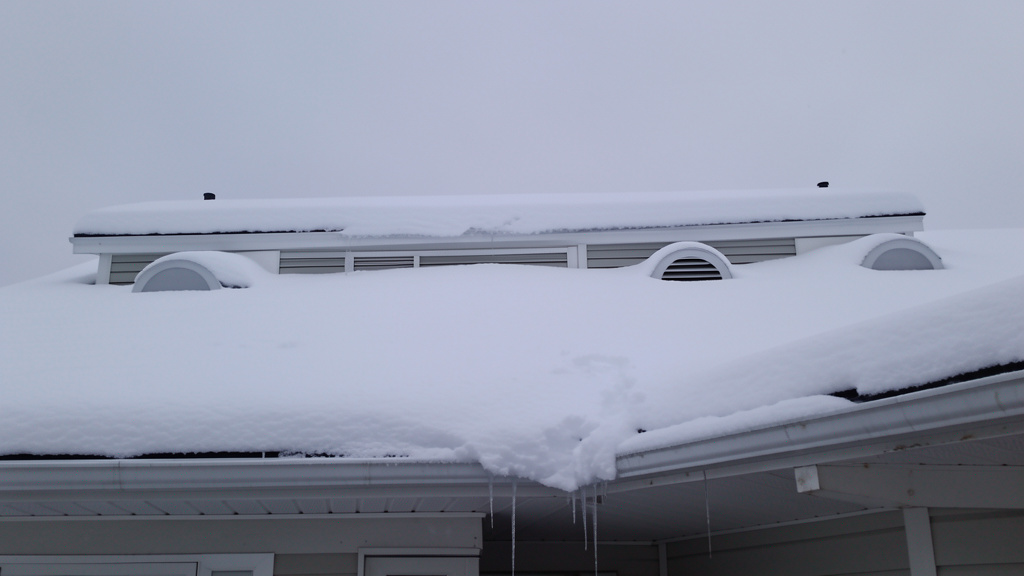
Stop Wasting Energy, Prevent Costly Damage, and Extend Your Roof’s Lifespan—A Science-Backed Framework for Every Climate and Roof Type
Proper roof ventilation isn’t a luxury—it’s the silent guardian protecting your home’s structural integrity, energy efficiency, and indoor comfort year-round. When airflow stagnates in your attic, winter transforms into a battlefield against destructive ice dams, while summer can turn your roof cavity into an oven that accelerates shingle decay and increases cooling costs. This comprehensive guide dismantles myths, translates building science into actionable steps, and delivers a climate-adaptive framework to design, assess, and maintain a ventilation system that works with nature—not against it. Whether you’re troubleshooting existing issues or planning a new installation, you’ll gain the precise knowledge to make informed decisions that safeguard your largest investment.
Introduction
Imagine this: A January thaw softens snow on your roof’s upper slopes. Water trickles downward—only to refreeze at the colder eaves, forming a stubborn ice barrier. Behind it, meltwater pools, seeps under shingles, and invades your attic insulation, ceilings, and walls. Or picture a July afternoon where attic temperatures can exceed 150°F, potentially baking asphalt shingles until they curl and crack while your air conditioner works harder to combat heat radiating downward into living spaces. These aren’t rare disasters; they’re predictable consequences of inadequate roof ventilation—a condition observed in many U.S. homes according to industry assessments by the National Roofing Contractors Association (NRCA) and building science research from the Oak Ridge National Laboratory.
Ventilation addresses these challenges through fundamental physics: continuous airflow carries away excess heat and moisture before they trigger damage. Yet misinformation persists. Homeowners staple radiant barriers over soffit vents, install powered fans that draw conditioned air from living spaces, or assume “more vents = better.” True effectiveness hinges on balanced, climate-responsive design aligned with International Residential Code (IRC) standards and decades of field-tested building science. This guide synthesizes engineering principles, regional climate considerations, material innovations, and practical installation protocols into a unified system. You’ll move beyond fragmented tips to understand why certain solutions work—and how to implement them appropriately for your specific roof geometry, local weather patterns, and home construction. By the end, you’ll possess a clear-eyed assessment toolkit, a maintenance roadmap, and confidence to collaborate effectively with contractors or execute DIY improvements safely. Your roof’s longevity—and your peace of mind—depends on getting this right.
The Balanced Ventilation Framework: Engineering Airflow for Year-Round Protection
At its core, effective roof ventilation operates on a foundational principle: cool, dry air enters at the lowest points of the attic (intake), flows smoothly along the underside of the roof deck, and exits at the highest point (exhaust), carrying heat and moisture with it. This continuous loop mitigates temperature extremes that contribute to ice dam formation in cold climates and shingle degradation in warm zones. Achieving reliable airflow requires attention to three interconnected dimensions: quantity, balance, and placement. Neglecting any one dimension compromises system performance.
Why “Balance” Matters More Than “More Vents”
Many homeowners mistakenly believe adding exhaust vents (like box vents or turbines) alone resolves ventilation issues. This creates imbalance. Without sufficient intake air entering low on the roof, exhaust vents pull air from the path of least resistance: your living space. How? Through gaps around ceiling light fixtures, attic hatches, or plumbing penetrations. This draws conditioned (heated or cooled) air upward—a significant energy concern—and introduces warm, moisture-laden indoor air into the attic. In winter, that moisture may condense on cold roof sheathing, fostering mold and rot. In summer, it adds humidity that exhaust vents struggle to remove.
True balance aligns with approximately 50% of net free area (NFA) dedicated to intake vents and 50% to exhaust vents, positioned to create unobstructed airflow from eave to ridge. Think of it like human respiration: inhaling (intake) must match exhaling (exhaust). Disruption in either phase compromises the entire system. Building codes recognize this. The IRC (Section R806) specifies a minimum ventilation area of 1 square foot of NFA per 300 square feet of attic floor space—provided ventilation is evenly split between intake and exhaust and a vapor retarder is installed on the warm-in-winter side of the ceiling. Without that vapor retarder (common in older homes), the ratio tightens to 1 square foot per 150 square feet to address higher moisture loads. These values reflect decades of thermal modeling and field observations correlating ventilation rates with reduced condensation, ice dam incidence, and shingle temperatures.
Calculating Your Ventilation Needs: A Practical Protocol
While the 1:300 rule offers a starting point, real-world application requires nuanced calculation. Follow this step-by-step protocol:
-
Measure Your Attic Floor Area:
Multiply your home’s length by width (including garage if under the same roof). Example: A 40′ x 30′ ranch = 1,200 sq. ft. attic floor area.
Critical nuance: For complex roofs (multiple wings, dormers), sketch each section and sum areas. Accuracy matters—measure rather than estimate. -
Determine Required Total NFA:
- With vapor retarder (modern homes): 1,200 sq. ft. ÷ 300 = 4.0 sq. ft. total NFA needed
- Without vapor retarder (older homes): 1,200 sq. ft. ÷ 150 = 8.0 sq. ft. total NFA needed
Why this matters: Older homes often lack adequate vapor barriers. Assuming the 1:300 ratio here risks under-ventilation and moisture concerns. When uncertain—especially in humid climates or homes built pre-1980—default to the 1:150 ratio.
-
Convert to Intake and Exhaust Allocation:
Total NFA ÷ 2 = Intake NFA required = Exhaust NFA required
Example (with vapor retarder): 4.0 sq. ft. ÷ 2 = 2.0 sq. ft. intake + 2.0 sq. ft. exhaust
Pro tip: Slightly favor intake (e.g., 55% intake / 45% exhaust) to encourage positive pressure that gently pushes air upward, potentially reducing wind-driven rain intrusion through exhaust vents. -
Translate NFA to Physical Vents:
Vent packaging lists NFA per unit (e.g., “18 sq. in. NFA”). Convert your required sq. ft. to sq. inches (1 sq. ft. = 144 sq. in.).
Example: 2.0 sq. ft. intake needed × 144 = 288 sq. in. NFA required.
If using continuous soffit vents rated at 9 sq. in. NFA per linear foot: 288 ÷ 9 = 32 linear feet of soffit venting required.
Common pitfall: Ignoring obstructions. Soffit vents blocked by insulation, debris, or paint provide zero functional NFA. Always verify actual unobstructed airflow during assessment.
The Fundamental Principle: Ventilation isn’t about holes in the roof—it’s about creating a predictable, pressure-driven airflow path. Quantity without strategic placement is ineffective. Balance without unobstructed pathways remains theoretical. True effectiveness emerges at the intersection of precise calculation, thoughtful component selection, and meticulous installation detail.
The Airflow Pathway: Placement Determines Performance
Calculating NFA is meaningless if air cannot flow freely from intake to exhaust. Three critical barriers commonly disrupt this pathway:
-
Insulation Blocking Soffits: Batt insulation stuffed against the eave blocks intake air. Solution: Install rigid ventilation baffles (rafter vents) between rafters at the eave. These corrugated plastic or foam channels maintain a clear 1–2″ air gap from soffit to attic space, guiding air upward. Baffles should extend at least 12″ into the attic and be sealed at the top edge to prevent insulation contact. In retrofit scenarios, this step is essential—no amount of additional soffit venting compensates for blocked pathways.
-
Compartmentalized Attics: Knee walls (common in Cape Cods or dormers) create isolated attic sections. Each compartment requires its own balanced intake/exhaust system. Air does not flow around walls. Install baffles along the sloped ceiling of the knee wall section and add dedicated vents. Failure here often leads to localized ice dams or moisture buildup where walls meet the roof slope—a frequent leak source.
-
Exhaust Vent Location: Ridge vents function optimally only when installed continuously along the entire peak. A single box vent near the ridge creates “dead zones” in long attics. Turbine vents rely on wind direction; if placed where wind shadows occur (e.g., behind a chimney), they stall. Optimal exhaust placement follows the roof’s highest continuous line. For hip roofs (no ridge), multiple evenly spaced box vents or a powered ventilator with humidistat/thermostat control may be considered—but only after confirming adequate intake.
This framework transforms ventilation from a vague “more is better” concept into an engineered system. You now hold the keys to diagnose deficiencies: Is intake insufficient? Is the pathway blocked? Is exhaust poorly placed? Each symptom points to a specific corrective action. Next, we examine the components that bring this framework to life—intake and exhaust technologies—evaluating their real-world performance beyond marketing claims.
Ventilation Components Decoded: Intake and Exhaust Systems Compared
Selecting vents isn’t about identifying a single “best” product; it’s about matching technology to your roof’s architecture, local weather patterns, budget, and aesthetic priorities. A solution ideal for a coastal Florida bungalow may prove unsuitable for a snow-prone Minnesota ranch. Let’s examine each category with attention to strengths, limitations, and installation essentials.
Intake Vents: The Foundation of Balanced Airflow
Intake vents supply the fresh air that powers the entire system. Without robust, unobstructed intake, exhaust vents become counterproductive. Three primary types dominate residential applications:
Soffit Vents (The Standard for Intake)
Installed in the horizontal underside of eaves (soffits), these provide low, continuous intake air. Available as individual units (round, rectangular) or continuous perforated strips.
– Why they excel: Positioned at the absolute lowest point of the roof plane, they leverage the stack effect (warm air rises) to pull air naturally upward. Continuous versions minimize visual impact and provide uniform airflow along the entire eave line.
– Critical installation details:
– Baffles are essential. As emphasized earlier, insulation must never contact the soffit. Install baffles before adding or disturbing insulation.
– Ensure soffit material is vented. Solid wood or vinyl soffits require cutting precise openings matching the vent size. Pre-perforated soffit panels simplify this.
– Avoid “eyebrow” vents. Vents installed on the roof slope near the eave (sometimes called low-profile intake vents) are generally inferior. Wind pressure can force precipitation into the attic, and they sit higher than true soffit vents, reducing intake efficiency.
– Climate considerations: In heavy snow regions, ensure soffit vents are positioned above typical ground snow depth to prevent blockage. In wildfire-prone areas (WUI zones), use vents with ASTM E108 Class A fire-rated mesh (typically <1/8″ openings) to resist ember intrusion—while verifying mesh does not significantly reduce NFA. Some manufacturers offer WUI-compliant vents with engineered airflow paths.
Drip Edge Vents (The Soffit Alternative)
A metal flashing installed at the roof’s edge incorporating a small vented channel between the roof deck and fascia board. Air enters through perforations in the vertical face.
– Best for: Homes with no soffits (open rafter tails common in Craftsman, ranch, or modern designs) or where soffit replacement is impractical.
– Advantages: Preserves architectural authenticity on historic homes; installs during re-roofing with minimal disruption.
– Significant limitations:
– Lower NFA per linear foot than quality soffit vents. Requires meticulous calculation to ensure sufficient total intake.
– Vulnerable to clogging. Debris (pine needles, leaves) accumulates easily in the narrow channel. Requires more frequent cleaning.
– Installation sensitivity: Must integrate correctly with ice/water shield and underlayment during roofing. Retrofitting is challenging.
– Verdict: A viable solution when soffits are absent, but not inherently superior to properly installed soffit vents with baffles. Prioritize ease of maintenance access.
Gable Vents (The Conditional Intake)
Rectangular vents installed in the triangular wall sections at the ends of the attic (gables). Often misused as primary intake.
– The reality: Gable vents function as both intake and exhaust depending on wind direction. A west wind pushes air in the west gable and out the east gable. This cross-ventilation can be effective in simple, rectangular attics with no ridge vent.
– Critical conflict: Avoid pairing gable vents with a ridge vent. Wind hitting the ridge vent creates negative pressure that may pull air out of both gable vents, disrupting the desired eave-to-ridge airflow path and leaving the center of the attic stagnant.
– When to use them:
– As supplemental intake only if soffit intake is insufficient and no ridge vent exists.
– In very short attics (depth < 15 ft) where ridge ventilation is impractical.
– Always install insect screens and consider louvered models that close automatically in high winds to reduce rain intrusion.
– Pro tip: If retaining gable vents with a ridge vent system, install rigid foam board insulation inside the attic against the gable vent opening (leaving a small gap at top/bottom for minimal pressure equalization). This neutralizes their airflow role, encouraging the system to rely solely on soffit-to-ridge flow.
Exhaust Vents: Completing the Airflow Circuit
Exhaust vents release heated, moist air. Their effectiveness depends entirely on having adequate, unobstructed intake air feeding them. Four main types exist—each with distinct operational characteristics:
Ridge Vents (The Optimal Exhaust for Sloped Roofs)
A continuous vent installed along the entire peak (ridge) of the roof, covered by a shingle-over cap. Modern versions include external wind deflectors and internal filters.
– Why they dominate: They leverage the roof’s highest point and the Bernoulli principle—wind moving over the ridge creates negative pressure that actively sucks air out. Continuous placement ensures even exhaust across the entire attic length, eliminating dead zones. Aesthetically seamless when capped with matching shingles.
– Non-negotiable installation practices:
– Cut a precise 1.5″ to 2″ wide slot along both sides of the ridge board. Uneven cuts compromise performance.
– Install internal filter material (fiberglass or synthetic) to block insects and debris while allowing airflow. Never omit this.
– Use wind deflectors. These external baffles reduce wind-driven precipitation entry while enhancing the suction effect.
– Seal the ridge cap shingles with roofing cement at the leading edge (exposed edge) to prevent wind uplift—but never seal the sides where airflow exits.
– Climate-specific notes:
– Snow country: Choose models with “snow guards” (internal baffles) to minimize snow infiltration. Ensure the ridge slot cut stops 6–12″ short of the roof ends to reduce wind-blown snow entry.
– High wind zones (hurricane/coastal): Verify product has Miami-Dade County NOA approval or equivalent wind uplift rating. Proper nailing pattern per manufacturer specs is critical.
– Myth busting: “Ridge vents don’t work without wind.” Not accurate. While wind enhances performance, the stack effect (heat rising) ensures passive airflow even on calm days. Research from the Florida Solar Energy Center indicates ridge vents generally outperform static box vents across varying wind conditions.
Box Vents (Low-Profile Static Vents)
Square or rectangular vents mounted on the roof slope, typically 12–18″ tall, relying solely on convection (heat rising).
– Appropriate use cases:
– Hip roofs (no ridge line) where multiple units can be strategically placed near the peak on each face.
– Retrofitting older homes where cutting a ridge slot is impractical.
– Supplementing ridge vents on very large or complex attics (though ridge vent should be primary).
– Significant drawbacks:
– Create dead zones. Air exhausts only near the vent location. Areas between vents may stagnate.
– Roof penetrations. Each unit requires flashing; more units = more potential leak points.
– Inefficient. No wind-enhancement mechanism. Performance diminishes on calm, hot days when ventilation is most needed.
– Aesthetic impact. Multiple units can appear cluttered.
– Installation essentials:
– Place vents at least 24″ below the ridge peak to avoid compromising the roof’s structural ridge board.
– Space units evenly. Rule of thumb: One 144 sq. in. NFA box vent per 500 sq. ft. of attic floor area if used as primary exhaust (but ridge is preferred).
– Use high-quality rubberized asphalt flashing boots compatible with your roof type (asphalt, metal, tile). Seal meticulously.
Turbine Vents (Whirlybirds)
Spinning vents powered by wind, creating active suction.
– The promise: Enhanced exhaust on windy days without electricity.
– The reality:
– Wind-dependent. Ineffective on calm days—precisely when attic heat buildup is most severe.
– Maintenance considerations: Bearings may seize from dust, corrosion, or lack of lubrication. Frozen turbines in winter become dead weight.
– Precipitation risk: Poorly designed models may leak when spinning stops or in heavy crosswinds.
– Noise: Can whir or rattle in sustained winds, potentially disturbing occupants.
– When they might be considered:
– In consistently windy locations (coastal, plains) as supplemental exhaust with verified adequate intake.
– On workshops or sheds where noise is less concerning.
– Recommendation: For primary residential exhaust, modern ridge vents with wind deflectors typically provide more consistent performance with zero maintenance. The marginal airflow gain on windy days rarely outweighs the drawbacks for most homes.
Powered Attic Vents (PAVs) and Solar Fans
Electric or solar-powered fans that actively exhaust air.
– The allure: “Forces” ventilation regardless of wind or temperature.
– Critical considerations (often overlooked):
– Negative pressure risk: If intake NFA is insufficient (a common scenario), PAVs may aggressively pull air from the living space below. This wastes energy (heating/cooling your attic), introduces moisture, and could depressurize the house—potentially affecting combustion appliance safety.
– Short-circuiting: Fans placed too close to intake vents may simply recirculate the same air without refreshing the entire attic volume.
– Moisture dynamics in cold climates: Exhausting warm attic air in winter may draw more warm, moist indoor air upward, increasing condensation risk on cold roof sheathing.
– When they may be justified (rarely):
– Only after:
1. Attic floor is meticulously air-sealed (all gaps around wires, pipes, lights, hatches sealed with caulk, foam, or rigid covers).
2. Intake NFA is verified to exceed exhaust capacity of the fan.
3. Fan is controlled by a thermostat AND humidistat (e.g., activates only above 100°F and 70% humidity), preventing unnecessary operation.
4. Installed on a north-facing roof slope (in Northern Hemisphere) to minimize solar heat gain on the unit itself.
– Primarily considered for homes with severe constraints: cathedral ceilings with limited venting options, attics with high internal moisture sources, or in extremely hot climates after all passive options are exhausted.
– Industry perspective: Organizations like the NRCA and Building Science Corporation generally advise against powered vents for standard vented attics. Passive balanced systems are typically more reliable, safer, and cost-effective long-term. If considering one, consult a qualified building professional specializing in enclosure diagnostics.
Vent Type Comparison: Aligning Technology with Your Roof
| Vent Type | Best For | Key Advantages | Critical Limitations & Considerations | Climate Considerations | NFA Efficiency* |
|---|---|---|---|---|---|
| Ridge Vent | Gable roofs (most common), new construction | Continuous exhaust, wind-enhanced, aesthetic, no moving parts | Requires ridge access; improper install may lead to leaks | Effective across climates; select snow-guard models for heavy snow regions | ★★★★★ (High) |
| Soffit Vent | Primary intake on virtually all roof types | Lowest intake point, leverages stack effect, discreet | Ineffective if blocked by insulation (BAFFLES REQUIRED) | Essential everywhere; WUI-rated mesh for fire zones | ★★★★★ (High) |
| Box Vent | Hip roofs, ridge vent retrofits, supplements | Simple install, low cost per unit | Creates dead zones, multiple penetrations, passive only | Acceptable supplement; avoid as sole exhaust | ★★☆☆☆ (Low) |
| Turbine Vent | Consistently windy sites (supplemental only) | Active exhaust on windy days, no electricity | Ineffective calm days, maintenance, noise, leak risk | Marginal benefit; ridge vent generally superior | ★★★☆☆ (Medium) |
| Powered Vent | Rare cases: sealed attics, extreme constraints | Forces airflow regardless of conditions | Risk of negative pressure, energy use, safety considerations | Generally not recommended; passive preferred | ★★★★☆ (High)* |
| Drip Edge Vent | Homes with NO soffits (open rafter tails) | Preserves architecture, installs during re-roof | Lower NFA, prone to clogging, retrofit difficult | Viable alternative where soffits absent | ★★★☆☆ (Medium) |
| Gable Vent | Simple attics without ridge vent | Good cross-ventilation in wind | Conflicts with ridge vent; wind-direction dependent | Use only if no ridge vent; block if ridge installed | ★★★☆☆ (Medium) |
*NFA Efficiency reflects real-world airflow relative to rated NFA under typical conditions. Powered vents show high airflow but carry significant system risks. Prioritize balanced passive systems first.
This comparison isn’t about declaring a single “winner.” It’s about aligning technology with your home’s specific anatomy and your climate’s demands. A Cape Cod in Maine benefits from robust soffit intake with baffles and a ridge vent with snow guards. A hip-roofed stucco home in Arizona might rely on continuous soffit intake and multiple box vents near the peak. The framework—balance, pathway, placement—guides the selection. Next, we translate this component knowledge into climate-specific strategies, because a solution for Minnesota may not suit Miami.
Climate-Specific Ventilation Strategies: Tailoring Your System to Local Conditions
Ventilation isn’t one-size-fits-all. The forces driving ice dams in Minnesota differ from those causing shingle stress in Arizona. Your strategy should adapt to your region’s dominant challenges. Using the U.S. Department of Energy’s climate zone map as a foundation, we outline actionable protocols for four critical scenarios. (Note: Always verify local building codes, which may exceed IRC minimums.)
Cold Climates (Zones 5-8: Northern U.S., Canada, Mountain States) – Managing Ice Dam Risk
Primary Concern: Ice dams caused by uneven roof temperatures. Heat escaping from the living space melts snow on the upper roof. Water flows down to the colder eaves (unheated overhangs), refreezes, and forms a dam. Subsequent meltwater may back up under shingles.
Ventilation’s Role: Help maintain a more uniform roof deck temperature—closer to outside air temperature—so snow melts slowly and evenly, or not at all until a full thaw. Ventilation achieves this by flushing out heat that does escape into the attic before it can warm the roof sheathing.
Critical Protocol:
1. Air Sealing is Step Zero: Ventilation alone cannot resolve significant heat leakage. Before assessing vents:
– Seal all attic floor penetrations: recessed lights (use ICAT-rated cans or airtight covers), plumbing stacks, wiring holes, chimney chases. Use fire-rated caulk, spray foam (low-expansion for gaps near framing), and rigid foam board.
– Ensure attic hatch has an insulated, airtight cover.
– Why this comes first: If warm, moist air floods the attic, even adequate ventilation may be overwhelmed, leading to condensation on cold sheathing. Air sealing reduces the moisture and heat load ventilation must handle.
2. Prioritize Unobstructed Soffit Intake: Ice dams form at the eaves—precisely where intake air must enter. Blocked soffits = warm eaves = ice dam risk. Install baffles consistently. In heavy snow areas, verify soffit vents are positioned high enough on the fascia to avoid ground snow blockage.
3. Ridge Vent is Highly Recommended: Continuous exhaust at the peak supports even cooling of the entire roof deck. Avoid box vents—they may create warm spots between units where snow melts prematurely.
4. Insulation Depth and Airflow: While R-49 to R-60 insulation is recommended in these zones (per DOE), compressing insulation to fit rafter bays blocks airflow. Use baffles to maintain the air channel above the insulation depth. The goal isn’t just thick insulation—it’s insulation that doesn’t obstruct ventilation pathways.
5. Heat Tape Consideration: Electric heat cables melt channels through ice but don’t address the root cause (heat loss + poor ventilation). They’re a temporary measure with energy costs and potential fire risks. Address ventilation and air sealing first.
Illustrative Scenario: A 1920s Colonial in Vermont experienced recurring ice dams despite added attic insulation. Assessment revealed:
– Batt insulation stuffed tightly against soffits, blocking all intake.
– Two old gable vents (no ridge vent).
– Unsealed recessed lights and attic hatch.
Solution:
1. Air-sealed all penetrations and hatch.
2. Installed ventilation baffles along every rafter bay at the eaves.
3. Cut continuous soffit vents (replacing solid wood soffits).
4. Installed a ridge vent with snow guards.
5. Then added loose-fill cellulose insulation to R-60 over the baffles.
Result: Ice dam occurrences ceased within one winter. Attic temperatures remained closely aligned with outside air on sunny winter days.
Hot-Dry & Hot-Humid Climates (Zones 1-3: Southwest, Southeast, Gulf Coast) – Managing Heat and Humidity
Primary Concerns:
– Hot-Dry (AZ, NV): Extreme radiant heat stresses roof decking and shingles, shortening lifespan. Attic temperatures can exceed 150°F, radiating heat downward and increasing the workload on your cooling system.
– Hot-Humid (FL, GA, TX): All heat issues PLUS high moisture loads. Evening cooling may cause warm, humid outdoor air entering vents to condense on cooler attic surfaces (ductwork, stored items), fostering mold.
Ventilation’s Role: Expel superheated air to reduce shingle temperatures and minimize heat transfer downward. In humid zones, exchange moist air with drier (though still hot) outdoor air—but only if outdoor humidity is lower than attic humidity, which often occurs during daytime heating.
Critical Protocol:
1. Balance Remains Key: While balance is essential, slightly favoring exhaust (e.g., 45% intake / 55% exhaust) may enhance heat expulsion in consistently hot climates. Only do this if intake is verified sufficient to avoid negative pressure. Ridge vents are ideal.
2. Radiant Barriers: Strategic Use:
– What it is: A reflective foil layer installed under rafters (stapled to bottom chords) or draped over insulation (less effective). Reflects radiant heat.
– The Catch: NEVER install directly on top of insulation. It may trap moisture against the insulation, causing mold. Must have an air gap (≥ ¾”) below the barrier for reflection to work.
– Ventilation Synergy: Radiant barriers reduce the heat load entering the attic; ventilation removes residual heat. They are complementary, not alternatives. Research from the Florida Solar Energy Center indicates combining radiant barrier with proper ventilation may reduce cooling costs more than either alone.
– Humid Climate Note: In hot-humid zones, a radiant barrier over insulation may create a condensation risk if the attic isn’t well-ventilated. Prioritize ventilation first; add barrier only with professional guidance and adequate airflow.
3. Soffit Vent Material: In coastal/humid areas, choose corrosion-resistant materials (aluminum, PVC) over steel. Ensure insect screens are fine enough to block pests without restricting airflow.
4. Powered Vents? Proceed Cautiously: Temptation is high here. However, the risks of negative pressure (pulling conditioned air from living space) are greater because the temperature/humidity difference between attic and house is significant. If considered:
– Must follow all prerequisites listed earlier (air sealing, verified intake, thermostat/humidistat controls).
– Solar-powered models avoid wiring costs but lack consistent power on cloudy days.
– Often, adding more passive intake/exhaust is safer and more cost-effective long-term.
Illustrative Scenario: A ranch home in Phoenix had asphalt shingles failing prematurely. Attic temps reached extreme levels. Assessment showed:
– Minimal soffit venting (blocked by old insulation).
– Two small box vents near ridge.
– No radiant barrier.
Solution:
1. Installed continuous aluminum soffit vents with baffles.
2. Replaced box vents with a full-length ridge vent.
3. Added a radiant barrier stapled to rafter bottoms (maintaining air gap).
Result: Peak attic temperature reduced significantly. Shingle surface temperature dropped noticeably. AC runtime decreased. Shingle warranty documentation was updated.
Mixed-Humid Climates (Zones 4A, 4C: Mid-Atlantic, Pacific Northwest) – Navigating Dual Challenges
Primary Concerns: Winter ice dam potential and summer heat/moisture challenges. High humidity year-round increases condensation risk if ventilation is inadequate.
Ventilation’s Role: Provide adaptable airflow that handles cold-season moisture removal and warm-season heat expulsion without introducing excessive humidity during shoulder seasons.
Critical Protocol:
1. Balance is Paramount: This climate highlights the importance of balance. Insufficient intake in winter may contribute to condensation on sheathing. Insufficient exhaust in summer may allow heat buildup. Adhere closely to balanced NFA allocation.
2. Vapor Retarder Verification: Homes built before modern codes may lack an effective vapor retarder (polyethylene sheeting) on the warm-in-winter side of the ceiling (underside of attic floor). If absent or damaged:
– Prioritize air sealing (reduces moisture transport effectively).
– Consider the stricter 1:150 ventilation ratio.
– Do not add a vapor retarder above insulation—that may trap moisture in the insulation. Consult a building professional.
3. Vent Selection: Ridge vents + soffit vents remain ideal. In the Pacific Northwest (high rain), ensure ridge vents have robust wind/water deflectors. In the Mid-Atlantic (heavy snow possible), include snow guards on ridge vents.
4. Monitor Humidity: Install a simple wireless hygrometer in the attic. Ideal relative humidity should generally stay below 60% year-round. Consistently higher readings may indicate insufficient ventilation or significant air leakage from the house.
Illustrative Scenario: A 1970s split-level in Maryland had mold on north-facing roof sheathing and minor ice dam history. Assessment revealed:
– Partial soffit venting (some blocked).
– Gable vents only (no ridge vent).
– No vapor retarder; significant air leaks around lights.
Solution:
1. Air-sealed attic floor penetrations.
2. Installed baffles and continuous soffit vents.
3. Added ridge vent; blocked gable vents internally with rigid foam (to encourage eave-to-ridge flow).
4. Increased total NFA to meet 1:150 ratio due to missing vapor retarder.
Result: Attic humidity stabilized. Mold growth ceased. Ice dam occurrences eliminated.
Special Case: Cathedral Ceilings & Vaulted Roofs – Ventilation in Constrained Spaces
The Challenge: No attic space. Roof rafters are exposed beneath drywall. Ventilation channels must fit within the rafter depth (often only 6–8″), competing with insulation thickness requirements.
Critical Protocol:
1. Ventilation Baffles are Essential: Use rigid, site-built baffles (2x lumber + plywood) or proprietary systems (e.g., AccuVent, SmartBaffle) that create a minimum 1″ continuous air channel from soffit to ridge above the insulation. This channel is the ventilation pathway.
2. Insulation Depth Trade-off: Achieving full code-required insulation depth and a proper ventilation channel in shallow rafters may not be feasible. Solutions:
– Option A (Preferred when possible): Add rigid foam insulation above the roof sheathing during re-roofing. This keeps the dew point outside the assembly, allowing the rafter cavity to be filled with insulation without a ventilation channel (a “hot roof” assembly). Requires professional design.
– Option B (Vented): Accept reduced insulation value (e.g., R-25 instead of R-38) to maintain the 1″ air channel. Calculate heat loss impact.
3. Intake/Exhaust Details: Soffit vents feed the channel. Exhaust must be at the ridge—continuous ridge vent is essential. Box vents on the slope won’t exhaust the narrow channel effectively.
4. Never Block the Channel: Insulation must stop below the baffle. Spray foam applied directly to sheathing without a channel creates a high-risk assembly for condensation.
Professional Insight: Cathedral ceilings present significant ventilation challenges. If retrofitting an existing problematic vaulted ceiling, consult a building science professional. Prevention during new construction or major renovation is vastly preferable to correction later.
Understanding your climate’s unique demands transforms ventilation from a generic checklist item into a targeted defense strategy. But even the best-designed system requires ongoing attention. Next, we address the hidden pitfalls and maintenance practices that separate lasting success from recurring issues.
Avoiding Common Pitfalls: Critical Friction Points Most Guides Overlook
Knowledge of components and climate strategies is ineffective if undermined by preventable errors. These friction points—often buried in installation details or dismissed as “minor”—contribute significantly to ventilation failures. Address them proactively.
Pitfall #1: The Insulation Blockade (A Frequent Failure Mode)
Scenario: During an insulation upgrade, installers cram batts tightly against the eave, completely covering soffit vents. Homeowner adds “more vents” on the roof slope, worsening the imbalance.
Why it happens: Installers prioritize R-value coverage over airflow pathways. Homeowners may not specify baffles.
Potential Impact: Zero intake air. Exhaust vents pull conditioned air from living space. Winter: Moisture may condense on cold sheathing → mold, rot. Summer: Attic overheats → shingle damage, increased cooling demands. Ice dams may form precisely where intake is blocked.
Prevention and Correction:
– During any insulation work: Explicitly require “ventilation baffles installed in every rafter bay at the eave before insulation is added.” Get it in writing.
– Retrofit: From the attic, install baffles by sliding them between rafters down to the soffit. May require temporarily removing some insulation. Use LED work lights to identify blockages. For severe blockages, exterior soffit replacement with integrated vents may be needed.
– Verification: On a windy day, hold a thin tissue paper against the soffit vent from outside. It should be gently pulled inward. No movement suggests blockage.
Field Observation: Documentation from organizations like the Insurance Institute for Business & Home Safety (IBHS) indicates blocked soffit vents are frequently associated with ventilation-related moisture damage claims in cold climates. This single detail often outweighs vent brand or quantity in importance.
Pitfall #2: The Gable Vent vs. Ridge Vent Conflict
Scenario: Home has existing gable vents. Homeowner installs a ridge vent during re-roofing, believing “more exhaust is better.”
Why it happens: Misunderstanding airflow physics. Assuming all vents work cooperatively.
Potential Impact: Wind creates negative pressure at the ridge vent. Instead of pulling air from the soffits, it may pull air out of both gable vents. The critical eave-to-ridge airflow path collapses. The center of the attic may become stagnant—increasing risk of condensation or heat buildup.
Resolution:
– If installing a ridge vent: Block the gable vents from inside the attic. Cut rigid foam board (XPS) to fit snugly in the opening. Seal edges with spray foam. Leave a 1″ gap at top and bottom of the foam board to allow minimal pressure equalization (prevents the foam from acting as a vapor barrier trap). This neutralizes the gable vents’ airflow role, encouraging the system to use the soffit-to-ridge path.
– Exception: Only if the attic is very short (<15 ft deep) and ridge vent installation is impossible, retain gable vents and omit ridge vent. Avoid mixing active exhaust types competing for airflow.
Pitfall #3: Overlooking Attic Floor Air Sealing
Scenario: Homeowner meticulously installs balanced ventilation but skips air sealing. Warm, moist indoor air floods the attic daily.
Why it happens: Ventilation is visible (vents on roof); air sealing is hidden work. Misconception that “vents will handle the moisture.”
Potential Impact: Ventilation may be overwhelmed. In winter, moisture may condense on cold roof sheathing faster than vents can remove it → frost buildup, then liquid water when temps rise → wood rot, mold. Energy waste can be significant.
Resolution (Recommended Sequence):
1. Seal first: Target these high-impact areas:
– Recessed lights: Install airtight ICAT-rated retrofit kits or build sealed boxes around non-ICAT cans.
– Attic hatch: Add rigid foam insulation to the hatch door and install weatherstripping. Build a sturdy, insulated cover box for pull-down stairs.
– Penetrations: Seal around plumbing vents, chimneys, wiring bundles with fire-rated caulk or low-expansion spray foam.
– Top plates: Seal the gap between the top of interior walls and the attic floor framing with spray foam.
2. Ventilate second: Only after air sealing does ventilation work efficiently on the remaining heat and moisture loads.
Pro Tip: Conduct a “tissue test” before sealing. On a cold day, hold tissue near suspected leaks (lights, hatch). If it moves, air is leaking. Prioritize those spots.
Pitfall #4: Mixing Exhaust Vent Types (The Short-Circuit Risk)
Scenario: Home has a ridge vent. Homeowner adds a powered attic fan on the rear slope “to boost airflow.”
Why it happens: Belief that adding technology enhances performance. Not understanding pressure dynamics.
Potential Impact: The powered fan creates strong negative pressure. It may pull air preferentially from the closest source—which could be the ridge vent behind it, or worse, from the living space below. This “short-circuits” the intended airflow path. The front half of the attic may receive little to no ventilation. Risk of affecting combustion appliance safety increases.
Resolution:
– Avoid mixing powered and passive exhaust vents. Choose one strategy.
– If using powered vents, they must be the sole exhaust method, with intake meticulously calculated to exceed the fan’s CFM rating.
– For nearly all homes, a well-designed passive balanced system (ridge + soffit) is safer, more reliable, and cost-effective long-term. Reserve powered vents for documented, severe cases with professional oversight.
Pitfall #5: Neglecting Maintenance – The Gradual Decline
Scenario: Vents installed correctly 10 years ago. Pine needles clog soffits. Bird nests block ridge vents. System degrades unnoticed until damage appears.
Why it happens: “Install and forget” mentality. Vents are out of sight.
Potential Impact: Gradual reduction in NFA. System becomes unbalanced. Performance drops below critical thresholds. Damage accumulates slowly (rot, mold) until major repair is needed.
Resolution: Implement a Seasonal Maintenance Ritual
– Spring (Post-Winter):
– Inspect soffit vents from ground with binoculars. Look for debris, paint buildup, or animal nests.
– Check ridge vent cap for shingle damage or debris accumulation.
– From attic: Look for daylight at soffits (indicates blockage if none visible). Check for frost/mold on sheathing near eaves.
– Fall (Pre-Winter):
– Clear leaves/debris from roof valleys and around vent bases.
– Verify soffit vents are clear (use a shop vac with soft brush attachment carefully from outside).
– Trim tree branches within 6 ft of roof to reduce debris and pest access.
– After Major Storms: Check for vent damage, especially ridge caps and turbine bearings.
Tool Tip: Keep a “ventilation log” in your home maintenance binder. Note inspection dates, findings, actions taken. Photos help track changes over time.
These pitfalls aren’t theoretical—they appear in insurance claims, contractor service records, and building science case studies. Avoiding them requires shifting perspective: Ventilation isn’t just hardware on the roof; it’s an integrated system dependent on hidden details (air sealing, baffles) and ongoing care. This systems-thinking approach is what separates durable solutions from temporary fixes. With your foundation solid, let’s move to actionable assessment—how to evaluate your current system’s condition today.
DIY Assessment and Maintenance: Your Step-by-Step Homeowner’s Checklist
You don’t need specialized tools to conduct a meaningful ventilation assessment. This protocol, informed by field inspection practices, empowers you to evaluate your system’s condition confidently. Perform this assessment on a day with moderate wind (5–15 mph) for best results. Safety First: If accessing the attic, wear an N95 mask, eye protection, and sturdy shoes. Use a bright headlamp. Watch for exposed nails, weak framing, and electrical hazards. Never step between ceiling joists—walk only on trusses or joists. If uncomfortable, hire a qualified home inspector or roofing contractor.
Phase 1: Exterior Visual Inspection (15 Minutes)
- Identify All Vents: Walk around your home. Note every vent type and location:
- Intake: Soffit vents (under eaves), drip edge vents, lower gable vents.
- Exhaust: Ridge vent (along peak), box vents (on slopes), turbine vents, upper gable vents, powered fans.
- Sketch a simple roof diagram and mark vent locations. This reveals balance and placement issues instantly.
- Check for Obvious Blockages:
- Soffits: Are vents covered by paint, siding, or debris? Use binoculars for high eaves. Look for nests (birds, wasps).
- Ridge Vent: Is the cap shingle damaged, lifted, or covered in moss/debris? Is the external baffle intact?
- Box/Turbine Vents: Are bases clear of leaves? Are turbines spinning freely (on a windy day)?
- Assess Roof Condition Near Vents:
- Look for cracked, curled, or missing shingles around vent bases—signs of potential leaks or aging.
- Check flashing around box vents for rust, separation, or missing nails.
- Evaluate Surroundings:
- Are trees shedding debris directly onto vents?
- Is snow consistently piled against soffit vents in winter photos (check your phone)?
Phase 2: Attic Interior Inspection (20 Minutes)
Perform on a cool morning for comfort and clearer condensation signs.
- Verify the Airflow Pathway (Critical):
- Stand at the eave (where roof meets wall). Look up between rafters toward the ridge.
- Do you see daylight at the soffit? If yes, intake path is likely clear at this spot. If no, insulation or debris is blocking it.
- Trace the path: Follow the space between rafters upward. Is it clear all the way to the ridge? Or does insulation bulge into the space?
- Check for baffles: Do you see rigid plastic/foam channels maintaining a gap at the eave? If not, and insulation touches the roof deck, blockage is likely.
- Inspect Roof Sheathing (The Truth Teller):
- Examine the underside of the roof deck (plywood/OSB), especially near eaves and north-facing slopes (coolest areas).
- Look for:
- Water stains, mold, or mildew: Indicates past moisture intrusion (leak or condensation).
- Frost or ice crystals (in cold weather): Sign of warm, moist air contacting cold sheathing—ventilation may be insufficient or air sealing is poor.
- Dark staining on wood: Often mold from chronic moisture.
- Rust on nails: Condensation may be occurring regularly.
- Note: Some minor nail rust is normal in older homes; widespread staining warrants attention.
- Assess Insulation Condition:
- Is insulation uniformly distributed? Or is it compressed, settled, or displaced near eaves?
- Does it contact the roof deck anywhere? (It should not—baffles should prevent this.)
- Check for Air Leaks (The Draft Test):
- On a windy day, feel around:
- Recessed light fixtures (do you feel drafts?)
- Attic hatch perimeter
- Chimney chase
- Plumbing vent pipes
- Hold a damp hand near suspected leaks—you may feel cool air movement.
- On a windy day, feel around:
- Document Findings: Take clear photos of:
- Blocked soffits
- Missing/damaged baffles
- Sheathing stains/mold
- Vent conditions
- Your sketch with vent locations marked
Phase 3: Functional Airflow Test (5 Minutes)
Requires a helper and a windy day (10+ mph).
- Helper stands outside at a soffit vent location.
- You stand in the attic directly above that soffit vent.
- Helper holds a lightweight tissue or thin plastic bag against the soffit vent opening.
- Observe:
- Tissue is pulled firmly inward: Good intake airflow at this location.
- Tissue flutters weakly: Partial blockage or insufficient pressure differential.
- Tissue is pushed outward: Exhaust vent may be pulling air from the soffit—indicates imbalance (likely too much exhaust, not enough intake elsewhere).
- No movement: Complete blockage.
- Repeat at multiple soffit locations (front, back, sides). Consistency is key.
Interpreting Your Results: Decision Guide
| Your Finding | Likely Issue | Recommended Action |
|---|---|---|
| No daylight at soffits; insulation at eave | Blocked intake pathway | Priority Fix: Install ventilation baffles. May require insulation adjustment. |
| Frost/mold on sheathing near eaves | Moisture + insufficient airflow | 1. Air seal attic floor penetrations. 2. Verify/restore intake pathway. 3. Ensure balanced exhaust. |
| Tissue pushed OUT of soffit vent | Imbalance (excess exhaust) | 1. Count intake/exhaust NFA. 2. Add intake vents (soffit). 3. Consider reducing exhaust if overdone. |
| No tissue movement at soffits | Complete blockage | Clear debris from outside. If internal blockage suspected, investigate baffles. |
| Gable vents + ridge vent both present | Conflicting airflow paths | Block gable vents internally with rigid foam (leave small gaps top/bottom). |
| Powered fan + ridge/box vents | Short-circuit risk | Disable powered fan. Rely on passive system. Consult pro if ventilation still inadequate. |
| Sheathing stains but vents look clear | Air leakage overwhelming vents | Focus on attic floor air sealing before adding more vents. |
Creating Your Maintenance Schedule
- Monthly (Quick Check): Glance at roof from ground after storms. Note visible debris near vents.
- Seasonally (15 mins):
- Spring: Clear debris from roof valleys and vent bases. Check soffits for nests.
- Fall: Clean leaves from roof. Verify soffit vents clear before winter. Trim branches.
- Annually (Comprehensive): Perform full Exterior + Attic Inspection (Phases 1 & 2 above). Update your log.
- After Major Events: Inspect after hail storms, high winds (>50 mph), or heavy snow loads.
This assessment isn’t about perfection—it’s about awareness. Identifying one critical blockage (like missing baffles) can prevent significant future damage. Documenting baseline conditions helps track changes. If your assessment reveals significant issues (extensive mold, structural damage, complex retrofit needs), use your findings to have an informed conversation with qualified professionals. Next, we address the questions that keep homeowners seeking clarity—the real-world dilemmas uncovered in search data and contractor consultations.
Your Questions, Answered
Homeowners face genuine confusion around roof ventilation. Generic answers fuel uncertainty. Here, we address specific, frequently searched questions with precision grounded in building science and practical application.
Q: How do I know if my attic is properly ventilated? There are no obvious problems.
A: Absence of visible damage doesn’t guarantee adequacy. Perform the assessment protocol in the previous section. Indicators of effective ventilation often include:
– Attic temperature on a 90°F day stays notably below peak outdoor temperatures (measured with a simple thermometer).
– Roof sheathing is clean, dry, and free of mold/staining year-round.
– No frost accumulation on sheathing during cold snaps.
– Soffit vents show consistent inward airflow (tissue test) on windy days.
If you lack these indicators, or your home was built before modern ventilation standards (pre-1980s), assessment is advisable. Proactive verification is far less costly than reactive repair.
Q: Can I have too much ventilation?
A: Yes, but primarily if the system is unbalanced. Excess exhaust without sufficient intake creates negative pressure, potentially pulling conditioned air and moisture from your living space—a significant energy and moisture concern. However, having balanced ventilation exceeding code minimums (e.g., 1:250 ratio instead of 1:300) is generally beneficial and low-risk, provided:
1. Intake and exhaust NFA remain proportional (near 50/50 split).
2. The attic floor is well air-sealed.
3. Vents are correctly placed to maintain the airflow path.
Focus on balance and pathway integrity, not just hitting a minimum number. More balanced ventilation is almost always preferable to marginal ventilation.
Q: Do I need to ventilate a cathedral ceiling or vaulted roof?
A: Yes—but it’s more complex. Without an attic space, ventilation channels must be built within the rafter cavity. A continuous 1″ air gap is typically required from soffit intake to ridge exhaust, maintained by rigid baffles. Insulation must not block this channel. In shallow rafters, achieving both adequate insulation depth and ventilation is challenging. Solutions include:
– Using proprietary ventilation baffles designed for tight spaces.
– Installing rigid foam insulation above the roof deck during re-roofing (creating an unvented “hot roof” assembly—requires professional design to manage moisture).
Never omit ventilation in a cathedral ceiling assembly designed to be vented. Consult a roofing professional experienced with vaulted roofs before proceeding.
Q: Will adding roof vents void my shingle warranty?
A: Generally, no—if installed correctly. Major shingle manufacturers (GAF, CertainTeed, Owens Corning) explicitly state that properly installed ventilation supports shingle warranties by preventing excessive heat buildup. However, warranties can be affected by:
– Poor installation causing leaks (e.g., improper flashing on box vents).
– Using non-approved vent types that damage shingles (rare with modern vents).
– Over-penetrating the roof deck (too many box vents).
Always use vents and installation methods recommended by your shingle manufacturer. Keep receipts and installation documentation. When in doubt, contact the shingle manufacturer’s technical support with your proposed vent plan.
Q: Can I install a radiant barrier instead of adding more vents?
A: No—they serve complementary, not interchangeable, roles. A radiant barrier reflects radiant heat before it heats the attic air; ventilation removes the heat that does enter. Using a barrier without adequate ventilation may trap heat and moisture against the barrier, potentially worsening condensation issues. Best practice:
1. Ensure ventilation meets or exceeds code requirements first.
2. Then, add a radiant barrier with a proper air gap (stapled to rafter bottoms), especially in hot climates.
Research confirms the combination often outperforms either solution alone. Never install a radiant barrier directly on top of insulation—it may become a condensation trap.
Q: My roofer says I need a powered attic fan. Is this necessary?
A: Exercise caution. Powered fans are frequently oversold. Ask the roofer to justify the recommendation with specific details:
– “Has the attic floor been air-sealed?” (If not, a fan may worsen energy loss.)
– “What is the measured intake NFA, and how does it compare to the fan’s CFM rating?” (Intake must exceed exhaust capacity.)
– “Will it have thermostat and humidistat controls?” (Prevents unnecessary operation.)
In most standard vented attics, correcting passive ventilation (adding soffit vents, ridge vent, baffles) is safer, cheaper, and more effective long-term. Powered fans introduce mechanical failure points, energy use, and safety considerations. Seek a second opinion from a building science-focused contractor if unsure.
Q: How do I ventilate a hip roof (no ridge line)?
A: Hip roofs require strategic placement of exhaust vents since a continuous ridge vent isn’t possible. Best approach:
– Maximize continuous soffit intake ventilation around all eaves.
– Install multiple box vents (low-profile static vents) near the peak on each hip face. Space them evenly.
– Calculate total exhaust NFA to match intake NFA (balanced split).
– Avoid turbines (wind-direction dependent) and powered fans (risk of short-circuiting) unless absolutely necessary and professionally designed.
– Consider a “hip ridge vent” system if available for your roof pitch—some manufacturers offer specialized vents for hip intersections. Consult a roofing specialist experienced with hip roofs.
Q: Are roof vents a fire hazard in wildfire zones?
A: Standard vents can allow embers to enter the attic—a potential ignition point. However, solutions exist:
– Install vents specifically rated for Wildfire Urban Interface (WUI) zones. These feature fine metal mesh (<1/8″ openings) that blocks embers while maintaining airflow (look for ASTM E108 Class A or CA SFM 12-7A-4 compliance).
– Brands like Brandguard Vents, Vulcan Vents, and others specialize in fire-resistant designs.
– Do not seal vents shut—that creates catastrophic heat/moisture buildup.
– Combine with other WUI hardening: Class A fire-rated roofing, ember-resistant gutters, non-combustible siding near vents. Check local fire marshal requirements; some high-risk areas mandate WUI-rated vents.
Q: Will better ventilation lower my energy bills?
A: Potentially, especially in hot climates. A properly vented attic reduces heat transfer into living spaces, decreasing air conditioning runtime. Research from the Florida Solar Energy Center indicates effective ventilation may lower cooling costs by 10–15% in hot climates. In cold climates, the primary benefit is preventing moisture damage (avoiding repair costs), though reduced ice dam risk avoids emergency heating costs. Energy savings are a valuable bonus, but the core value is structural protection and extending roof life—often significantly prolonging shingle lifespan by keeping temperatures cooler.
Q: Can I install roof vents myself, or do I need a professional?
A: It depends on the vent type and your skill level:
– Soffit vents: Often DIY-friendly. Requires cutting soffit material and ensuring internal baffles are in place. Low fall risk.
– Ridge vent: Strongly recommend professional installation. Requires precise cutting along the ridge, proper integration with underlayment/ice shield, and shingle-over capping. Roof access at the peak is high-risk.
– Box vents: Moderate DIY skill. Requires cutting roof deck, installing flashing correctly, and sealing meticulously. Risk of leaks if flashing is imperfect.
– Powered vents: Not recommended DIY due to electrical work and critical balance requirements.
Critical rule: If your roof is steep (>6:12 pitch), old, or fragile, or if you lack roofing experience, hire a professional. A leak caused by improper vent installation typically costs far more than the labor fee. For intake vents (soffits), DIY is often safe and cost-effective.
Q: What’s the difference between “net free area” (NFA) and the physical size of the vent?
A: NFA is the actual unobstructed area available for airflow, after accounting for screens, louvers, and internal baffles. A vent might be 12″x12″ physically (144 sq. in.), but its NFA could be only 72 sq. in. due to mesh and design. Always use the manufacturer’s stated NFA value for calculations—not the physical dimensions. This is why vent packaging prominently displays NFA. Ignoring this leads to severe under-ventilation. When comparing vents, higher NFA per unit size indicates better engineering.
Q: My attic has mold. Will adding more vents fix it?
A: Not necessarily—and adding vents without addressing the root cause could worsen it. Mold indicates excess moisture. Sources include:
1. Air leakage from living space (most common): Warm, moist indoor air enters attic.
2. Inadequate ventilation: Can’t remove moisture fast enough.
3. Roof leak: Liquid water intrusion.
Recommended sequence:
1. Identify and fix the moisture source (air seal attic floor, repair roof leak).
2. Then remediate mold (safely—wear PPE; severe cases need professionals).
3. Then verify/upgrade ventilation to prevent recurrence.
Adding vents while air leaks persist simply pulls more moist air into the attic. Always diagnose the cause before treating the symptom.
These answers provide actionable clarity. Knowledge dispels uncertainty. With your questions addressed, let’s crystallize the path forward.
Conclusion and Your 24-Hour Action Plan
Roof ventilation is far more than a construction detail—it’s a dynamic element in your home’s relationship with the environment. When engineered with balance, precision, and climate awareness, it operates silently in the background, shielding your structure from ice dams, heat degradation, moisture damage, and energy waste. When neglected or misunderstood, it becomes a hidden liability, accelerating decay and inflating costs. The framework presented here—grounded in building science, validated by field observation, and tailored to real-world constraints—transforms this critical system from a source of anxiety into a pillar of home resilience.
The Three Foundational Principles Recap
- Balance is Essential: Intake and exhaust must work in concert (approximately 50/50 NFA split). Quantity without balance creates new problems. Verify your ratio; correct imbalances first.
- The Pathway Must Be Clear: Ventilation baffles at the eave are not optional—they are critical to maintaining your intake airflow. No amount of venting compensates for blocked pathways. Inspect yours today.
- Climate Informs Strategy: A solution for Minnesota may not suit Miami. Align your vent selection, insulation approach, and maintenance focus with your region’s dominant challenges. Know your climate zone.
The 24-Hour Rule: One Small Step That Builds Momentum
You don’t need to overhaul your roof today. Sustainable change begins with awareness. Within the next 24 hours:
➡️ Spend 10 minutes inspecting your soffit vents from the ground. Use binoculars if needed. Note:
– Are vents visible and unobstructed by paint, siding, or debris?
– Are any covered by snow (if applicable) or nests?
– Take one photo with your phone.
This single act shifts you from passive concern to active stewardship. It creates a baseline. It informs your next step—whether clearing debris, scheduling a professional assessment, or researching baffles. Progress compounds from this point.
The Bigger Picture: Ventilation in Your Home’s Ecosystem
View your roof ventilation not in isolation, but as one vital component of your home’s building enclosure system. It works synergistically with:
– Air sealing: Reduces the moisture and heat load ventilation must handle.
– Insulation: Slows heat transfer; must not obstruct ventilation pathways.
– Roofing materials: Quality shingles perform longer when kept cooler by ventilation.
– HVAC system: A cooler attic reduces strain on cooling equipment.
Investing in balanced ventilation is an investment in holistic home performance—enhancing durability, efficiency, comfort, and value. It’s a decision that pays dividends for decades, long after the initial effort fades from memory.
Your home is a sanctuary. Protecting it requires informed, intentional care. You now hold the knowledge to ensure your roof breathes freely, season after season. Start with that 10-minute inspection. Then build forward with confidence.
Explore Our Complete Home Resilience System:
Understanding Roof Underlayment: Ice & Water Shield vs. Synthetic Felt | Attic Air Sealing Mastery: Plug the Hidden Leaks Costing You Energy | Decoding Shingle Warranties: What’s Really Covered (and How to Keep It Valid) | Seasonal Home Maintenance Calendar: Month-by-Month Protection Plan | Moisture Mapping: How to Find and Fix Hidden Water Intrusion Before It Costs Thousands | The Homeowner’s Guide to Hiring Roofing Contractors: Avoid Scams, Ensure Quality | Energy Audits Decoded: DIY Checks vs. Professional Assessments