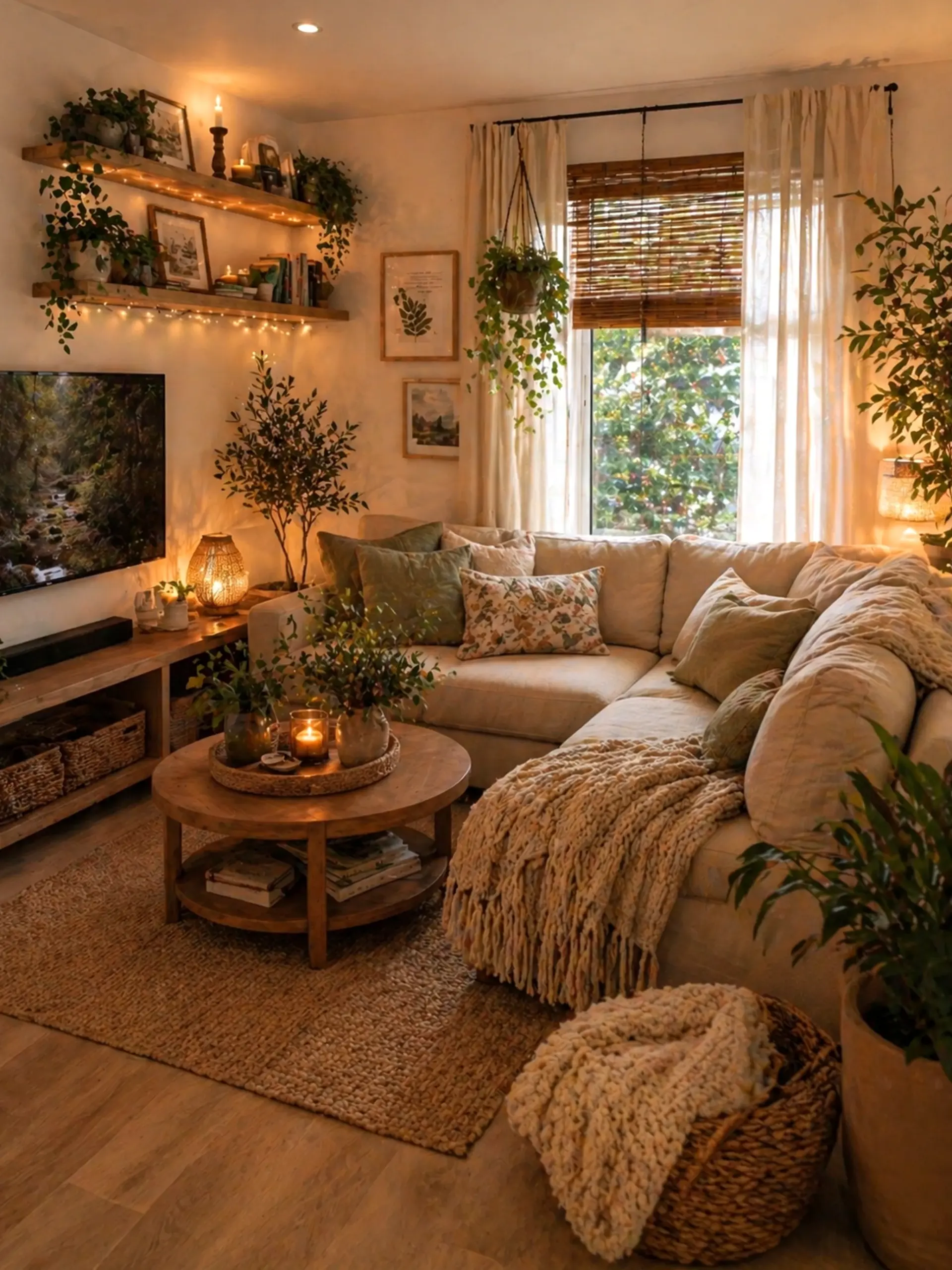
The better ideas in this group are quiet enough to adapt and clear enough to remember. In relaxed spaces with linen-like warmth, the useful thread is linen texture, supported by tactile lamp detail and textured bedside layer. The article works as a set of 28 visual prompts, but the value is in the decisions behind them: where the eye rests, how the surfaces meet, and which details would still feel comfortable after daily use.
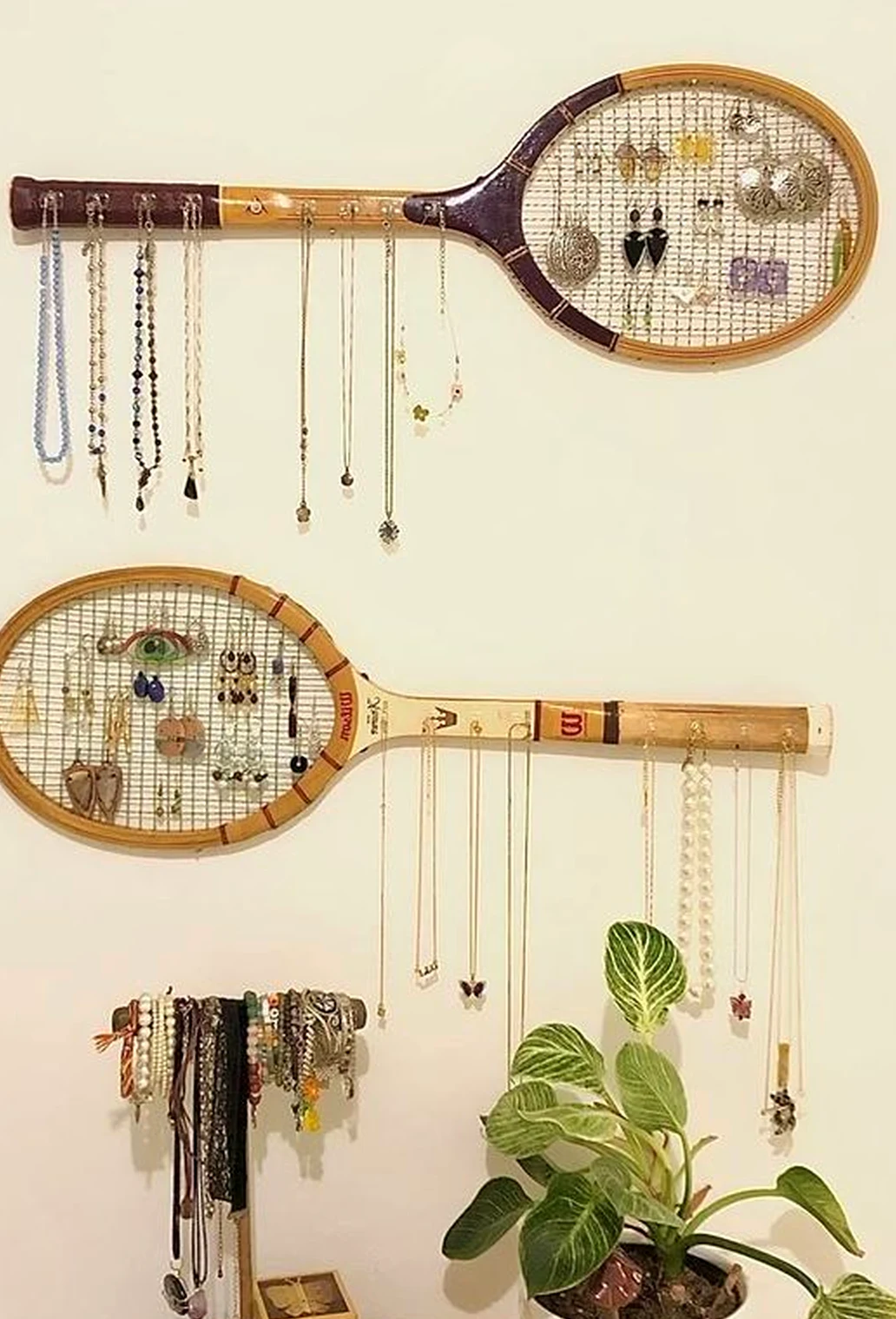
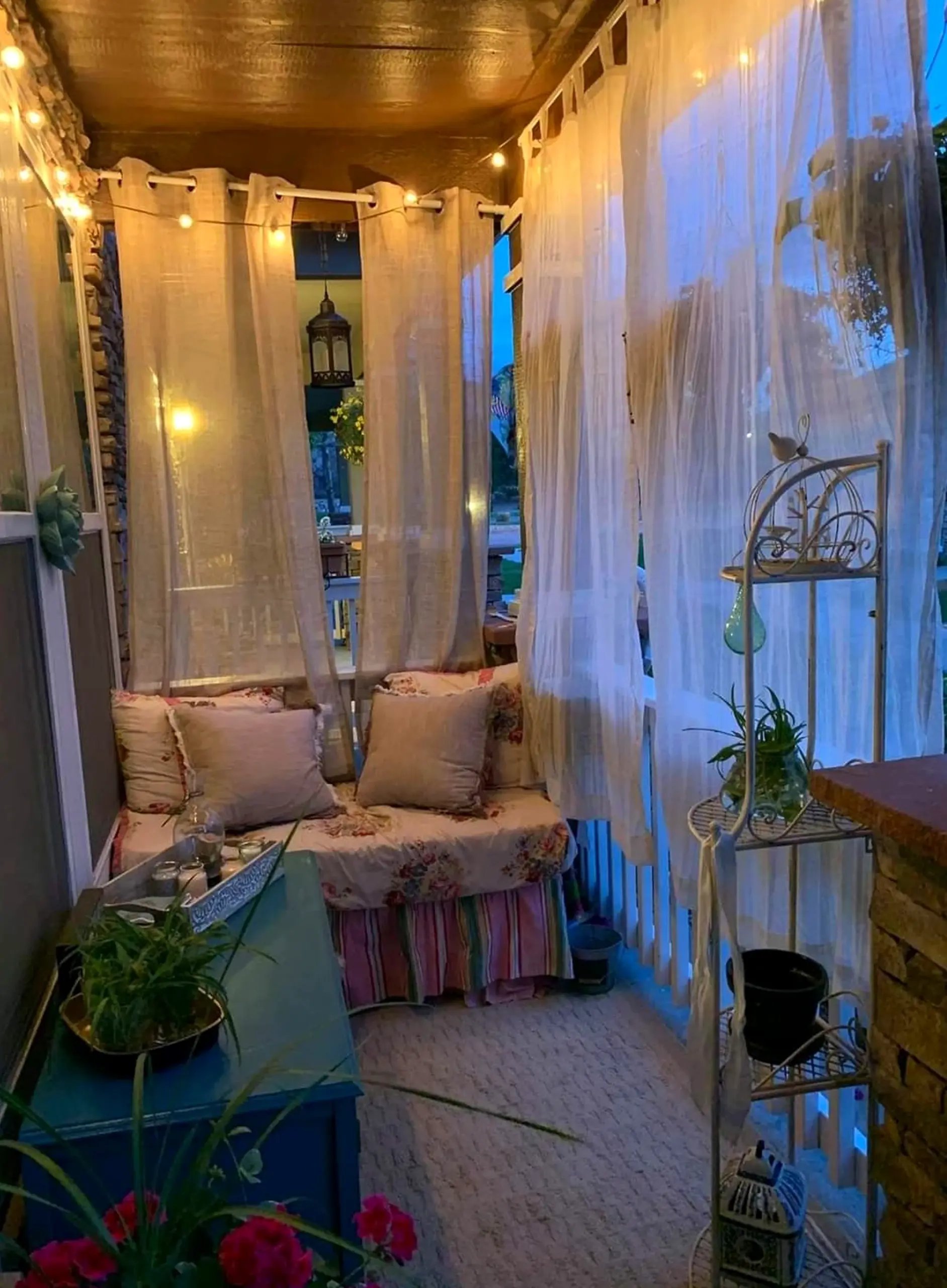
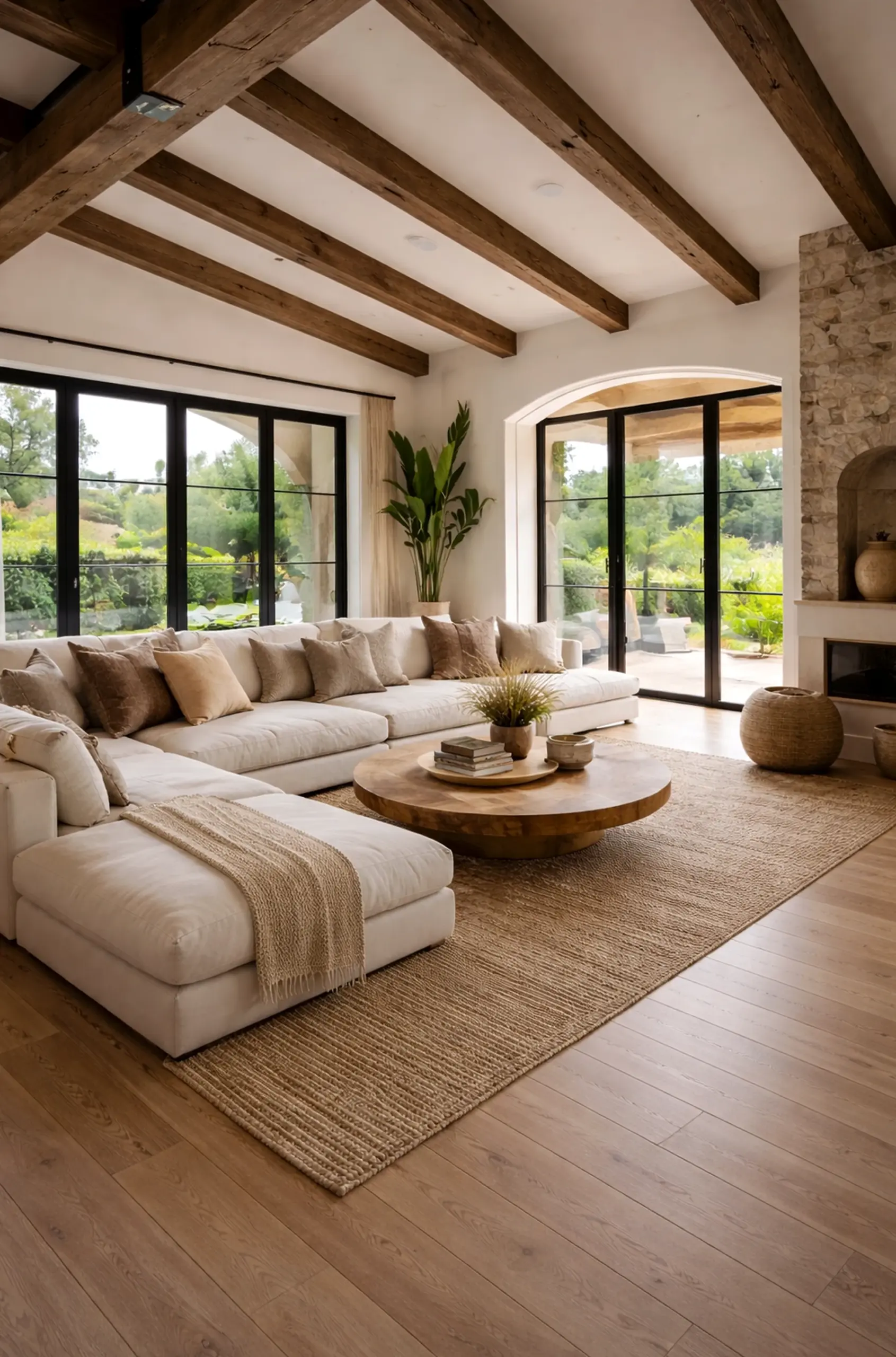




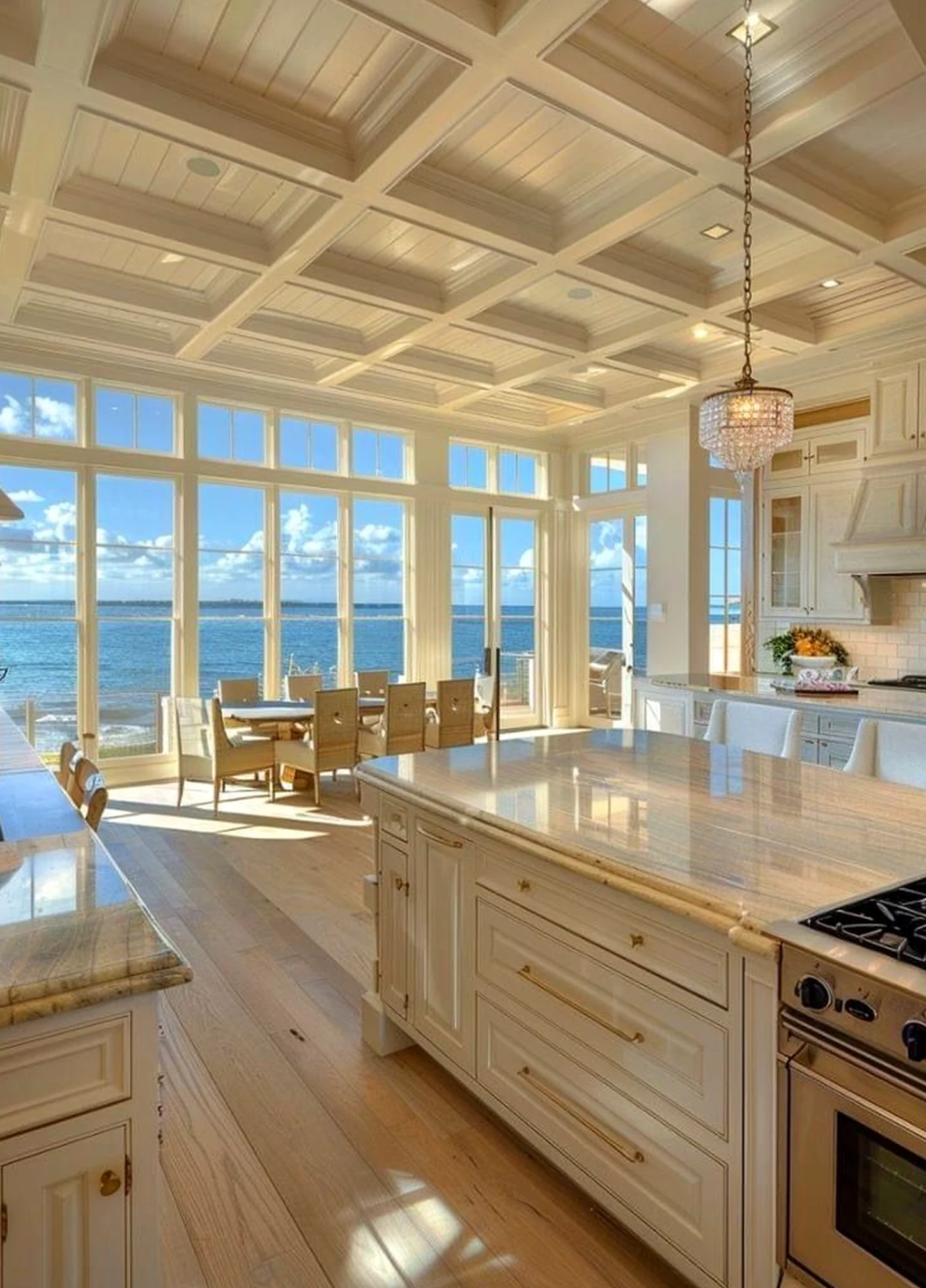
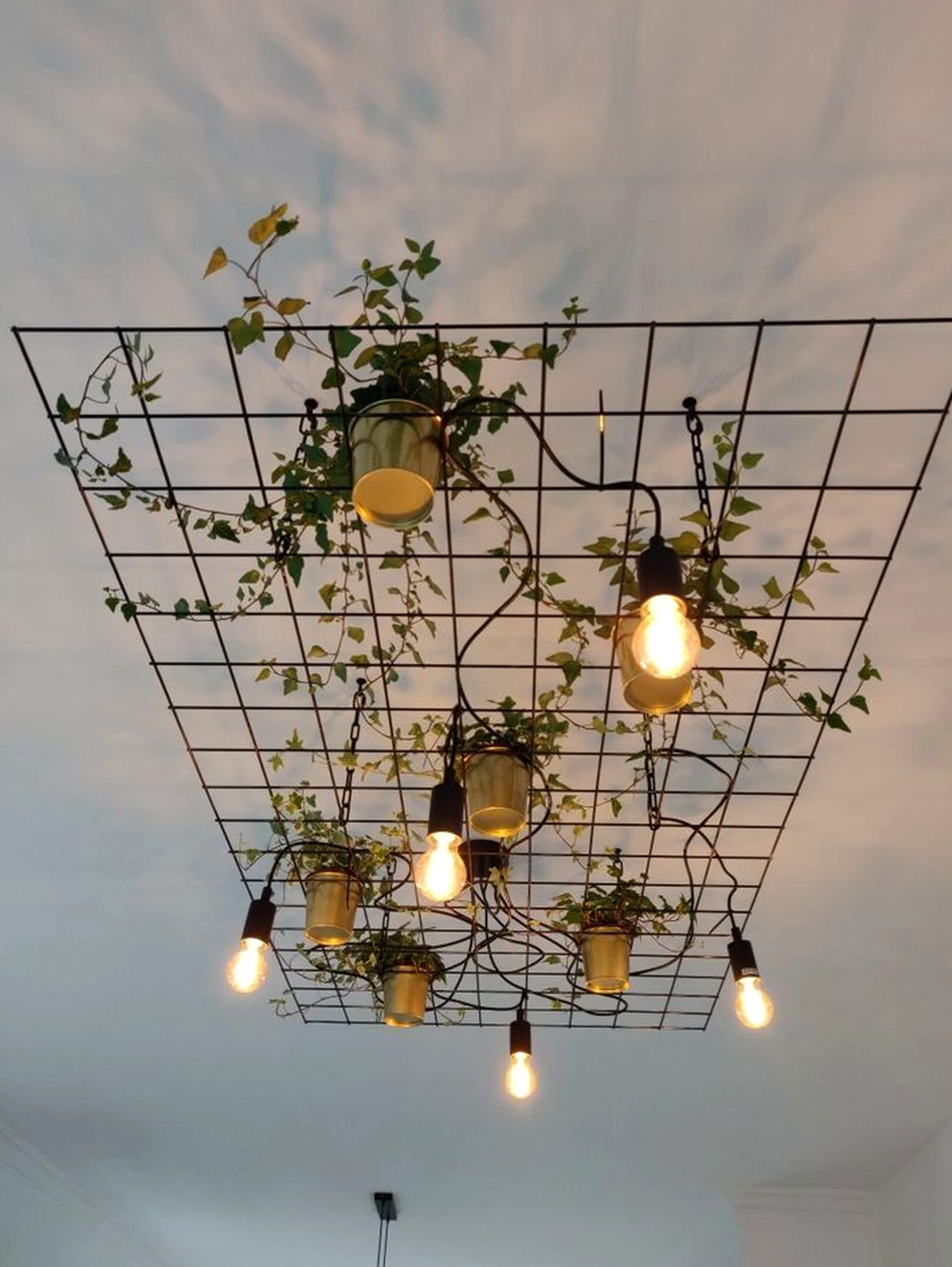
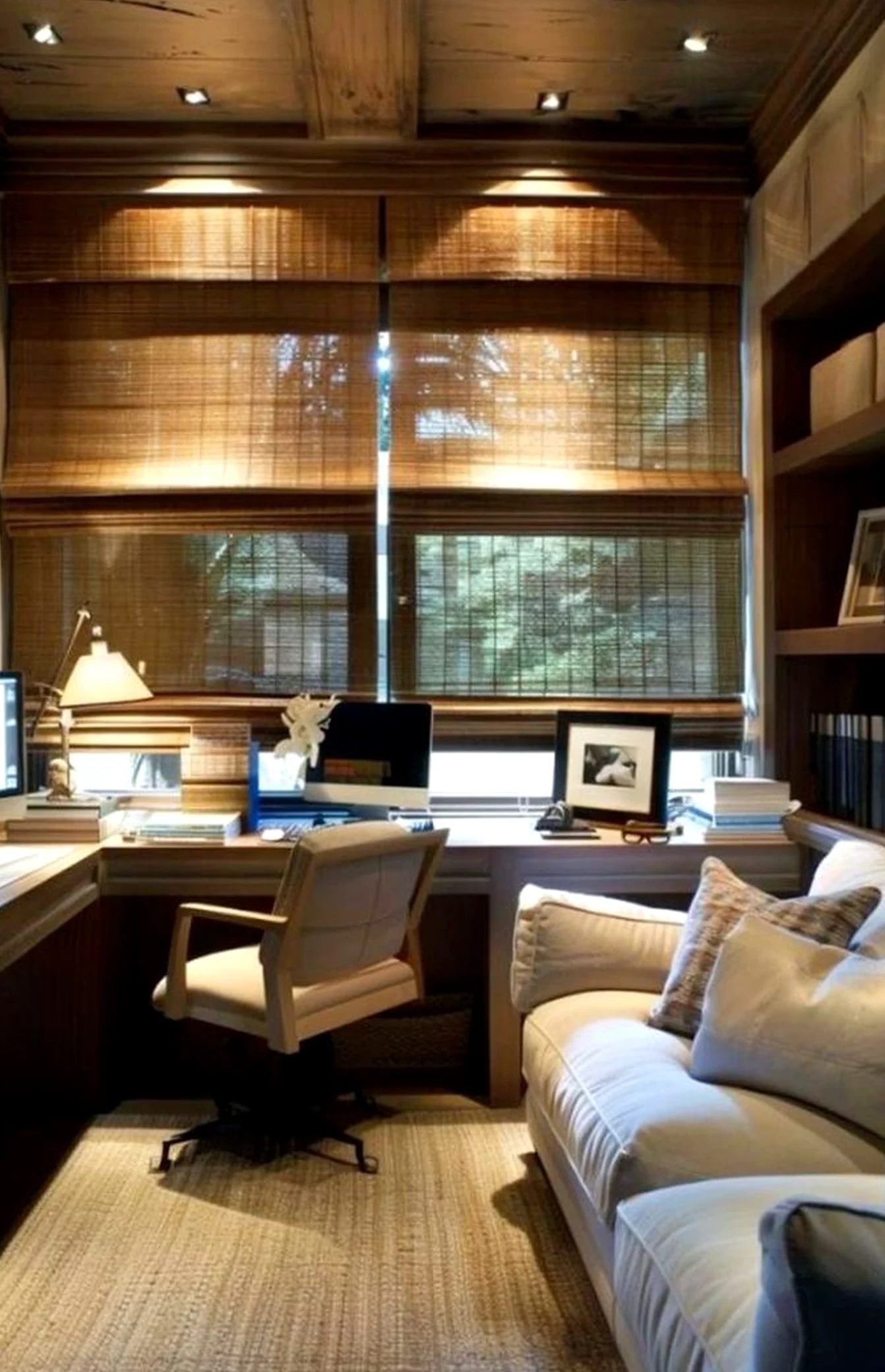

28 Relaxed Spaces with Linen-Like Warmth
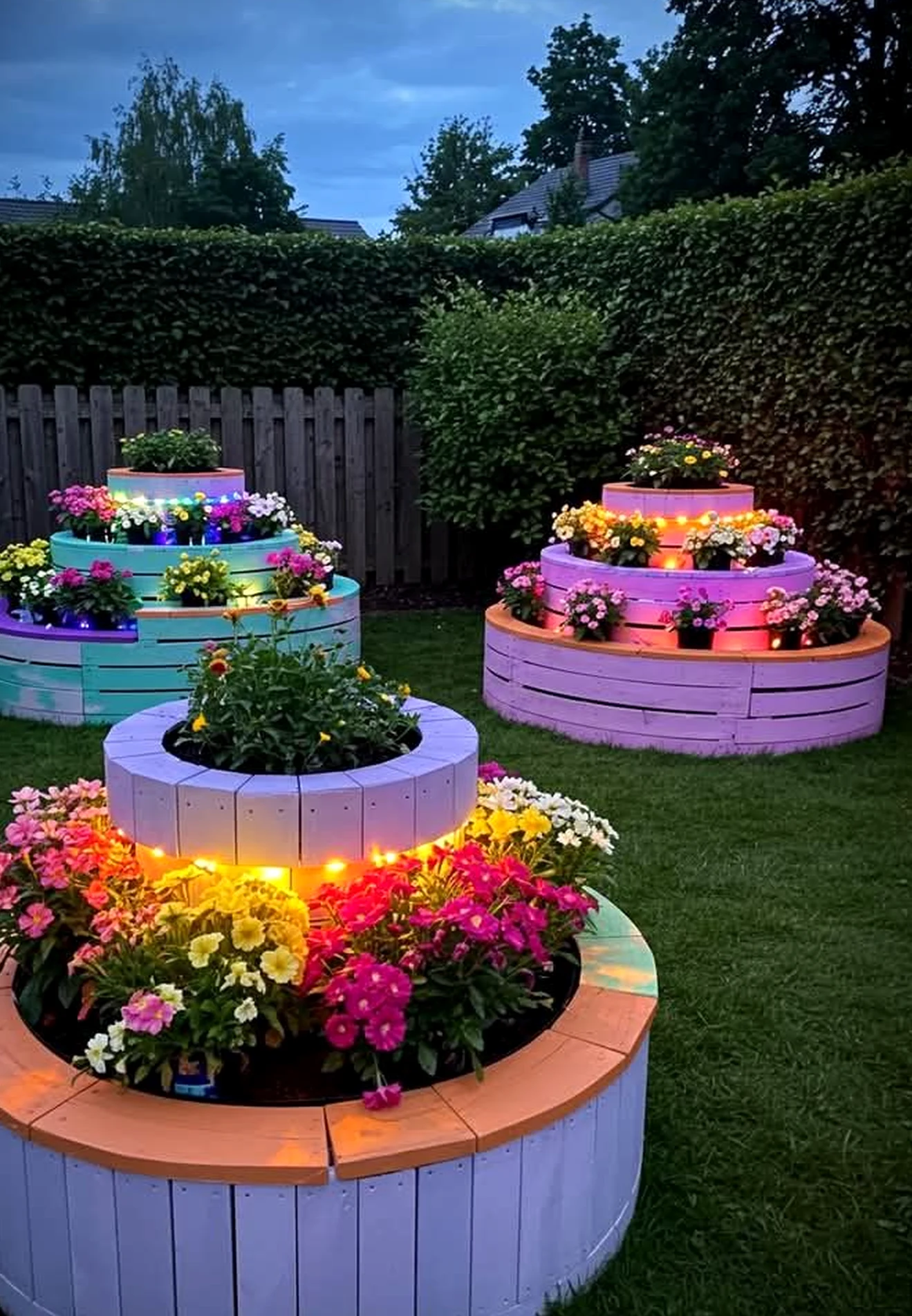
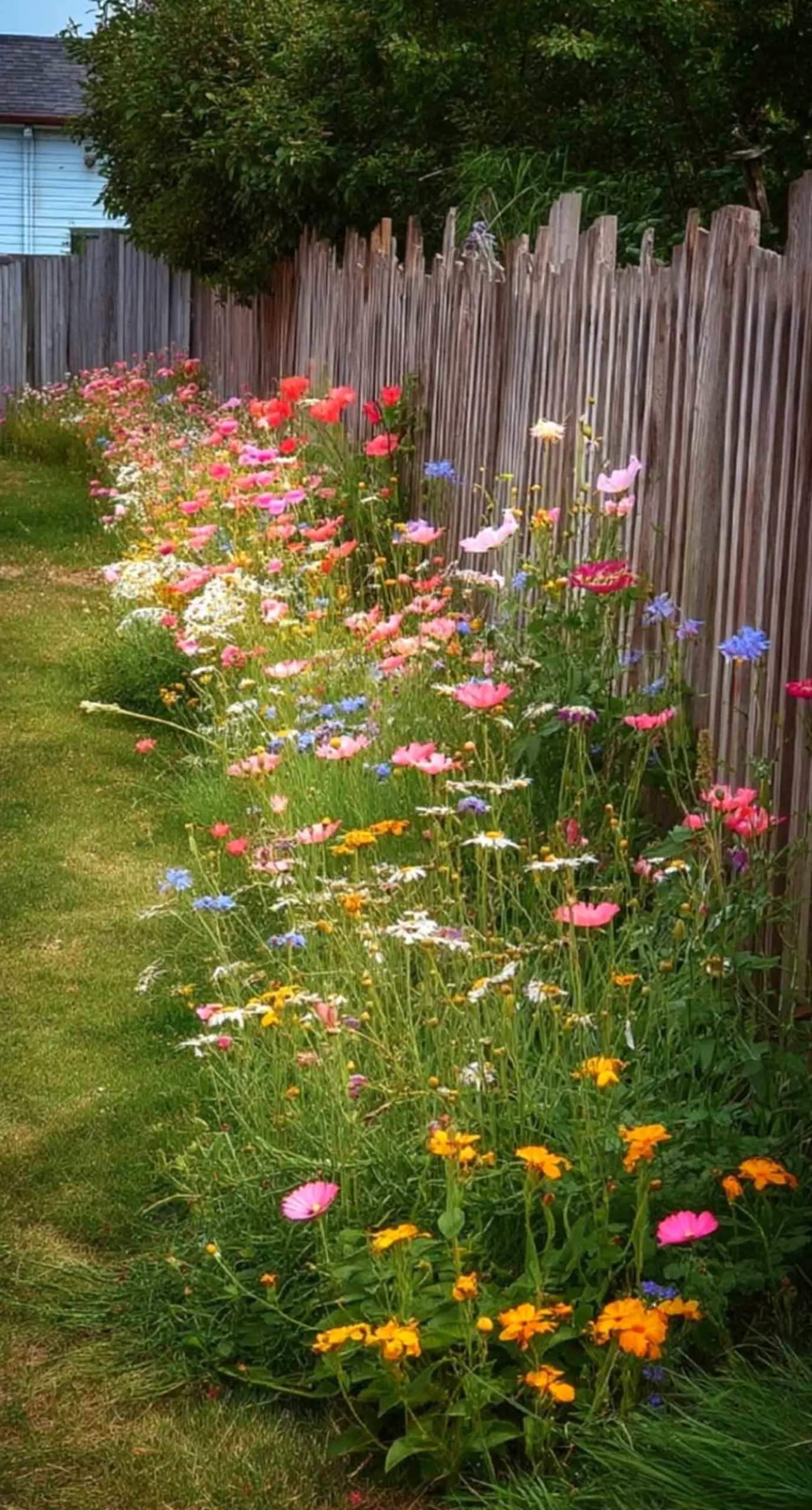
A restrained palette can still feel personal when the surfaces have enough variation. This works because the linen texture feels more natural when tactile lamp detail is balanced by open space and useful placement. The quieter advantage is that the reader can borrow a textured bedside layer as a small material cue instead of copying the full room. The design feels stronger when simple garden border adds enough character for the idea to feel specific without crowding the composition. A reader could start by noticing how simple garden border helps the shelf wall look considered while still leaving space for everyday objects. The scene stays believable when quiet storage can warm the dining nook while keeping attention on air around the objects.
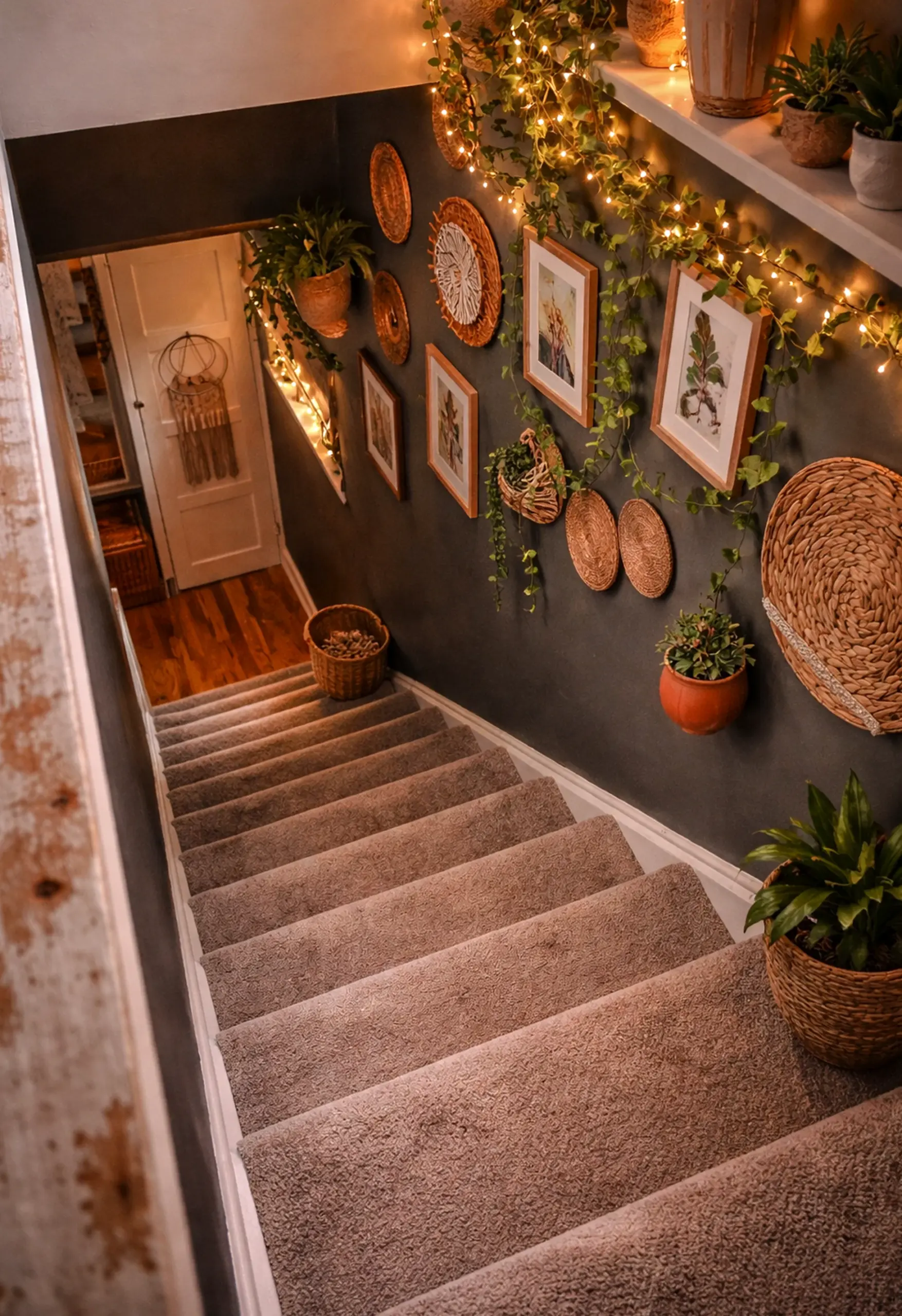
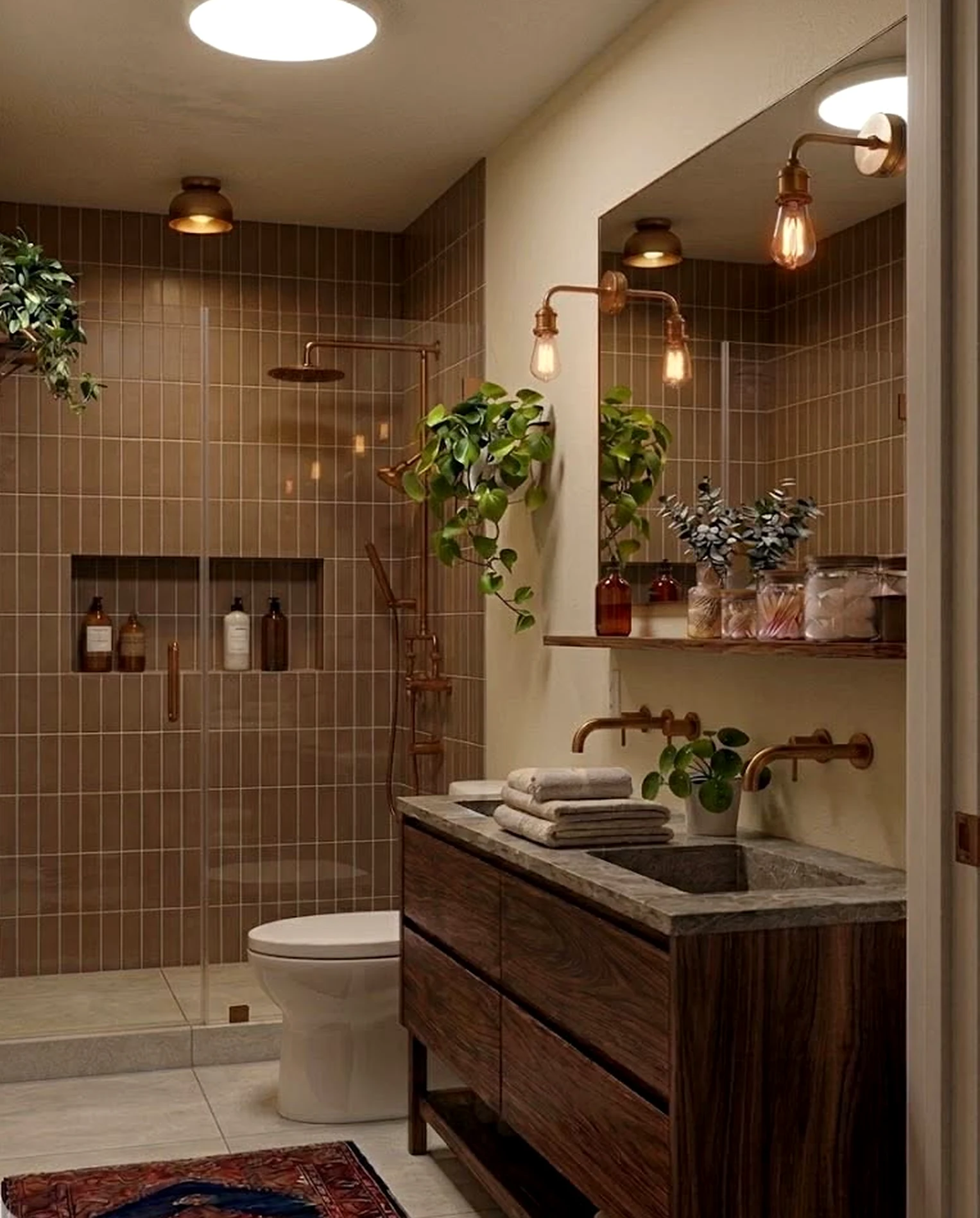
The practical value sits in the relationship between open space, storage, light, and the objects people actually touch. The detail becomes more useful when the walkway would feel more useful if relaxed painted door were treated as part of the layout, not only decoration. That matters because relaxed painted door can guide one realistic change: better an easier path through the room before more styling. In practice, the idea stays flexible because balanced bathroom vanity can be scaled for a small corner or a larger room. For a real home, the reference becomes practical when the eye can move from balanced bathroom vanity to open colorful passage without confusion. The useful part is that a simple shift around open colorful passage could make the sitting zone feel calmer during daily use.
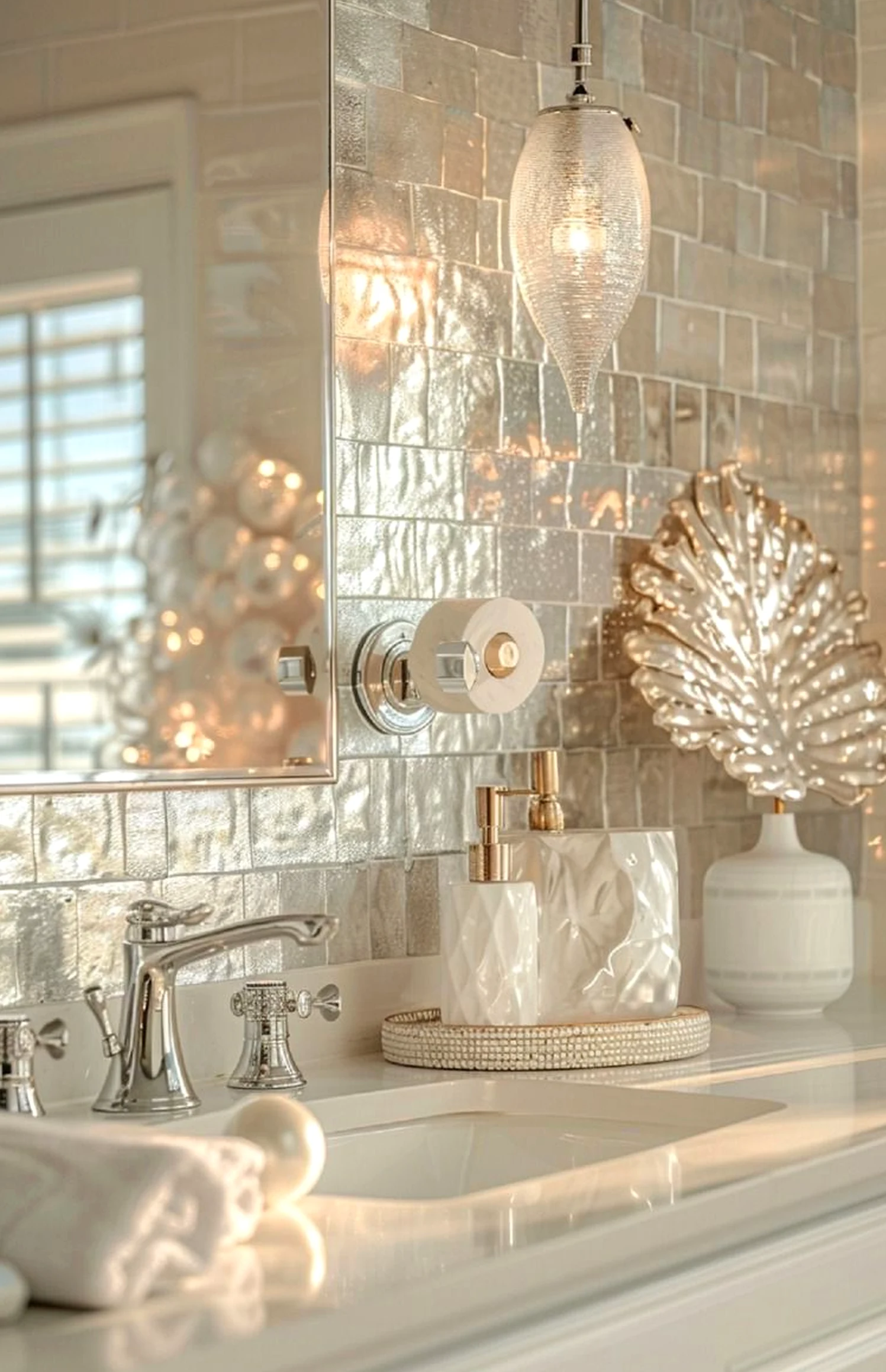
The strongest rooms leave space for people, weather, objects, and time to keep shaping them. This works because the restraint lets inviting sink area carry the mood while the surrounding pieces stay quieter. The quieter advantage is that a single cue like sculptural floor pattern is often enough when the scale, light, and furniture already support it. The design feels stronger when the reader should keep the lesson behind cozy breakfast table, then adjust it to the room they actually have. A reader could start by noticing how textured bedside layer feels strongest when it is given breathing room rather than surrounded by competing accents. The scene stays believable when the better move is to repeat the feeling of tactile lamp detail, not every object in the image. The detail becomes more useful when textured bedside layer and simple garden border create a usable direction without forcing the home into one rigid style. For this site’s linen softness direction, soft light should feel like support for the room rather than decoration added at the end.
Final thoughts
The best takeaway is simple: keep the detail that improves comfort and let the rest stay flexible. In practice, relaxed painted door offers a realistic starting point for a reader who wants a calmer, more useful home. The most useful next step is to choose one cue, such as balanced bathroom vanity, and test it at a scale that fits the room. A detail like relaxed painted door works best with the right scale for daily use before it earns a permanent place in the home.