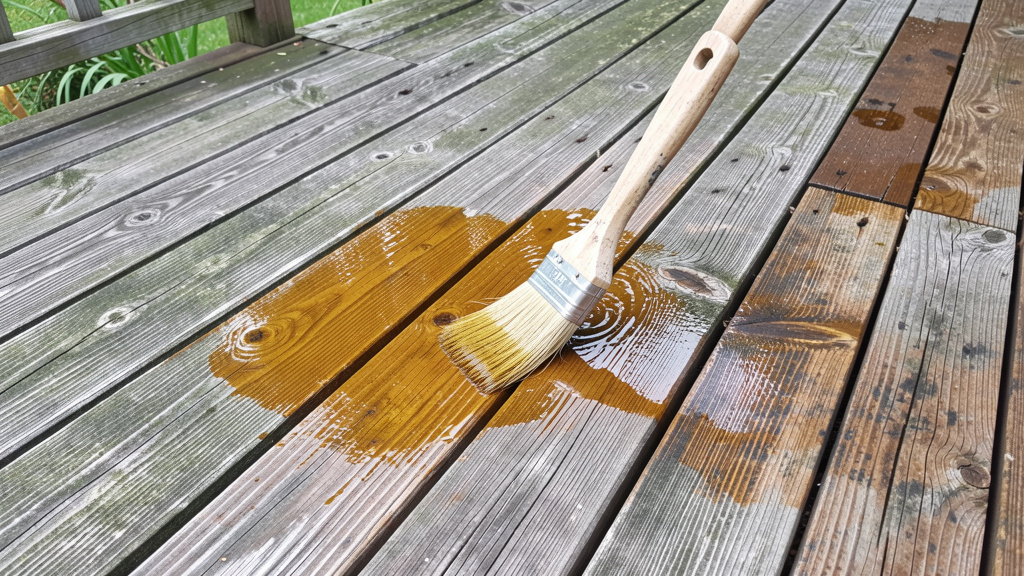
Stop guessing and start preserving. Discover exactly what wood, metal, stone, fabric, and more need to thrive for decades—not just survive.
Every material surrounding you communicates through subtle cues. That weathered deck isn’t merely aging—it reflects cumulative exposure without replenishment. The faint rust on your garden gate signals an ongoing chemical process between metal, moisture, and oxygen. This guide decodes precise maintenance requirements across foundational home and landscape materials. Moving beyond fragmented tips, we present a unified preservation framework grounded in material science and conservation principles. You’ll learn what to do for each surface, why it matters, when timing is critical, and how to adapt protocols to your climate, usage patterns, and aesthetic goals. This resource empowers intentional stewardship of the spaces you inhabit.
Introduction: Why “Set and Forget” Undermines Long-Term Value
Visit any well-preserved historic property—where century-old floorboards retain their warmth, hand-forged iron operates smoothly, and original surfaces remain intact. The secret lies not in mythical craftsmanship alone, but in consistent, informed maintenance aligned with material behavior. Modern materials follow the same physical and chemical principles as historic ones: wood responds to humidity, metal interacts with moisture, stone reacts to acids. The difference between a surface lasting 15 years versus 50 hinges on understanding each material’s needs and responding thoughtfully.
Consider lifecycle implications. A wooden garden chair neglected for several seasons may require significant restoration effort and expense, whereas routine seasonal care preserves its integrity with minimal time investment. Similarly, acidic exposure on sensitive stone surfaces can lead to irreversible etching requiring professional intervention. These scenarios reflect well-documented patterns in building science. Drawing from established conservation protocols and material research, this guide transforms maintenance from obligation into strategic practice. You’re not merely cleaning—you’re engaging in active stewardship that prevents premature replacement, reduces resource consumption, and deepens connection to your environment. Before exploring specific materials, let’s establish the universal framework making all maintenance intentional and effective.
The Preservation Cycle: Your Four-Step Framework for Any Material
Imagine maintenance not as scattered tasks, but as a continuous, intelligent cycle. The Preservation Cycle—Assess, Clean, Protect, Monitor—provides a repeatable mental model applicable to any surface, from silk textiles to copper roofing. This approach mirrors cyclic protocols used in professional conservation, adapted for residential practicality. Master this cycle, and you’ll confidently care for materials beyond this guide’s scope. Let’s explore each phase with actionable depth.
Phase 1: Assess – The Diagnostic Foundation (Never Skip This)
Assessment is the most overlooked yet critical phase. Applying treatment to a misunderstood condition often accelerates damage. Think of it as diagnosis before intervention. Spend 5–10 minutes observing before touching any tool or product.
How to Assess Thoughtfully:
– Lighting Matters: Examine surfaces in natural daylight. Harsh overhead lights hide subtle cracks; dim light masks discoloration. For interiors, use a bright LED flashlight held parallel to the surface (raking light) to reveal texture changes, warping, or micro-cracks invisible under normal light.
– The Five Senses Scan:
– Sight: Note color shifts (fading, yellowing, dark spots), texture changes (roughness, pitting, bubbling), structural issues (warping, cracks, loose joints).
– Touch: Feel for stickiness (resin bleed in wood), grit (embedded dirt), temperature variations (potential moisture), or soft spots (early decay).
– Smell: Musty odors near wood or drywall may indicate moisture concerns. Unusual metallic smells near fixtures warrant attention.
– Sound: Tap stone or tile gently. A hollow sound versus solid tone may indicate separation beneath the surface.
– Context: When did the change appear? After seasonal shifts? Weather events? New products? Correlate observations with environmental factors.
– Document Baselines: Take dated photos of high-value or vulnerable surfaces (entry doors, outdoor furniture, countertops). Store them digitally. Comparing images yearly reveals slow changes invisible to daily observation.
Why This Phase Matters:
Applying oil to moisture-compromised wood traps humidity. Using acidic cleaners on etched stone worsens damage. Assessment prevents these errors. Conservation research indicates misdiagnosis is a frequent contributor to premature material deterioration. Assessment shifts your role from reactive cleaner to proactive guardian.
Phase 2: Clean – Precision Removal, Not Aggressive Scrubbing
Cleaning targets specific contaminants triggering degradation—without introducing new harm. The guiding principle: Match cleaning method aggressiveness to contaminant tenacity, not perceived dirtiness.
Contaminant-to-Method Guidance:
| Contaminant Type | Examples | Recommended Approach | Tools/Products to Avoid |
|———————–|———————————–|——————————————————-|—————————————|
| Loose Particulates | Dust, pollen, dry soil | Dry microfiber cloth, soft brush, low-suction vacuum | Wet cloths (grinds grit), stiff brushes |
| Water-Soluble | Mud, sugar spills, light grime | Damp microfiber + distilled water, pH-neutral cleaner | Vinegar on stone, ammonia on wood finishes |
| Oil/Grease | Cooking splatter, hand oils | Mild degreaser (dish soap), isopropyl alcohol (test first) | Harsh solvents on finished surfaces |
| Biological | Mold, mildew, algae, tannin stains | Oxygen bleach (sodium percarbonate), dedicated removers | Chlorine bleach on grout (may etch) |
| Mineral Deposits | Hard water spots, rust stains | Citric acid solution, specialized removers | Steel wool on glass, abrasive pads |
| Adherent Films | Wax buildup, polish residue | Solvent-specific stripper (mineral spirits for wax) | Sanding (removes material) |
Critical Nuances:
– Water Temperature: Warm water lifts oils effectively; cold water may set protein-based stains. Lukewarm is generally safest.
– Cloth Technique: Fold microfiber cloths, using a clean section per pass. Wipe with wood grain. Avoid circular motions on polished surfaces to prevent visible swirls.
– Dwell Time: Allow cleaners to work briefly (typically 30–90 seconds). Extended contact risks chemical penetration.
– Rinse Imperative: Cleaner residue attracts dirt. Always follow with clean water rinse and immediate drying. For vertical surfaces, use a squeegee with overlapping strokes from the top.
Practical Example:
Cleaning algae from composite decking:
❌ Avoid: High-pressure washing. This forces water into seams and damages surface layers.
✅ Recommended: Mix oxygen bleach powder per product instructions. Apply with pump sprayer. Wait until algae lightens (typically 10–20 minutes). Gently scrub with board grain using soft nylon brush. Rinse thoroughly with garden hose at low pressure. Allow full drying before use. Result: Contaminant removed, surface integrity preserved.
Phase 3: Protect – Creating Intelligent Barriers
Protection means selecting barriers addressing specific threats your material faces in its specific location. A deck in a humid region faces different challenges than one in an arid climate. Effective protection balances breathability where moisture exists, UV resistance where sun exposure occurs, and flexibility where movement happens.
Threat-Based Protection Considerations:
– UV Radiation (Sun Exposure): Causes fading, surface degradation.
Options: UV-inhibiting finishes (spar urethane for exterior wood), ceramic coatings for metal, UV-filtering window film for interiors. Reapplication timing depends on product specifications and exposure intensity.
– Moisture Intrusion (Rain, Humidity, Spills): Causes swelling, mold, efflorescence.
Options: Penetrating sealers (silane/siloxane for masonry), breathable oils (tung oil for exterior wood), moisture barriers behind tiles. Critical: Sealers should allow vapor transmission (“breathability”) where needed. Non-breathable sealers on porous materials like brick may contribute to surface damage over time.
– Abrasion & Wear (Foot Traffic, Use): Causes scratches, thinning.
Options: Hard-wax oils for high-traffic wood floors, sacrificial coatings (paste wax on furniture), textured non-slip coatings for steps.
– Chemical Exposure (Spills, Cleaners): Causes etching, discoloration.
Options: Impregnating sealers for stone (creates subsurface barrier), chemical-resistant topcoats (epoxy for garage floors), prompt spill response.
– Biological Threats (Mold, Insects, Algae): Causes staining, degradation.
Options: Borate treatments for wood (insect/fungal resistance), mildewcides in exterior coatings, copper strips on roofs (algae management).
Application Essentials:
– Surface Preparation is Crucial: Protection fails on dirty or damp surfaces. Ensure surfaces are clean, completely dry (allowing adequate drying time after cleaning or rain), and within the product’s specified temperature range.
– Thin Coats Perform Better: Multiple thin layers cure more evenly, resist peeling, and maintain material texture. Thick applications may pool, dry unevenly, or crack.
– Direction Matters: Apply with wood grain. Use overlapping strokes on flat surfaces. For vertical surfaces, work top-to-bottom to manage drips.
– Cure Time ≠ Dry Time: “Dry to touch” differs from “fully cured” (which may take days or weeks). Avoid placing objects, walking on, or exposing to moisture during full cure. Humidity and temperature affect cure time—always consult product guidelines.
Phase 4: Monitor – Closing the Loop for Continuous Care
Monitoring transforms maintenance from isolated events into sustainable habits. It enables catching small issues before they escalate. This phase leverages documentation begun during Assessment.
Practical Monitoring Systems:
– Seasonal Checkpoints: Align with existing routines.
Spring: Post-winter inspection of exterior surfaces (deck, siding, railings).
Fall: Pre-winter check of windows, doors, outdoor furniture storage.
After Significant Weather: Inspect roofs, gutters, drainage around foundations.
– Tactile Check Reminders: For high-value items (leather sofa, wood table), set quarterly reminders: “Touch Test.” Run fingers over the surface. Does it feel dry? Sticky? Rough? Tactile checks often reveal needs before visual cues appear.
– Moisture Awareness: For wood surfaces in variable climates, understanding typical moisture behavior is helpful. Significant, persistent deviations from expected conditions may warrant investigation. Simple hygrometers monitor indoor humidity—ideal ranges generally fall between 35–55% for interior comfort and material stability.
– Photographic Progression: Revisit baseline photos annually. Side-by-side comparison reveals subtle changes—a slight warp, uneven fading. This informs when protection may need renewal.
The Fundamental Principle: Maintenance is not an interruption of living—it is the intentional practice that preserves the very surfaces enabling your comfort, safety, and joy. The Preservation Cycle transforms reactive concern into proactive partnership with your home.
Material-Specific Protocols: Decoding the Language of Surfaces
Now, let’s apply the Preservation Cycle to materials you interact with daily. Each section details unique vulnerabilities, maintenance protocols, timing considerations, and common pitfalls. Bookmark this section—you’ll return to it for years.
Wood: The Responsive Material That Moves With Environment
Wood dynamically responds to humidity and temperature. Understanding this movement is key to longevity. Its cellular structure absorbs and releases moisture, causing expansion and contraction. UV exposure gradually alters surface chemistry.
Why Wood Deteriorates Prematurely:
Repeated moisture cycling (swelling when wet, shrinking when dry) stresses joints and finishes. UV radiation breaks down surface compounds, leading to graying and fiber degradation. Addressing these dynamics prevents irreversible damage.
Interior Wood (Floors, Furniture, Cabinets):
– Assess: Check for cupping (edges higher than center), crowning (center higher), scratches, finish wear (especially high-touch areas), white rings (heat/moisture under finish).
– Clean:
Daily: Dry microfiber cloth or mop.
Weekly: Damp microfiber with pH-neutral wood cleaner (mild dish soap diluted in water). Wring cloth thoroughly. Wipe with grain.
Spills: Blot immediately with absorbent cloth.
Avoid: Steam mops (force moisture into seams), vinegar-based cleaners (may affect finishes over time), wax-based cleaners on pre-finished floors (can build residue).
– Protect:
Oiled Finishes: Re-oil when surface feels dry or water no longer beads slightly. Apply thin coat, wait briefly, buff excess. Cure time varies—follow product guidance. Frequency depends on use and environment.
Varnished/Lacquered Finishes: Routine oiling isn’t needed. Paste wax (beeswax/carnauba) applied sparingly every 1–2 years may enhance scratch resistance and luster.
Critical Tip: Felt pads under furniture legs reduce scratches. Replace pads periodically as they compress. Area rugs in high-traffic zones help, but ensure backing is non-slip and breathable.
– Monitor: Indoor humidity significantly impacts wood. Consistently very low humidity (<30%) may contribute to cracking; persistently high humidity (>60%) may encourage mold or swelling. Seasonal checks under rugs and in corners help catch issues early.
Exterior Wood (Decks, Siding, Fences, Furniture):
– Assess: Probe for soft spots (potential decay). Check for mildew (dark spots), algae (green film), graying (UV exposure), loose boards, fastener condition. Inspect undersides where accessible.
– Clean (Typically Annual, Spring):
Step 1: Remove debris.
Step 2: Apply oxygen bleach solution per instructions. Wait until contaminants lighten (do not let dry).
Step 3: Gently scrub with grain using soft nylon brush.
Step 4: Rinse thoroughly with garden hose at low pressure.
Step 5: Allow full drying (typically 48–72 hours) before proceeding.
Avoid: High-pressure washing close to the surface. If used, maintain wide nozzle angle, low pressure, and spray with grain from a distance.
– Protect (After Cleaning & Full Drying):
Transparent/Semi-Transparent Stains: Penetrate wood, highlight grain. Reapplication frequency varies by product, wood type, and exposure. Choose formulas with UV inhibitors and mildewcides where relevant.
Solid Color Stains: Form a surface film, hide grain. May last longer on heavily weathered wood.
Oil Finishes: Enhance natural appearance but typically require more frequent renewal. Best suited for furniture rather than large structures.
Application: Stir stain gently. Apply board-by-board, maintaining a wet edge to avoid lap marks. Thin coats outperform thick ones. Ideal conditions: moderate temperatures, low humidity, no rain forecast.
– Climate Considerations:
Humid Climates: Prioritize mildew-resistant formulations. Ensure adequate airflow beneath decks.
Arid Climates: UV protection is paramount. Monitor for drying/cracking.
Coastal Areas: Salt accelerates degradation. Rinse surfaces periodically with fresh water. Consider decay-resistant wood species or composites for new installations. Stainless steel fasteners resist corrosion.
– Addressing Changes:
Light Graying: Cleaning followed by UV-protective treatment often restores appearance.
Deep Graying/Cracking: Light sanding may be needed before treatment. Severely compromised boards may require replacement.
Biological Growth: Oxygen bleach treatment usually resolves surface growth. Persistent issues may indicate underlying moisture concerns needing investigation.
Wrought Iron, Steel, and Cast Iron: Managing Oxidation
Iron naturally reacts with oxygen and moisture. Maintenance focuses on maintaining an unbroken barrier between metal and environmental elements. Salt exposure (coastal air, road spray) significantly accelerates corrosion. Galvanic corrosion can occur when dissimilar metals contact without isolation.
Assessment Protocol:
– Inspect in dry conditions. Moisture can mask early corrosion.
– Run fingers lightly over the surface. Roughness may indicate early rust.
– Focus on joints, welds, crevices, and undersides—areas where moisture collects.
– Look for bubbling paint (moisture trapped beneath) or white powder (zinc corrosion on galvanized steel).
– Tap gently: Unusual sounds may indicate hidden corrosion.
Cleaning: Removing Corrosion Thoughtfully
– Light Surface Rust:
Tools: Fine steel wool (0000 grade), rust converter (phosphoric acid-based), or rust-removing pen.
Method: Rub gently with metal grain. Wipe residue. Apply rust converter per instructions to stabilize remaining corrosion. Wipe clean. Avoid aggressive abrasives that remove protective layers.
– Moderate Rust (Visible Pitting):
Tools: Wire brush (brass for softer metals), fine sandpaper.
Method: Remove loose corrosion. For pitted areas, rust converter may stabilize residual corrosion. Smooth edges gently. Critical: Remove active corrosion down to clean metal before protection. Residual corrosion will spread beneath new coatings.
– Significant Corrosion or Structural Concerns:
Consult a metal restoration professional. DIY attempts on load-bearing elements (railings, structural brackets) risk safety. If metal feels thin or crumbles, replacement is often the responsible choice.
Protection: Layered Defense
1. Primer is Essential: Bare metal should receive rust-inhibiting primer promptly after cleaning (before “flash rust” forms).
– Rust-Inhibiting Primer: Contains corrosion inhibitors.
– Galvanized Metal: Requires “self-etching” primer formulated for galvanized surfaces.
– Application: Thin, even coat covering all edges and crevices. Cure per product instructions.
2. Topcoat Selection:
– Exterior: Quality acrylic latex or oil-based enamel with UV resistance. Two coats typically recommended.
– High-Wear Areas: A clear polyurethane topcoat may add abrasion resistance.
– Decorative Pieces: Powder coating (professional application) offers extended durability.
3. Special Cases:
– Cast Iron: After priming/topcoating, a light application of automotive paste wax annually may provide additional hydrophobic protection. Buff lightly.
– Coastal Environments: Marine-grade primers and topcoats are formulated for harsh conditions. Rinse with fresh water after salt exposure. Inspect more frequently.
– Moving Parts (Hinges, Latches): Lubricate annually with dry lubricant (PTFE/Teflon spray). Wipe excess. Avoid products that attract dust.
Maintenance Cadence:
– Monthly: Wipe with dry cloth. Check for new scratches.
– Seasonally: Inspect for corrosion spots, especially after wet weather. Touch up scratches promptly with matching paint.
– Annually: Full inspection. Clean gently with mild soap/water. Reapply wax to cast iron. Lubricate moving parts.
– Every Few Years: Light surface preparation and recoating of high-exposure areas may extend life significantly.
Critical Consideration:
Painting over active rust without proper preparation typically fails. Rust converters stabilize corrosion but don’t restore metal thickness. For structural integrity, thorough removal of corrosion is necessary before recoating. Painting over active rust traps moisture, accelerating failure beneath the coating.
Aluminum, Copper, and Brass: Non-Ferrous Metals With Unique Needs
These metals resist rust but face oxidation, galvanic corrosion, and surface staining. Aluminum forms a protective oxide layer. Copper and brass develop patina over time—a protective layer valued aesthetically by many.
Aluminum (Window Frames, Siding, Furniture):
– Natural Behavior: Develops a dull, protective oxide layer. This is normal and protective.
– Cleaning: Mild soap and water. For chalkiness, aluminum brighteners (citric acid-based) may be used sparingly with thorough rinsing.
– Protection: Anodized aluminum has a sealed surface requiring no coating. Painted aluminum needs scratch touch-ups. Critical: Avoid steel wool or abrasive pads—they can embed particles that rust on the aluminum surface.
– Galvanic Alert: When attaching aluminum to other metals, use dielectric grease or non-conductive isolation washers to prevent galvanic corrosion.
– Coastal Tip: Rinse periodically with fresh water to remove salt deposits.
Copper & Brass (Roofing, Gutters, Fixtures):
– Natural Behavior: Develops patina (verdigris) over years. This layer is protective. Many prefer this aged appearance.
– To Preserve Shine: Clean with lemon juice/salt paste or commercial brass cleaner. Rinse immediately. Apply clear lacquer to slow oxidation. Re-lacquering may be needed annually. Note: Lacquer can yellow or chip over time.
– To Encourage Patina: Clean with mild soap/water only. Avoid oils or waxes. Patina forms faster in humid or coastal environments.
– Critical Note: Avoid ammonia-based cleaners on brass—they may cause stress cracking.
– Gutter Specifics: Keep debris clear. Ensure downspouts direct water away from foundations. Patina runoff may stain light-colored surfaces below—copper strips at gutter edges can help minimize this.
Natural Stone: Honoring Geological Diversity
Granite, marble, limestone, travertine, slate—each possesses unique porosity, hardness, and chemical sensitivity. Uniform treatment guarantees damage. Acid sensitivity varies significantly.
Porosity and Sensitivity Considerations:
| Stone Type | General Porosity | Acid Sensitivity | Sealing Consideration | Key Vulnerability |
|—————–|——————|——————|————————|—————————-|
| Granite | Low to Moderate | Low | Periodic | Oil-based stains |
| Marble | Moderate | High | More Frequent | Etching (dull spots from acids) |
| Limestone | Moderate to High | High | More Frequent | Etching, scratching |
| Travertine | High | High | More Frequent | Filler displacement |
| Slate | Moderate | Low | Periodic | Flaking in freeze-thaw cycles |
Universal Stone Care Principles:
– Avoid Acids: Vinegar, lemon juice, CLR, toilet bowl cleaner. Acids etch calcite-based stones (marble, limestone, travertine), leaving permanent dull spots. Even “pH-neutral” cleaners should be verified as stone-safe.
– Blot Spills Immediately: Especially wine, coffee, juice, oil. Wiping spreads liquid. Blot with absorbent cloth.
– Use Coasters & Trivets: Heat transfer isn’t the primary concern; thermal shock and oil transfer are. Always use barriers.
– Cutting Boards Are Essential: Knives scratch even dense stone. Use wood or composite boards.
Cleaning Protocol:
– Daily: Dry microfiber dusting.
– Weekly: Damp microfiber with stone-specific cleaner or very mild soap solution. Rinse with clean water cloth. Dry immediately.
– Stains:
– Organic (coffee, wine): Poultice paste (baking soda + water). Apply thick layer, cover with plastic, wait several hours.
– Oil-Based: Specialized poultice powders designed for oil stains.
– Avoid: Bleach on stone—it may discolor marble or weaken bonds.
Sealing Guidance:
1. Test First: Sprinkle water on stone. If it beads and remains beaded for 10+ minutes, sealant is likely effective. If it darkens the stone quickly, resealing may be beneficial.
2. Preparation: Stone must be clean and completely dry.
3. Apply: Use impregnating sealer (penetrates pores). Apply liberally, wait briefly (per instructions), wipe off all excess—residue causes hazing.
4. Cure: Allow full cure time before exposure to moisture or use.
5. Frequency: Varies by stone type, location, and use. High-traffic kitchen areas may need attention more often than low-use bathroom vanities.
Material-Specific Notes:
– Marble Countertops: Light etching is part of its character for many owners. Minor etches may be addressed with marble polishing powder. Deep etches typically require professional honing. Honed (matte) finishes often hide etching better than polished.
– Travertine Floors: Filled holes may loosen. Keep spare filler. Sweep daily—grit causes scratches. Walk-off mats at entrances reduce abrasive tracking.
– Slate Roofs/Patios: Ensure proper drainage. Standing water contributes to surface flaking. Inspect mortar joints annually; repoint if cracked.
– Outdoor Stone: Clean biological growth with oxygen bleach solution. Pressure washing requires extreme caution—low pressure, wide nozzle, significant distance. Seal after cleaning in climates with freeze-thaw cycles to reduce water intrusion.
Concrete and Masonry: Strength Requires Respectful Care
Concrete composition, finish, age, and location dictate care. New concrete (<1 year) is chemically active. Older concrete becomes more porous.
Common Concerns:
– Spalling: Surface flakes due to water intrusion + freeze-thaw cycles. Often linked to improper sealers or deicing salts.
– Efflorescence: White, powdery deposits. Indicates moisture movement carrying dissolved salts. Usually cosmetic but signals moisture presence.
– Cracking: Hairline cracks are common. Wider cracks or those that grow may indicate settlement—consult a professional for assessment.
Cleaning Concrete:
– Interior Floors (Polished, Stained): Sweep daily. Damp mop with pH-neutral cleaner. Avoid acidic cleaners—they dull polish. Scuffs may lift with a tennis ball on a stick.
– Exterior (Driveways, Patios):
– Algae/Mold: Oxygen bleach solution. Apply, wait, gently scrub, rinse.
– Oil Stains: Absorb with cat litter first. Then use concrete cleaner or TSP substitute paste. Scrub, rinse.
– Efflorescence: Dry brush first. Persistent cases may require diluted acid solution with extreme caution—wear protective gear, test hidden area, rinse thoroughly, neutralize. Due to risks, many prefer professional help for acid cleaning.
– Pressure Washing: Use wide-angle nozzle. Maintain distance. Avoid on stamped/colored concrete or fragile old surfaces.
Sealing Concrete: Breathability Matters
– Penetrating Sealers (Silane/Siloxane): Ideal for exterior concrete. Repel water while allowing vapor transmission. Help prevent spalling and staining. Reapply per product guidance.
– Film-Forming Sealers (Acrylic, Epoxy): Create surface shine. Risk trapping moisture if misapplied. Best for interior or covered areas with minimal moisture exposure.
– Critical Prep: Clean thoroughly. Surface must be dry. Follow product instructions for temperature and application.
– Stamped/Colored Concrete: Requires sealers formulated for decorative concrete. Re-sealing maintains color and protection.
Mortar & Brick Care:
– Repointing: When mortar deteriorates significantly, repointing is needed. Remove old mortar to appropriate depth. Dampen cavity. Pack new mortar matching original type. Tool joint. Cure slowly (mist lightly for a few days).
– Cleaning Brick: Oxygen bleach for biological growth. Dry brushing for efflorescence. Avoid: High-pressure washing, acid washes on historic brick, sandblasting (removes protective surface layer).
– Sealing Brick: Generally not recommended by preservation experts. Brick needs to breathe. If in severe freeze-thaw exposure with soft brick, a breathable siloxane sealer may be considered after fixing all moisture sources. Professional consultation is wise for historic structures.
Brick and Terra Cotta: The Breathable Clay Legacy
Brick and terra cotta are porous ceramics. Their durability relies on breathability—allowing moisture to enter and exit as vapor. Trapping moisture inside causes significant damage, especially in cold climates.
Core Principle: Moisture management is key. The system must allow vapor to escape. Sealing improperly is often more damaging than leaving unsealed.
Cleaning: Gentle is Essential
– Routine: Soft brush and water.
– Biological Growth: Oxygen bleach solution. Apply, wait, rinse.
– Efflorescence: Dry stiff-bristle brush. Persistent cases may use a very diluted vinegar solution with immediate and thorough rinsing.
– Avoid: Acid washes on historic brick, high-pressure washing, sandblasting.
When Sealing Might Be Considered (Rarely):
– Only if:
(a) Severe freeze-thaw exposure exists and
(b) Brick is soft/deteriorating and
(c) All other moisture sources are resolved (roof leaks, drainage issues, interior humidity).
– Product: 100% breathable siloxane sealer (water-based).
– Application: Test extensively first. Apply lightly to brick face only, not mortar joints (joints must breathe more). Reassess periodically.
– Professional Guidance Recommended: Especially for historic homes or large areas.
Terra Cotta Specifics (Planters, Roof Tiles):
– Planters: Ensure drainage holes. Elevate with pot feet to prevent moisture wicking. In freezing climates, store empty planters indoors over winter—trapped moisture expands and cracks them.
– Roof Tiles: Inspect annually for cracks, displacement, or moss. Moss retains moisture—remove gently with soft brush. Avoid walking on terra cotta roofs; tiles are brittle. Hire professionals for repairs.
– Cleaning: Mild soap and water. For mineral deposits inside planters, diluted vinegar soak followed by thorough rinsing.
Glass and Mirrors: Beyond Streak-Free Shine
Improper care causes permanent damage: scratches, etching, mirror desilvering. Prevention is simpler than correction.
Cleaning for Clarity and Longevity:
– Tools: Squeegee (windows), microfiber cloths, distilled water (reduces mineral spots).
– Solution: Isopropyl alcohol + distilled water + drop of dish soap. Alcohol aids quick drying. Avoid ammonia-based cleaners on tinted windows or mirrors—they may degrade coatings over time.
– Technique:
1. Dry dust first to remove grit.
2. Spray solution onto cloth, not glass (prevents seepage into frames).
3. Wipe in S-pattern.
4. For windows: Squeegee with overlapping vertical strokes, wiping blade after each pass.
5. Buff dry with clean microfiber.
– Hard Water Spots: Soak cloth in white vinegar, lay on spot briefly. Wipe, then clean normally. For severe buildup, professional help is safest. Never use razor blades on tempered or coated glass.
Mirror-Specific Care:
– Never spray cleaner directly on mirror—liquid seeps behind glass, damaging the reflective layer. Spray cloth first.
– Edge Protection: Moisture at edges causes “desilvering” (dark edges). Ensure frames are sealed. In humid bathrooms, wipe mirror edges dry after use.
– Antique Mirrors: Consult a conservator. Cleaning may damage historic surfaces.
Preventive Measures:
– UV-filtering window film protects interiors from fading.
– Exhaust fans reduce condensation in kitchens/bathrooms.
– Rain-repellent treatments on exterior windows help water bead and carry dirt away. Reapply per product guidance.
Fabric and Upholstery (Indoor): Weaving Longevity Into Comfort
Fabric degradation occurs silently: UV fading, fiber abrasion, soil buildup. Maintenance preserves comfort, appearance, and indoor air quality.
Assessment Checklist:
– Check seams for fraying.
– Vacuum crevices for embedded dirt.
– Smell for mustiness (indicates moisture concern).
– Look for sun-faded patches.
– Test colorfastness: Dampen hidden area; blot with white cloth. If color transfers, professional cleaning is safest.
Cleaning Guidance by Fabric Type:
| Fabric Type | Vacuuming | Spot Cleaning | Professional Cleaning | Key Considerations |
|—————–|—————–|—————————————-|————————|—————————-|
| Cotton/Linen| Weekly | Mild soap/water; blot | Every 1–2 years | Water spots, shrinking |
| Wool | Weekly (low suction) | Wool-specific cleaner; avoid saturation | Every 1.5–2 years | Moth prevention, felting |
| Silk | Gentle brush only | Professional cleaning recommended | As needed | Water sensitivity |
| Synthetics | Weekly | Mild soap; rinse well | Every 2 years | Oil stains, pilling |
| Velvet/Corduroy | Brush with nap | Steam lightly; brush nap after drying | Every 2 years | Nap crushing |
Spot Cleaning Technique:
1. Blot (don’t rub) liquid spills immediately with white cloth.
2. For solids, gently lift off.
3. Mix mild dish soap + lukewarm water. Dip corner of white cloth, wring very dry.
4. Dab spot from outside edge inward.
5. Blot with clean damp cloth to rinse.
6. Blot dry. Use fan to accelerate drying.
7. Avoid: Colored cloths (dye transfer), harsh solvents, excessive water.
Protection Strategies:
– Fabric Protector: Apply after cleaning (test hidden area). Creates barrier against liquids and dry soil. Reapply after professional cleaning. Note: Not “stain-proof,” but provides time to blot spills.
– Rotation: Rotate cushions weekly. Flip reversible cushions. Prevents uneven wear and fading.
– Sun Management: Close blinds during peak sun (10 AM–4 PM). UV-filtering window film is highly effective.
– Barrier Layers: Use throws on sofas, tablecloths on dining tables. Washable barriers absorb wear.
– Pest Prevention: Cedar blocks in storage (not touching fabric). Vacuum under furniture regularly.
Leather Upholstery Considerations:
– Types Matter:
– Aniline (Full-Grain): Most natural, porous. Shows scratches; requires frequent conditioning.
– Semi-Aniline: Light protective coating. More stain-resistant.
– Protected (Pigmented): Heavy coating. Most durable, easiest care.
– Cleaning: Damp microfiber cloth regularly. Blot spills immediately. Monthly: pH-balanced leather cleaner.
– Conditioning: Every 6–12 months. Use leather conditioner formulated for your type (test first). Apply thin layer, buff after absorption. Prevents drying and cracking.
– Sun & Heat: Keep away from direct sun and heating vents. Causes fading and drying.
– Scratches: On protected leather, gentle rubbing may blend light scratches. Aniline leather develops patina—scratches become part of its character.
– Avoid: Silicone polishes (build residue), household cleaners, baby wipes (alcohol content dries leather).
Outdoor Fabrics: Engineered for Elements, Not Invincible
Solution-dyed acrylic fabrics (Sunbrella®, Outdura®) offer UV and mildew resistance, but “weather-resistant” isn’t “maintenance-free.” Dirt trapped in fibers feeds mildew growth. Prompt cleaning of residues (pollen, sap) prevents staining and degradation.
Why Outdoor Fabrics Deteriorate Early:
– Mildew: Grows on dirt, not the fabric itself. Regular cleaning prevents food source.
– Fading: Accelerated by UV exposure combined with chemical residues. Clean promptly.
– Weakening: Caused by abrasion from improper storage (folding when damp), harsh cleaning.
Cleaning Protocol (Clean While Dry When Possible):
1. Brush Off Dry Debris: Soft brush removes pollen, dust.
2. Spot Clean: Mild soap (Woolite) + lukewarm water. Dip soft brush, scrub gently. Rinse thoroughly.
3. Deep Clean (Annually or as needed):
– Remove cushions/covers.
– Mix solution.
– Scrub entire surface gently.
– Rinse extremely thoroughly until water runs clear. Residue attracts dirt.
– Air dry completely before storing or using. Never machine dry.
4. Stubborn Mildew: Add oxygen bleach to cleaning solution per instructions. Avoid chlorine bleach—it degrades fibers and may void warranties.
5. Avoid: Machine washing (agitates fibers), harsh brushes, solvents, pressure washing.
Storage for Longevity:
– Ideal: Store clean, bone-dry cushions in ventilated storage (canvas/mesh bags).
– Avoid: Airtight plastic bins (traps moisture), damp storage areas.
– Winterizing: In snowy climates, store furniture and cushions indoors. Snow load stresses frames; moisture seeps into seams.
– Tip: Silica gel packs inside storage bags absorb ambient moisture.
Fabric Protector Reapplication:
– Annual reapplication of fabric protector (e.g., 303 Fabric Guard) benefits even solution-dyed acrylics.
– Apply to clean, dry fabric in well-ventilated area. Light, even coat. Allow full cure time before exposure.
– Restores water repellency and soil resistance.
Plastic, Vinyl, and Composite Materials: Modern Materials, Smart Care
PVC decking, vinyl siding, composite fencing, plastic furniture—these promise reduced maintenance but still require intelligent care.
Composite Decking (Trex®, Fiberon®, etc.):
– Reality: Requires cleaning. Dirt, pollen, and organic matter cause staining and biological growth.
– Cleaning:
– Routine: Sweep weekly. Hose down monthly.
– Biological Growth: Oxygen bleach solution. Apply, wait, scrub gently with soft nylon brush with grain, rinse.
– Tannin Stains (from leaves): Same oxygen bleach method.
– Avoid: High-pressure washing, chlorine bleach, abrasive cleaners, sanding.
– Protection: Most modern composites have capped surfaces with built-in UV/mold protection. No sealing needed. Use grill mats under cooking appliances.
– Scratches: Light scratches often fade with weathering. Deep scratches may require board replacement. Use furniture pads with non-staining rubber (test first).
– Critical: Ensure proper gapping between boards per manufacturer specs. Clean gaps annually to prevent debris buildup and moisture retention.
Vinyl Siding:
– Cleaning: Oxygen bleach solution + soft brush. Rinse from bottom to top to prevent streaking. Clean every 1–2 years.
– Biological Growth: Same solution. Improve airflow by trimming back foliage.
– Avoid: Pressure washing upward (forces water behind siding), harsh solvents, abrasive pads.
– Chalking: Light powder is normal UV degradation of top layer. Cleaning removes it. Heavy chalking may indicate end of service life.
– Impact Damage: Dents from hail/ladders typically require panel replacement.
Plastic & Resin Furniture:
– Cleaning: Mild soap/water. Baking soda paste for stubborn grime. Rinse thoroughly.
– UV Protection: Even UV-stabilized plastics fade over time. Store indoors or under cover during off-season. Automotive plastic protectant (303 Aerospace) may restore color and add UV barrier annually.
– Cracking: Caused by extreme cold combined with impact. Store in protected area during winter in cold climates.
– Staining: Avoid placing dark plastics on light surfaces in heat—they may transfer dye. Use coasters.
PVC Trim & Molding:
– Cleaning: Same as vinyl siding.
– Expansion: PVC expands in heat. Proper installation includes allowance for movement.
– Painting: Only use paints specifically formulated for PVC. Standard paints may peel. Clean thoroughly, lightly abrade, use PVC primer.
Painted Surfaces: Preserving the Protective Layer
Paint is a sacrificial layer protecting the substrate. Maintenance extends its life and prevents underlying damage.
Assessment: Reading the Signs
– Chalking: White powder on surface. Normal for exterior paint; indicates UV degradation. Light chalking is manageable; heavy chalking suggests repainting may be near.
– Peeling/Flaking: Caused by moisture intrusion, poor surface prep, or incompatible layers.
– Blistering: Bubbles indicate moisture trapped beneath paint or painting over contaminants.
– Mildew: Black/green spots. Requires cleaning before repainting.
– Fading: UV exposure. South/west-facing walls fade fastest.
Cleaning Painted Surfaces:
– Interior Walls: Melamine foam sponges (“Magic Eraser”) for scuffs—test first; may affect sheen. For larger areas, mild soap/water with sponge. Rinse with clean water sponge.
– Exterior Siding: Oxygen bleach solution for mildew. Soft brush. Rinse thoroughly. Clean 1–2 years before repainting to ensure adhesion.
– Avoid: Harsh abrasives on walls, chlorine bleach on wood siding.
Touch-Up Protocol:
– Match Paint: Keep labeled leftover paint stored properly.
– Surface Prep: Sand rough edges of chip. Wipe clean.
– Application: Small artist brush. Feather edges outward. Thin coats. Note: Touch-ups blend better on flat paints than gloss. For large areas, repainting the entire wall/section often yields better results.
– When to Repaint: When significant substrate shows, heavy chalking persists after cleaning, or widespread peeling occurs.
Preventive Care:
– Trim Vegetation: Keep plants 1+ foot from siding. Improves airflow, reduces moisture and pest access.
– Gutters: Clean regularly. Overflowing gutters splash dirt and moisture onto walls.
– Caulking: Inspect window/door trim caulking annually. Re-caulk cracks to prevent water intrusion behind paint. Use paintable silicone or acrylic latex caulk.
When Maintenance Isn’t Enough: The Repair vs. Replace Decision Framework
Even diligent maintenance has limits. Materials reach end-of-life. This objective framework helps navigate decisions wisely.
Step 1: Assess Structural and Safety Impact
– Critical Question: “Does this component affect safety, weatherproofing, or structural integrity?”
– Yes (Railings, Deck Joists, Roofing, Foundation): If compromised, replacement or professional repair is essential. Safety is non-negotiable.
– No (Primarily Cosmetic): Proceed to Step 2.
Step 2: Evaluate the Repair-to-Replace Ratio
– Estimate repair cost (materials + realistic labor value).
– Compare to replacement cost.
– If repair approaches or exceeds replacement cost: Replacement is often more economical long-term.
– Exception: Historic significance, sentimental value, or custom fabrication costs may justify repair.
Step 3: Consider Remaining Service Life
– Repair: Will it provide several years of reliable service under normal use?
– Replace: Does new material offer significantly extended life, improved efficiency, or better compatibility with surrounding systems?
Step 4: Assess System Integration
– Will the repair blend seamlessly? Patching one section of old siding may look mismatched. Replacing an entire wall section often yields better aesthetics and performance than piecemeal repairs.
Illustrative Scenarios:
– Scenario: Several deck boards severely deteriorated; rest are sound.
Analysis: Structural integrity compromised (safety risk). Repair cost (board replacement, joist inspection) is moderate. Remaining deck has useful life.
Decision: Professionally repair the damaged section.
– Scenario: Vinyl siding faded unevenly; multiple panels cracked.
Analysis: Cosmetic issue. Repair cost (color matching, panel replacement) approaches re-siding cost. New siding offers improved aesthetics and warranty.
Decision: Replace the affected elevation for uniformity and long-term value.
– Scenario: Single-pane window with failed seal (fog between panes).
Analysis: Cosmetic and energy efficiency impact. Repair (replace insulated glass unit) is cost-effective. Frame is sound.
Decision: Repair the glass unit.
– Scenario: Aging asphalt shingle roof with widespread curling and granule loss.
Analysis: Critical weatherproofing component. Patch repairs are temporary. Remaining service life is minimal.
Decision: Replace the roof system.
When to Consult Professionals:
– Structural concerns (beams, foundations, load-bearing elements)
– Electrical, plumbing, or gas line involvement
– Suspected hazardous materials (asbestos, lead paint in pre-1978 homes)
– Roof work beyond minor shingle replacement
– Historic preservation requirements
– Repeated DIY attempts failing to resolve the issue
Your Questions, Answered
Q: How often should I seal my deck? Advice varies widely.
A: Frequency depends on wood type, climate, finish product, and exposure. Softwoods in sunny, wet climates typically need attention more often than dense hardwoods or composites in sheltered areas. Instead of a calendar schedule, perform the water test: sprinkle water on the deck. If it beads and remains beaded for 10+ minutes, protection is likely effective. If it soaks in and darkens the wood quickly, resealing is advisable. Always follow the specific product manufacturer’s guidance.
Q: Can I use vinegar to clean my natural stone countertops?
A: Avoid vinegar and other acidic cleaners (lemon juice, CLR) on marble, limestone, travertine, or onyx. These stones contain calcite, which acids etch (chemically alter), leaving permanent dull spots. Even diluted vinegar poses risk. Granite is more acid-resistant but vinegar isn’t recommended long-term as it may affect sealants. Always use pH-neutral, stone-specific cleaners. When uncertain, test any cleaner on a hidden area first.
Q: My wrought iron gate has small rust spots. Can I paint over them?
A: Painting over active rust usually fails. Rust is porous and will continue spreading underneath the paint, causing blistering and peeling. Proper repair requires: 1) Removing all rust down to clean metal using fine abrasives, 2) Applying rust-inhibiting primer promptly (to prevent flash rust), 3) Applying a quality topcoat. For minor spots, a rust-converting primer may stabilize corrosion, but physical removal provides the most durable result. Address scratches immediately to prevent recurrence.
Q: How do I know if my stone countertop needs sealing?
A: Perform a simple water test: Place a few drops of water on the surface and wait 10–15 minutes. If the water darkens the stone significantly (like a wet paper spot), resealing is beneficial. If the water beads and the stone underneath remains light-colored, the sealant is likely still effective. High-use areas like kitchen counters may need attention more frequently than low-use bathroom vanities. Always use an impregnating sealer designed for your specific stone type.
Q: Is pressure washing safe for my house siding?
A: Safety depends on siding material, technique, and equipment. For vinyl or fiber cement, pressure washing can be safe if done correctly: use a wide-angle nozzle (25–40 degrees), maintain 12+ inches distance, and spray downward (never upward, which forces water behind siding). For wood siding, use low pressure and extreme caution—high pressure can gouge wood and force water into seams. For brick or stucco, pressure washing may erode mortar or surface texture. When uncertain, start with the lowest pressure setting and test inconspicuously. Often, a soft wash (detergent application followed by low-pressure rinse) is safer and equally effective.
Q: My leather sofa is drying out and developing small cracks. Can I save it?
A: Light surface cracks (crazing) on aniline or semi-aniline leather are often part of its natural patina. Deep cracks indicate significant dehydration. First, clean gently with a pH-balanced leather cleaner. Then, apply a high-quality leather conditioner formulated for your leather type (test hidden area first). Apply sparingly, allow absorption, buff lightly. Repeat every 6–12 months. For deep cracks or valuable pieces, consult a leather restoration professional. Prevention is key: keep leather away from direct sun and heat sources, and condition proactively before cracks appear.
Q: Do I need to maintain composite decking? I was told it’s maintenance-free.
A: “Maintenance-free” is inaccurate. Composite decking requires less maintenance than wood (no sanding, staining), but regular care prevents staining, biological growth, and surface degradation. Sweep debris weekly. Clean annually with oxygen bleach solution and soft brush to remove mildew and tannin stains. Rinse thoroughly. Avoid placing hot objects directly on the surface. Check manufacturer guidelines—some capped composites have specific cleaning requirements. Neglecting cleaning can lead to permanent discoloration and may affect warranty coverage.
Q: How can I remove hard water spots from glass shower doors without scratching?
A: Hard water spots (mineral deposits) respond to mild acids. Soak a cloth in white vinegar and lay it on the spots for 5–10 minutes. Wipe clean with a non-abrasive sponge. For stubborn spots, a baking soda and water paste applied gently with a soft cloth may help, followed by thorough rinsing. For severe buildup, use a commercial lime/rust remover explicitly labeled safe for glass (test inconspicuously first). Never use steel wool, abrasive pads, or razor blades on coated or tempered glass. Prevention: squeegee doors after each shower and apply a rain-repellent coating to glass—water beads and rolls off, carrying minerals with it.
Q: My outdoor cushions got rained on. Should I bring them inside to dry or leave them out?
A: Bring them inside immediately to a well-ventilated, shaded area. Leaving wet cushions in direct sun can bake moisture deeper into the foam core and cause fabric fading. Stand cushions on edge to allow air circulation on all sides. Use fans to accelerate drying—trapped moisture leads to mildew, which is difficult to remove and causes permanent odors. Never put outdoor cushions in a clothes dryer. Ensure they are completely dry (24–48 hours) before using or storing. For prevention, store cushions in a dry place when not in use, or choose quick-dry foam cores and breathable storage solutions.
Q: Is it worth re-oiling my teak garden furniture every year?
A: It depends on your aesthetic preference. Teak naturally weathers to a silvery-gray patina due to UV exposure—this is not damage, and many prefer this look. Oiling preserves the golden-brown color but requires regular reapplication, especially in sunny climates. If you choose to oil: clean thoroughly first, apply thin coat, wipe off excess after absorption. If you prefer the gray patina, maintenance is simpler: clean annually with oxygen bleach solution to remove biological growth, and occasionally scrub with mild soap to restore brightness. Neither path is incorrect—it’s about your desired appearance. Avoid linseed oil—it can turn sticky and darken teak undesirably.
Q: How do I prevent my white painted cabinets from yellowing?
A: Yellowing in white paint is often linked to UV exposure and oxidation of certain paint chemistries. Prevention strategies: 1) Use 100% acrylic latex paint (generally resists yellowing better than oil-based alternatives), 2) Install UV-filtering window film on nearby windows, 3) Close cabinet doors during peak sun hours, 4) Ensure good kitchen ventilation to reduce airborne cooking oils. For existing yellowing, light cleaning may help, but significant discoloration usually requires repainting with a quality acrylic paint formulated for cabinetry. Avoid “whitening” cleaners containing bleach—they can damage paint finishes.
Q: Can I use the same cleaner on all my floors (wood, tile, vinyl)?
A: No—using an inappropriate cleaner can cause damage. Wood floors require pH-neutral, wood-specific cleaners; acidic cleaners may degrade finishes over time. Stone tiles need stone-safe, non-acidic cleaners. Vinyl and laminate can tolerate mild all-purpose cleaners but avoid excessive water. The safest universal approach: dry microfiber mopping for daily dust, and damp mopping with plain water (well-wrung cloth) for light cleaning. For deeper cleaning, use a product specifically formulated for your floor type. When uncertain, consult the manufacturer’s care instructions—they often specify approved cleaners and may void warranties if improper products are used.
Conclusion and Your 24-Hour Action Plan
We’ve explored the language of materials—the subtle cues of wood grain, the chemical processes of metal oxidation, the porous nature of stone. You now hold a framework, not just a checklist. The Preservation Cycle (Assess, Clean, Protect, Monitor) transforms maintenance from obligation into mindful stewardship. Longevity isn’t about expensive products or endless labor; it’s about intelligent, timely responses aligned with each material’s inherent nature. This knowledge compounds: every correctly maintained surface conserves resources, reduces waste, and enriches the story of your home.
Recap: The Three Pillars of Material Longevity
1. Diagnose Before You Act: Assessment prevents most maintenance errors. Never clean or protect without first understanding the material’s current state and specific threats.
2. Match the Method to the Material: There is no universal cleaner, sealer, or technique. Respect porosity, chemical sensitivity, and environmental exposure.
3. Embrace the Cycle: Maintenance is continuous. Monitoring closes the loop, turning isolated actions into sustainable habits that compound value over decades.
Your 24-Hour Rule: One Tiny Action That Starts the Cycle
Within the next 24 hours, choose one high-visibility surface in your home—a frequently used countertop, your front door, a favorite piece of furniture. Perform only the Assess phase of the Preservation Cycle:
1. Examine it in natural light.
2. Run your fingers gently over its surface.
3. Note one observation (e.g., “The wood feels dry near the handle,” “A small discoloration is forming on the hinge,” “Water no longer beads on the stone”).
4. Take a photo with your phone and label it “[Surface Name] – Baseline [Today’s Date].”
That’s it. No cleaning, no purchasing products. This single act of mindful observation breaks the cycle of neglect. It builds the habit of seeing your home not as a static backdrop, but as a living collection of materials deserving partnership. Tomorrow, you might research the why behind your observation. Next week, you might take the next step. But today, you begin with awareness—the most powerful tool in preservation.
The Big Picture:
Every time you choose understanding over replacement, maintenance over disposal, you participate in a wiser tradition of care. You reduce demand for new resources. You honor craftsmanship. You create a home that ages with grace, telling a story of attention and respect. The materials around you aren’t just objects—they’re partners in creating a space that sustains you. Listen to their language. Respond with intention. Watch them thrive.
Explore Our Complete Preservation System:
The Ultimate Guide to Wood Finishes: Oil vs. Varnish vs. Lacquer | Rust Prevention Fundamentals: A Step-by-Step Guide for Metal Surfaces | Seasonal Home Maintenance Checklist: Month-by-Month Tasks | Eco-Friendly Cleaning Solutions for Every Surface | Restoring Weathered Outdoor Furniture: A Material-by-Material Approach | Understanding UV Damage: Protecting Your Home’s Surfaces | The Homeowner’s Guide to Thoughtful Material Preservation