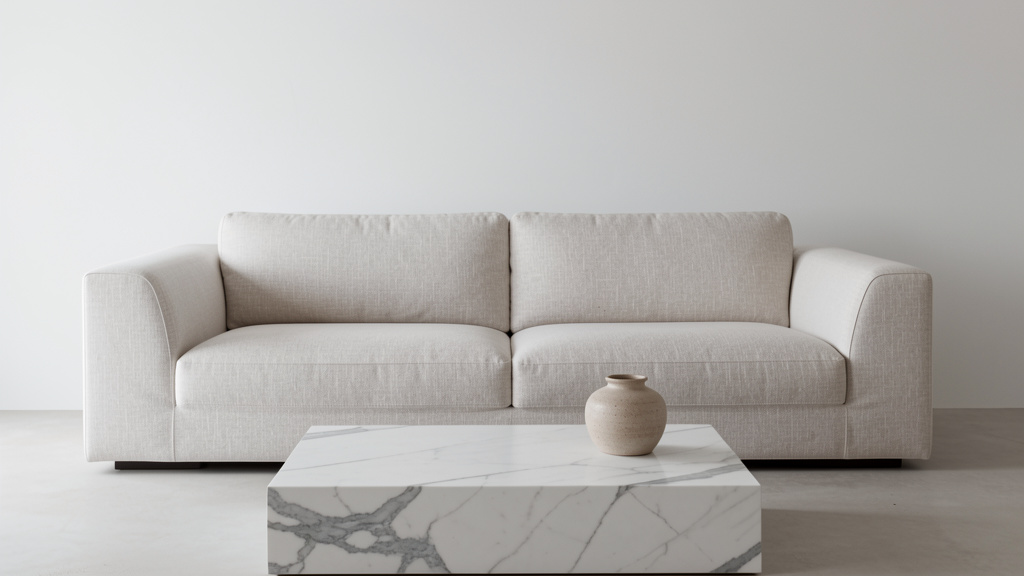
Discover how to shape interiors that embody enduring elegance, intentional calm, and deeply personal resonance—without relying on trends or conspicuous displays.
In today’s world, where homes increasingly serve as sanctuaries and reflections of inner values, contemporary luxury and quiet luxury offer complementary paths toward meaningful living. Contemporary luxury embraces clean lines, spatial intelligence, and human-centered innovation—where technology operates seamlessly and materials honor both context and craft. Quiet luxury unfolds with subtlety: it celebrates natural textures, heirloom-quality objects, and the gentle patina of time. Neither approach shouts for attention. Instead, both invite you to slow down, observe, and curate spaces that feel authentically yours. This guide moves beyond surface aesthetics to offer a grounded, adaptable philosophy—one that honors your daily rhythms, values, and the unique character of your home. Whether you’re refreshing a single corner or reimagining your entire environment, you’ll find principles that evolve with you, fostering spaces of calm confidence and lasting resonance.
Introduction: A Shift Toward Meaningful Interiors
Luxury in design has long reflected cultural priorities—from ornate historical eras to the bold statements of late-20th-century maximalism. Today, a quieter transformation is underway. Fueled by digital saturation, environmental awareness, and a collective desire for authenticity, many are redefining luxury not as accumulation, but as intention. It’s found in the warmth of morning light on a linen curtain, the satisfying weight of a hand-thrown ceramic mug, or the ease of a thoughtfully organized drawer. This evolution isn’t about rejecting beauty or quality; it’s about aligning surroundings with well-being, sustainability, and personal narrative.
Contemporary luxury emerges through clarity: uncluttered spaces, innovative yet warm materials, lighting that adapts to circadian rhythms, and technology that serves without demanding attention. Quiet luxury draws from timeless traditions—Japanese wabi-sabi, Scandinavian hygge, artisanal craftsmanship—finding depth in simplicity, texture, and objects imbued with story. Both converge on a shared insight: true luxury is experienced, not displayed. It supports how you live, not how you wish to be perceived.
Design patterns observed across cultures reveal that periods of reflection often yield aesthetics rooted in authenticity. Today’s embrace of restraint reflects a maturation in how we inhabit space—prioritizing comfort over impression, connection over curation for social validation. This guide synthesizes observed principles from enduring interiors, material considerations, and environmental psychology to offer a flexible framework. Whether you live in a sunlit coastal cottage, a compact urban apartment, or a heritage home, these ideas adapt to your context. The journey begins with a gentle question: What feeling do you wish your home to hold for you?
The Harmony Framework: Five Pillars for Intentional Living Spaces
At the heart of creating resonant interiors lies intentionality—a conscious alignment between space and lived experience. Without it, even beautiful elements feel disconnected. With it, modest choices carry profound meaning. The Harmony Framework offers a fluid, non-prescriptive process to cultivate spaces that feel cohesive, personal, and enduring. Developed through observation of spaces that age gracefully across diverse settings, this framework prioritizes purpose over prescription. Each pillar builds gently upon the last, inviting reflection rather than rigid rules. You may move through them sequentially or revisit as needed—this is your journey.
Pillar 1: Foundation of Intention – Clarifying Your Personal Narrative
Before selecting colors or furniture, pause to clarify why. This pillar shifts focus from “What should this room look like?” to “How should this space support my life?” Intention becomes your compass—reducing decision fatigue, preventing trend-driven purchases, and ensuring every choice carries meaning. Ask gently: What emotions do you wish to feel upon entering this room? How does your household truly live? (Be honest: Is the kitchen for quiet coffee or lively family meals?) What values, memories, or aspirations should the space honor? For a home centered on connection, the living area might prioritize flexible, durable seating. For a sanctuary-focused bedroom, sensory calm—through light control, acoustics, and tactile textiles—becomes paramount.
Why this matters: Without clarity, design fragments. A visually striking sofa may not accommodate your habit of reading with a pet. Intention creates coherence. In quiet luxury contexts, this might mean honoring a family heirloom as an emotional anchor. In contemporary applications, it could guide seamless integration of technology that supports daily rituals—like automated shading for morning light or discreet charging zones. Environmental psychology suggests spaces aligned with personal values may contribute to reduced stress and greater emotional ease. Intention transforms decoration into curation.
How to engage with this pillar:
– Set aside quiet time. Create a private journal (digital or physical). Collect words, textures, nature photos, song lyrics—anything evoking your desired feeling.
– Distill into 3–5 core phrases: “serene morning ritual space,” “warm hub for spontaneous connection,” “creative sanctuary with focused energy.”
– Walk through your current home with fresh eyes. Note specifics: “The east window floods the breakfast nook with golden light at 8 a.m.—I want to honor that moment,” or “The hallway feels transitional; I’d like it to feel welcoming.”
– For shared homes, invite conversation: “What does ‘home’ mean to each of us?” Seek shared values (e.g., “comfort” might mean deep sofas to one person, uncluttered surfaces to another—common ground is “ease”).
Common considerations:
– Rushing to Pinterest or stores without reflection often leads to beautiful-but-disconnected purchases.
– Intention is about feeling and function, not forcing a style label (“Japandi,” “Modern Farmhouse”). Allow your narrative to guide thoughtful deviations.
– Honor practical realities: An intention of “effortless entertaining” must account for storage, traffic flow, and material durability if you have children, pets, or frequent guests.
– Design primarily for your well-being, not external validation. Authenticity resonates more deeply than perfection.
Illustrative example: Someone identifying “a calm retreat that fosters creativity and mindful connection” as their core intention might choose a kitchen with warm, matte-finish cabinetry in a soft clay tone, a small reading nook by the window, and open shelving for inspiring handmade ceramics. The quiet luxury element appears in a hand-thrown stoneware fruit bowl; the contemporary aspect in intuitive under-cabinet lighting and a seamlessly integrated cooktop. Every detail serves the intention—nothing is arbitrary.
A Guiding Thought: Your home can reflect who you are today and who you are becoming—not a performance of who you think you should be.
Pillar 2: The Palette of Restraint – Color, Texture, and Material Language
With intention clarified, this pillar explores the sensory vocabulary of your space: color, texture, and material. Restraint here means discernment—not deprivation. A limited palette creates visual harmony, reduces cognitive load, and allows individual elements to resonate. Contemporary luxury often employs warm neutrals (soft whites, greiges, deep charcoals) accented by innovative materials like textured plaster or sustainably sourced composites. Quiet luxury leans into the inherent poetry of natural elements: the grain of walnut, the slub of raw linen, the cool smoothness of honed stone. The goal is cohesion—a conversation between elements, not competition.
Why this matters: Color and texture influence mood and perception. Cool, monochromatic schemes may support focus but risk feeling distant without warmth; layered warm neutrals foster comfort but require balance to avoid heaviness. Material choices also carry ethical and longevity considerations. Natural materials often develop a gentle patina over time—a quiet luxury value. Contemporary materials may offer durability and innovation suited to active lifestyles. Understanding this language helps craft environments that feel intentional at every sensory level.
How to engage with this pillar:
– Begin with your intention. For serene sanctuary, choose grounded neutrals (oatmeal, soft clay). For creative clarity, a cooler neutral base (dove gray, warm white) may provide calm focus.
– Limit your core palette to 2–3 foundational neutrals. Introduce 1–2 accent colors sparingly—through art, a single chair, or seasonal textiles.
– Prioritize tactile experience. Visit showrooms to touch samples. Observe how light interacts with surfaces at different times of day. Create a physical mood board: pin fabric swatches, paint chips, wood samples. Live with it under your home’s actual lighting.
– Apply the 60-30-10 guideline flexibly: 60% dominant (walls, large furniture), 30% secondary (upholstery, rugs), 10% accent (art, objects). Crucially, layer texture within neutrals: a bouclé throw on smooth oak floors, a rough-hewn vase on a sleek console.
Common considerations:
– Too many accent colors fragment visual calm. One deep terracotta pillow often holds more power than five mismatched brights.
– Monochromatic schemes feel flat without textural variation. Layer nubby wool over smooth leather; pair glossy ceramic with matte linen.
– Consider material lifecycle: Honed marble is beautiful but requires maintenance. For high-use areas, large-format porcelain mimicking stone offers durability with lower environmental impact—a thoughtful contemporary choice.
– Honor your environment: In humid climates, engineered hardwood may outperform solid wood. In sun-drenched rooms, UV-resistant fabrics prevent fading. Restraint includes working with your context.
Material considerations (observational):
– Wood: Quiet luxury celebrates visible grain and warmth (walnut, white oak, teak). Look for FSC-certified solid wood or high-quality veneers. Contemporary applications might use charred cedar (shou sugi ban) for accent walls or pair light oak with matte black metal. Avoid overly uniform finishes that mask wood’s character.
– Stone & Alternatives: Marble, travertine, and limestone offer quiet luxury through unique veining. For kitchens or baths, large-format porcelain slabs authentically mimic stone with superior durability and lower resource impact. Honed finishes feel warmer; leathered finishes add subtle texture.
– Metals: Brushed brass, unlacquered bronze (which develops a gentle patina), or matte black iron add warmth or definition. Limit to one or two finishes per space for cohesion.
– Textiles: Linen, organic cotton, wool, and silk support breathability and texture. Look for OEKO-TEX certification for low chemical emissions. Performance fabrics (solution-dyed acrylics) offer stain resistance without sacrificing aesthetics—ideal for families or sun-exposed areas.
– Wall Treatments: Limewash (mineral texture, breathable), Venetian plaster (lustrous depth), or grasscloth wallpaper add subtle organic dimension. These interact dynamically with light, enhancing spatial depth.
Analogy: Think of your palette as a musical composition. Neutrals form the foundational chords. Textures provide rhythm—tactile engagement and movement. Accent colors and materials are the melody—memorable highlights. Restraint creates resonance. A single, thoughtfully textured wool rug on wide-plank floors speaks with more authority than a dozen competing patterns.
Pillar 3: Curated Curation – Selecting Objects with Purpose
This pillar embraces discernment: choosing furniture, lighting, and objects that align with your intention and palette. “Curation” implies thoughtful inclusion and meaningful exclusion—a deliberate process honoring beauty, function, emotional resonance, or story. Contemporary luxury often features clean-lined, ergonomic furniture with integrated solutions (hidden storage, modular systems). Quiet luxury favors pieces with history, soulful craftsmanship, and enduring comfort—a well-proportioned armchair, a solid wood table bearing gentle use-marks. The goal isn’t to fill space, but to adorn it with significance. This approach naturally supports mindful consumption: investing in fewer, higher-quality pieces that last fosters deeper connection and reduces waste.
Why this matters: Visual or emotional clutter disrupts the calm both philosophies seek. Each unnecessary object adds subtle cognitive load. A single, thoughtfully placed ceramic vase holds more presence than a crowded shelf. Furniture quality directly impacts daily comfort: a well-constructed sofa supports posture; a poorly made one causes fatigue. In an age of fast furniture, curation becomes an act of mindfulness—a declaration that your space deserves thoughtfulness.
How to engage with this pillar:
– Adopt a reflective pause before acquiring anything new: “Does this align with my core intention and palette? Does it serve clear purpose (functional or emotional)? Will I value it in five years? Does it bring genuine resonance?”
– Prioritize investment in high-use foundational pieces: sofa, bed, dining table. Look for quality construction (solid wood frames, durable upholstery).
– For decorative objects, seek items with narrative: a vase from a local ceramicist, a vintage rug with documented history, art that moves you.
– Arrange furniture to support human connection and flow. In contemporary contexts, negative space is intentional—allow rooms to breathe. In quiet luxury, vignettes feel collected over time, not staged.
– Measure thoughtfully: Use apps like MagicPlan for scaled layouts. Test furniture placement with painter’s tape before moving heavy items.
Common considerations:
– Matching furniture sets can feel impersonal. Instead, thoughtfully mix eras: a mid-century sofa pairs beautifully with a rustic coffee table if they share a material thread (walnut tones) or color harmony.
– Scale matters: A massive sectional overwhelms a modest room; a tiny rug fragments space. General guidance: sofa ≈ 2/3 wall length; rug extends 12–18 inches beyond seating furniture.
– Never sacrifice comfort for aesthetics. Always test seating deeply. For specific needs (mobility, chronic pain), prioritize ergonomic design without apology.
– Integrate storage thoughtfully: Closed cabinets (with soft-close hinges) for daily essentials; open display for curated items. Contemporary solutions excel at hidden organization; quiet luxury embraces visible, beautiful storage (woven baskets, intentional shelving).
Room-focused considerations:
– Living Room: Anchor with seating that invites connection. Contemporary: low-profile modular sofa with performance fabric. Quiet luxury: deep-seated sofa in natural linen. Arrange chairs to facilitate conversation. Coffee table should be functional—consider lift-top designs for small spaces.
– Bedroom: Invest in sleep foundations first. Quiet luxury: upholstered headboard in textured bouclé. Contemporary: minimalist platform bed. Prioritize closed storage to maintain visual calm.
– Dining Area: Choose a table accommodating typical gatherings (extendable offers flexibility). Chairs must support extended sitting. Lighting should be dimmable to set mood. Round tables encourage intimacy in small spaces.
– Home Office: Ergonomics are essential. Adjustable-height desk if possible. Chair with lumbar support. Integrate cable management. Position desk to face natural light (avoid screen glare). Add a comfortable reading chair—a quiet luxury touch in a functional zone.
The art of the vignette: A vignette is a small, curated grouping telling a micro-story. On a console: a textured ceramic tray holding a single sculptural object (smooth stone, hand-thrown vase), a meaningful book with cover facing out, a small framed photograph in a simple wood frame. Principles: odd numbers (3 or 5 items) feel organic; vary heights and textures; leave intentional negative space; ensure thematic or color connection. Rotate seasonally: dried eucalyptus in winter, a single peony stem in spring. Avoid overcrowding—each item needs room to breathe. This practice embodies quiet luxury’s appreciation for mindful detail and contemporary luxury’s emphasis on intentional composition.
Pillar 4: The Architecture of Light and Space – Illumination and Flow
Light shapes mood, perception, and well-being. This pillar explores mastering natural and artificial light, alongside spatial flow—the intuitive ease of moving through rooms. Contemporary luxury often features intelligent lighting solutions: recessed LEDs with tunable warmth, sculptural fixtures as art, systems adapting to time of day. Quiet luxury favors soft, diffused light highlighting textures, creating intimate pools of warmth, and honoring daylight’s passage. Equally vital is spatial flow: uncluttered pathways, thoughtful zoning, architecture serving human experience. Together, light and flow transform static decor into a dynamic, living environment.
Why this matters: Poor lighting undermines even beautifully curated spaces. Harsh overhead lights create unflattering shadows, flatten textures, and may disrupt circadian rhythms. Insufficient task lighting strains eyes; inadequate ambient light feels unwelcoming. Light affects how colors and materials appear—paint that looks warm at noon may feel cool under inappropriate bulbs. Spatial flow impacts daily ease: cramped pathways induce subtle stress; clear circulation fosters calm. Natural light exposure supports sleep cycles and mood. Thoughtful attention here creates environments that feel supportive, not stressful.
How to engage with this pillar:
– Begin with natural light: Use sheer, light-filtering window treatments (linen, bamboo) to soften glare while preserving views. Position mirrors opposite windows to reflect light deeper into rooms (one large mirror works better than several small ones).
– Implement layered artificial lighting—never rely on a single source:
– Ambient: Overall illumination (recessed warm-dim LEDs 2700K–3000K; cove lighting; central fixture with fabric shade).
– Task: Focused light for activities (adjustable arm lamps for reading, under-cabinet strips in kitchens, vanity lights flanking mirrors).
– Accent: Highlights features or art (track lighting, picture lights, discreet LED strips in shelving).
– Install dimmers on all circuits—this single adjustment transforms ambiance throughout the day.
– For spatial flow: Ensure clear pathways (minimum 36 inches for main routes). Remove furniture blocking movement. In open plans, use area rugs, furniture arrangement, or partial screens (low bookshelf, sculptural divider) to define zones without walls. Consider the “journey” through your home—from entryway to living areas—ensuring transitions feel intuitive.
Common considerations:
– Avoid relying solely on overhead lighting. Layer at least three light sources per main room.
– Maintain consistent color temperature per space (e.g., 2700K–3000K for living/bedrooms; slightly cooler for kitchens/offices—but avoid >3500K in residential settings). Mixing temperatures creates visual dissonance.
– Don’t block natural light sources. Position seating to enjoy views and daylight.
– Prioritize simple controls: dimmers on walls, intuitive smart systems. Complex scenes requiring multiple remotes defeat ease.
– Don’t overlook exterior lighting. A softly lit entryway (path lights, warm porch lamp) sets a welcoming tone before you step inside.
Illustrative adaptation: A north-facing living room
Context: Limited natural light feels cool and subdued.
Approach:
1. Walls & Surfaces: Choose warm, light-reflective paint with subtle yellow or pink undertones (e.g., warm beige variants). Avoid cool grays.
2. Reflective Strategy: Install a large mirror opposite the main window. Select furniture with light, reflective surfaces (pale oak table, light-toned sofa).
3. Layered Lighting:
– Ambient: Cove lighting with warm-dim LEDs (2700K–2200K at night).
– Task: Adjustable arc floor lamp with linen shade beside seating.
– Accent: Discreet LED strips under floating shelves to draw the eye upward.
4. Textural Warmth: Layer a high-pile wool rug in oatmeal over light floors. Add textured throws (chunky knit) and cushions in deep terracotta or olive.
5. Strategic Accent: Introduce one small warm-hued element—a burnt orange velvet pillow or artwork with earthy tones—to create focal warmth without overwhelming.
Outcome: The space feels expansive and inviting despite light constraints. This blends contemporary techniques (LED cove lighting) with quiet luxury principles (natural textiles, warm palette). The solution serves the intention of “a cozy evening retreat.”
Pillar 5: The Soul of the Space – Personal Meaning and Sensory Depth
This pillar weaves in elements reflecting your unique story, values, and sensory preferences—transforming aesthetics into emotional sanctuary. Contemporary luxury might express soul through a curated art collection reflecting personal passions, custom elements solving specific needs, or technology enhancing well-being invisibly. Quiet luxury finds soul in heirlooms, handmade items from local artisans, the gentle patina of well-loved objects, and rituals they enable. Equally vital are sensory details beyond sight: scent, sound, touch. A space should engage all senses to feel complete, nurturing, and authentically yours. This pillar embraces the beauty of a lived-in home—rejecting sterile perfection in favor of warmth, evolution, and connection.
Why this matters: Without personal resonance, a space feels impersonal—a beautifully staged set lacking heart. Soul is what makes a home irreplaceable to you. In an age of mass production, these authentic touches represent profound individuality. Sensory elements directly influence physiological and emotional states: calming scents may support relaxation; textured surfaces provide grounding tactile input; curated soundscapes enhance focus or peace. This pillar ensures your home is not just seen, but felt and lived.
How to engage with this pillar:
– Display items with genuine emotional significance—thoughtfully. A travel souvenir gains power when displayed intentionally: a single Moroccan tile mounted as art, not a shelf crowded with trinkets.
– Curate photographs: Select 3–5 meaningful images, frame uniformly (simple wood or black), group intentionally.
– Incorporate sensory elements deliberately:
– Scent: Essential oil diffusers with calming blends (lavender + cedarwood for bedrooms; bergamot + rosemary for focus). Beeswax candles offer subtle, natural scent. Avoid synthetic air fresheners. Align scents with room function and time of day.
– Sound: Address acoustics—thick rugs absorb echo; fabric wall hangings dampen noise. Create intentional soundscapes: a small tabletop fountain, curated ambient playlists via discreet speakers. In quiet zones, prioritize sound-absorbing materials.
– Touch: Layer textiles with varying tactile qualities: smooth silk pillow beside nubby wool blanket; cool marble coaster beside warm wood tray. Ensure surfaces invite interaction.
– Taste: In kitchens, display beautiful, functional items used daily: hand-thrown mugs, wooden salad bowl, artisanal oil in ceramic cruet. Beauty in utility honors quiet luxury.
– Rotate seasonal elements: fresh branches in spring, heavier textiles in winter, dried botanicals in autumn. Embrace “imperfect” beauty—the gentle wear on a wooden table tells a story of shared meals. This pillar is deeply personal; authenticity matters most. If a vibrant folk art piece brings you joy, display it proudly—even within a neutral palette.
Common considerations:
– Avoid over-curating to sterility. A home should show gentle signs of life: a well-loved book left on the coffee table, a child’s drawing temporarily displayed. Soul includes evidence of living.
– Address sensory dissonance holistically: A relaxation zone shouldn’t have harsh lighting, jarring sounds, or synthetic scents. Add rugs to dampen footsteps, use blackout curtains for sleep hygiene, choose natural fiber textiles.
– Honor your truth over trends. If maximalist art doesn’t resonate, don’t display it because it’s popular. Authenticity feels magnetic; forced aesthetics feel hollow.
– Designate small ritual spaces: a windowsill for morning coffee with a special mug, a corner nook with comfortable seating and good light for reading, a small surface for objects of significance. These micro-sanctuaries anchor your day.
Illustrative example:
In a quiet luxury bedroom, soul manifests in a hand-knitted throw from a grandparent draped over the bed, the scent of cedar from a vintage chest storing linens, wind chimes outside the window. Bedding is high-thread-count organic cotton. In a contemporary luxury home office, soul appears in a custom desk with integrated cable management (solving daily friction), a single piece of abstract art from a meaningful trip, a curated focus playlist accessible via discreet voice command, and a thriving succulent connecting to nature. Both spaces feel deeply personal because every element serves intention and meaning—not decoration for decoration’s sake.
Room-by-Room Implementation: Adapting the Framework to Your Space
Translating the Harmony Framework into specific rooms requires adapting its pillars to each space’s unique function, challenges, and opportunities. Below, we explore key areas with tailored guidance, blending contemporary and quiet luxury principles. Each section includes actionable strategies, material considerations, solutions for common constraints (budget, size, rentals), and sustainability notes. Cohesion across rooms matters more than rigid uniformity. Allow each space to express its purpose while maintaining subtle threads of connection—repeating a material (oak), a color accent (deep green), or a textural element (linen) throughout creates a harmonious journey.
The Living Room: Heart of Connection and Calm
The living room often serves as an emotional and social hub—a place for relaxation, conversation, or quiet reflection. Your intention here might center on fostering genuine connection, providing a media sanctuary, or creating a serene retreat. Both philosophies reject the “formal living room” concept in favor of spaces designed for real life.
Contemporary-leaning approach: Emphasize clean lines and spatial intelligence. Choose modular seating with hidden storage. Conceal media components within cabinetry featuring push-to-open mechanisms. Install a statement lighting fixture—a sculptural piece or adjustable track lights—that functions as kinetic art. Use large-format porcelain tiles mimicking light oak for a sleek foundation, softened by a single high-pile area rug. Integrate technology invisibly: motorized sheer shades, ambient lighting scenes controlled simply.
Quiet luxury-leaning approach: Prioritize deep comfort and tactile invitation. Opt for a generously proportioned sofa upholstered in performance linen or wool blend. Arrange seating to encourage eye contact and conversation. Feature a reclaimed wood coffee table with visible grain. Layer textiles: a vintage kilim rug, cashmere throws, velvet cushions in earthy tones. Display a curated bookshelf—not floor-to-ceiling, but selectively filled with beloved reads and meaningful objects. Lighting centers on warmth: ceramic table lamps with fabric shades casting a soft glow.
Harmonizing both: Begin with a quiet luxury foundation for warmth (wide-plank floors, deeply comfortable seating in natural textiles). Integrate contemporary elements discreetly: a sleek media console with cable management, minimalist floor lamps with adjustable arms. Ensure technology serves without dominating—use a universal remote, hide wires meticulously. For lighting, combine ambient cove lighting (contemporary) with table lamps featuring fabric shades (quiet luxury). A single bold art piece above a quiet luxury sofa creates dynamic tension without discord. The room should feel inviting first, impressive second.
Small space considerations (under 300 sq ft): Choose furniture with exposed legs to create visual lightness. Use a large mirror strategically to reflect light and depth. Opt for multifunctional pieces: ottoman with storage, nesting coffee tables. Keep the palette monochromatic (varying shades of one neutral) to avoid visual fragmentation. Utilize vertical space: floating shelves draw the eye upward. Define zones clearly—a rug under seating separates it from a dining nook. Avoid oversized furniture; scale down proportionally.
Sustainability considerations: Seek vintage or refurbished furniture. A mid-century armchair reupholstered in GOTS-certified organic cotton reduces waste and adds character. Specify low-VOC paints and adhesives. Look for certifications: FSC for wood, GREENGUARD for low emissions, OEKO-TEX for textiles. Support local artisans—reduces carbon footprint and invests in community craft. Donate usable furniture rather than discarding.
Budget-conscious adaptation: Start with paint—a fresh coat in a warm, intentional neutral transforms the space. Refresh textiles: new cushion covers in high-quality linen-look fabric, a well-chosen area rug. Thrift stores and online marketplaces offer solid wood furniture that can be sanded and refinished. Swap outdated hardware for simple, elegant pulls. Focus on one “hero” item per room—a beautifully textured throw, a single sculptural lamp—and let it anchor the space. Remember: a few well-chosen, meaningful items create more impact than many disposable ones.
The Bedroom: Sanctuary for Rest and Renewal
The bedroom’s primary purpose is restoration—supporting deep sleep and reducing stress. Intention here must prioritize physiological and psychological well-being above all. Clutter, harsh lighting, and poor air quality directly undermine rest; every choice should serve calm.
Contemporary-leaning approach: Embrace serene minimalism with human-centered details. A low-profile platform bed in solid wood or upholstered fabric. Integrated bedside surfaces with wireless charging. Automated blackout shades with timer settings supporting circadian rhythm. Lighting: recessed LEDs with dimmers and tunable warmth, plus a sculptural wall sconce for reading. Color palette: calming neutrals (soft warm white, muted clay) with one subtle accent. Flooring: wide-plank engineered hardwood for stability and warmth.
Quiet luxury-leaning approach: Layer textures for deep sensory comfort. Bed with upholstered headboard in bouclé, velvet, or tightly woven linen. High-thread-count organic cotton or European flax linen bedding in natural tones. Nightstands of solid wood with visible joinery. A vintage wool rug beside the bed for warmth upon waking. Lighting: ceramic or wood-based table lamps with fabric shades. Scent: essential oil diffuser with lavender on a timer before bedtime. Acoustic consideration: heavy linen curtains to dampen noise.
Harmonizing both: Invest non-negotably in sleep foundations: a supportive mattress suited to your body, breathable natural-fiber bedding. Choose a bed frame balancing form and function—solid wood with clean lines satisfies both aesthetics. Use smart lighting that mimics natural daylight cycles but control it with a simple, elegant dimmer switch. Keep surfaces clear; utilize closed storage to maintain visual calm. Add one piece of deeply personal art above the bed—a landscape from a cherished trip, a calming abstract. Incorporate biophilic elements: a single low-light plant (snake plant, ZZ plant) improves air quality. Ensure technology supports rest: phone charging station outside the bedroom if possible.
Budget-friendly adaptation: Elevate what you have. Invest in high-quality sheets (percale or sateen weave, 300+ thread count), a supportive duvet insert, luxurious pillowcases. Paint walls a calming color. Add affordable LED strip lights under the bed frame for subtle ambient glow (set to warm white). Thrift stores often have solid wood nightstands that can be painted or refinished. Create a “sleep ritual station”: a small tray holding a ceramic mug for evening tea, a linen eye mask, a favorite book.
Light and air considerations: Layer window treatments: blackout roller shades inside the frame for complete light blockage; floor-length linen curtains outside the frame for softness and daytime diffusion. This combines practical solution with sensory warmth. For air quality, add a small HEPA air purifier with a quiet setting—place discreetly in a corner. Choose models with fabric covers to blend aesthetically.
Addressing shared-space considerations:
– Different partner preferences: Compromise on shared elements (bedding color, wall color), but personalize individual sides. Different pillows, individual reading lights with adjustable arms, separate bedside tables styled to each person’s taste. Shared intention: “This room supports both our rest.”
– Bedroom used for work: Create a dedicated “work zone” away from the bed if possible. If space is limited, use a folding screen to visually separate the workspace when not in use. Store work items out of sight after hours to psychologically transition from work to rest.
– Limited closet space: Implement “one in, one out” rigorously. Use uniform hangers (wooden or velvet) for visual calm. Install additional shelving or hanging organizers inside the closet. Store off-season clothing in under-bed storage boxes.
The Kitchen: Where Function Meets Warmth and Ritual
Kitchens are high-traffic hubs demanding durability, efficiency, and emotional warmth. Contemporary luxury excels in smart storage and seamless workflow. Quiet luxury brings soul through tactile materials, visible craftsmanship, and spaces designed for connection and daily ritual—morning coffee, shared meals, homework supervision. Intention should honor both practical function and emotional resonance.
Contemporary-leaning approach: Handleless cabinetry with soft-close mechanisms. Countertops of quartz, solid surface, or large-format porcelain slabs offering durability and minimal seams. Integrated appliances blending flush with cabinetry. Under-cabinet LED lighting with motion sensors or dimmers. A large central island with waterfall edges serving as prep station, casual dining, and social hub. Flooring: large-format tiles mimicking concrete or light wood. Smart features: touchless faucet, dedicated charging station hidden in a drawer.
Quiet luxury-leaning approach: Shaker-style or inset-panel cabinetry in painted or stained solid wood. Countertops of honed marble (for baking stations), butcher block (properly sealed), or soapstone developing patina. Open shelving to display beautiful dishware and cookbooks—curated, not cluttered. A farmhouse sink in fireclay. Flooring: wide-plank oak with matte finish. Lighting: pendant lights with woven rattan or fabric shades over the island. Ritual elements: dedicated coffee station on a small tray, windowsill herb garden, wooden bowl for fruit.
Harmonizing both: Choose cabinetry with simple, clean lines in a warm wood tone or soft painted finish. Pair durable quartz countertops (practical choice) with a wooden cutting board left intentionally on display as textural element. Mix storage: closed cabinets with soft-close hinges for clutter; limit open shelving to one or two areas for curated items. For lighting, install recessed LEDs for task illumination but add two pendant lights with fabric or woven shades over the island for warmth. The island can feature a contrasting material—e.g., solid wood top on a painted base—to bridge aesthetics. Prioritize workflow: ensure the “work triangle” (sink, stove, refrigerator) allows efficient movement. Add a small banquette nook with built-in storage if space allows—a quiet luxury touch for intimate meals.
Addressing common considerations:
– Marble concerns: Use marble strategically on a low-traffic area like a dedicated baking station. Choose quartz or sintered stone for main countertops—modern materials authentically mimic marble’s veining with greater durability. Seal marble regularly if used; gentle etching can be embraced as evidence of use (quiet luxury perspective).
– Open shelving maintenance: Limit to upper cabinets away from cooking splatter. Style minimally with daily-use items. Choose closed glass-front cabinets with subtle mullions for display with less upkeep. Use uniform containers (glass jars, ceramic canisters) for visual order.
– Small kitchen: Maximize vertical storage with floor-to-ceiling cabinets. Use pull-out shelves, lazy Susans, drawer dividers. Install a fold-down table or wall-mounted drop-leaf for additional prep space. Choose a single-bowl sink to free counter area. Use light colors on walls and cabinets. A mirror backsplash (in non-splash zone) reflects light and creates depth.
– Durability for active households: Specify quartz countertops. Choose cabinetry with durable matte finishes that hide fingerprints. For flooring, luxury vinyl plank (LVP) with wood-look finishes offers waterproof durability and comfort—modern options are remarkably authentic. Prioritize rounded countertop edges for safety.
Sustainability considerations: Specify low-VOC or zero-VOC paints, adhesives, sealants. Choose ENERGY STAR appliances. Incorporate a dedicated recycling and compost station seamlessly integrated into cabinetry design. For countertops, consider recycled glass composite, paper-based composites (like Richlite), or reclaimed wood. Source cabinetry from companies using sustainable forestry practices (FSC-certified wood). Install a water filtration system to reduce plastic bottle use. Maximize natural light to reduce daytime electricity needs.
Budget-conscious upgrades: Start with hardware: replace dated cabinet pulls with simple, elegant bar pulls or ceramic knobs. Paint existing cabinets (properly prepared) in a warm, contemporary neutral. Update lighting: replace builder-grade fixtures with pendant lights over the island or sink. Add under-cabinet LED strip lights for task illumination and ambiance. Style open shelves intentionally with items you already own—group by color or function. Add a large, beautiful cutting board as a centerpiece. Incorporate plants: herbs on the windowsill, a small snake plant on the counter.
The Bathroom: Crafting a Personal Spa Experience
Bathrooms should evoke tranquility, hygiene, and sensory renewal. Contemporary luxury offers spa-like technology and seamless surfaces; quiet luxury provides organic warmth, tactile comfort, and ritualistic elements. Whether compact powder room or primary suite, intention should center on creating a space that supports daily rituals with calm efficiency and sensory pleasure. Moisture management, safety, and accessibility are foundational.
Contemporary-leaning approach: Floating vanity with integrated sink and hidden storage. Frameless glass shower enclosure. Rainfall showerhead with thermostatic control. Heated floors and towel warmer controlled via simple thermostat. Large-format tiles in neutral tones with minimal grout lines. Recessed niches in shower walls. Smart mirror with integrated LED lighting and anti-fog technology. Water-efficient fixtures with minimalist profiles.
Quiet luxury-leaning approach: Vanity crafted from solid teak, oak, or reclaimed wood (properly sealed). Vessel sink in hand-glazed ceramic or stone. Freestanding bathtub as a focal point. Natural stone tiles (travertine, slate) with subtle variations. Linen shower curtain and plush, oversized towels in natural fibers. Wooden stool for placing items. Scented soy candles or essential oil diffuser. Plants: bamboo, peace lily, or air plants thriving in humidity.
Harmonizing both: Begin with a quiet luxury foundation for warmth: solid wood vanity (properly sealed), natural stone or wood-look porcelain tiles. Integrate contemporary elements discreetly: heated floors (hidden comfort), rainfall showerhead with precise temperature control. Choose fixtures in brushed brass, unlacquered bronze, or matte black for timeless appeal. Maximize storage to keep surfaces clear—a hallmark of both styles. Install a recessed niche in the shower; use matching ceramic containers for visual calm. Add sensory touches: a small tray holding a soy candle, a eucalyptus bundle hung in the shower for aromatherapy, plush towels folded neatly on a wooden ladder shelf. Lighting should be layered: ambient cove lighting, task lighting flanking the mirror, a small dimmable sconce for evening ambiance.
Moisture and safety considerations: Ensure proper ventilation with a high-CFM exhaust fan vented outside—run during and 20 minutes after showers. Choose moisture-resistant materials: porcelain tiles mimicking wood grain, solid surface countertops, marine-grade plywood for vanities. For wood vanities, specify proper sealing. Prioritize safety: install grab bars in showers/tubs (contemporary designs blend seamlessly), use non-slip flooring tiles or mats, ensure adequate lighting for nighttime use. For aging-in-place, consider wider doorways, curbless showers, seated shower areas—enhancing accessibility without sacrificing style.
Small bathroom considerations (under 50 sq ft): Use large mirrors strategically—not just over the sink, but consider a full-wall mirror on one side to double perceived space. Choose a wall-mounted toilet and floating vanity to free floor area. Light, reflective colors on walls and ceiling enhance brightness. Install niches in the shower instead of bulky caddies. Opt for a frameless glass shower door to maintain visual flow; if space is tight, a high-quality shower curtain on a tension rod with weighted hem prevents mildew. Maximize vertical storage: tall narrow cabinets, over-toilet shelving, floating shelves. Use consistent materials throughout to avoid visual fragmentation.
Sustainability and wellness considerations: Install low-flow showerheads and faucet aerators (WaterSense certified). Specify low-VOC paints and sealants. For towels and bath mats, choose GOTS-certified organic cotton or OEKO-TEX certified linen. Incorporate humidity-loving plants: snake plant (tolerates low light), peace lily (removes toxins), air plants. Use natural cleaning products (vinegar, baking soda, castile soap) stored in beautiful glass containers. Consider a bidet attachment for hygiene and reduced toilet paper use—a feature with both contemporary and quiet luxury benefits.
Budget-friendly transformation: Paint is transformative—choose a serene, moisture-resistant paint in a soft neutral (warm white, pale clay). Update hardware: replace dated faucet and shower fixtures with modern, water-efficient models (often DIY-installable). Swap the mirror for a larger, frameless version or add LED strip lighting around the existing mirror. Replace the shower curtain with a high-quality linen-look fabric curtain and matching liner. Add a small wooden stool for texture and function. Style surfaces minimally: ceramic soap dispenser, single eucalyptus stem, folded towels in neutral tone.
Home Office / Nook: Cultivating Focus, Creativity, and Calm
With evolving workstyles, a dedicated workspace supports productivity, mental separation, and well-being. Intention should balance ergonomic support, inspiration, and psychological boundaries between work and rest. Contemporary luxury shines in intelligent organization; quiet luxury brings warmth, biophilic elements, and nurturing spaces. Whether dedicated room or corner nook, this space must serve cognitive and emotional needs.
Contemporary-leaning approach: Built-in desk with integrated cable management and hidden storage. Ergonomic chair with adjustable lumbar support (look for BIFMA certification). Adjustable monitor arm for proper screen height. Task lighting with adjustable color temperature and dimmability. Sound-absorbing panels disguised as art. Smart storage solutions: hidden filing systems. Area rug to dampen echo.
Quiet luxury-leaning approach: Desk crafted from solid wood with visible grain. Comfortable reading chair with ottoman for breaks. Bookshelves filled with personal mementos, art objects, plants. Natural light maximized with sheer linen curtains. Textile rug (wool, jute) to define space. Ritual elements: dedicated tray for morning coffee mug and notebook, small fountain for gentle white noise, windowsill herb garden. Scent: rosemary or peppermint essential oil diffuser to enhance focus.
Harmonizing both: Position desk to face natural light but avoid screen glare (place monitor perpendicular to window). Choose an ergonomic chair upholstered in natural leather or wool blend. Layer lighting: ambient overhead (dimmable), adjustable task lamp with warm light, small table lamp with fabric shade. Integrate biophilic design: multiple plants (snake plant for air purification, pothos for greenery), natural materials (wood desk, stone paperweight), views of nature if possible. Keep decor minimal but meaningful: one piece of inspiring art, a small tray holding essentials. For acoustic privacy in open plans, use a room divider with sound-absorbing material (felt panels, woven wood) that also serves as display surface. Ensure clear boundaries—physically or psychologically—to “leave work” at day’s end.
Acoustic considerations: Sound significantly impacts concentration. If in a shared space:
– Add a thick area rug with pad underneath to absorb footfall and echo.
– Install acoustic panels on walls (available in fabric-wrapped designs resembling art).
– Use a white noise machine or app with nature sounds to mask distractions.
– Position desk away from high-traffic pathways and noisy appliances.
– For video calls, ensure background is tidy and reflects your style—a simple shelf with a plant and one book creates a polished yet personal backdrop.
Small space / nook solutions:
– Fold-Down Desk: Mount a sturdy wall-mounted desk that folds up when not in use. Style the wall above with a small shelf for essentials.
– Room Divider: Use a freestanding screen, bookshelf, or curtain to visually separate the workspace.
– Vertical Storage: Maximize wall space with floating shelves, pegboards (painted to match walls), magnetic boards.
– Multi-Functional Furniture: Ottoman with storage; console table functioning as narrow desk.
– Lighting Focus: Prioritize a high-quality adjustable desk lamp with warm, dimmable light to create a focused “bubble” of illumination.
Digital wellness integration: Use apps like f.lux or Night Shift to reduce blue light emission in the evening. Set up “focus modes” on devices to minimize notifications. Incorporate a physical timer for the Pomodoro technique (25 minutes work, 5 minutes rest). At day’s end, have a shutdown ritual: close laptop, cover it with a cloth, tidy the surface, light a candle to signal transition to personal time. This quiet luxury ritual reinforces boundaries between work and home life.
Navigating Common Considerations: Practical Adaptations for Real Homes
Even with a clear framework, real-world contexts require thoughtful adaptation. True luxury lies not in the absence of constraints, but in navigating them with grace and intention. These strategies honor your reality while advancing your vision.
Budget Considerations: Discernment at Every Level
Luxury is fundamentally about discernment and value—not price tags. It is the wisdom to allocate resources where they matter most, the patience to wait for the right piece, and the creativity to elevate what you have.
– Higher investment ($10,000+ per room): Prioritize foundational elements impacting daily life and longevity: custom cabinetry with soft-close mechanisms, solid hardwood floors, quality windows for light and insulation, supportive mattress, ergonomic seating. Engage skilled tradespeople for structural changes or custom millwork. Commission local artisans for unique pieces. Source vintage or antique furniture with character. Consider professional design consultation to avoid costly missteps.
– Moderate investment ($3,000–$10,000 per room): Apply the “80/20 Rule”: allocate 80% of budget to 20% of items used most frequently (sofa, bed, area rug, primary lighting). Seek sales at reputable stores; consider floor models (often discounted 30–50%). Refinish existing furniture—sand and stain wood pieces, reupholster chairs with quality fabric. Invest in paint and lighting upgrades for maximum visual impact per dollar. Support local makers for one special piece (ceramic vase, wooden bowl) that adds soul.
– Thoughtful adaptation (under $3,000 per room): Focus on high-impact, low-cost changes:
– Paint: A fresh coat in an intentional neutral transforms walls, trim, and even dated cabinets.
– Textiles: New cushion covers, a well-chosen area rug (prioritize texture), linen-look curtains.
– Lighting: Replace builder-grade fixtures with plug-in pendant lights or stylish floor lamps. Use smart bulbs in existing fixtures to control ambiance.
– Hardware: Swap cabinet pulls, drawer knobs, faucet fixtures for modern, cohesive styles.
– Thrift & Refinish: Facebook Marketplace, Craigslist, thrift stores offer solid wood furniture. Sand, stain, or paint to match your palette.
– Declutter & Style: Remove everything from a surface, clean, return only items aligning with intention. Group like items in beautiful containers (glass jars, woven baskets).
– Nature: Bring in branches, stones, or seasonal greenery for free, meaningful decor.
Remember: A single, thoughtfully placed object holds more resonance than a room full of disposable items. Progress over perfection.
Rental Adaptations: Creating Intention Within Constraints
Renters can cultivate profound intentionality within lease boundaries. Focus on portable, high-impact elements that build a curated collection you can take with you.
– Walls: Use removable wallpaper (brands like Chasing Paper, Tempaper) for accent walls. Large-scale art prints in simple frames create focal points. Command Picture Hanging Strips securely hold frames. Fabric panels (stretched canvas, quilted textiles) add texture.
– Floors: Layer area rugs to cover dated flooring, define zones, add comfort. Choose rugs with non-slip pads. Removable vinyl floor tiles (like FloorPops) can update small areas—test first and confirm with landlord.
– Lighting: Replace temporary fixtures with plug-in options: arc floor lamps, plug-in wall sconces, pendant lights plugging into ceiling hooks (with permission). Use smart bulbs in existing fixtures. String lights with warm LEDs create cozy ambiance.
– Kitchen & Bath: Add peel-and-stick backsplash tiles (temporary). Update cabinet hardware (store originals for move-out). Use stylish organizers (acrylic bins, woven baskets) to maximize storage. In bathrooms, replace shower curtain, add wooden stool, use matching containers for toiletries.
– Mindset shift: View your rental as a canvas for curation. Focus energy on portable, meaningful items: textiles, lighting, art, plants. This builds a collection reflecting your evolving taste. Document the space upon move-in with photos. Communicate openly with landlords about minor, reversible upgrades—they may appreciate your care. True luxury in renting is the adaptability to shape your space to your current life stage.
Small Space Strategies: Amplifying Through Intention
Small spaces demand heightened intentionality—but offer unique advantages: coziness, efficiency, forced curation. Embrace constraints as creative catalysts.
– Declutter thoughtfully: Adopt “one in, one out.” Keep only what serves function and sparks resonance. Utilize vertical storage: floor-to-ceiling shelves, wall-mounted desks, over-door organizers. Choose multi-functional furniture: ottomans with storage, Murphy beds, nesting tables.
– Visual expansion techniques:
– Monochromatic palette: Use varying shades of one neutral to avoid visual fragmentation.
– Mirrors: Place a large mirror opposite a window to reflect light and depth. Avoid small, scattered mirrors.
– Floor-to-ceiling curtains: Hang rods near ceiling; let curtains pool slightly to draw the eye upward.
– Furniture scale: Choose pieces with slender profiles, exposed legs, light colors. Avoid bulky, dark furniture.
– Lighting: Maximize natural light; use multiple light sources at varying heights to create depth.
– Zoning without walls: Define areas using area rugs (different textures for living vs. dining zones), furniture arrangement (bookshelf as divider), or flooring changes. Keep pathways clear (minimum 24 inches).
– Psychological comfort: Incorporate biophilic elements—plants improve air quality and reduce stress. Ensure ventilation and air quality. Create “micro-moments” of luxury: a comfortable reading nook by the window, a dedicated coffee station on a small tray. Small spaces can feel deeply luxurious when every inch serves purpose and pleasure.
Sustainability and Ethical Sourcing: Conscious Curation
Modern luxury increasingly aligns with environmental stewardship and social responsibility. True quality considers the entire lifecycle—from material origin to end-of-life. This deepens intentionality.
– Material considerations:
– Renewable: Bamboo (rapidly renewable grass), cork (harvested without harming tree), reclaimed wood (salvaged from old structures).
– Recycled content: Glass countertops with recycled chips, recycled metal fixtures, carpets from recycled PET bottles.
– Low-impact: Linoleum (natural linseed oil, jute backing—biodegradable), clay plaster (breathable, regulates humidity), natural fiber rugs (jute, sisal, seagrass).
– Certifications: FSC (Forest Stewardship Council) for wood, GREENGUARD for low emissions, Cradle to Cradle for circular design, OEKO-TEX for textiles.
– Furniture & objects:
– Vintage/Antique: Buying secondhand reduces resource demand, prevents landfill waste, adds unique character. Restoring pieces honors craftsmanship.
– Local artisans: Support makers in your community—reduces shipping footprint, ensures fair labor practices, invests locally. Visit craft fairs or platforms like Etsy filtering for local sellers.
– Transparency: Research brands. Do they disclose supply chains? Use sustainable practices? Treat workers ethically? B Corp certification indicates holistic responsibility.
– Mindful consumption:
– Repair & restore: Before replacing, explore repair options. Reupholster chairs, refinish wood, replace hardware.
– Quality over quantity: Invest in fewer, better-made items designed to last decades. Reduces long-term waste and cost.
– End-of-life planning: Choose items that can be repaired, repurposed, or responsibly recycled. Avoid composites that cannot be separated.
– Energy & water efficiency: Specify LED lighting, ENERGY STAR appliances, low-flow fixtures. Maximize natural light and ventilation. Install smart thermostats for efficient climate control.
Conscious choices create spaces that feel good aesthetically and ethically—aligning your home with your values.
Harmonizing Diverse Tastes in Shared Spaces
Designing with partners, family, or roommates requires empathy, communication, and creative compromise. Conflict often stems from unspoken needs.
– Facilitate a values conversation: Move beyond “I like modern, you like rustic.” Ask: “What does ‘home’ mean to you? What feelings should this space evoke? What are non-negotiables for your well-being?” You may discover shared values (comfort, connection, calm) beneath different aesthetic expressions.
– Find common ground in palette: Agree on a neutral base palette (walls, large furniture) acceptable to all. Allow individual expression through accent colors, textiles, or decor in personal zones (bedrooms, offices).
– Designate zones: In shared areas, create distinct vignettes reflecting different tastes that harmonize through shared elements (same wood tone, complementary colors). A quiet reading nook with a vintage armchair can coexist with a contemporary media zone if connected by a unifying rug.
– Compromise on scale: If one loves bold art and another prefers minimalism, agree on one large statement piece per room rather than many small ones. Or rotate art seasonally.
– Professional mediation: If discussions stall, consider a single consultation with an interior designer. They act as neutral translators, synthesizing tastes into a cohesive plan. Frame it as an investment in household harmony.
– Focus on function first: Prioritize solutions serving everyone’s needs (ergonomic seating, adequate storage, good lighting). Aesthetics can adapt around functional requirements.
Remember: A home reflecting shared values and mutual respect feels more luxurious than one adhering perfectly to a single aesthetic. The goal is a space where everyone feels seen and comfortable.
Your Questions, Answered
Q: What is the core difference between contemporary luxury and quiet luxury?
A: Contemporary luxury emphasizes innovation, clean lines, spatial intelligence, and forward-thinking solutions—often incorporating technology and bold statements with purpose. Quiet luxury prioritizes understatement, exceptional craftsmanship, natural materials with soulful patina, and timeless elegance derived from heritage and authenticity. They overlap significantly in rejecting excess, valuing quality, and centering human experience. Contemporary luxury may feel more “designed” and intentional in its modernity; quiet luxury feels “collected” over time, with emphasis on comfort and narrative. Many resonant interiors thoughtfully blend elements of both.
Q: Can these aesthetics work in a small apartment or rental?
A: Absolutely—and they often shine brightest in constrained spaces. Both philosophies thrive on intentionality, which is even more critical when square footage is limited. Focus on quality over quantity, multi-functional furniture, and a restrained palette to avoid visual clutter. Use mirrors, strategic lighting, and vertical storage to maximize perceived space. Renters can achieve profound impact through portable elements: textiles, lighting, art, plants, and removable updates. A small space curated with care and meaning feels infinitely more luxurious than a large, cluttered, or impersonal one. Constraints foster creativity and discernment—the heart of true luxury.
Q: How do I prevent my space from feeling sterile, cold, or unwelcoming?
A: Sterility typically stems from minimalism without warmth or soul. Counteract this deliberately:
– Layer textures: Combine smooth (leather, silk), rough (bouclé, raw wood), soft (wool, velvet), and nubby (linen, jute) surfaces.
– Incorporate organic shapes: Introduce curves through furniture (round coffee table, sculptural vase), art, or details. Curves feel more inviting than rigid angles.
– Add personal artifacts: Display 3–5 meaningful items—a travel souvenir, family photo in a simple frame, heirloom object. Curate, don’t clutter.
– Warm lighting: Use bulbs rated 2700K–3000K (warm white). Layer light sources; avoid relying solely on overhead fixtures.
– Natural elements: Incorporate wood, stone, plants, or water features. Even a single thriving plant adds life.
– Scent & sound: A subtle natural scent (beeswax candle, essential oil diffuser) and soft background sound (gentle music, fountain) engage additional senses.
Remember: Negative space is valuable, but so is evidence of living. Allow your space to show gentle signs of use and love.
Q: Are there specific colors universally associated with quiet luxury?
A: Quiet luxury palettes are predominantly neutral and earth-inspired, creating calm backdrops that allow textures and materials to shine. Core colors include warm whites (with yellow, pink, or beige undertones—not cool blue undertones), soft beiges, taupes, warm greiges, muted earth tones (olive green, terracotta, clay, charcoal). These hues feel grounded, timeless, and connected to nature. Accent colors are used sparingly and derived from natural sources: deep navy, forest green, burnt orange. Avoid bright, saturated colors which may feel trendy rather than timeless. The key is subtlety—colors should feel harmonious, not jarring. Always test samples in your actual space under different lighting conditions before committing.
Q: What if I genuinely love bold color? Can I still embrace these styles?
A: Yes—intentionally and strategically. Both philosophies prioritize restraint, not absence, of color. Restraint means using color with purpose and precision. Identify why you love the color: Does it energize you? Evoke a memory? Connect to nature? Then integrate it thoughtfully:
– As a focal point: One armchair in deep emerald velvet in an otherwise neutral living room. A single accent wall in rich charcoal behind a minimalist console.
– Through art: A large-scale painting with a cohesive color story that ties the room together.
– In textiles: A vintage rug with muted jewel tones, or throw pillows in burnt terracotta.
– Architectural element: A front door in navy or forest green creates a welcoming statement while interiors remain serene.
Ensure the color feels integrated, not random. Repeat the hue subtly elsewhere (a book spine, a ceramic vase) to create cohesion. The goal is for the color to feel like a deliberate, meaningful choice—not an afterthought. Your home should reflect your joy; authenticity is paramount.
Q: How critical is lighting really? Can’t I just use nice lamps?
A: Lighting is foundational—it shapes ambiance, functionality, and how all other elements are perceived. Even the most thoughtfully curated space can feel unwelcoming under poor lighting. Consider:
– Overhead-only lighting creates harsh shadows, flattens textures, and may cause eye strain.
– Cool-white bulbs (4000K+) in living areas can feel clinical; warm-white (2700K–3000K) supports relaxation.
– Insufficient task lighting makes reading or cooking difficult; inadequate ambient light feels unwelcoming.
Layering is key: combine ambient (overall glow), task (focused light for activities), and accent (highlighting features) sources. Dimmers on every circuit allow adaptation throughout the day. Nice lamps are wonderful—but they’re one layer. Thoughtful lighting design ensures your space feels supportive at every hour, enhancing both beauty and well-being. Start small: add a dimmable floor lamp beside your sofa, under-cabinet strips in the kitchen, and warm bulbs throughout. The difference is profound.
Q: How can I incorporate sustainable practices without compromising on style or budget?
A: Sustainability and style are deeply compatible. Start with low-cost, high-impact steps:
– Thrift and restore: Solid wood furniture from secondhand sources can be sanded and refinished beautifully.
– Repair before replace: Reupholster chairs, fix wobbly legs, replace hardware.
– Choose natural fibers: Linen, cotton, wool, jute age gracefully and are biodegradable. Look for OEKO-TEX certification.
– Support local: Reduces shipping emissions and invests in community makers.
– Mindful consumption: Buy fewer, better-made items. A single well-crafted ceramic vase holds more meaning than five mass-produced trinkets.
– Energy efficiency: LED bulbs use 75% less energy and last longer.
Many sustainable choices—like vintage finds, natural materials, and quality craftsmanship—are hallmarks of both contemporary and quiet luxury. They often prove more budget-friendly long-term through durability and timeless appeal.
Q: What is the most common oversight when blending contemporary and quiet luxury elements?
A: Overlooking sensory cohesion. It’s easy to focus solely on visual elements (a sleek sofa + a rustic wood table) while neglecting how textures, sounds, and scents interact. A space might look balanced but feel disjointed if textures clash (ultra-smooth surfaces everywhere with no tactile warmth) or lighting is inconsistent (cool LEDs in a room meant for relaxation). The solution: engage all senses intentionally. Run your hand over material samples together. Test lighting at different times of day. Consider acoustic comfort (rugs to absorb sound) and subtle scent (beeswax candle vs. synthetic diffuser). When visual, tactile, auditory, and olfactory elements harmonize, the blend feels effortless and deeply resonant.
Q: How do seasonal changes influence these design approaches?
A: Both philosophies honor natural rhythms. In warmer months, lean into lightness: sheer linen curtains, lighter textiles (cotton, seagrass), pale wood tones, and increased plant life. In cooler months, layer for warmth: heavier wool throws, deeper-toned textiles (terracotta, olive), textured ceramics, and soft ambient lighting. Rotate art or objects seasonally—a single branch in a vase in spring, dried botanicals in autumn. Quiet luxury embraces these shifts as part of a home’s living narrative. Contemporary luxury might incorporate adaptable elements: motorized shades adjusting to sun intensity, lighting scenes shifting with daylight hours. Honoring seasons keeps your space feeling alive, connected to the world outside, and responsive to your evolving needs.
Q: Where should I begin if I feel overwhelmed?
A: Start with one small, manageable step aligned with your intention. Choose a single surface—a bookshelf, a console table, your bedside table. Clear everything off. Clean the surface. Return only items that serve clear purpose or bring genuine resonance (limit to 3–5 items). Arrange with intention: vary heights, include one natural element (a small plant, a stone), ensure negative space. This micro-curation builds confidence and demonstrates the power of restraint. Success here creates momentum. Remember: This is a journey of gradual refinement, not overnight transformation. Be gentle with yourself. Progress, not perfection, is the goal.
Conclusion and Next Step
Recap: Three Anchoring Principles
- Intention precedes aesthetics. Clarifying how you wish to feel and live in your space guides every subsequent choice with clarity and confidence.
- Restraint creates resonance. A limited palette, thoughtful curation, and layered textures allow individual elements to breathe and connect deeply.
- Soul is non-negotiable. Personal meaning, sensory depth, and evidence of lived experience transform a beautifully designed room into a true home.
The 24-Hour Rule
Within the next day, choose one small action that aligns with your intention:
– Place a single meaningful object where you’ll see it daily (a smooth stone on your desk, a framed photo on your nightstand).
– Swap one light bulb to warm white (2700K–3000K) in a space where you unwind.
– Remove three items from a surface that no longer serve purpose or joy.
This tiny step builds momentum without overwhelm. It is not about scale—it is about starting.
The Big Picture
Your home is not a static project but a living extension of your journey. It evolves as you do—absorbing memories, adapting to seasons, reflecting growth. By anchoring choices in intention rather than trends, you cultivate a space that supports well-being, honors your values, and offers quiet refuge in a noisy world. This approach ripples outward: mindful consumption supports ethical makers; serene environments foster presence with loved ones; spaces designed for connection strengthen community. You are not merely decorating walls—you are shaping a habitat for a meaningful life. Trust your instincts. Honor your pace. Your home, in its authentic unfolding, is already enough.
Explore Further Reflections:
The Art of Slow Curation | Biophilic Design for Urban Dwellers | Sustainable Material Guide for Conscious Homes | Creating Ritual Spaces in Everyday Life | The Psychology of Color in Personal Sanctuaries | Adaptive Design for Changing Life Stages | Mindful Consumption: Beyond the Purchase