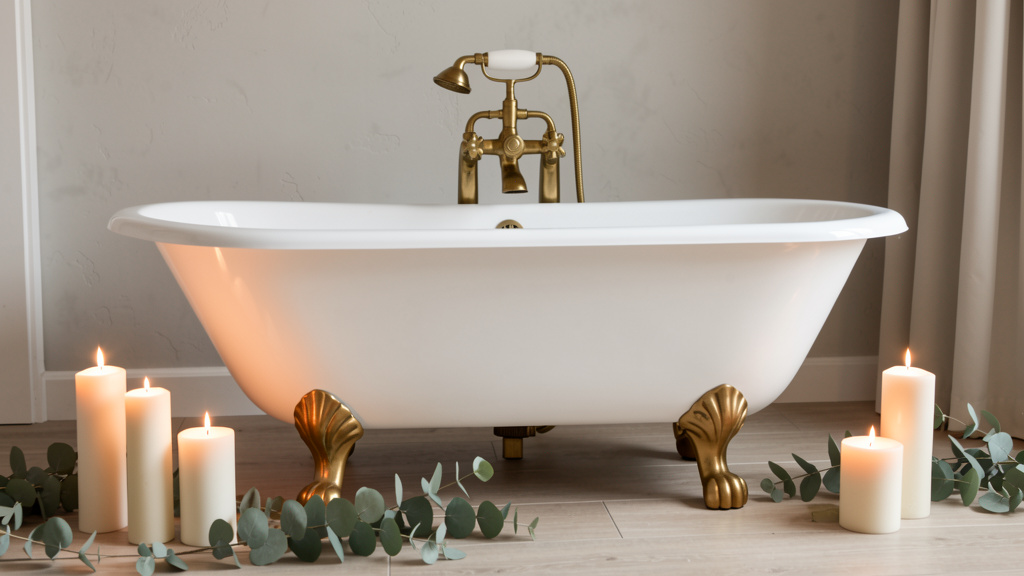
Discover how to transform your bathroom into a deeply personal haven with our meticulously researched exploration of seven distinct aesthetics, blending spatial psychology, practical implementation strategies, and timeless design principles.
Your bathroom is far more than a utilitarian space—it’s the quiet theater of your morning ritual, the sanctuary for evening unwinding, and a profound reflection of your inner world. Yet navigating the vast landscape of bathroom styles—from the misty tranquility of a spa retreat to the intricate soul of vintage elegance—can feel overwhelming. This guide transcends fragmented inspiration. We’ve synthesized established design methodologies, environmental psychology insights, and real-world implementation considerations to deliver a living framework. Whether renovating a compact powder room or reimagining a primary suite, you’ll find not just visual direction, but a thoughtful pathway to a space that genuinely serves your life, values, and spirit. No jargon, no fluff—just clear, actionable wisdom to guide your journey from intention to transformation.
Introduction: Beyond Tiles and Towels—The Psychology of Your Personal Sanctuary
Walk into any thoughtfully designed bathroom, and you feel it immediately: a shift in mood, a slowing of breath, a sense of arrival. This isn’t accidental. Environmental psychology research consistently demonstrates that our surroundings directly influence stress levels, cognitive clarity, and emotional restoration. Bathrooms, uniquely, are spaces of vulnerability and renewal—places where we begin and end our days in states of transition. The most successful designs honor this duality: functional efficiency paired with sensory nourishment.
Design principles consistently show that the most satisfying bathroom transformations are defined not by budget size or square footage, but by intentional alignment. When the chosen aesthetic resonates with the user’s daily rituals, emotional needs, and the home’s architectural narrative, the space transcends decoration and becomes deeply meaningful. A hurried parent finds calm in streamlined organization; a history enthusiast feels connected through authentic period details; someone prioritizing wellness draws strength from serene, accessible design. This guide is built on that foundational insight. We move beyond “what looks nice” to explore why certain styles resonate, how they function in real life, and how to adapt them authentically to your specific context—your light, your layout, your life. This isn’t about replicating a magazine spread; it’s about cultivating a sanctuary that feels unmistakably, peacefully yours.
The Sanctuary Spectrum: A Framework for Intentional Style Selection
Choosing a bathroom style shouldn’t feel like picking a random theme. It’s a deeply personal decision intertwined with your home’s story, daily habits, and emotional needs. To cut through the noise, we introduce the Sanctuary Spectrum Framework—a practical, four-step methodology developed through synthesis of established spatial design principles and common implementation considerations. This framework shifts focus from fleeting trends to enduring resonance, ensuring your choices feel authentic and sustainable.
Step 1: Map Your Rituals and Emotional Needs (The “Why” Behind the Style)
Before considering a single tile sample, pause and reflect inward. Grab a notebook. For three days, jot down notes about your bathroom interactions:
* Morning Ritual (5-15 mins): Are you rushing? Do you need energizing light and efficient storage? Or do you savor a slow shave, applying skincare with intention?
Evening Unwind (10-30+ mins): Is this your decompression chamber? Do you crave dimmable lighting, aromatherapy, a deep soak? Do you read, listen to music, or practice mindfulness here?
Emotional Goal: What feeling should this space evoke? Calm? Joy? Nostalgia? Groundedness? Be specific. “Relaxing” is vague; “the feeling of stepping into a quiet forest after rain” is actionable.
Why this step is crucial: A “spa” style chosen solely because it’s popular will feel hollow if your reality is a chaotic household needing maximum storage and durability. Conversely, vintage details may bring deep joy to someone who cherishes history, even in a modern home. This step anchors your entire project in your truth, preventing costly regret.
Common mistake to avoid: Skipping this reflection and jumping straight to visual platforms. You’ll collect beautiful images, but without understanding why they appeal to you, creating cohesion becomes difficult.
Practical exercise: Write one sentence: “My ideal bathroom helps me ______ every day.” Fill the blank with a verb: breathe, recharge, feel capable, connect with beauty, prepare with confidence. This sentence becomes your North Star.
Step 2: Audit Your Space and Architectural Context (The “What Is”)
Honest assessment prevents heartbreak later. Measure meticulously. Photograph every angle, especially corners and plumbing locations. Note non-negotiables:
Fixed Elements: Window placement/size (critical for natural light assessment), door swing direction, existing plumbing stack locations (moving these significantly increases cost and complexity), ceiling height, structural beams.
Home’s Architectural Language: Is your house Craftsman bungalow, mid-century ranch, Victorian, contemporary? A starkly modern bathroom in a 1920s Tudor can feel jarring unless intentionally bridged. Observe details elsewhere: wood tones, molding profiles, window styles.
Traffic Flow:* Is this a shared family bathroom? A guest powder room? A primary ensuite? High-traffic areas demand durable, easy-clean surfaces; a private retreat allows for more delicate choices.
Why this step is crucial: Ignoring architectural context creates visual dissonance. A clawfoot tub is dreamy, but will it fit through the doorway? Will its placement block the toilet? Will the weight require floor reinforcement? This step grounds inspiration in reality.
Hypothetical example: A homeowner seeking coastal serenity in a windowless basement bathroom might channel the aesthetic through textured plaster walls mimicking sandstone, strategic cove lighting simulating dawn, and driftwood-look vanity accents—creating a cave-like retreat authentic to the space’s constraints, rather than forcing bright blues that would feel artificial.
Budget-conscious alternative: Can’t move plumbing? Design around it. A beautifully tiled niche can conceal an awkward pipe; a custom vanity can be built to fit precisely over existing fixtures.
Step 3: Define Your Budget Realistically (The “How Much”)
“Budget” isn’t just a number; it’s a strategic allocation tool. Break it into tiers:
Non-Negotiables (50-60%): Structural safety, plumbing, electrical, waterproofing. Never compromise here. A leak behind a beautiful wall compromises everything.
High-Impact Elements (25-35%): Items defining the style’s core: vanity, shower system, primary tile selection, lighting fixtures.
Flexible/Replaceable (10-15%):* Accessories, towels, art, plants. These can evolve over time.
Why this step is crucial: Emotional spending on visible items while skimping on foundational work leads to long-term issues. This tiered approach ensures integrity while allowing stylistic expression where it matters most.
Common mistake to avoid: Focusing only on the “pretty” items visible in mood boards. The unseen work (waterproofing membranes, proper slope on shower pans) is what guarantees longevity and peace of mind.
Pro insight: Allocate 10-15% of your total budget as a contingency fund. Unexpected conditions (subfloor issues, outdated wiring) are common in renovations. This buffer prevents project delays or compromising on critical fixes. Note: Budget ranges cited later are approximate estimates; actual costs vary significantly by geographic location, material availability, labor rates, and project scope. Always obtain multiple detailed quotes from licensed professionals.
Step 4: Identify Your Style Anchors (The “How”)
You don’t need to commit to one pure style. Most compelling spaces blend elements thoughtfully. Identify 1-3 “anchor” pieces that embody your core aesthetic. These become your design compass:
Spa Anchor: A specific freestanding soaking tub shape (e.g., Japanese ofuro style).
Vintage Anchor: An authentic salvaged pedestal sink or a specific era’s tile pattern (e.g., 1920s hexagon mosaic).
Modern Anchor:* A particular minimalist wall-mounted faucet design.
Why this step is crucial: Anchors prevent “style drift”—where elements feel randomly assembled. Every subsequent choice (tile color, hardware finish, mirror style) is evaluated against: “Does this support or harmonize with my anchor?”
Analogy: Think of your anchor like the lead instrument in a song. Other elements support and harmonize; they don’t compete for the spotlight.
Counter-example: Pairing a heavily ornate Victorian mirror with ultra-sleek frameless glass shower doors and concrete-look tile often creates visual tension unless deliberately styled as “eclectic.” Anchors provide cohesion.
The Fundamental Principle: True sanctuary emerges not from perfect adherence to a style label, but from the intentional harmony between your inner needs, your physical space, and the objects you choose to surround yourself with. Style is the language; your well-being is the message.
Deep Dive: Seven Iconic Bathroom Styles Explored
Now, let’s journey through seven distinct aesthetics. For each, we explore the philosophy, sensory details, practical execution, and nuanced considerations—moving far beyond surface-level descriptions to equip you with actionable knowledge.
Style 1: The Serene Spa Retreat
Philosophy & Emotional Resonance:
The spa bathroom draws inspiration from global wellness traditions—Japanese onsen, Scandinavian badstuga, and Balinese water temples. It’s not about replicating a resort; it’s about cultivating mindful presence. This style prioritizes sensory reduction (minimizing visual clutter, harsh sounds) and sensory enhancement (textural warmth, gentle light, natural scents). It answers the deep human need for restoration in an overstimulated world. The goal is to step in feeling frazzled and step out feeling centered.
Core Color Palette:
Foundation: Warm whites (e.g., Benjamin Moore White Dove, Sherwin-Williams Alabaster), soft greiges, barely-there taupes. Avoid stark, cool whites which can feel clinical.
Earthy Accents: Sage green, clay terracotta, warm sand, muted slate blue—colors found in nature after rain.
Depth Elements: Charcoal grey (used sparingly on fixtures or an accent wall), deep walnut wood tones.
Pro Tip: Test large paint samples on multiple walls at different times of day. Natural light dramatically alters how warm/cool a neutral reads.
Materials & Textures (The Sensory Layer):
Walls/Floors: Large-format porcelain tiles mimicking honed travertine or limestone (durable, low-maintenance). For authenticity: real honed marble (requires sealing, develops patina) or tadelakt plaster (Moroccan technique, waterproof, velvety feel—specialist application needed). Pebble mosaic floors in the shower for gentle foot massage (ensure proper slope and drainage).
Wood Elements: Teak or sustainably sourced ipe for shower benches, stools, or vanity accents (naturally water-resistant). Avoid untreated softwoods which warp.
Textiles: Heavyweight, long-staple cotton or linen towels in oatmeal, stone, or soft grey. Waffle-weave textures add visual interest and dry faster. Bamboo bath mats.
Why Texture Matters: Smooth tiles feel cool and clean; a teak stool adds warmth underfoot; a nubby linen robe hook invites touch. Layering textures creates depth without visual noise.
Fixtures & Hardware:
Tub: Freestanding soaking tub (Japanese ofuro style—deep, straight sides; or oval slipper tub). Position to face a window or calming view. Deck-mounted or wall-mounted fillers preferred for clean lines.
Shower: Large-format tile with minimal grout lines. Rainfall showerhead (minimum 8″ diameter) paired with a handheld wand on a slide bar. Consider a built-in bench. Frameless glass enclosure or open wet-room design (requires expert waterproofing).
Faucets/Vanity: Wall-mounted faucets eliminate deck clutter. Matte black, brushed nickel, or unlacquered brass (develops a living patina). Floating vanity in light oak or painted finish for airy feel.
Critical Detail: Thermostatic mixing valves for shower/tub—ensure consistent, safe water temperature, essential for true relaxation.
Lighting Strategy:
Ambient: Recessed LED downlights (2700K-3000K color temperature) on dimmers. Avoid bright, shadow-casting single overhead lights.
Task: Vertical sconces flanking the mirror (provides even, shadow-free light for grooming). Integrated LED strips under floating vanity.
Accent: Small, discreet LED puck lights inside niches; candle-style LED bulbs in wall sconces for evening ambiance.
Pro Insight: Layer at least three light sources. Dimmers are essential—they transform the space from functional morning prep to serene evening unwind with a slide of a finger.
Accessories & Styling:
Storage: Recessed niches in shower (lined with contrasting tile for definition). Woven seagrass or teak baskets under vanity for towels/toiletries. Open shelving sparingly—only display beautiful, cohesive items (a single ceramic vessel, folded towels).
Greenery: Peace lily (thrives in humidity), snake plant, or air plants in a small ceramic dish. Avoid high-maintenance plants.
Sensory Touches: A small essential oil diffuser (lavender, eucalyptus). Natural loofahs or konjac sponges displayed in a teak tray. A single piece of smooth river stone on the windowsill.
Common Pitfall: Over-accessorizing. Spa style thrives on emptiness. Edit ruthlessly. If an item doesn’t serve function or deep calm, remove it.
Budget Considerations & Adaptive Solutions:
Entry-Level ($5k-$15k approx.): Focus on paint, lighting upgrades, new hardware, high-quality towels/textiles, and decluttering. Refinish existing tub. Use large-format ceramic tile.
Mid-Range ($15k-$40k approx.): Replace vanity, install new shower system with rainfall head, update tile in wet areas, add recessed lighting.
High-End ($40k+ approx.): Freestanding tub, custom floating vanity, full tile overhaul with natural stone/plaster, smart shower system, heated floors, dedicated steam shower.
Smart Allocation: Invest in the shower experience (valve, head) and lighting—used daily. Save on accessories you can swap later.
Small Space Adaptation: Use large mirrors to amplify light, choose warm-toned neutrals, incorporate vertical storage. Avoid heavy dark elements.
Family Consideration: Prioritize closed storage (linen closet nearby), use durable finishes, designate “kid zones” with colorful baskets that can be tucked away.
Maintenance Note:* Natural stone requires regular sealing. Matte finishes show water spots less than polished chrome but may need specific cleaners. Research care requirements upfront.
Style 2: Timeless Traditional
Philosophy & Emotional Resonance:
Traditional style speaks to comfort, order, and enduring elegance. Rooted in European and American architectural heritage (Georgian, Federal, Colonial Revival), it evokes stability, refinement, and a sense of “home.” It’s not stuffy formality; it’s the quiet confidence of well-proportioned spaces, quality craftsmanship, and details that feel familiar yet special. This style resonates with those who value heritage, appreciate symmetry, and seek a space that feels welcoming and polished without being trendy. It’s the visual equivalent of a perfectly tailored wool coat—classic, reliable, and deeply comforting.
Core Color Palette:
Foundation: Crisp whites (e.g., Benjamin Moore Chantilly Lace), warm creams (Sherwin-Williams Accessible Beige), soft blues (Benjamin Moore Palladian Blue), sage greens.
Accent Colors: Navy blue, burgundy, forest green—used sparingly in accessories or on a single vanity.
Wood Tones: Medium cherry, warm walnut, painted finishes (white, cream, soft grey). Avoid very dark espresso or cool grey stains which feel contemporary.
Pro Tip: Traditional palettes often use a “tonal” approach—varying shades of one color family (e.g., cream walls, oatmeal towels, warm white tile) for sophisticated harmony.
Materials & Textures:
Walls: Wainscoting (classic beadboard or raised panel) up to chair-rail height, painted in a contrasting or complementary color to the upper wall. Wallpaper above wainscoting is a hallmark—floral, damask, or subtle stripe patterns. For durability in humid areas, use vinyl-coated or washable wallpaper.
Floors: Hexagon mosaic tile (black/white or cream/grey), subway tile with dark grout, or wide-plank hardwood (requires proper sealing; better suited for powder rooms).
Countertops: Carrara marble (classic veining), honed granite, or solid surface materials mimicking stone.
Why Details Matter: The shadow line created by wainscoting adds architectural interest. The slight texture of beadboard catches light softly. These subtle layers create visual richness without overwhelming the space.
Fixtures & Hardware:
Vanity: Double-sink console table style with turned legs, or a substantial cabinet with raised-panel doors. Apron-front (farmhouse) sink is a popular traditional variant.
Faucets: Widespread or centerset faucets with cross handles (hot/cold indicators) or elegant lever handles. Polished brass, oil-rubbed bronze, or chrome.
Tub: Alcove tub with a classic apron front, often surrounded by tile wainscoting. Clawfoot tubs lean more vintage (see Style 3).
Hardware: Crystal or glass knobs on cabinets. Decorative towel bars and rings. Ornate mirror frames (gilt, wood, or black metal).
Critical Detail:* Symmetry is key. Sconces should flank the mirror at equal heights. Towel bars centered on the vanity. This creates the ordered, balanced feel central to traditional design.
Lighting Strategy:
Ambient: A central chandelier or semi-flush mount fixture with crystal or fabric shades.
Task: Wall-mounted sconces with fabric shades (provides soft, diffused light). Avoid bare bulbs.
Accent: Small picture lights above artwork; discreet under-cabinet lighting on vanity.
Pro Insight: Choose fixtures with visible “hardware”—brass arms, crystal drops. These details catch the light and add layers of interest, especially when dimmed in the evening.
Accessories & Styling:
Textiles: Plush towels with decorative borders (embroidered monograms, woven stripes). A tailored shower curtain with a classic pattern (toile, floral) on a decorative rod with finials.
Decor: Framed botanical prints or vintage maps in matching frames. A small porcelain lidded jar for cotton balls. A decorative soap dispenser and toothbrush holder set. Fresh flowers in a small vase.
Storage: Linen closet with neatly folded stacks of towels. Wicker baskets for hidden storage of less attractive items.
Common Pitfall: Cluttering surfaces. Traditional style embraces curated display. Keep countertops clear except for 2-3 beautiful items. Use drawer organizers inside vanities.
Budget Considerations & Adaptive Solutions:
Entry-Level ($4k-$12k approx.): Paint walls, install beadboard wainscoting (DIY-friendly), update lighting fixtures and hardware, add a classic shower curtain and quality towels. Refinish existing vanity.
Mid-Range ($12k-$35k approx.): Replace vanity with traditional style, install new tile floor (hexagon mosaic), update tub surround, add wallpaper above wainscoting.
High-End ($35k+ approx.): Custom cabinetry with raised panels, Carrara marble countertops and shower walls, crystal chandelier, antique or reproduction fixtures, custom millwork.
Smart Allocation: Invest in the vanity and lighting—they define the traditional character. Save on tile by choosing classic subway tile with dark grout; it’s affordable and timeless.
Modern Home Integration: Bridge the gap. Use a traditional-style vanity in a matte grey finish; choose a simpler chandelier with clean lines; limit wallpaper to a single accent wall.
Small Space Tip: Avoid heavy, dark wood vanities. Opt for a painted white console sink to maintain airiness. Use vertical space with tall, narrow mirror and sconces.
Maintenance Note:* Marble countertops etch with acidic substances (perfume, citrus). Seal regularly and use coasters. Beadboard requires careful cleaning in grooves. Consider PVC beadboard alternatives for easier maintenance.
Style 3: Vintage & Antique Charm
Philosophy & Emotional Resonance:
Vintage style is storytelling in three dimensions. It celebrates history, craftsmanship, and the unique patina of age. It’s not about creating a museum piece, but weaving threads of the past into a functional present—honoring the artistry of bygone eras while adapting it for modern life. This style resonates deeply with collectors, history enthusiasts, and those who find beauty in imperfection (the Japanese concept of wabi-sabi). It evokes nostalgia, curiosity, and a sense of connection to generations past. Each variation in handmade tile, each gentle wear mark on porcelain, holds narrative weight. It’s for the soul that finds more meaning in a slightly imperfect, soulful object than in mass-produced perfection.
Defining Eras & Key Signatures (Choose Your Chapter):
Victorian (1837-1901): Ornate details. Clawfoot tubs (often with decorative feet), pedestal sinks with intricate porcelain patterns, dark wood vanities with carved details, floral or damask wallpaper, gasolier-style lighting (converted to electric). Colors: Deep jewel tones (emerald, ruby), cream, gold accents.
Art Deco (1920s-1930s): Geometric glamour. Bold black-and-white tile patterns (chevron, sunbursts), chrome or nickel fixtures with angular lines, stepped mirror frames, vanity tables with integrated seating. Colors: Black, white, chrome, accents of emerald, sapphire, or coral.
Mid-Century Modern (1940s-1960s): Organic modernism. Floating vanities with tapered legs, sunken or platform tubs, large-format ceramic tile in earthy tones (use neutrals or reinterpret classic colors), starburst mirrors, sputnik chandeliers. Colors: Mustard yellow, olive green, burnt orange, teak wood, cream.
Shabby Chic (1980s-Present): Romanticized vintage. Distressed white or pastel-painted furniture, floral fabrics, vintage-inspired fixtures with porcelain handles, lace curtains, mismatched accessories with a cohesive color story. Colors: Blush pink, powder blue, cream, sage green.
Critical Insight:* Authenticity matters. Research your chosen era. A Victorian clawfoot tub paired with Art Deco tile creates confusion unless deliberately styled as “eclectic vintage.” Pick one primary era as your anchor.
Sourcing Authentic & Ethical Elements:
Salvage Yards: Treasure troves for clawfoot tubs, pedestal sinks, vanities, doors, hardware. Inspect thoroughly for cracks (porcelain), rust (metal), structural integrity. Factor in restoration costs (reporcelainizing a tub can be significant).
Antique Stores & Estate Sales: Ideal for mirrors, light fixtures, small furniture (vanity stools), accessories. Verify electrical safety on old fixtures—rewiring is often necessary.
Reproduction Specialists: Companies offer new fixtures meticulously crafted to historical specifications. Often more reliable and cost-effective than restoring antiques, with modern plumbing compatibility.
Ethical Note: When sourcing salvaged items, inquire about provenance. Support businesses that ethically deconstruct buildings. Avoid items stripped from historically significant structures without permission.
Pro Tip: Take precise measurements before* visiting salvage yards. Bring photos of your space. Many yards won’t hold items, so be prepared.
Materials & Textures:
Tile: Hexagon mosaic (Victorian), penny tile, encaustic cement tile (Art Deco patterns), subway tile with dark grout (historically accurate). Avoid large-format modern tiles unless blending styles intentionally.
Surfaces: Butcher block countertops (sealed for moisture resistance), repurposed wood vanities, porcelain enamel on cast iron (tubs, sinks).
Textiles: Linen shower curtains, vintage Turkish towels (peshtemals), lace or eyelet trim on curtains.
Why Patina is Precious: The slight crazing (fine cracks) in old porcelain, the warm glow of aged brass—these are not flaws. They are evidence of history and use. Embrace them. Avoid over-polishing antique brass; its soft luster is part of its charm.
Fixtures & Hardware (The Heart of Vintage):
Tub: Clawfoot is iconic. Consider:
* Roll rim: Classic rolled edge.
* Slipper: One or both ends raised for reclining.
* Pedestal: Rests on decorative feet.
* Note: Ensure floor structure can support weight (500+ lbs when full). Requires floor-mounted faucet or wall-mounted with exposed pipes (part of the charm!).
Sink: Pedestal sinks (space-saving, elegant), console tables with vessel sinks, or repurposed antique furniture converted to vanities (requires skilled plumbing).
Faucets: Cross-handle faucets (hot/cold clearly marked), porcelain lever handles, bridge faucets. Unlacquered brass develops a beautiful living patina over time—highly desirable in vintage design.
Hardware: Bin pulls on vanities, porcelain knobs, antique-style towel bars with ball ends.
Critical Detail: Exposed plumbing pipes (in brass or chrome) are often a feature*, not something to hide. They add industrial-era authenticity. Ensure they are properly secured and finished.
Lighting Strategy:
Ambient: Converted gasoliers (Victorian), geometric glass globes (Art Deco), starburst mirrors with integrated lights (MCM).
Task: Swing-arm wall lamps (ideal for reading), vintage-style sconces with fabric shades.
Accent: Small table lamps on vanity counters (if space allows), candle-style LED bulbs for warm glow.
Pro Insight: Dimmer switches are essential. Vintage lighting often has lower lumen output. Dimmers allow perfect mood setting and protect delicate fixtures from constant full brightness.
Accessories & Styling:
Curated Collections: Display 3-5 apothecary jars filled with cotton balls, Q-tips, bath salts. Group vintage perfume bottles. Hang a collection of antique hand mirrors.
Textiles: Use vintage linens as shower curtains (line with modern waterproof fabric) or framed as art.
Greenery: Ferns in vintage brass planters, ivy trailing from a high shelf.
Common Pitfall: “Thrift store clutter.” Vintage is about curation, not accumulation. Every item should have intention—beauty, function, or story. Edit mercilessly.
Safety Note:* Never use actual antique electrical fixtures without professional inspection and rewiring. Modern LED bulbs run cooler and are safer in old fixtures.
Budget Considerations & Adaptive Solutions:
Entry-Level ($3k-$10k approx.): Focus on accessories! Vintage mirror, apothecary jars, framed botanical prints, vintage-style hardware on existing vanity, linen shower curtain. Paint walls in era-appropriate color.
Mid-Range ($10k-$30k approx.): Source a salvaged clawfoot tub (factor in refinishing), install period-appropriate tile floor (hexagon mosaic), replace vanity with reproduction console sink, update lighting with vintage-style fixtures.
High-End ($30k+ approx.): Full restoration of multiple salvaged pieces, custom cabinetry mimicking antique furniture, extensive tile work with encaustic cement or handmade tile, professional rewiring of antique lighting.
Smart Allocation: Splurge on one major authentic piece (the tub or vanity)—it becomes the soul of the room. Save on tile by using classic subway tile with dark grout; it reads vintage. Reproduction fixtures offer vintage look with modern reliability.
Modern Plumbing Integration: Work with a plumber experienced in vintage installations. Reproduction fixtures often have modern valve cartridges hidden within period-correct exteriors—a best-of-both-worlds solution.
Small Space Strategy: A vintage-style wall-mounted sink (like a “corner sink” reproduction) saves massive floor space. Pair with a compact pedestal or console. Use vertical storage with vintage-inspired shelves.
Resale Consideration:* Highly personalized vintage spaces may not appeal to all buyers. If resale is a near-term concern, lean towards “vintage-inspired” with easily changeable elements (paint, accessories) rather than permanent, era-specific fixtures.
Style 4: Modern Minimalist
Philosophy & Emotional Resonance:
Modern Minimalism is the art of essentialism. It draws from Bauhaus principles (“form follows function”) and Japanese ma (the beauty of negative space). It’s not cold austerity; it’s intentional clarity. Every element earns its place through purpose or profound beauty. This style resonates with those overwhelmed by visual noise, who find peace in order, and value precision and craftsmanship. It creates a mental reset—a space where the mind can quiet because the environment is uncluttered and logical. It’s the visual equivalent of a deep, cleansing breath. The luxury lies not in ornamentation, but in the quality of materials, the perfection of a line, and the profound calm of emptiness.
Core Color Palette:
Foundation: True whites, warm greys, deep charcoals. Monochromatic schemes are powerful.
Accent Strategy: Minimal. A single material provides contrast: warm wood tone (oak, walnut), black metal, or a textured neutral (concrete, plaster). Avoid color accents unless deeply intentional.
Pro Tip: “White” has temperature. For warmth: Benjamin Moore White Dove. For cool precision: Sherwin-Williams Pure White*. Test large samples under your lighting.
Materials & Textures (Quality Over Quantity):
Walls/Floors: Large-format porcelain slabs (mimicking concrete, honed stone, or wood) with minimal grout lines (1/16″ or rectified edges). Micro-cement walls (seamless, sculptural). Painted drywall with perfect corners.
Critical Principle: Material honesty. Let materials be themselves. Exposed concrete should look like concrete, not be painted to look like wood. The beauty is in the raw texture.
Texture as Interest: Since color is limited, texture is paramount. A honed concrete-look tile has subtle variation. A slatted wood wall panel adds warmth and shadow play. A ribbed plaster wall catches light dynamically.
Why It Works: Large surfaces without visual interruption create a sense of expansiveness and calm. The eye isn’t distracted by busy patterns.
Fixtures & Hardware (The Sculptural Element):
Vanity: Floating design (creates illusion of space, easy floor cleaning). Integrated sink (no visible seam between counter and basin). Materials: Solid surface (Corian), matte lacquer, natural stone slab, or warm wood veneer.
Faucets: Wall-mounted is ideal (eliminates deck clutter). Single-hole designs. Geometric shapes (square, cylindrical). Matte black, brushed nickel, or unlacquished brass.
Shower/Tub: Frameless glass enclosure (maximizes sightlines). Alcove tub with clean lines, or seamless wet-room design. Rainfall showerhead flush-mounted into ceiling.
Hardware: Recessed or minimalist protruding handles. No visible screws if possible.
Critical Detail:* Precision installation is non-negotiable. Grout lines must be perfectly straight. Edges must be crisp. A poorly installed minimalist space looks unintentional, not intentional. Skilled tradespeople are essential.
Lighting Strategy (Integrated & Invisible):
Ambient: Recessed linear LED cove lighting (hidden behind floating vanity or ceiling bulkhead), providing soft, shadow-free wash. Recessed downlights with precise beam angles.
Task: Integrated LED strips under floating vanity. Minimalist wall sconces with hidden light sources.
Philosophy: Light should illuminate the space, not draw attention to the fixture. Fixtures themselves are often hidden or reduced to pure geometric forms.
Pro Insight: High CRI (Color Rendering Index >90) LED bulbs are essential. They render colors accurately (critical for grooming) and feel more natural, avoiding the harsh, flat light of lower-quality LEDs.
Storage & Concealment (The Secret to Serenity):
Core Tenet: “A place for everything, and everything in its place.” Clutter is the enemy of minimalism.
Solutions: Deep drawers with soft-close mechanisms and custom inserts (for toiletries, hair tools). Recessed medicine cabinets with mirrored fronts that blend into the wall. Linen closets with matching bins.
Styling Rule: Countertops must be completely clear. Towels stored in a nearby closet or discreet basket. Only the most essential, beautifully designed items displayed (e.g., a single sculptural soap dispenser).
Common Pitfall: Underestimating storage needs. Minimalism requires more thoughtful storage planning, not less. Design storage first, then aesthetics.
Budget Considerations & Adaptive Solutions:
Entry-Level ($6k-$18k approx.): Paint walls crisp white, replace hardware with minimalist pulls, install recessed lighting, declutter ruthlessly, add a floating shelf (if storage allows). Focus on editing existing space.
Mid-Range ($18k-$50k approx.): Install floating vanity, update tile to large-format neutral, frameless glass shower enclosure, upgrade to high-quality minimalist fixtures and lighting.
High-End ($50k+ approx.): Custom floating vanity with integrated sink, micro-cement walls/floors, seamless wet-room, smart mirror with integrated lighting/defogger, hidden cove lighting system, heated floors.
Smart Allocation: Invest heavily in cabinetry and storage solutions—they define the minimalist experience. Save on tile by choosing large-format porcelain that mimics expensive materials (concrete, stone).
Warmth Challenge: Can feel sterile if not carefully executed. Solution: Introduce one warm material—light oak vanity, teak stool, textured plaster wall. Use warm-white lighting (2700K-3000K). Add a single live plant (snake plant, ZZ plant).
Family Reality: Hard with kids’ toys and multiple products. Solution: Designated “clutter zones” behind closed doors (linen closet with labeled bins). Use uniform containers for shared items. Teach the “everything has a home” principle early.
Architectural Context:* Can clash in historic homes. Solution: Bridge styles. Use minimalist fixtures but in a warm brass finish; pair floating vanity with a vintage-inspired mirror; keep original moldings painted white for subtle contrast.
Style 5: Rustic Farmhouse
Philosophy & Emotional Resonance:
Rustic Farmhouse style taps into a deep yearning for authenticity, simplicity, and connection to nature. Inspired by rural barns, country cottages, and agrarian life, it celebrates raw materials, handcrafted imperfection, and cozy functionality. It’s not about literal replication (no one wants an actual barn door in a tiny bathroom!), but capturing the feeling: warmth, welcome, unpretentious comfort, and a sense of being grounded. This style resonates with those who value sustainability (reclaimed materials), cherish family heirlooms, and seek a retreat from digital overload—a space that feels lived-in, loved, and genuinely home. It’s the visual equivalent of a warm hug and a cup of tea on a cold day.
Core Color Palette:
Foundation: Warm whites (Sherwin-Williams Alabaster), creamy off-whites, soft greys with brown undertones.
Earthy Accents: Sage green, barn red (used very sparingly as an accent), mustard yellow, deep navy.
Wood Tones: Reclaimed barn wood (greyed/weathered), natural oak, walnut. Avoid yellow pine or overly orange stains.
Pro Tip: Layer whites and creams. A white subway tile wall, cream towels, and an off-white woven basket create depth without color.
Materials & Textures (The Soul of the Style):
Wood: Reclaimed wood for vanities, shelving, or accent walls (ensure properly sealed for humidity). Shiplap walls (painted white or stained lightly). Butcher block countertops (sealed meticulously).
Metal: Black iron (for towel bars, hooks, light fixtures), galvanized steel (for buckets, bins), aged brass.
Textiles: Woven seagrass or jute rugs (in low-moisture areas like powder rooms), linen shower curtains, chunky knit cotton towels.
Tile: Subway tile (classic 3×6″ with dark grey or black grout—historically accurate and adds character), hexagon mosaic, encaustic cement tile with simple patterns.
Why Imperfection Matters:* Knots in wood, variations in reclaimed planks, slight waviness in handmade tile—these are features, not flaws. They tell a story of human hands and natural origin. Avoid perfectly uniform, machine-perfect materials where possible.
Fixtures & Hardware:
Vanity: Apron-front (farmhouse) sink is iconic. Can be set into a custom wood cabinet, console table base, or repurposed antique dresser (requires skilled conversion).
Faucets: Bridge faucets, widespread faucets with cross handles or simple levers. Oil-rubbed bronze, matte black, or aged brass finishes.
Tub: Clawfoot tub (reinforces vintage-rustic blend), or a simple alcove tub with a wood surround.
Hardware: Black iron towel bars with ball ends, cup hooks for hanging towels, wire baskets for storage.
Critical Detail:* Mix metals thoughtfully. Black iron fixtures with aged brass drawer pulls can work if balanced. Avoid mixing more than two metal finishes.
Lighting Strategy:
Ambient: Black iron chandelier with Edison bulb-style LEDs (warm 2200K-2700K), galvanized pendant lights.
Task: Black iron wall sconces with simple shades.
Atmosphere: Edison bulbs are key—they emit a warm, amber glow reminiscent of candlelight or early electric lighting. Use dimmers.
Pro Insight: Avoid overly ornate or shiny fixtures. Look for pieces with visible welds, hammered textures, or simple geometric shapes that feel hand-forged.
Accessories & Styling (Curated Coziness):
Storage: Galvanized buckets for toilet paper or bath toys, wire baskets under vanity, open wood shelves displaying neatly folded towels and apothecary jars.
Textiles: Linen shower curtain with simple tie closures, vintage grain sack towels (or reproductions), chunky knit cotton bath mat.
Decor: Small potted herbs (lavender, mint) on windowsill, framed vintage botanical prints, a small stack of well-loved books, a wooden stool for holding towels or plants.
Common Pitfall: “Theme Park Farmhouse.” Avoid excessive rooster motifs, fake hay bales, or overly distressed furniture that looks cheap. Authenticity comes from material honesty and restraint.
Modern Farmhouse Nuance:* This popular sub-style leans cleaner—shiplap painted crisp white, black fixtures, simpler lines. It bridges rustic warmth with contemporary minimalism. Ensure wood elements have warmth (light oak) to avoid coldness.
Budget Considerations & Adaptive Solutions:
Entry-Level ($4k-$12k approx.): Paint walls white, install shiplap accent wall (DIY-friendly with pre-primed boards), update hardware to black iron, add linen shower curtain and textured towels, display items in galvanized buckets/wire baskets.
Mid-Range ($12k-$35k approx.): Install apron-front sink vanity, replace tile with subway tile and dark grout, update lighting to black iron fixtures, add reclaimed wood shelf.
High-End ($35k+ approx.): Custom reclaimed wood vanity with integrated apron sink, full shiplap walls, custom ironwork fixtures, high-end reproductions of antique elements.
Smart Allocation: Splurge on the vanity/sink—it’s the focal point. Save on tile; classic white subway tile with dark grout is affordable and timeless. DIY shiplap or open shelving for significant savings.
Small Space Strategy: Avoid heavy dark wood vanities. Use a wall-mounted apron sink or console table base to keep floor visible. Paint shiplap white. Use vertical space with tall, narrow open shelves.
Humidity Challenge (Reclaimed Wood): Critical! Reclaimed wood must be properly sealed with marine-grade polyurethane or epoxy for bathroom use. Never use untreated reclaimed wood near showers or sinks. Consider high-quality wood-look porcelain tile for the appearance of wood with zero moisture risk.
Modern Home Integration:* Lean into “Modern Farmhouse.” Use clean-lined vanity in light oak, black fixtures, white shiplap, and minimal accessories. Focus on the warmth of materials rather than rustic details.
Style 6: Coastal & Nautical
Philosophy & Emotional Resonance:
Coastal style is an invitation to breathe deeply. It captures the essence of the shoreline—not the literal clichés of anchors and ship wheels, but the feeling: light, airiness, tranquility, and the rhythmic calm of the sea. It draws from Mediterranean villas, New England seaside cottages, and tropical resorts. This style resonates with those who find peace near water, crave a sense of escape within their home, and value light-filled, uplifting spaces. It’s not about replicating a beach house if you live inland; it’s about channeling the psychology of the coast—openness, freshness, and natural ease. It’s the visual equivalent of the sound of waves and the smell of salt air.
Core Color Palette (Beyond Basic Blue):
Foundation: Crisp whites (Benjamin Moore Chantilly Lace), warm sandy beiges, soft greys with blue undertones.
Water-Inspired Accents: Not primary colors. Think:
* Sky: Pale powder blue, dove grey
* Sea: Seafoam green, muted aqua, deep navy (as an accent)
* Sand: Oatmeal, warm taupe, driftwood grey
* Coral: Blush pink, terracotta (sparingly)
Critical Insight:* Avoid bright royal blue, fire-engine red, or neon colors. Authentic coastal palettes are muted, weathered, and drawn from nature. Look at actual seashells, weathered driftwood, sea glass.
Materials & Textures (Evoking the Shore):
Walls: Beadboard wainscoting (painted white), grasscloth wallpaper (adds subtle texture and warmth—use in low-humidity powder rooms or ensure proper ventilation), limewash paint (matte, textured finish reminiscent of Mediterranean stucco).
Floors: Large-format tile mimicking weathered wood (porcelain is ideal—waterproof), hexagon mosaic in white/grey, terracotta tile (sealed).
Natural Elements: Rattan or seagrass light fixtures, woven baskets for storage, driftwood mirror frame, shell-encrusted accessories (use sparingly).
Why Texture is Key: Smooth white walls feel flat. Beadboard adds shadow lines. Grasscloth has organic variation. A woven stool has tactile warmth. These layers create visual interest without color clutter.
Fixtures & Hardware:
Vanity: Painted white shaker-style cabinet, light oak floating vanity, or repurposed antique dresser (coastal cottage feel).
Faucets: Brushed nickel, matte black, or unlacquered brass (develops a soft patina like weathered metal). Bridge faucets or simple lever handles.
Shower/Tub: Frameless glass enclosure to maintain openness. Freestanding tub positioned to “face the view” (even if it’s just a window with plants).
Hardware: Rope-wrapped towel bars (ensure sealed for moisture), brushed nickel hooks, ceramic knobs.
Critical Detail:* Maximize natural light. Keep window treatments minimal—simple linen Roman shades or sheer curtains. Mirrors should be large to reflect light and amplify the sense of space.
Lighting Strategy:
Ambient: Woven rattan or seagrass pendant lights, simple drum shades in natural linen.
Task: Sconces with fabric shades flanking mirror.
Atmosphere: Warm white bulbs (2700K). Avoid cool, blue-toned light which feels clinical.
Pro Insight: Layer lighting to mimic the changing coastal light—bright and airy for mornings, soft and golden for evenings. Dimmers are essential.
Accessories & Styling (Subtle Nods, Not Themes):
Textiles: Linen shower curtain, Turkish cotton towels (peshtemals—lightweight, quick-drying, textured), jute or sisal bath mat (in powder rooms; avoid in wet areas).
Decor:
* Authentic: A single piece of driftwood on a shelf, a small bowl of sea glass, a framed vintage nautical chart (not a mass-produced poster).
* Avoid: Plastic lobsters, anchor-shaped soap dishes, excessive rope. These feel like a theme park, not a sanctuary.
Greenery: Air plants (tillandsia) in a small shell or ceramic dish (require misting, not soil), eucalyptus hung in shower (releases scent with steam), snake plant.
Common Pitfall: Overdoing the “nautical” theme. True coastal style is serene and sophisticated. If someone walks in and immediately says “boat!”, you’ve gone too far. Aim for “I feel like I’m near the ocean,” not “I’m on a ship.”
Inland Adaptation: You don’t need ocean views. Create the feeling* through light, color, and texture. Position a comfortable chair by the window with a view of your garden. Use sounds: a small tabletop fountain. Scent: diffuser with sea salt or bergamot essential oil.
Budget Considerations & Adaptive Solutions:
Entry-Level ($3k-$10k approx.): Paint walls crisp white, add beadboard wainscoting (DIY), update hardware to brushed nickel, invest in high-quality linen-textured towels and a Turkish cotton shower curtain, display a single piece of driftwood or sea glass.
Mid-Range ($10k-$28k approx.): Install light wood-look tile floor, replace vanity with painted shaker style, update lighting to woven rattan fixtures, add grasscloth wallpaper accent wall (in well-ventilated space).
High-End ($28k+ approx.): Custom floating vanity in light oak, limewash plaster walls, large-format porcelain tile mimicking weathered wood, frameless glass shower, custom driftwood mirror.
Smart Allocation: Splurge on textiles (towels, shower curtain)—they provide the most immediate sensory coastal feel. Save on tile by choosing affordable wood-look porcelain. DIY beadboard wainscoting for significant character on a budget.
Small Space Magic: Coastal style is ideal for small bathrooms. Light colors and reflective surfaces (mirror, glass) make the space feel larger and airier. Use a large mirror. Keep clutter minimal.
Humidity & Natural Materials: Critical! Rattan, seagrass, and jute can mildew in high-humidity areas. Use them only in well-ventilated powder rooms or ensure excellent exhaust fan usage (run fan during and 20 mins after shower). Opt for synthetic rattan (resin wicker) for fixtures in steamy areas—it looks identical but is moisture-proof.
Avoiding Stereotypes: Move beyond “beach house.” Mediterranean coastal uses warmer terracotta tones and textured plaster. Hamptons style is more refined—crisp white, navy accents, polished nickel. Define your* coast.
Style 7: Eclectic & Global Fusion
Philosophy & Emotional Resonance:
Eclectic style is the ultimate expression of personal narrative. It fearlessly blends eras, cultures, and aesthetics into a cohesive whole that tells your unique story. It draws inspiration from Moroccan riads, Scandinavian hygge, Japanese wabi-sabi, Mexican folk art, and mid-century modernism—all in one space. This style resonates with travelers, collectors, artists, and anyone who rejects rigid design rules. It celebrates individuality, curiosity, and the beauty of unexpected combinations. The emotional payoff is profound: a space that feels deeply authentic, layered with meaning, and vibrantly alive. It’s not random chaos; it’s curated collision—where every object has intention, history, or joy attached to it. It’s the visual equivalent of a rich, complex novel you can step inside.
The Golden Rules of Successful Eclecticism:
1. Anchor in Neutrals: 60-70% of the space should be a cohesive neutral base (walls, large surfaces). This provides visual “breathing room” for bold elements.
2. Limit the Palette: Choose 1-2 dominant colors and 1-2 accent colors that appear throughout the space in different items. This creates hidden harmony.
3. Vary Scale & Texture: Mix large and small patterns. Combine smooth (glass, metal) with rough (clay, wood, woven). This creates dynamic interest without clashing.
4. Repeat Elements: Echo a shape (arches, circles), a material (brass, terracotta), or a color in at least three places. This subconsciously ties the room together.
5. Edit Ruthlessly: Eclectic does not mean cluttered. Every item must earn its place. If it doesn’t spark joy or serve a purpose, remove it.
Analogy:* Think of your bathroom as a jazz ensemble. The neutral base is the steady rhythm section. Your bold pieces are the soloists—each brilliant on its own, but harmonizing within the whole composition.
Building Your Global Palette (Examples):
Moroccan Meets Modern: Zellige tile (handmade Moroccan mosaic) in a shower niche, paired with a sleek floating vanity and matte black fixtures. Accent color: deep cobalt blue repeated in a small vase, towel trim, and artwork.
Scandinavian Meets Japanese: Light oak vanity and stool (Scandi), paired with a minimalist hinoki wood soaking tub (Japanese), textured plaster walls, and a single ikebana-style floral arrangement. Palette: warm whites, light wood, black accents.
Mexican Folk Art Meets Mid-Century: Vibrant Talavera tile as a backsplash behind sink, paired with a vintage 1960s sunburst mirror and a teak stool. Palette: terracotta, cobalt blue, mustard yellow, warm wood.
Critical Insight: Research cultural elements respectfully. Understand the significance of patterns or objects. Avoid appropriating sacred symbols. Support authentic artisans when possible.
Sourcing with Intention:
Travel Souvenirs: A hand-painted tile from Portugal, a carved wooden bowl from Bali, a small textile fragment framed as art. These hold deep personal meaning.
Local Artisans: Commission a ceramicist for a unique sink or vessel. Support local makers for mirrors, shelves, or accessories.
Thrift Stores & Flea Markets: Hunt for vintage mirrors, small furniture pieces to repurpose, unique containers. Look for items with interesting shapes or patina.
Ethical Sourcing: For global items, seek out fair-trade organizations or businesses that partner directly with artisans. Ask questions about origin and production.
Pro Tip:* Start with one “hero” piece that inspires you—a vintage rug fragment (framed), a unique mirror, a piece of pottery. Build the rest of the room around it.
Materials & Textures (The Layered Tapestry):
Walls: Venetian plaster (adds depth and light play), a single accent wall with handmade tile (zellige, encaustic cement), or grasscloth.
Floors: Terracotta tile (sealed), patterned cement tile, large-format neutral tile.
Mixing Materials: A concrete-look vanity top paired with warm wood shelves. A brass faucet against a matte black vessel sink. A woven rattan mirror over a sleek console.
Why It Works: Contrast creates energy. The rough texture of handmade tile makes the smooth surface of a vessel sink feel more luxurious. The warmth of wood softens the coolness of metal.
Fixtures & Hardware (Unexpected Pairings):
Sink: Vessel sink made of hammered copper, stone, or ceramic. Pedestal sink with an ornate vintage base.
Faucets: Bridge faucet with cross handles (traditional) paired with a modern vessel sink. Wall-mounted faucet with an industrial pipe detail.
Hardware: Mix finishes intentionally: unlacquered brass drawer pulls with black iron towel bars. Ensure balance—don’t have three different metals competing equally.
Critical Detail: Function must support form. A beautiful but impractical vessel sink that splashes water everywhere will cause daily frustration. Test ergonomics. Ensure vintage-inspired fixtures have modern, reliable internal mechanisms.
Lighting Strategy (Statement Pieces):
Ambient: A bold pendant light—a Moroccan metal lantern, a Japanese paper washi shade, a mid-century Sputnik chandelier.
Task: Vintage wall sconces repurposed with new wiring, minimalist LED strips under shelves.
Philosophy: Lighting fixtures are art. Choose pieces that delight you and contribute to the story.
Pro Insight: Layer light sources at different heights (overhead, wall, shelf) to create depth and eliminate harsh shadows. Dimmers are essential for setting mood.
Accessories & Styling (The Curated Collection):
Groupings: Cluster three small objects of varying heights (a ceramic vase, a stack of books, a small plant). Group similar items (three apothecary jars, five small framed prints in matching mats).
Textiles: Mix patterns within your color palette: a striped towel, a geometric bath mat, a floral shower curtain—all using your 2-3 chosen colors.
Greenery: A lush fern in a macrame hanger, a single orchid on the vanity, air plants in unique containers.
Common Pitfall: “Thrift Store Overload.” Eclectic requires more curation, not less. Step back frequently. Does the space feel exciting or chaotic? Remove items until it feels balanced.
Safety & Function:* Ensure pathways are clear. Secure heavy items. Keep surfaces functional—don’t let styling compromise daily use.
Budget Considerations & Adaptive Solutions:
Entry-Level ($5k-$15k approx.): Focus on accessories and paint. Paint one wall a bold color. Display travel souvenirs thoughtfully. Mix high and low—thrifted mirror frame spray-painted gold, new towels in your accent color, DIY macrame plant hanger.
Mid-Range ($15k-$40k approx.): Install one statement element (handmade tile accent wall, unique vanity), update lighting with a bold fixture, source key vintage pieces (mirror, stool).
High-End ($40k+ approx.): Custom cabinetry blending styles, multiple artisan elements (handmade tile, custom mirror), high-end vintage or antique fixtures, professional styling.
Smart Allocation: Splurge on 1-2 meaningful statement pieces (the hero item). Save on foundational elements (tile, paint) by choosing versatile neutrals. DIY styling and sourcing.
Creating Cohesion: Biggest challenge. Solution: Use your neutral base rigorously. Repeat your chosen colors and one key material (e.g., brass, terracotta) throughout. Take a photo in black and white—if the shapes and values feel balanced, the colors will work.
Small Space Strategy: Eclecticism can overwhelm small areas. Limit to 2-3 strong elements. Use vertical space for display (floating shelves). Keep large surfaces (walls, floor) neutral and calm.
Resale Consideration: Highly personalized spaces may not appeal to all buyers. If concerned, focus eclectic touches on easily changeable elements: paint, accessories, lighting. Keep permanent fixtures (vanity, tub) in a more neutral, classic style.
Maintenance Note: Handmade tiles may have slight variations requiring careful cleaning. Mixed materials need appropriate cleaners (no harsh chemicals on wood or brass). Know the care requirements of each unique item.
Blending Styles: Creating a Cohesive Hybrid Design
Pure style adherence is rare—and often unnecessary. Most compelling bathrooms exist in the thoughtful spaces between categories. The key to successful blending isn’t random mixing; it’s intentional curation guided by principle. Let’s explore how to merge aesthetics with confidence.
The Anchor-and-Accent Method (Most Reliable Approach)
This method ensures cohesion while allowing personality to shine.
1. Choose One Primary Style (70%): This defines the foundational elements—layout, major surfaces, core fixtures. Example: Modern Minimalist (floating vanity, large-format tile, frameless glass).
2. Select One Secondary Style (25%): This provides character through key accents. Example: Warm Wood Tones from Rustic Farmhouse (light oak vanity top, teak stool).
3. Add a Tertiary Touch (5%): A single, intentional nod to another style for depth. Example: Vintage (unlacquered brass faucet that will patina).
Why it works: The primary style provides structural harmony. The secondary style adds warmth and interest without overwhelming. The tertiary touch creates a “discovery” moment—a detail that rewards closer inspection. The percentages prevent visual competition.
Real-Life Application:
Spa + Vintage: Primary = Spa (serene layout, neutral palette, rainfall shower). Secondary = Vintage (salvaged marble-top console sink, antique mirror). Tertiary = Rustic (single teak stool). Result: A calming retreat with soulful, collected character.
Modern + Coastal: Primary = Modern (floating vanity, clean lines, monochromatic base). Secondary = Coastal (light oak vanity top, woven rattan mirror). Tertiary = Global (single piece of driftwood on shelf). Result: Airy, sophisticated, and warmly inviting—not cold or cliché.
Bridging Styles Through Material Continuity
Materials are the universal language of design. Using the same material across different style elements creates an invisible thread of connection.
Example 1 (Brass): Unlacquered brass faucet (Vintage) + brass towel bar (Modern) + brass frame on artwork (Eclectic). The evolving patina of the unlacquered brass ties them together over time.
Example 2 (Wood): Light oak floating vanity (Scandinavian Modern) + teak shower bench (Spa) + reclaimed wood shelf (Rustic). The consistent warm wood tone unifies disparate styles.
Pro Technique:* Create a “material palette” swatch board before purchasing anything. Include samples of tile, wood finish, metal finish, stone. Lay them together. Do they harmonize? This prevents costly mismatches.
Navigating Common Blend Challenges
- “My house is Traditional, but I love Modern Minimalism.”
- Solution: Honor the home’s bones. Keep existing crown molding (paint it crisp white). Choose a modern floating vanity in a warm wood tone (light oak) to bridge the gap. Select minimalist fixtures in brushed brass instead of cold chrome. Use traditional subway tile but install it in a modern herringbone pattern with dark grout. The blend feels intentional, not conflicted.
- “I have vintage fixtures I love, but the rest of the bathroom is dated.”
- Solution: Make the vintage piece the hero. Refinish the clawfoot tub beautifully. Then, create a clean, neutral backdrop: paint walls warm white, install simple subway tile with dark grout, add a minimalist floating shelf for storage. Let the vintage tub shine against the calm background. Update lighting with a simple black iron sconce that complements the tub’s era without competing.
- “I want Eclectic but fear it will look messy.”
- Solution: Apply the Anchor-and-Accent Method rigorously. Start with a neutral base (white walls, light wood floor). Choose one bold element as your anchor (e.g., a vibrant Talavera tile backsplash). Then, select accessories that pull colors from that tile (a cobalt blue vase, terracotta pot). Repeat the terracotta color in a small stool and a frame. The tile anchors the eclecticism; the repeated colors create hidden order.
When Blending Fails: Red Flags to Avoid
- Competing Focal Points: Two equally bold elements fighting for attention (e.g., a heavily patterned floor and a vibrant wallpaper and an ornate mirror). Fix: Choose one hero element; keep others subdued.
- Ignoring Scale: A massive ornate vintage mirror in a tiny modern powder room feels oppressive. Fix: Scale elements to the room. A small, elegant vintage mirror works beautifully.
- Forgetting Function: A beautiful vintage console sink with zero storage in a family bathroom creates daily frustration. Fix: Blend styles and functions. Pair the console sink with a nearby linen closet meticulously organized for family needs.
- Lack of Negative Space: Every surface covered with “eclectic” items feels chaotic, not curated. Fix: Embrace empty space. Edit ruthlessly. Let key pieces breathe.
Blending styles is an act of confidence. It says, “I understand design principles well enough to bend them intentionally.” Trust your instincts, anchor in neutrality, repeat key elements, and prioritize how the space feels and functions for you. The most successful blends feel inevitable—not like a checklist of styles, but like a natural extension of the person who lives there.
From Vision to Reality: A Practical Implementation Roadmap
Dreaming is the joyful beginning; execution is where transformation happens. This phased roadmap translates your style vision into a tangible, stress-minimized reality. Follow these steps meticulously—they are forged from common pitfalls and hard-won successes.
Phase 1: Inspiration & Mood Boarding (Weeks 1-2)
- Go Beyond Digital Collections: Create a physical or digital mood board. Use:
- Physical: Corkboard with printed images, paint chips, fabric swatches, material samples. The tactile nature sparks different insights.
- Digital: Dedicated folder for photos of details you love in real life (a hotel bathroom, a friend’s renovation, a texture on a walk).
- Curate with Intent: Don’t just save “pretty bathrooms.” Save images that evoke the feeling you want (“calm,” “energizing,” “nostalgic”). Note why you saved each image: “Love the warmth of the wood against the white tile,” “This lighting makes the space feel spacious.”
- Define Your Non-Negotiables List:
- Functional: “Must have double vanity,” “Need space for accessibility,” “Require deep soaking tub.”
- Aesthetic: “Must include warm wood tone,” “Cannot have chrome fixtures,” “Must have window for natural light.”
- Budget: “Total project budget: $X,” “Must allocate $Y for plumbing updates.”
- Pro Tip: Include photos of spaces you dislike and note why (“Feels cold,” “Too cluttered,” “Poor lighting”). This clarifies your boundaries.
Phase 2: Space Planning & Layout Optimization (Weeks 2-3)
- Measure Twice, Design Once: Create an accurate scale drawing (graph paper or free app like RoomSketcher). Include:
- Exact room dimensions (length, width, height)
- Window/door locations, sizes, swing direction
- Existing plumbing locations (toilet flange, sink drain, tub spout)
- Electrical outlets, light switches, HVAC vents
- Test Layouts Virtually: Use free online tools (Planner 5D, SketchUp Free) to experiment. Move fixtures digitally. Ask:
- Is there clearance around the toilet (minimum 15″ side-to-side per common guidelines)?
- Does the shower door swing into the path?
- Is the vanity accessible when the door is open?
- Where will towels be stored? Where will daily items live?
- Prioritize Workflow: Map the “user journey.” Morning routine: Enter -> Light on -> Use toilet/sink -> Shower -> Dry off -> Exit. Ensure logical flow without backtracking.
- Critical Insight: The most beautiful design fails if the layout is impractical. Function is part of aesthetics. A well-planned space feels effortless to use. Industry standards for clearances and accessibility provide essential guardrails for safety and usability.
Phase 3: Material & Fixture Selection (Weeks 3-6)
- Start with the Floor: Tile choice impacts everything. Get large samples (at least 12″x12″). Live with them:
- Place on your existing floor. View at different times of day.
- Spill water on it—does it show spots?
- Walk on it barefoot—how does it feel?
- Build Your Palette Sequentially:
- Floor tile
- Wall tile/paint color
- Vanity material/color
- Countertop material
- Fixtures (faucet, shower)
- Hardware (towel bars, knobs)
- Accessories (towels, art)
- Sample Everything Together: Before finalizing, gather all samples in one place under your bathroom’s actual lighting. Does the brass faucet look warm against the tile? Does the wood vanity complement the floor? This prevents costly mismatches.
- Order Lead Times: Note delivery times for each item. Order long-lead items (custom vanities, specialty tile) first. Have all materials on-site before demolition begins to avoid project delays.
- Pro Tip: Buy 10-15% extra tile for cuts and future repairs. Store it labeled in a dry place. Keep paint receipts for future touch-ups.
Phase 4: Hiring Professionals vs. DIY Considerations
- Non-Negotiable Professionals (Hire Licensed):
- Plumbing: Moving pipes, installing new valves. Mistakes cause water damage.
- Electrical: New circuits, GFCI outlets, lighting rewiring. Safety hazard if done incorrectly.
- Structural: Moving walls, reinforcing floors for heavy tubs.
- Skilled DIY or Handyman Projects (If Experienced):
- Demolition (carefully—avoid hitting pipes/wires)
- Painting walls/ceilings
- Installing pre-assembled vanities (if plumbing aligns)
- Installing accessories (towel bars, toilet paper holder)
- Grouting tile (requires practice for clean lines)
- The Hybrid Approach (Often Best):
- Hire plumber/electrician for rough-ins.
- Hire tile setter for complex patterns or large areas.
- DIY painting, trim work, accessory installation.
- Vetting Contractors:
- Get 3 detailed written estimates.
- Check licenses, insurance, and references thoroughly.
- Ask to see photos of completed bathrooms (not just portfolios).
- Clarify payment schedule (never pay 100% upfront).
- Get everything in writing: scope, timeline, payment terms, warranty.
- Critical Insight: The cheapest bid is rarely the best value. Experience, communication, and reliability prevent costly rework and stress. Invest in quality labor for foundational work. Local building codes exist for safety; licensed professionals ensure compliance.
Phase 5: Execution & Styling (The Final Stretch)
- Pre-Demolition Checklist:
- Turn off water main and electricity to the room.
- Remove all personal items, artwork, mirrors.
- Cover adjacent areas with plastic sheeting to contain dust.
- Confirm all materials and fixtures are on-site and undamaged.
- During Renovation:
- Maintain clear, daily communication with your contractor.
- Conduct brief end-of-day walkthroughs to address concerns promptly.
- Take progress photos for your records and future reference.
- Post-Installation Styling:
- Deep clean all surfaces before introducing accessories.
- Introduce accessories gradually—live in the space for a few days before finalizing decor.
- Prioritize function: ensure daily-use items are easily accessible.
- Add personal touches that align with your chosen style anchors.
- Step back frequently. Does the space feel balanced? Edit ruthlessly.
Conclusion and Next Step
- Recap: Your journey to a meaningful bathroom sanctuary begins with understanding your rituals and space, selecting a style (or thoughtful blend) that resonates with your authentic needs, and executing with careful planning. Remember: intentionality trumps trendiness, functionality is the foundation of lasting beauty, and the most successful designs honor both your inner world and your physical context.
- The 24-Hour Rule: Within the next 24 hours, take one tangible step: sketch a simple floor plan of your current bathroom on graph paper, noting window locations, door swing, and existing fixtures. This small act transforms abstract vision into actionable reality.
- The Big Picture: Your bathroom is more than a room—it’s a microcosm of mindful living. The principles you apply here—intentionality, harmony, respect for context—can gently ripple outward, influencing how you approach other spaces and moments in your life. A truly successful sanctuary doesn’t just look beautiful; it quietly supports your well-being, day after day.
Your Questions, Answered
Q: How do I choose between a shower and a bathtub?
A: Prioritize your primary use case. If deep relaxation and soaking are central to your routine, a bathtub (or combination unit) is valuable. For efficiency, accessibility needs, or very compact spaces, a well-designed shower often provides greater daily utility. Consider your long-term needs—will mobility change? Many modern layouts thoughtfully incorporate both where space permits. Always let your authentic rituals guide the decision, not perceived resale expectations.
Q: What is the most durable and low-maintenance countertop material for a bathroom?
A: Solid surface materials (like Corian) and quartz are excellent choices for durability and ease of maintenance. They resist stains, scratches, and moisture without requiring sealing. Porcelain slabs also offer exceptional durability with minimal upkeep. Natural stone like granite is durable but requires periodic sealing.